

Challenges and Benefits of Adopting Endangered Species as Pets
Exploring the challenges and benefits of adopting endangered species as pets reveals a complex landscape. While unique companionship and conservation awareness can arise from ownership, ethical considerations, legal regulations, and specialized care requirements pose significant challenges. Responsible pet ownership is essential to support conservation efforts and ensure the well-being of these vulnerable species.
Genetic Diversity in Pet Breeds: How It Affects Health and Behavior
Genetic diversity in pet breeds is essential for ensuring optimal health and behavior. Limited genetic variation can lead to hereditary health issues and behavioral anomalies. Understanding the importance of diverse gene pools allows pet owners to make informed decisions, promoting healthier and more adaptable companions while enhancing their overall quality of life.
Pet Animal Species and Their Contribution to the Preservation of Local Ecosystems
Pet animals significantly contribute to the preservation of local ecosystems by enhancing biodiversity, providing natural pest control, and fostering community engagement. Their presence encourages eco-conscious behaviors, supporting wildlife conservation efforts and promoting healthier environments. Understanding pet ownership’s role in environmental stewardship highlights the intertwined relationship between pets and ecosystem health.
The Interaction Between Different Species of Pets: Dynamics and Benefits
This article explores the dynamics and benefits of interactions between different species of pets. It highlights how pets can form unique bonds, promoting social learning, companionship, and improved health. Understanding these interspecies interactions enriches both pet lives and human experiences, fostering a harmonious multi-pet household.

The effect of species interaction on the behavior of dogs and cats: how living with other animals can shape their actions
Exploring species interaction reveals how dogs and cats adapt their behavior through living with other animals. Socialization, hierarchy, and play dynamics shape their actions, fostering harmonious relationships. Understanding these interactions enhances pet owners’ ability to create enriched environments, promoting healthier, more balanced behaviors in multi-species households.

Vocalization Behavior in Dogs and Cats: Understanding the Different Types of Barks and Meows and Their Causes
This overview delves into the vocalization behavior of dogs and cats, highlighting various types of barks and meows, their meanings, and underlying causes. Understanding these sounds enhances communication and strengthens the bond between pet owners and their furry companions, leading to improved well-being and harmonious relationships.
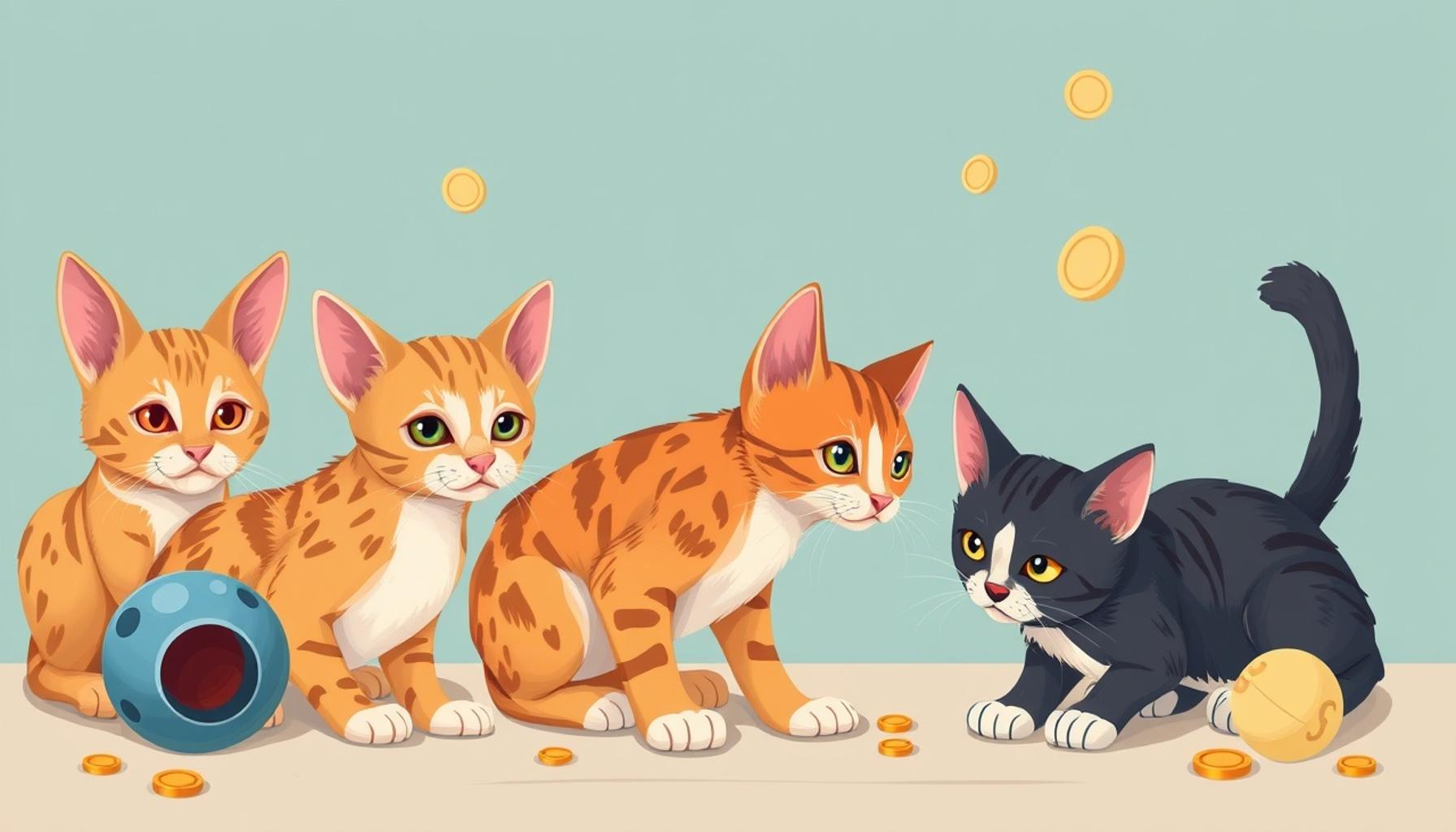
Exploratory Behavior in Pets: How Curiosity Influences Learning and Emotional Development in Dogs and Cats
Curiosity is essential for pets, especially dogs and cats, influencing their learning and emotional development. Engaging in exploratory behavior enhances cognitive skills and reduces stress, fostering a deeper bond between pets and owners. Creating stimulating environments encourages this natural behavior, enriching both the pet’s life and the human-animal relationship.
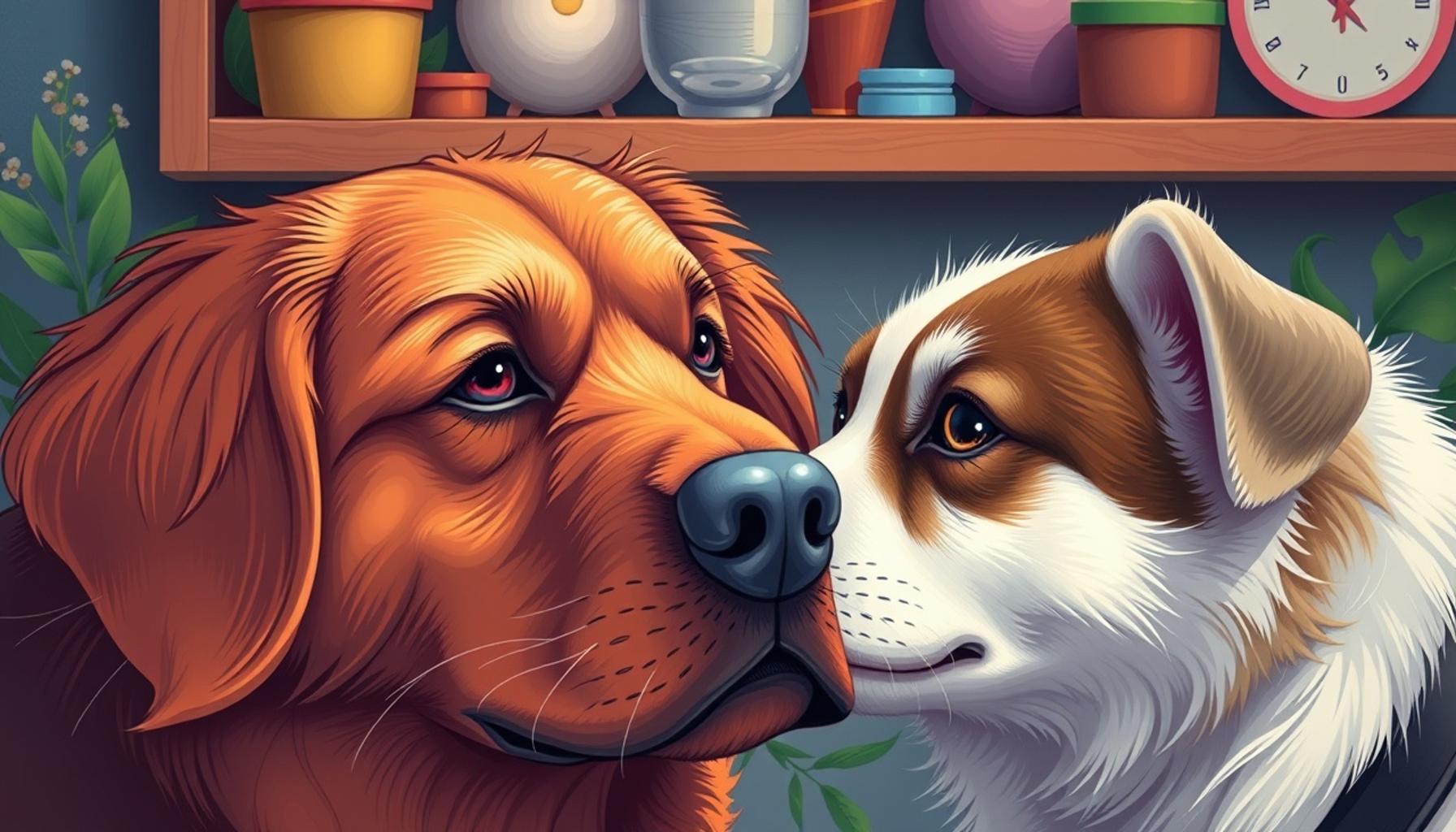
The influence of the family environment on pet behavior: how family dynamics shape pet interactions
The family environment profoundly influences pet behavior, as family dynamics shape interactions and emotional responses. Positive communication, consistent training, and engaging routines foster well-adjusted pets, while instability can lead to anxiety or aggression. Understanding these connections enhances the bond between pets and families, promoting harmonious relationships.
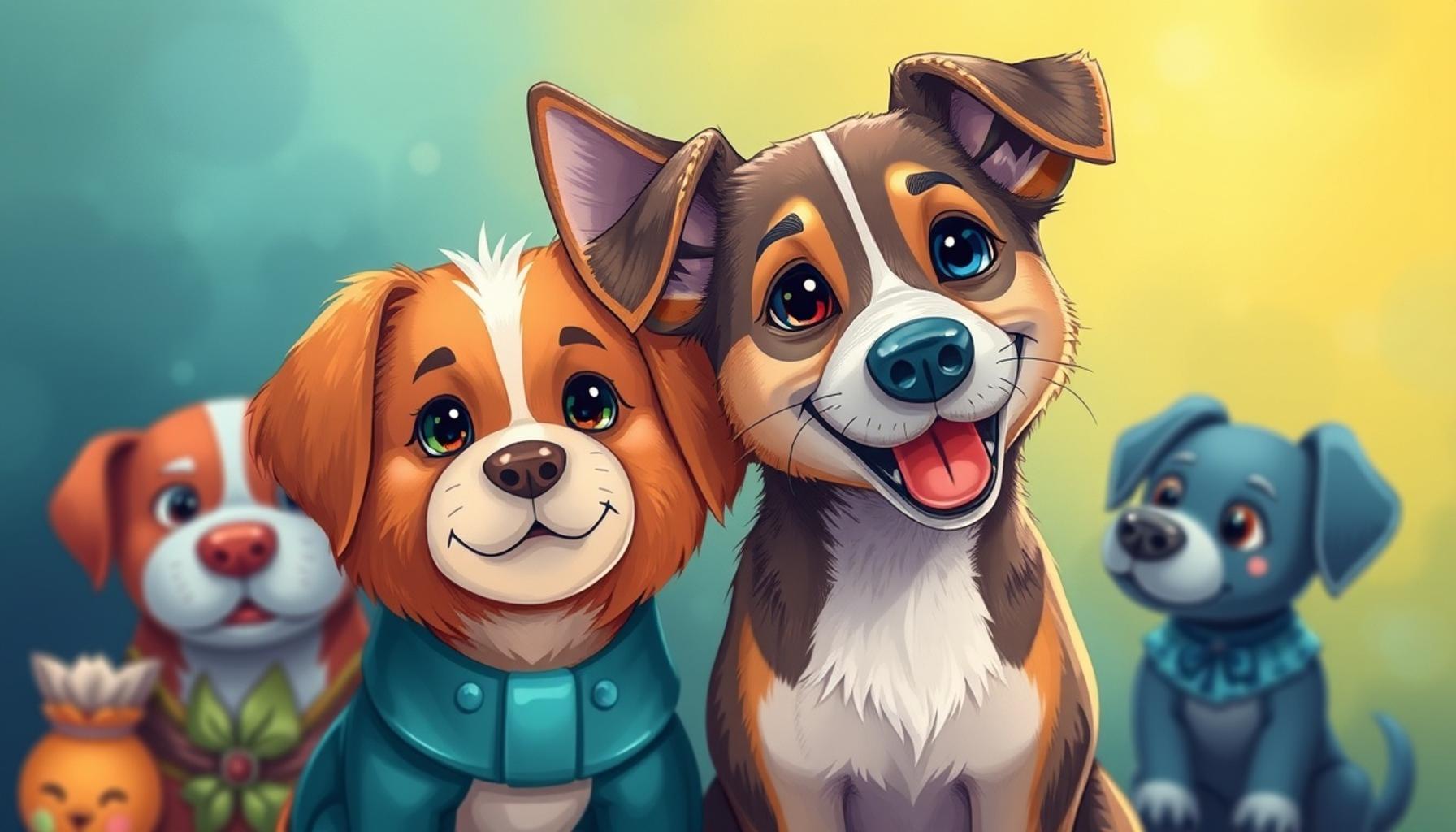
Adaptation Behavior in Rescued Pets: Challenges and Overcoming in Transitioning to a New Home
Welcoming a rescued pet presents unique challenges in adaptation behavior, shaped by their past experiences. Understanding these emotional and behavioral hurdles is crucial for a successful transition. With patience, consistent routines, and positive reinforcement, owners can foster a nurturing environment that promotes healing and lasting bonds with their new companions.
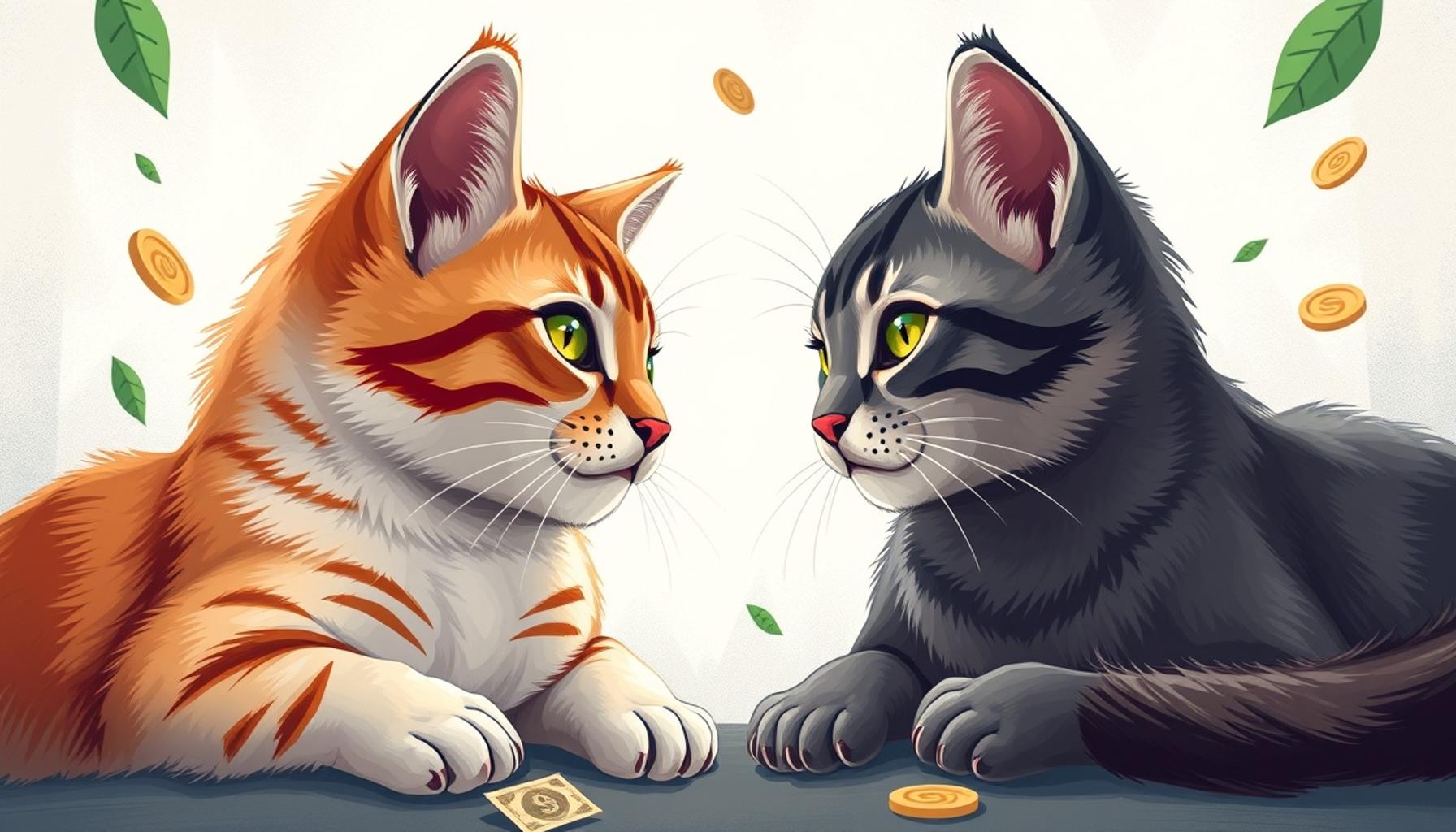
How Early Socialization Influences the Behavior of Dogs and Cats in Homes
Early socialization is crucial for shaping the behavior of dogs and cats in homes, influencing their adaptability, anxiety levels, and interactions with humans and other pets. By exposing them to diverse experiences during critical development periods, pet owners can foster well-adjusted and resilient companions, enhancing the pet-owner relationship and promoting harmonious living.