

Behavior of Breeds: Behavioral Differences Among Specific Dog Breeds and Their Implications for Owners
Understanding behavioral differences among dog breeds is essential for fostering healthy relationships between dogs and owners. These traits influence training, care, and compatibility within households. By aligning breed characteristics with lifestyle needs, owners can ensure well-adjusted pets and harmonious living environments, enhancing the overall dog ownership experience.
The Influence of Daily Routine on Animal Behavior: How Schedules Can Impact Well-Being
Daily routines significantly influence animal behavior and well-being. Consistent feeding times, regular exercise, and structured social interactions create predictable environments that reduce stress and anxiety. Understanding these routines helps enhance the quality of life for pets and wildlife, fostering emotional stability and healthier behaviors.
The Influence of the Environment on Cat Behavior: How Space Affects Personality
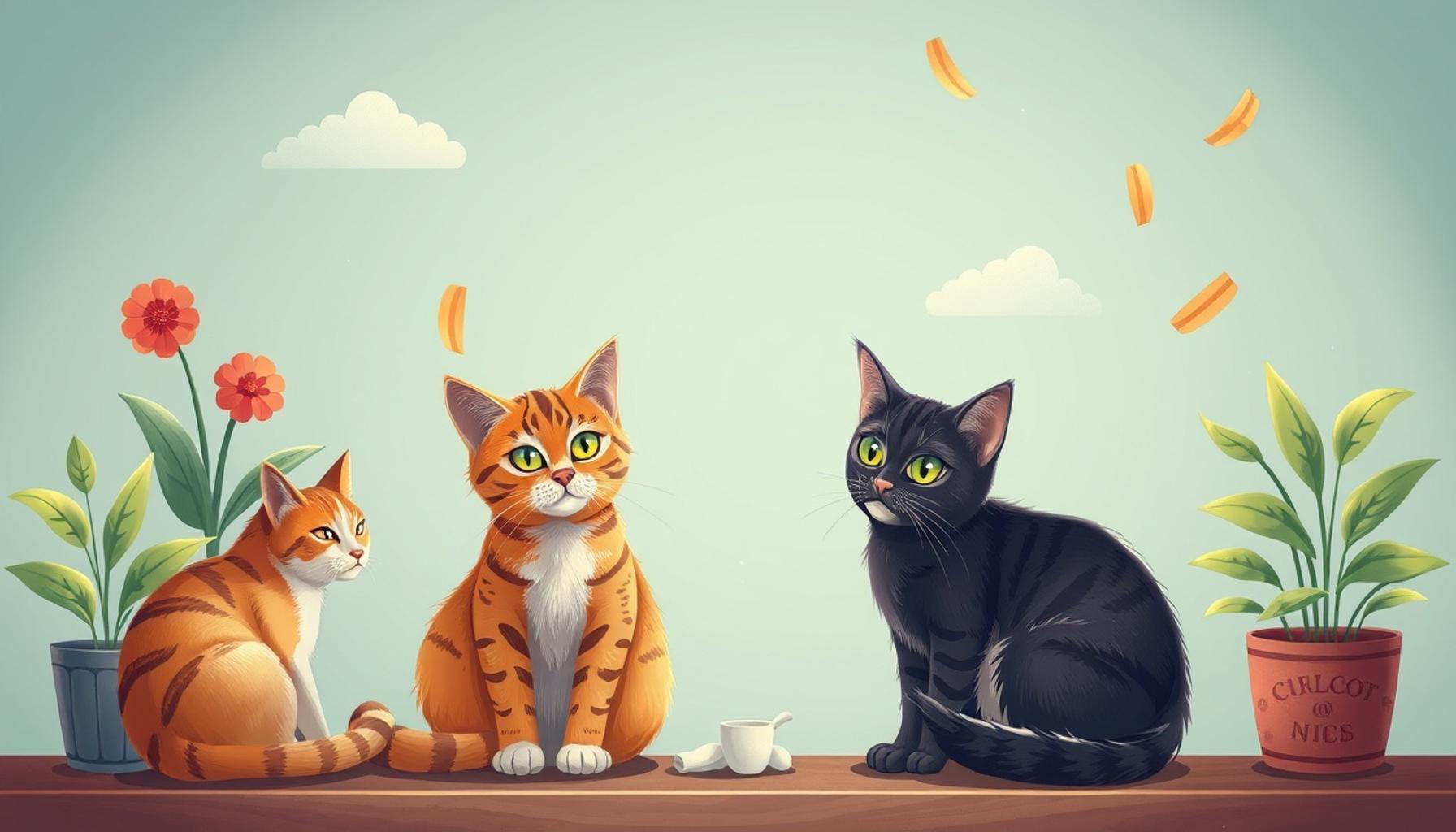
Understanding how the environment influences cat behavior reveals the crucial role that space, vertical areas, and enrichment play in shaping feline personalities. A well-structured habitat promotes exploration, reduces anxiety, and enhances emotional well-being, fostering healthier, happier cats. Creating engaging surroundings caters to their natural instincts and enriches their lives.

Adoption Behavior: The Impact of Early Socialization in Puppies
Early socialization is crucial for puppies, shaping their behavior and emotional well-being. Positive experiences during the critical socialization window foster adaptability, confidence, and ease in training. Understanding the impact of early interactions helps promote healthier, well-adjusted adult dogs, enhancing the adoption experience for both pets and their owners.

The Effects of Stress on Pet Behavior: Identification and Solutions
Pets experience stress just like humans, which can lead to behavioral issues that affect their well-being and the owner-pet bond. Recognizing stress signs and understanding triggers is crucial. By implementing effective solutions, such as routines and environmental adjustments, pet owners can enhance their pets’ emotional health and reduce stress.
Interactions Between Pets and Children: How Pet Behavior Influences Child Development
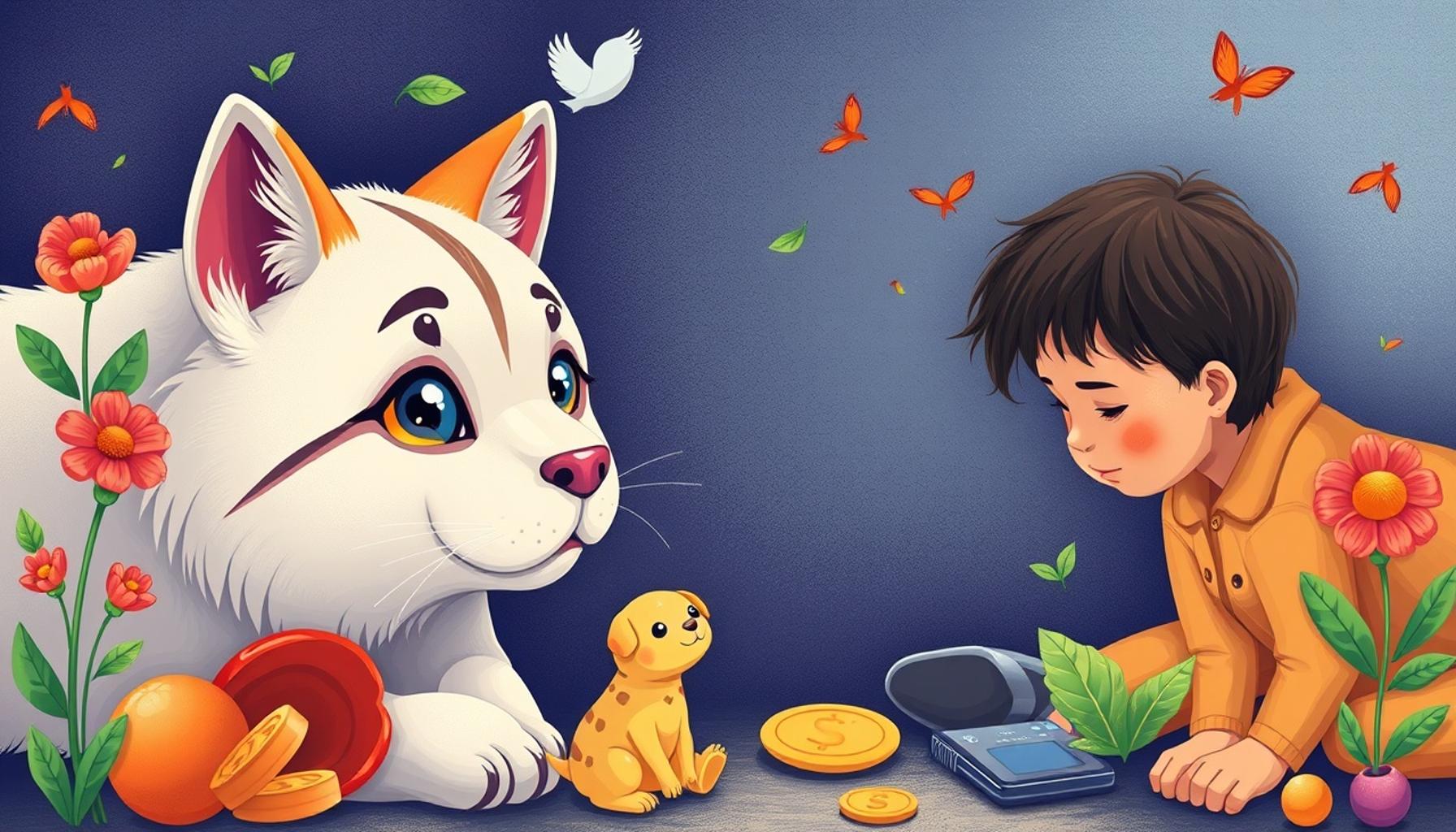
Pets play a crucial role in children’s development, fostering emotional connections, social skills, and a sense of responsibility. Interactions between pets and children enhance empathy, communication, and emotional intelligence, positively influencing their overall growth while providing essential lessons in nurturing relationships and navigating social dynamics.

Nonverbal Communication in Dogs: Understanding Body Signals
Discover the fascinating realm of nonverbal communication in dogs. This guide emphasizes the importance of understanding canine body signals—such as posture, tail position, and facial expressions—to foster a deeper bond with your pet, enhance interactions, and ensure their emotional well-being through responsive care and empathy.
The Impact of Nutrition on Pet Behavior: How Diet Can Alter Mood and Activity
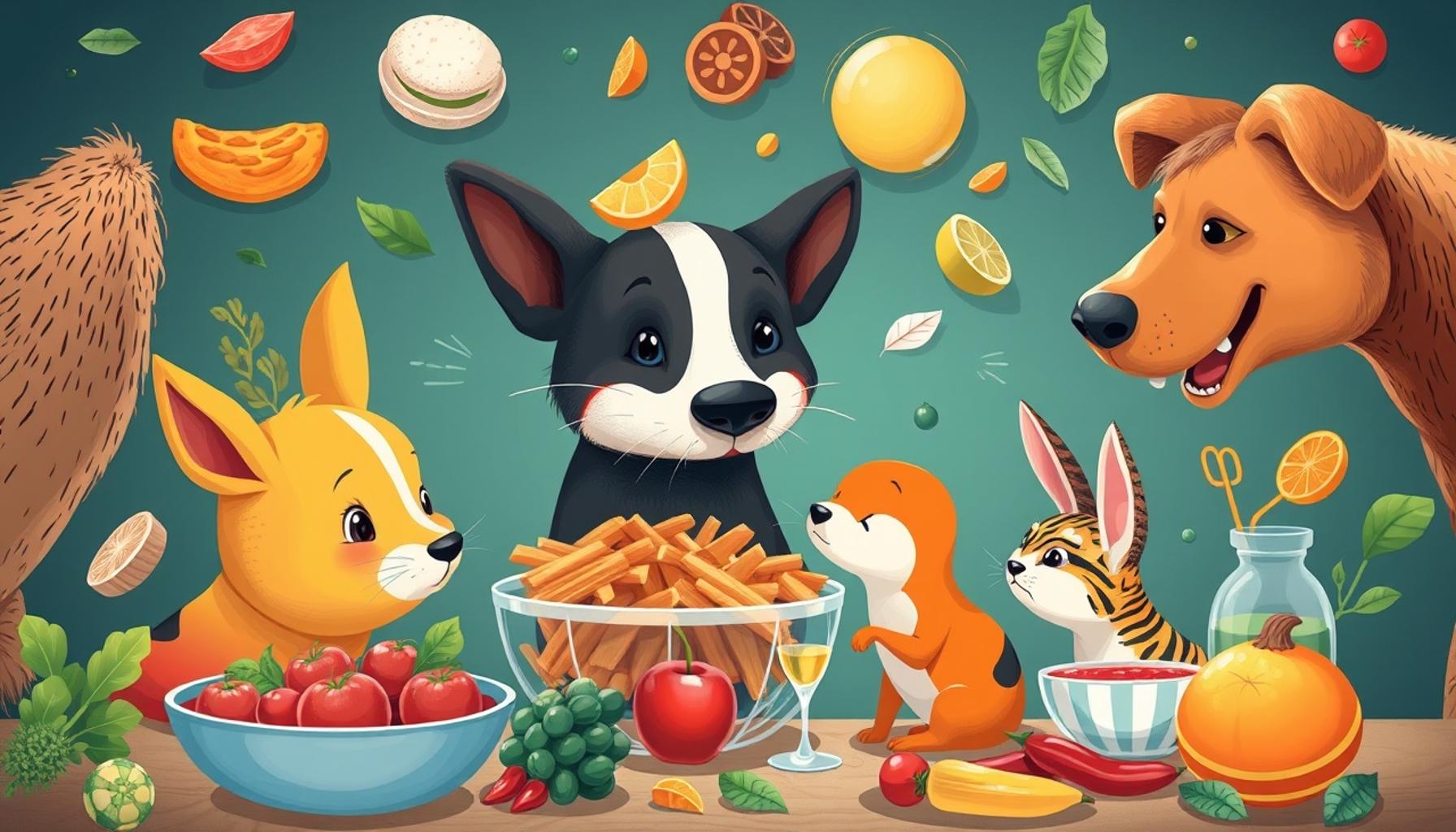
Nutrition significantly influences pet behavior, impacting mood and activity levels. A balanced diet rich in high-quality proteins, essential fatty acids, vitamins, and probiotics promotes emotional stability and reduces issues like anxiety and aggression. Understanding these dietary connections empowers pet owners to foster happier, healthier companions.
The Importance of Hunting Instinct in Domestic Cats: Natural Behaviors and How to Deal with Them
Understanding your cat’s hunting instinct is vital for their well-being. By engaging in behaviors like pouncing, chasing, and stalking, you can fulfill their natural needs. Providing interactive play and enriching environments fosters mental and physical health, deepening the bond between you and your feline companion.
The Role of Mental Stimulation in Pet Behavior: Toys and Activities that Transform
Mental stimulation is crucial for pets, enhancing their behavior and health. Engaging toys and activities prevent anxiety and destructive behaviors while fostering bonds between pets and owners. Incorporating puzzle toys, interactive games, and socialization opportunities can transform your pet’s life, promoting mental well-being and happier companions.