

The effect of species interaction on the behavior of dogs and cats: how living with other animals can shape their actions
Exploring species interaction reveals how dogs and cats adapt their behavior through living with other animals. Socialization, hierarchy, and play dynamics shape their actions, fostering harmonious relationships. Understanding these interactions enhances pet owners’ ability to create enriched environments, promoting healthier, more balanced behaviors in multi-species households.
Vocalization Behavior in Dogs and Cats: Understanding the Different Types of Barks and Meows and Their Causes
This overview delves into the vocalization behavior of dogs and cats, highlighting various types of barks and meows, their meanings, and underlying causes. Understanding these sounds enhances communication and strengthens the bond between pet owners and their furry companions, leading to improved well-being and harmonious relationships.
Exploratory Behavior in Pets: How Curiosity Influences Learning and Emotional Development in Dogs and Cats
Curiosity is essential for pets, especially dogs and cats, influencing their learning and emotional development. Engaging in exploratory behavior enhances cognitive skills and reduces stress, fostering a deeper bond between pets and owners. Creating stimulating environments encourages this natural behavior, enriching both the pet’s life and the human-animal relationship.

The influence of the family environment on pet behavior: how family dynamics shape pet interactions
The family environment profoundly influences pet behavior, as family dynamics shape interactions and emotional responses. Positive communication, consistent training, and engaging routines foster well-adjusted pets, while instability can lead to anxiety or aggression. Understanding these connections enhances the bond between pets and families, promoting harmonious relationships.
Adaptation Behavior in Rescued Pets: Challenges and Overcoming in Transitioning to a New Home
Welcoming a rescued pet presents unique challenges in adaptation behavior, shaped by their past experiences. Understanding these emotional and behavioral hurdles is crucial for a successful transition. With patience, consistent routines, and positive reinforcement, owners can foster a nurturing environment that promotes healing and lasting bonds with their new companions.
How Early Socialization Influences the Behavior of Dogs and Cats in Homes
Early socialization is crucial for shaping the behavior of dogs and cats in homes, influencing their adaptability, anxiety levels, and interactions with humans and other pets. By exposing them to diverse experiences during critical development periods, pet owners can foster well-adjusted and resilient companions, enhancing the pet-owner relationship and promoting harmonious living.
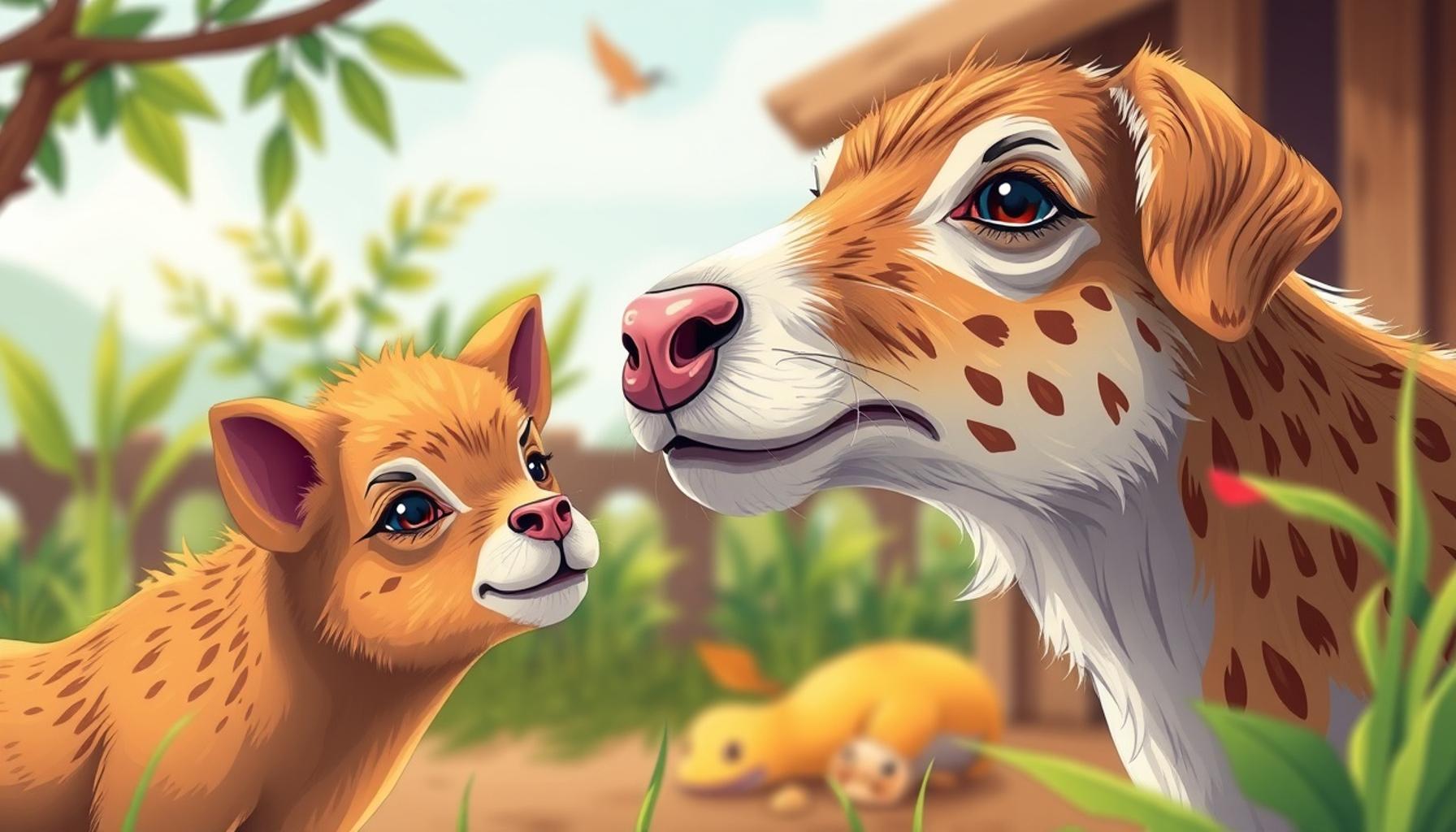
The relationship between environmental stress and dog behavior: how changes in the home affect the animal
Environmental changes significantly impact dog behavior, with stressors such as noise, shifting routines, and altered family dynamics contributing to anxiety and emotional distress. Recognizing these influences helps pet owners create nurturing environments, fostering well-being and strengthening the bond between dogs and their families.
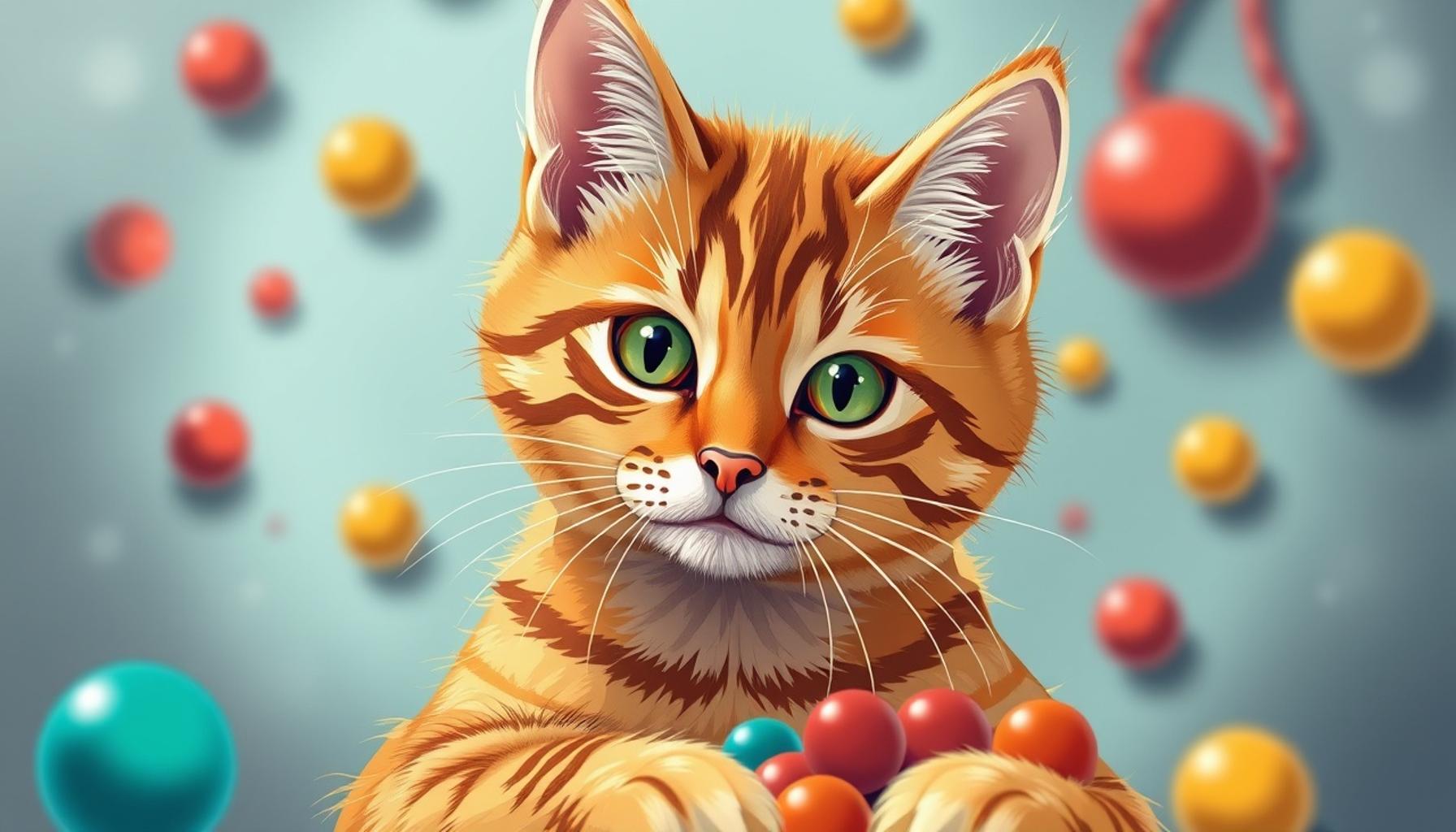
Play behavior in felines: the importance of play for the well-being and mental health of cats
Play is essential for the well-being and mental health of cats. It promotes physical fitness, mental stimulation, stress relief, and strengthens the bond between cats and their owners. Engaging in regular play helps prevent obesity, behavioral issues, and fosters social skills, enhancing the overall quality of life for felines.

The body language of dogs: understanding the signs of happiness and stress
Dogs communicate complex emotions through body language, with clear signs of happiness like wagging tails and relaxed postures, and signals of stress such as cowering and pacing. Understanding these cues is essential for fostering a positive bond and ensuring the well-being of your canine companion.

The influence of hunting instinct on the behavior of domestic cats: how it affects their interactions with toys and humans
Domestic cats retain strong hunting instincts that significantly influence their behavior and interactions with toys and humans. By understanding these instincts, owners can better engage their cats through play, fostering mental stimulation and strengthening their bond while enhancing overall well-being and reducing anxiety.