
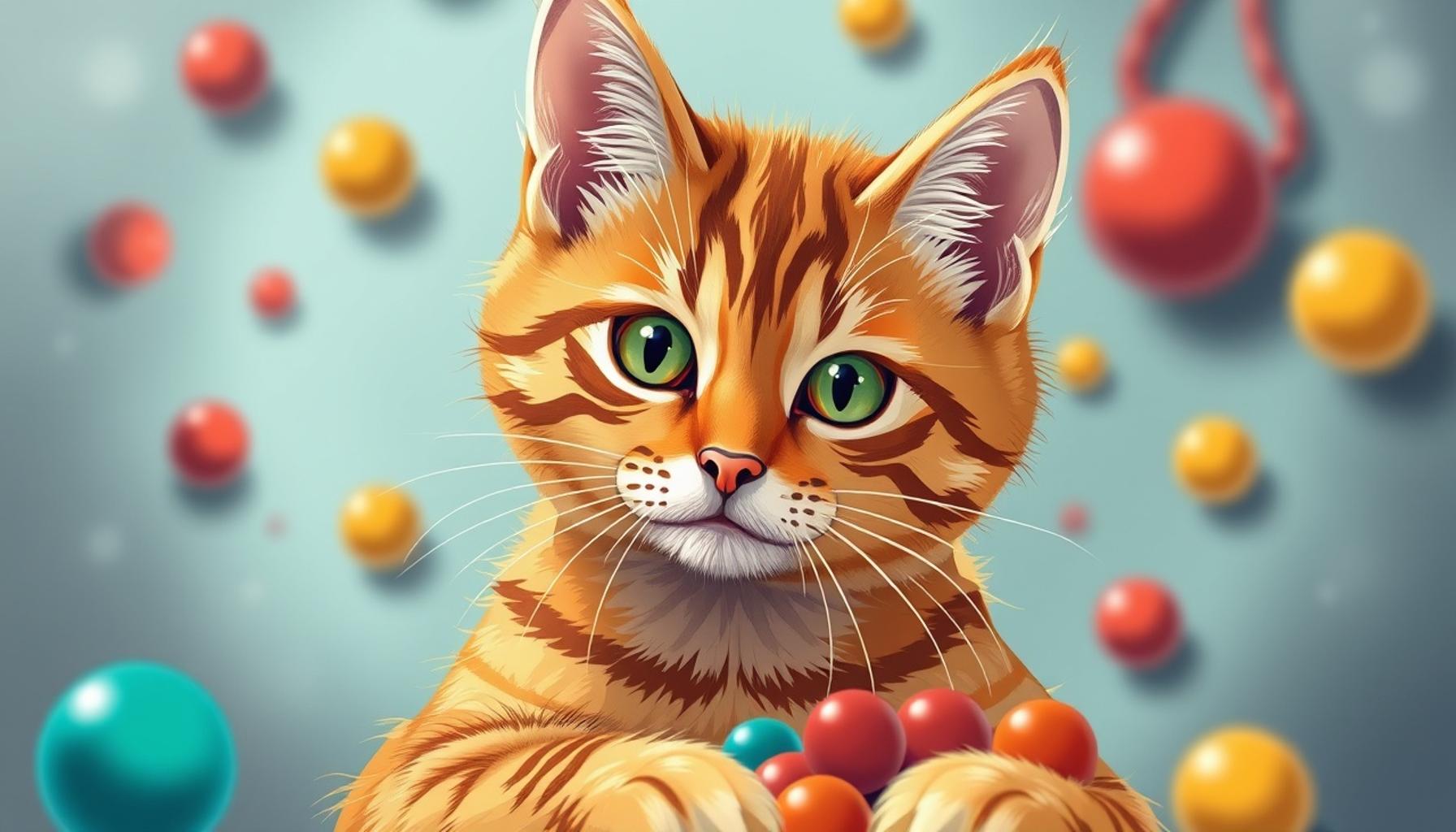
Exploring the Importance of Play in a Cat’s Life
In the world of cats, play is woven into their very fabric of being. From the time they are kittens, the instinct to chase, pounce, and explore is fundamental to their nature. Watching a small kitten bat furiously at a feather toy or an adult cat energetically chasing a laser dot reveals intrinsic behavioral traits that are crucial for their development. Understanding the impact of play can not only enhance the bond between pet owners and their feline companions but also contribute significantly to their health and happiness.
Key Benefits of Play for Cats
Engaging in regular play provides a multitude of benefits for cats, affecting both their physical and psychological well-being:
- Physical Fitness: Just like humans, cats require exercise to maintain a healthy weight and strong muscles. Regular playtime can take the form of chasing balls, climbing on cat trees, or engaging in interactive games with their owners. This not only promotes cardiovascular health but also helps prevent obesity, a growing concern among indoor cats in the United States. According to the Association for the Prevention of Pet Obesity, nearly 60% of cats in the U.S. are overweight or obese, which can lead to serious health issues.
- Mental Stimulation: Cats are intelligent creatures that thrive on mental engagement. Playtime can help keep their minds active, reducing boredom and encouraging problem-solving skills. Puzzle feeders, for example, challenge cats to think critically while working for their treats, adding layers of enjoyment and stimulation.
- Stress Relief: Interactive play serves as a natural outlet for a cat’s pent-up energy and emotions. When cats engage in play, they instinctively mimic hunting behavior, which can alleviate stress and anxiety. In multi-pet households or when transitioning to a new environment, regular playtime becomes even more essential, addressing fears and promoting comfort.
Conversely, a lack of play can lead to significant health issues. Obesity, behavioral problems such as aggression or destructive scratching, and withdrawal from human interaction are common consequences of inadequate engagement. Research shows that cats who have regular opportunities for play are generally more well-adjusted and exhibit fewer behavioral problems.
As pet owners, understanding the importance of play is key to creating enriching environments for our furry friends. Simple actions, like setting aside time for daily play sessions or providing various engaging toys, can vastly improve a cat’s quality of life. For those who seek to delve deeper into feline health, exploring the diverse types of play and their significance can provide valuable insights. By embracing the playful nature of cats, we can ensure they lead happy, fulfilling lives that align with their natural instincts.
Unpacking the Educational Value of Play in Felines
Play behavior in felines is more than just an enjoyable pastime; it serves as a vital component of their overall well-being. The antics of cats, from the reckless abandon of a kitten chasing a string to the more calculated movements of an adult cat stalking a toy mouse, highlight the fundamental role that play has in shaping their behavior and mental health. While most cat owners recognize play as a source of entertainment, the deeper implications for their feline companions’ health is a crucial aspect that merits attention.
The Role of Play in Behavioral Development
Play acts as a natural classroom for cats, offering them a safe environment to learn vital skills. Through play, young kittens develop essential hunting techniques and learn about their own physical capabilities. Here are some pivotal elements illustrating how play contributes to their behavioral development:
- Social Skills: Engaging in play with littermates teaches kittens important social cues and boundaries. These interactions help them understand the difference between play and aggression, which is critical for developing good interpersonal skills as they mature.
- Problem-Solving Abilities: Many toys are designed to challenge a cat’s intellect. For example, interactive toys that require manipulation can stimulate curiosity and enhance their problem-solving skills. These experiences are invaluable in fostering cognitive growth.
- Adaptability: Play also encourages adaptability to new situations and environments. Cats that are given opportunities to play in various settings tend to be more adaptable and less fearful when encountering new experiences, reducing anxiety levels overall.
According to a study published in the journal Animal Behavior, regular playtime can result in a more well-rounded cat, exhibiting increased sociability and decreased behavioral issues. Furthermore, the American Association of Feline Practitioners emphasizes the importance of fulfilling a cat’s instinctual needs through play, arguing that stimulating their natural instincts can prevent the development of various behavioral problems.
Beyond learning and development, play serves as a form of therapy for cats. It encourages them to express their natural behaviors, providing an outlet for their energy and reducing stress levels. Understanding the significance of play can empower pet owners to create enriched environments, thereby fostering happier and healthier feline companions. Whether through solo playtime with engaging toys or interactive sessions with their humans, ensuring ample opportunities for play can dramatically enhance a cat’s quality of life.
As we explore the depth of play behavior in felines, it becomes clear that this joyful activity is not merely recreational; it is fundamental to their growth, health, and happiness. By embracing the playful nature of our cats, we unlock a world of opportunity for their emotional and physical well-being.
| Advantages | Benefits for Cats |
|---|---|
| Enhanced Physical Health | Play encourages exercise, reducing the risk of obesity and related health issues. |
| Cognitive Stimulation | Engaging activities stimulate a cat’s mental agility, helping to prevent boredom and destructive behaviors. |
| Strengthening Bond with Owners | Interactive play fosters a deeper human-animal relationship, promoting trust and companionship. |
| Stress Relief | Play acts as a natural outlet for frustration and anxiety, leading to a calmer pet. |
In exploring the realm of feline play behavior, it becomes evident that these playful activities are essential not only for amusement but also for the holistic well-being of cats. Engaging in physical play helps prevent obesity, a common health issue among indoor cats, reinforcing the need for regular exercise to maintain a healthy weight. Additionally, as cats navigate through their play, they hone vital cognitive skills, which enrich their daily lives and keep their senses sharp. Moreover, play is an excellent way to strengthen the bond between felines and their owners. These interactions foster trust and companionship, essential elements for a cat’s emotional stability. Furthermore, play serves as an avenue for stress relief, allowing cats to channel any pent-up frustration or anxiety in a constructive manner. Thus, understanding the multifaceted importance of play in a cat’s life prompts greater appreciation for their inherent need for engagement.
The Therapeutic Aspects of Play for Cats
Play is not only crucial for the development of young cats; it also serves as a powerful tool for maintaining their mental health throughout their lives. As cats mature, their play behavior evolves, reflecting their changing needs and the constant need for mental stimulation. The therapeutic aspects of play can be particularly advantageous in mitigating common feline behavioral issues.
Stress Relief through Play
Cats experience stress from various sources, including changes in their environment, the introduction of new pets, or even the absence of their owners. Engaging in play has been shown to significantly reduce stress levels by providing a healthy outlet for their pent-up energy and anxiety. A study published in the Journal of Feline Medicine and Surgery found that cats exposed to regular play interactions demonstrated lower cortisol levels—a hormone associated with stress. This indicates that play serves as a vital coping mechanism for feline companions.
Combating Boredom and Isolation
For indoor cats, the risk of boredom and isolation can be substantial, particularly when their human companions are absent for extended periods. Boredom can lead to detrimental behaviors, including excessive vocalization, destructive scratching, and over-grooming. Encouraging regular play sessions, whether through interactive toys or guided play with their owners, can help to alleviate these issues.
Interactive entertainment devices are becoming increasingly popular and accessible. Examples include laser pointers, feather wands, and even automated toys that mimic prey movements. These innovations not only cater to a cat’s hunting instincts but also foster social bonding between pet and owner, enhancing the emotional connection.
Play as a Social Connector
Beyond individual benefits, play also serves as a means of social interaction among cats. Households with multiple feline residents can often see the dynamics shift based on playtime. Play can help to establish hierarchies within the group, allowing cats to assert themselves in a playful context rather than through aggression. This shared experience can enhance harmony among household cats and reduce conflicts.
Moreover, pet owners can utilize play to facilitate introductions between new and existing pets. Gradual play sessions, supervised interaction, and the use of toys can create a positive shared experience, fostering acceptance and reducing hostility.
The Importance of Play in Aging Cats
As cats age, their energy levels and playfulness might dwindle, yet they still require mental and physical stimulation. Regular play remains pivotal for older cats, as it helps to maintain mobility, keeps their minds sharp, and adds quality to their later years. Tailored activities, such as gentle interactive toys or low-energy play sessions, can keep senior cats engaged without overwhelming them. A healthy balance of play in their daily routine can potentially extend their vitality by promoting physical fitness and emotional well-being.
Understanding the multifaceted benefits of play behavior in felines is essential for promoting the overall health and happiness of cats. By encouraging a variety of play activities alongside structured engagement, cat owners can cultivate environments that nurture not only the physical health of their pets but also their emotional and mental well-being. The impact of play extends far beyond mere entertainment, solidifying its importance in the comprehensive care of our cherished feline friends.
Conclusion
In conclusion, the importance of play behavior in felines cannot be overstated. It is a fundamental aspect of their lives, crucial for supporting not only their physical development but also their emotional and mental health. Play serves as a therapeutic tool that offers stress relief and acts as a buffer against boredom and isolation, particularly for indoor cats who may experience confinement and limited interactions.
Moreover, the role of play extends beyond individual benefits, fostering social connections within multi-cat households and enhancing relationships between pets and their owners. By engaging in play, cats can establish healthy communication patterns and alleviate potential conflicts in a shared living environment. This interconnectedness highlights the significance of play as a social connector among felines, promoting a harmonious atmosphere.
As cats mature and age, their ongoing need for play becomes even more vital to maintain cognitive function and physical fitness. Tailored play activities can adapt to their evolving needs, ensuring that they remain engaged, active, and content throughout their lifespan. Encouraging regular play sessions with a variety of stimulating toys and games not only enriches their lives but also strengthens the bond humans share with their feline companions.
Ultimately, recognizing the multifaceted benefits of play behavior is essential in fostering a happy, healthy, and fulfilling life for our beloved cats. As we invest time in nurturing this playful aspect of their lives, we contribute significantly to the overall well-being of these cherished members of our families.


 Beatriz