
The Impact of Nutrition on Pet Behavior: How Diet Can Alter Mood and Activity
Nutrition significantly influences pet behavior, impacting mood and activity levels. A balanced diet rich in high-quality proteins, essential fatty acids, vitamins, and probiotics promotes emotional stability and reduces issues like anxiety and aggression. Understanding these dietary connections empowers pet owners to foster happier, healthier companions.
Adoption Behavior: The Impact of Early Socialization in Puppies
Early socialization is crucial for puppies, shaping their behavior and emotional well-being. Positive experiences during the critical socialization window foster adaptability, confidence, and ease in training. Understanding the impact of early interactions helps promote healthier, well-adjusted adult dogs, enhancing the adoption experience for both pets and their owners.

The Effects of Stress on Pet Behavior: Identification and Solutions
Pets experience stress just like humans, which can lead to behavioral issues that affect their well-being and the owner-pet bond. Recognizing stress signs and understanding triggers is crucial. By implementing effective solutions, such as routines and environmental adjustments, pet owners can enhance their pets’ emotional health and reduce stress.
Interactions Between Pets and Children: How Pet Behavior Influences Child Development
Pets play a crucial role in children’s development, fostering emotional connections, social skills, and a sense of responsibility. Interactions between pets and children enhance empathy, communication, and emotional intelligence, positively influencing their overall growth while providing essential lessons in nurturing relationships and navigating social dynamics.

Nonverbal Communication in Dogs: Understanding Body Signals
Discover the fascinating realm of nonverbal communication in dogs. This guide emphasizes the importance of understanding canine body signals—such as posture, tail position, and facial expressions—to foster a deeper bond with your pet, enhance interactions, and ensure their emotional well-being through responsive care and empathy.
Socialization Techniques for Puppies: Preparing Your Pet for the World
Effective socialization techniques for puppies are crucial for preparing them to navigate the world confidently. Introducing various experiences, environments, and interactions fosters adaptability, encourages positive behavior, and strengthens the owner-pet bond. Prioritizing these strategies ensures a well-adjusted, happy, and well-mannered canine companion for a harmonious life.
The Importance of Routine in Pet Training
Establishing a consistent routine is crucial in pet training, providing structure and security for pets. This predictability enhances learning, reinforces good behavior, and strengthens the bond between pets and owners. By incorporating routine training, both pets and owners can enjoy a more harmonious and fulfilling relationship.

The Importance of Positive Reinforcement in Dog Training
Positive reinforcement is essential in dog training, fostering effective communication between dogs and their owners. This compassionate approach enhances learning, builds trust, and reduces stress, leading to well-adjusted pets. By focusing on rewarding desired behaviors, owners cultivate stronger bonds and improve obedience, contributing to happier canine companions.
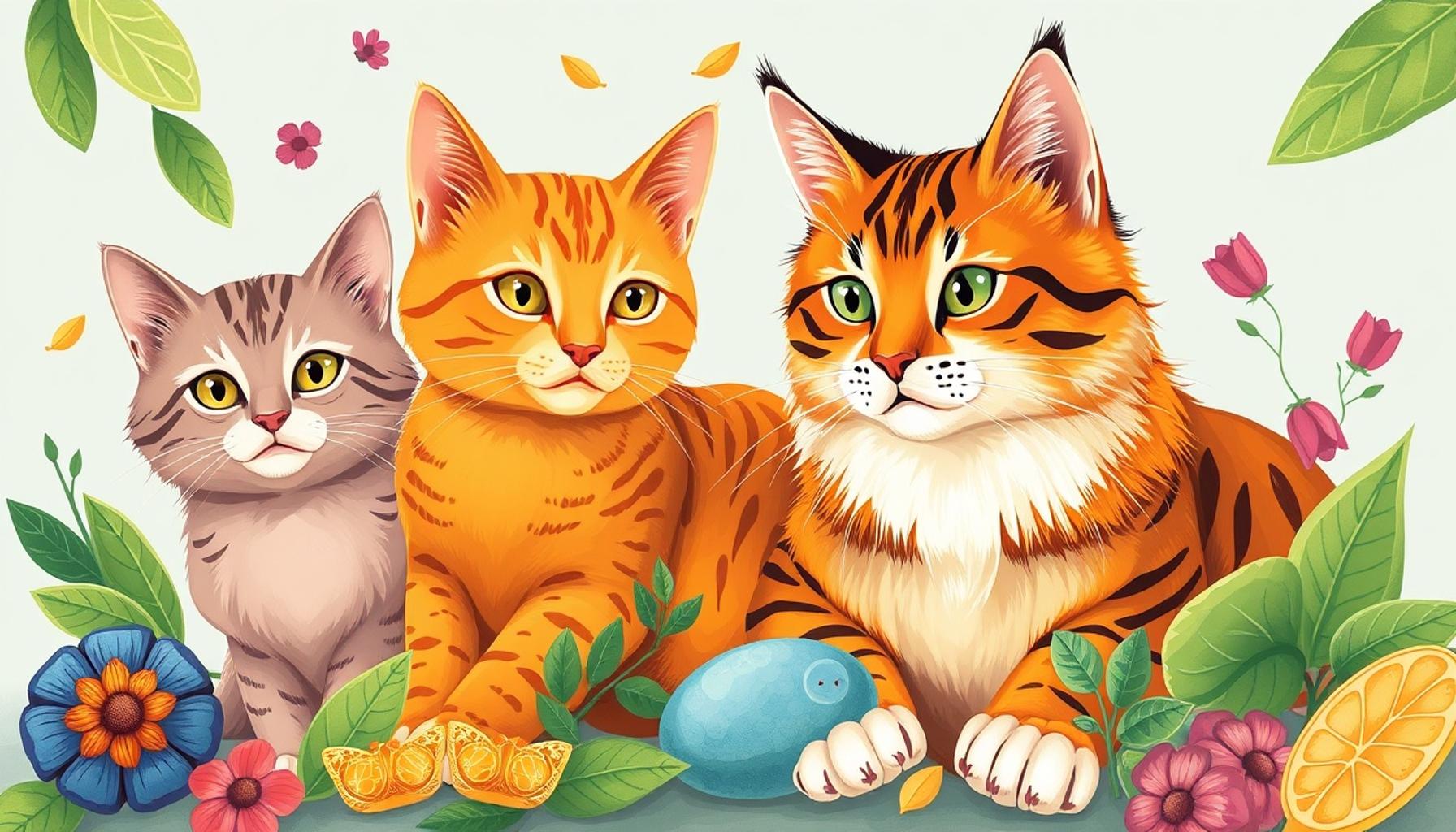
The Importance of Hunting Instinct in Domestic Cats: Natural Behaviors and How to Deal with Them
Understanding your cat’s hunting instinct is vital for their well-being. By engaging in behaviors like pouncing, chasing, and stalking, you can fulfill their natural needs. Providing interactive play and enriching environments fosters mental and physical health, deepening the bond between you and your feline companion.
The Role of Mental Stimulation in Pet Behavior: Toys and Activities that Transform
Mental stimulation is crucial for pets, enhancing their behavior and health. Engaging toys and activities prevent anxiety and destructive behaviors while fostering bonds between pets and owners. Incorporating puzzle toys, interactive games, and socialization opportunities can transform your pet’s life, promoting mental well-being and happier companions.