
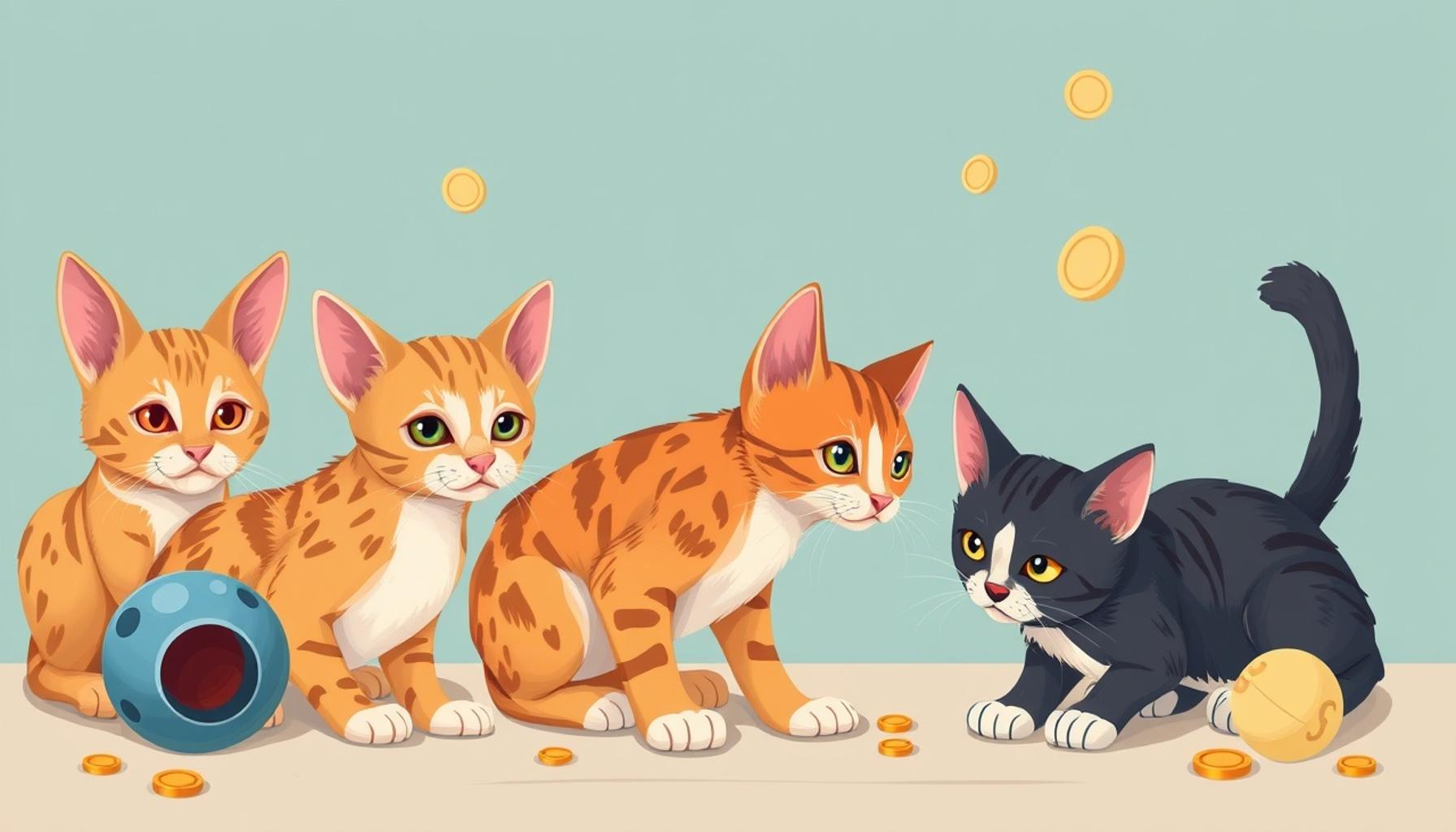
The Role of Curiosity in Pets’ Lives
Curiosity, particularly in dogs and cats, is more than just a charming trait; it plays a vital role in their overall development and well-being. When pets exhibit curious behaviors, they engage in explorative actions that enable them to interact deeply with their surroundings, facilitating both fun and educational experiences. By understanding these behaviors, pet owners can enhance their furry friends’ development and emotional health in meaningful ways.
How Curiosity Enhances Learning
One of the most significant benefits of curiosity in pets is its relationship with learning. Pets naturally learn through exploration, which helps them adapt to various situations. For instance, a playful puppy might investigate a garden, leading to discoveries about textures, smells, and sounds. This experiential learning cultivates a sense of familiarity and adaptability, essential traits for navigating new environments.
Moreover, employing interactive toys that challenge a pet’s problem-solving skills can further enhance this learning process. Toys that hide treats or require manipulation to reveal rewards can stimulate a dog’s or cat’s curiosity, encouraging them to think critically and engage actively.
Curiosity and Emotional Development
Curiosity also plays a crucial role in a pet’s emotional growth. Engaging with their environments—whether it’s exploring a box or chasing a laser pointer—can significantly reduce anxiety and stress. For example, a cat that climbs to high vantage points is not just seeking a view; it may be fulfilling its instinctual need to survey its territory, thereby building confidence as it gains control over its space.
Additionally, providing a stimulating environment can prevent behavioral issues often linked to boredom, such as destructive chewing in dogs or excessive meowing in cats. This proactive approach promotes a happier and emotionally balanced pet.
Fostering Stronger Human-Animal Bonds
The inquisitive nature of pets also strengthens their bonds with humans. When pet owners actively engage in their pets’ exploration—whether through play, training sessions, or simply observing their antics—it creates shared experiences that foster intimacy. The joint activities allow owners to understand their pets better and vice versa, resulting in a mutual relationship built on trust and affection.
For instance, playing hide-and-seek with a dog cultivates curiosity as it searches for a hidden owner, making the experience both fun and enriching for both parties.
Stimulating Curiosity in Domestic Settings
Many pet owners have observed that minor changes in their home environment can significantly stimulate their pets’ curiosity. Simple actions, such as rearranging furniture or introducing new play structures, can reignite exploratory behaviors in pets. Cats might find a new plant fascinating to investigate, while dogs may enjoy new paths created in the backyard.
These alterations not only provide entertainment but also facilitate the mental exercise vital for a happy and healthy life, encouraging a more engaged pet.
As we unravel the layers of curiosity in our beloved pets, it becomes increasingly evident that this trait shapes not only their learning processes but also their emotional landscapes. Understanding and fostering curiosity could transform how we interact with our furry companions, enriching their lives and our own.
Understanding Exploratory Behavior in Pets
Exploratory behavior in pets, particularly in dogs and cats, serves as a dynamic gateway to learning and emotional well-being. Intrinsically motivated by curiosity, pets embark on exploration to understand their surroundings, gathering information that shapes their experiences and responses to the world. This behavior not only drives their interactions but also plays a critical role in fostering skills that contribute significantly to their day-to-day lives.
The Science Behind Exploration
The behaviors associated with exploration are deeply rooted in the evolutionary history of dogs and cats. Instinctively curious, these animals are wired to investigate new stimuli as a means to assess potential threats or opportunities. Understanding this instinct can help pet owners create environments that nurture this curiosity and ultimately enrich their pets’ lives.
From the moment they are born, puppies and kittens start exploring their world, helping them develop crucial cognitive and social skills. Interaction with their environment can enhance their learning processes, leading to improved problem-solving abilities. Experts note that pets who engage in regular exploratory behaviors tend to exhibit:
- Increased adaptability: Pets become more comfortable in new situations and stimuli, enabling smoother transitions during travel or relocation.
- Improved social skills: Exploratory interactions with other pets and humans help forge healthier social relationships and reduce fears.
- Enhanced sensory development: Exposure to different sounds, smells, and textures fosters a richer sensory experience, crucial for the overall well-being of pets.
Curiosity and Cognitive Growth
A curious pet is often an engaged pet. When dogs and cats explore their environments, they trigger not only emotional responses but also cognitive development. For instance, a dog encountering a new toy will learn to strategize how to retrieve the hidden treats, reinforcing its ability to think critically. Similarly, a cat might learn to navigate unique obstacles placed around the home, enhancing its agility and problem-solving skills.
Notably, pets that engage in exploratory play are less likely to exhibit behavioral issues linked to boredom. A dog that digs into the mystery of a new squeaky toy or a cat that hunts an elusive feather wand is participating in valuable learning experiences that sharpen their instincts. It’s essential for pet owners to provide ample opportunities for exploration; interactive toys and varied play environments can serve as excellent tools for stimulating this innate curiosity.
Emotional Benefits of Exploration
Beyond cognitive growth, curiosity in pets offers profound emotional benefits. Exploring new environments can build confidence and reduce anxiety in both dogs and cats. For instance, a dog that is encouraged to explore a neighborhood park will become more secure in its surroundings, which can alleviate fear of unfamiliar situations.
In fact, research indicates that pets who engage in exploratory behaviors display less stress and have greater emotional stability. Creating a safe environment for your pet to exert curiosity—by allowing exploration during walks or at home—empowers them, leading to a more balanced emotional state.
Curiosity invites a world of possibilities for both learning and emotional development in our furry companions. By encouraging exploratory behavior, pet owners can enhance their pets’ lives, allowing them to bloom into well-adjusted members of the family.
Exploratory behavior in pets, particularly in dogs and cats, plays a crucial role in their overall learning and emotional development. Understanding how curiosity shapes these aspects can greatly enhance the way pet owners interact with their furry companions. This behavior is not merely a phase of life but a significant factor that influences a pet’s cognitive and emotional growth.
Research has shown that animals that engage in exploratory behavior are often more adaptable and better at learning new skills. For instance, when pets are allowed to explore their environment, they encounter various stimuli that promote cognitive challenges, encouraging them to problem-solve and make connections. This exploration is vital for their development as it fosters curiosity, leading to a greater understanding of their surroundings.
Moreover, the emotional benefits of curiosity in pets are profound. Engaging in discovery can lead to heightened feelings of confidence and security. Pets that actively explore their environment tend to have lower levels of stress, resulting in better overall behavior and relationship dynamics with their owners. As these animals learn to navigate new experiences, they build resilience, which allows for healthy emotional expression.
For pet owners, facilitating a stimulating environment can enhance their pets’ exploratory behavior. Providing new toys, varying walks, or introducing different scents can ignite a pet’s innate curiosity, resulting in beneficial learning experiences. This not only encourages physical activity but also mental engagement, essential for a well-rounded and happy pet.
In the broader context of human-animal interaction, understanding the role of curiosity can lead to better training techniques that harness this behavior. Utilizing methods that promote exploration can significantly improve a pet’s learning curve, creating a more enriching bond between owner and pet. As curiosity leads to deeper emotional connections, it demonstrates the intrinsic value of allowing pets the freedom to explore their world.
| Category | Key Features |
|---|---|
| Exploratory Behavior | Engagement in new environments promotes problem-solving. |
| Emotional Development | Increases confidence and reduces stress through discovery. |
Exploratory behavior fundamentally shapes how pets learn and emotionally develop, underscoring the importance of curiosity in their daily lives. By nurturing this trait, pet owners can foster a deeper and more enriching relationship with their beloved companions.
The Role of Environment in Shaping Curiosity
The environment in which pets reside significantly influences their exploratory behavior. A stimulating environment not only encourages curiosity but also fosters opportunities for learning and emotional growth. Factors such as space, variety of stimuli, and social interactions are crucial in crafting a setting that promotes exploration.
Pet owners should consider enriching their homes with elements that inspire curiosity. For example, dog owners may introduce different textures and scents through various toys, while cat owners can incorporate climbing structures or interactive puzzle feeders. Such environmental enrichment plays a pivotal role in awakening and sustaining an animal’s natural tendencies to explore.
Research highlights that pets living in stimulating environments tend to show greater cognitive flexibility and resilience. They are generally better equipped to adapt to new experiences. For instance, a dog that routinely encounters diverse settings during walks—such as parks, busy streets, and open fields—will likely grow into a confident animal comfortable in varying scenarios, ultimately leading to less anxiety and more balanced behavior.
Social Exploration and Bonding
Social interactions are another critical aspect of exploratory behavior. Dogs and cats are social creatures, and exploring together can strengthen the bond between a pet and its owner. Regular playdates with other pets or attending dog parks allows animals to engage in social exploration, learning to navigate canine or feline social dynamics.
The benefits of these social experiences are multifaceted. Studies have shown that pets who routinely socialize with others are less prone to aggression and fear behaviors. Moreover, these experiences improve their ability to understand and respond to social cues. For example, a dog that plays with various companions learns to read body language, which can be invaluable in preventing misunderstandings during interactions.
Curiosity-driven Training Techniques
Utilizing curiosity as a vehicle for training can deepen the learning experience. Modern training techniques increasingly focus on curiosity-driven methods rather than traditional, authoritative approaches. By utilizing a pet’s inherent curiosity, owners can design training exercises that are fun and engaging, making learning an enjoyable experience.
Incorporating exploratory elements into training sessions can yield impressive results. For instance, when teaching a dog to “sit” or “stay,” combining these commands with interactive toys can captivate their attention, turning training into an exploratory game. Similarly, teaching a cat to navigate a homemade obstacle course stimulates both their curiosity and learning capabilities.
Experts recommend gradually increasing the complexity of tasks to ensure the pet remains engaged. This fosters a sense of achievement as the pet successfully navigates challenges, reinforcing the brain’s reward pathways and building confidence. Techniques like clicker training can effectively complement this approach, rewarding pets for their curiosity-driven initiatives.
The Importance of a Balanced Routine
Creating a balanced routine that combines exploration, training, socialization, and relaxation can further facilitate healthy emotional development. Pets thrive on a structure that allows for a diverse range of experiences. As such, owners should diversify their pets’ routines, ensuring that they have time to explore different environments, play with other animals, and bond with their owners.
Moreover, scheduled exploration – like regular outings to new parks or setting aside time daily for interactive play – can solidify a pet’s sense of security while encouraging independence. The combination of supervised exploration and playtime reinforces trust and enhances the emotional connection between pets and their humans.
Conclusion
In summary, the exploratory behavior of pets, especially dogs and cats, serves as a crucial indicator of their overall learning and emotional development. As we’ve examined, a stimulating environment rich in sensory experiences can significantly enhance a pet’s natural curiosity, paving the way for cognitive growth and emotional resilience. Moreover, social interactions, whether through playdates or visits to dog parks, further enrich their exploratory instincts, leading to stronger bonds between pets and their owners, along with improved behavioral outcomes.
Equally important is the implementation of curiosity-driven training techniques, which leverage a pet’s innate need to explore. By transforming traditional training sessions into engaging, playful experiences, owners can activate their pets’ curiosity, fostering a love for learning that transcends simple task completion. Developing a balanced routine that integrates exploration, socialization, and relaxed bonding time provides pets with a comprehensive framework for emotional security and independence.
Ultimately, prioritizing a pet’s exploratory nature not only enriches its life but also elevates the human-animal relationship to unprecedented levels. As pet owners and researchers continue to unravel the layers of animal behavior, the insights gained guide us toward nurturing well-rounded, curious companions. By appreciating and enhancing exploratory behavior in our pets, we invest in their happiness, longevity, and the profound emotional connections that make them cherished family members. There is always more to discover, both for pets and their owners; fostering curiosity is a journey that promises mutual growth and understanding.


 Beatriz