
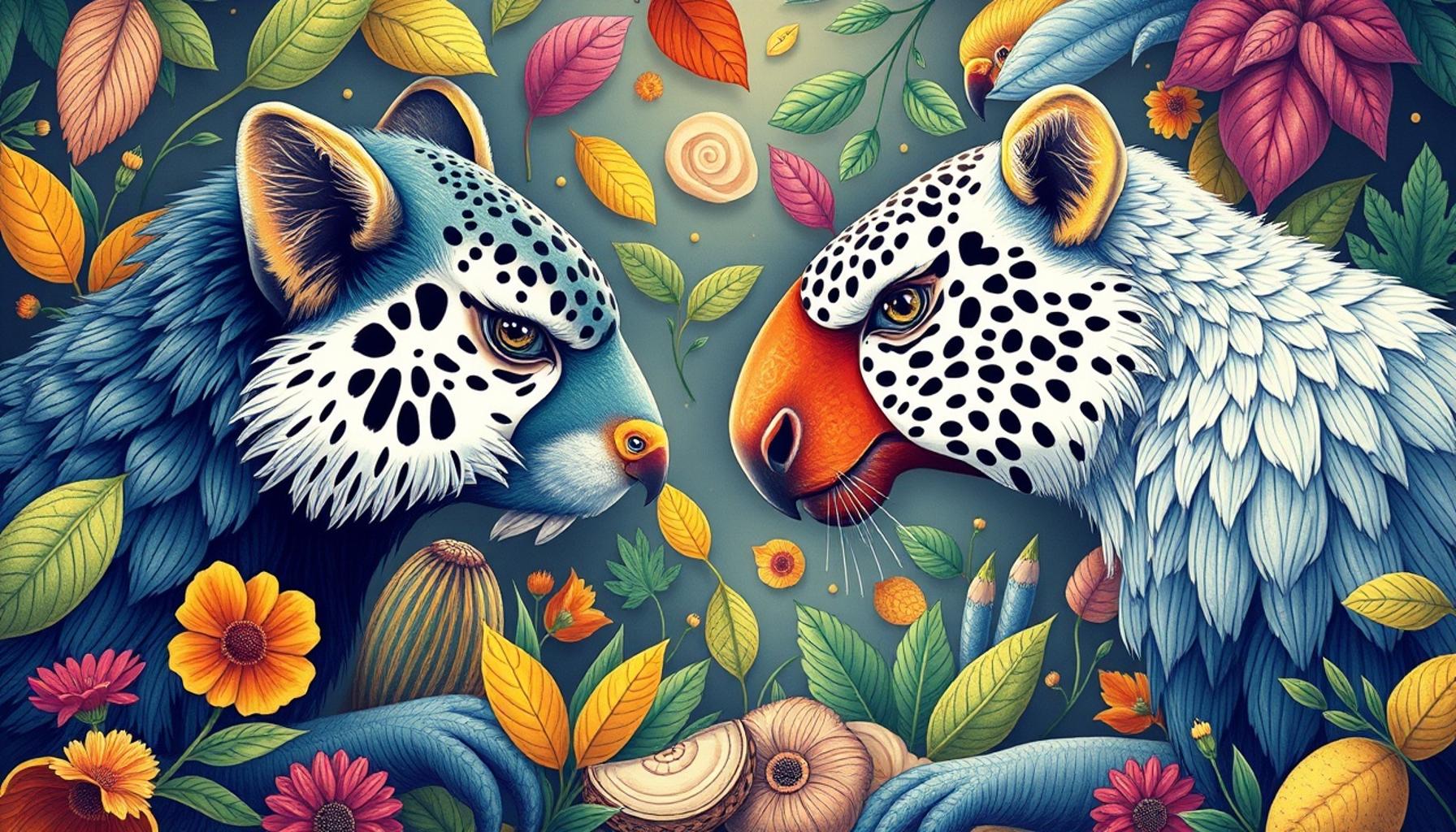
Exploring Pet Relationships
The world of pets offers a fascinating glimpse into the dynamics between various species. Understanding how different pets interact can reveal unexpected benefits and enrich our lives. Investigating these interactions is not only intriguing but also essential for pet owners seeking harmony in a multi-pet household. Pets can form unexpected bonds that often defy traditional views, leading to deeper insights into animal behavior and even enhancing the human experience.
Key Dynamics of Inter-species Interactions
- Social Learning: Pets can learn from one another, improving behavior and enhancing skills. For instance, a clever dog may teach a less experienced pet how to navigate obstacles, or a cat may show a new puppy how to behave around humans. This learning process not only strengthens their bond but also fosters a sense of community among pets.
- Companionship: Different species often provide unique forms of companionship, combating loneliness. A dog may bring out a playful side in a shy cat, while a rabbit might engage the curiosity of a bored hamster. Such interactions can create a dynamic social environment that benefits all involved.
- Health Benefits: Interacting pets can promote physical activity and mental stimulation. For example, dogs may encourage cats to play more actively, which can lead to improved physical health across both species. Regular play can alleviate obesity and increase lifespan, making a multi-pet household healthier overall.
For example, dogs and cats are often seen together, creating a captivating dynamic that breaks down traditional perceptions. The rapport between these species can lead to richer, more fulfilling relationships not only within the pet community but also for their human counterparts. Sharing a home with both dogs and cats can foster an environment of mutual respect and cooperation, illustrating that differences can be more than just obstacles—they can enhance life together.
Understanding the Benefits
- Reduced Stress: Watching pets engage with each other can lower anxiety levels for their owners. Studies suggest that observing pets can release oxytocin, the “feel-good” hormone, which promotes relaxation and decreases feelings of loneliness.
- Enhanced Social Skills: Pets that coexist can develop better communication skills, benefiting all. For example, a dog that regularly interacts with a cat may learn to be gentler during play, while the cat may gain confidence and become more sociable.
- Collaborative Play: Multi-species playtime fosters creativity and physical engagement. A classic example is the energetic game of chase where a dog pursues a cat, encouraging both to engage physically while also establishing their boundaries in a fun and playful manner.
Delving into the interaction between different species of pets opens up a treasure trove of insights. From forming emotional bonds to enriching the lives of both pets and their human companions, these relationships are valuable and warrant exploration. By nurturing these connections, pet owners can create a joyful and balanced environment for their furry and feathery friends. Observing these interactions not only enhances our understanding of animal behavior but also strengthens our own connections with them, showcasing the profound lessons that come from embracing diversity in our homes.
The Complexities of Multi-Species Households
In a world where pets can range from playful puppies to serene goldfish, the social dynamics between different species of pets reveal a multifaceted landscape of interactions. Understanding these dynamics is crucial for pet owners striving to foster an environment where all pets thrive. The interaction between different species of pets often reflects not just individual personalities, but also broader behavioral trends that can lead to both harmony and occasional conflict.
Common Pet Pairings and Their Interactions
When we consider the interactions among pets, it’s essential to recognize the common pairings found in many households. A classic combination is the household of dogs and cats, which often serves as a primary example of inter-species dynamics. While traditional beliefs suggest that these two animals are natural enemies, many dog-cat households demonstrate that shared living can lead to understanding and even affection.
- Dogs and Cats: The perceived rivalry between dogs and cats often overshadows the potential for companionship. Many cats exhibit behaviors such as grooming or affectionate head-butting towards dogs, illustrating that mutual respect can foster a peaceful relationship. Observing these interactions can showcase their unique communication styles and help owners identify and encourage positive exchanges.
- Rabbits and Guinea Pigs: These small mammals can make surprisingly compatible companions. Their social nature allows them to engage in play and exploration together, even sharing living spaces. Owners often report that their rabbits initiate playful chases that delight both creatures, showcasing their ability to bond through shared activities.
- Birds and Cats: Contrary to instincts suggesting predation, some cats can coexist peacefully with pet birds under supervision. By providing structured introductions and safe environments, these interactions can result in fascinating social dynamics, where cats observe birds and sometimes even become protective, rather than aggressive.
Each of these pairings demonstrates that despite inherent differences, pets can engage in meaningful ways that enrich their lives. Shared environments foster complexity in social behaviors, leading to playful interactions and cooperative lifestyles that enhance their emotional well-being.
Benefits of Positive Inter-Species Interactions
The advantages of fostering relationships between different species go beyond mere coexistence. Engaging in a multi-species environment can yield significant benefits for pet owners and their pets alike:
- Increased Emotional Fulfillment: Witnessing pets develop connections can bring joy and a sense of accomplishment to owners, often creating a deeper emotional investment in their pets’ well-being.
- Behavioral Enrichment: Interacting with other species can alleviate boredom and reduce behavioral issues such as excessive barking or anxiety-driven actions in both dogs and cats.
- Learning Opportunities: Pets imitating one another can lead to the development of positive behaviors, where a dog may learn from a cat’s calm demeanor or vice versa, promoting a balanced household.
As pet owners delve deeper into the intricacies of their pets’ interactions, they discover the profound and unexpected lessons that come from embracing a diverse pet environment. Understanding the dynamics of inter-species interactions not only enhances the lives of pets but also enriches the experiences of their human companions. By fostering these relationships, owners can build an engaging and harmonious multi-pet household that promotes overall wellbeing for everyone involved.
The Interaction Between Different Species of Pets: Dynamics and Benefits
The dynamic relationships between different species of pets offer intriguing insights into animal behavior and companionship. Livestock, canines, felines, and even small mammals can coexist harmoniously under the right conditions, leading to numerous benefits for the animals and their owners. These multi-species households promote enhanced socialization, allowing pets to develop crucial social skills.
One of the most fascinating aspects of these interactions is the diversity of communicative behaviors exhibited among different species. For instance, a dog may understand feline body language, helping to foster a peaceful coexistence where both animals can thrive. Considering the vulnerabilities that different species may face, such as isolation, the presence of another species can mitigate feelings of loneliness, thus improving their emotional well-being.
In addition to emotional benefits, the cohabitation of multiple species can lead to improved physical health. For example, a vigorous play session between a dog and a cat can promote exercise for both animals, leading to reduced obesity risks and encouraging a healthier lifestyle. Moreover, pet owners often benefit from the companionship of multiple pets, which can alleviate stress and enhance their overall quality of life.
| Category 1 | Category 2 |
|---|---|
| Social Interaction | Facilitates learning of appropriate social behavior among pets |
| Emotional Support | Reduces feelings of loneliness and anxiety in pets |
| Physical Activity | Encourages active lifestyle for better health |
Understanding the dynamics involved in multi-pet households paves the way for better pet ownership practices. The benefits extend beyond individual pets, enriching the lives of owners as well. With careful management and observation, pet lovers can create an environment ripe for learning, interaction, and mutual growth among their beloved animals.
Enhancing Dynamism through Social Structure
The dynamics of multi-species households are not just about coexistence, but are deeply influenced by social structures and hierarchies established within the pet community. Understanding these frameworks can help pet owners nurture healthier interactions, leading to a more cohesive living environment.
Establishing Hierarchies in Pet Households
In homes where different species cohabitate, a hierarchy often emerges, influenced by factors such as size, temperament, and socialization history. Hierarchy isn’t just about dominance; it’s about understanding roles and responsibilities within the household, which can help reduce conflicts.
- Predictable Roles: In a mixed-species environment with both dogs and cats, dogs often assume the role of protectors, while cats may play the role of observers. Recognizing these roles can lead to better management of their interactions, as owners understand which behaviors are inherent to each species.
- Complementary Behaviors: A dog’s energetic disposition might seem counter to a cat’s reserved nature, but these differences can complement each other. For example, an energetic dog can stimulate a shy cat to explore and engage, while the cat’s calm demeanor can teach the dog patience and gentleness.
Encouraging pets to embrace their designated roles helps in minimizing territorial disputes and anxiety-induced aggressive behavior, allowing a thriving coexistence.
Environmental Enrichment through Cooperative Play
Creating opportunities for cooperative play among different species is vital for enhancing their emotional and mental well-being. Interaction not only strengthens bonds but also provides essential stimulation and allows pets to engage in critical social skills development.
- Shared Activities: Incorporating activities that encourage collaboration, such as joint training sessions or interactive toys that cater to both dog and cat, can boost engagement. This not only stimulates their minds but also reinforces positive group dynamics.
- Joint Exploration: Encouraging pets to explore shared spaces, like the backyard or a designated play area, can lead to greater comfort and familiarity among the species. For example, a dog and rabbit duo may enjoy rabbit-proofed areas that allow safe exploration for both creatures, reducing anxiety and promoting companionship.
Providing environments where different pets can engage in wholesome cooperation creates a stimulating atmosphere, enriching their daily lives, and ensuring stable emotional states.
Potential Challenges and Solutions
While the benefits of multi-species interactions are vast, challenges can arise. Observing pets’ behaviors is critical to managing conflicts and fostering positive interactions.
- Signs of Conflict: Being alert to body language can prevent escalation. For instance, when dogs display excessive excitement around a cat, the cat may react with defensive behaviors. Early intervention can help establish boundaries and maintain peace.
- Establishing Safe Zones: Creating specific areas where each pet can feel secure can mitigate tension. If a cat needs a quiet space away from an overly playful dog, providing vertical spaces or separate rooms allows cats to escape when needed.
By proactively addressing potential issues and promoting a harmonious environment, pet owners contribute to an enriching habitat that allows diverse species to flourish together, highlighting the incredible potential for connection between different pets.
Conclusion
In conclusion, the interaction between different species of pets presents a fascinating and complex dynamic that has potential benefits far beyond mere coexistence. By understanding the social structures and hierarchies that emerge in mixed-species households, pet owners can foster a more harmonious living environment. Recognizing and establishing predictable roles among pets can dramatically reduce conflicts and enhance their relationship, allowing for a thriving household.
The incorporation of cooperative play into their daily routines is essential for boosting the emotional and mental well-being of pets. Engaging pets in shared activities cultivates stronger bonds and fosters the development of vital social skills. Moreover, the establishment of safe zones and careful observation of body language are crucial steps in mitigating potential challenges, ensuring that each pet feels secure while contributing to a balanced household.
As the trend of multi-species pet ownership continues to rise across the United States, deeper exploration into these interactions is vital. It allows owners to appreciate the unique dynamics present in their homes, ultimately enriching the lives of all involved. Therefore, embracing the diversity of our beloved companions not only enhances their quality of life but also offers insightful lessons about cooperation, companionship, and the beauty of living harmoniously with different species. The journey of multi-species interaction is indeed a promising adventure filled with endless possibilities and profound rewards.


 Beatriz