

The relationship between environmental stress and dog behavior: how changes in the home affect the animal
Environmental changes significantly impact dog behavior, with stressors such as noise, shifting routines, and altered family dynamics contributing to anxiety and emotional distress. Recognizing these influences helps pet owners create nurturing environments, fostering well-being and strengthening the bond between dogs and their families.

Play behavior in felines: the importance of play for the well-being and mental health of cats
Play is essential for the well-being and mental health of cats. It promotes physical fitness, mental stimulation, stress relief, and strengthens the bond between cats and their owners. Engaging in regular play helps prevent obesity, behavioral issues, and fosters social skills, enhancing the overall quality of life for felines.

The body language of dogs: understanding the signs of happiness and stress
Dogs communicate complex emotions through body language, with clear signs of happiness like wagging tails and relaxed postures, and signals of stress such as cowering and pacing. Understanding these cues is essential for fostering a positive bond and ensuring the well-being of your canine companion.

The influence of hunting instinct on the behavior of domestic cats: how it affects their interactions with toys and humans
Domestic cats retain strong hunting instincts that significantly influence their behavior and interactions with toys and humans. By understanding these instincts, owners can better engage their cats through play, fostering mental stimulation and strengthening their bond while enhancing overall well-being and reducing anxiety.

The influence of diet on the behavior of dogs and cats: how nutrition affects pets’ personality
Discover how nutrition significantly influences the behavior and personality of dogs and cats. A balanced, nutrient-rich diet can enhance emotional well-being, reduce anxiety, and improve temperament. By understanding the link between diet and pet behavior, owners can foster happier, healthier relationships with their furry companions.

The impact of aging on dog behavior: how age alters habits and emotional needs
As dogs age, their behavior and emotional needs change significantly, influenced by physical limitations and cognitive decline. Pet owners must adapt to these shifts to enhance their aging dogs’ quality of life through routine adjustments, mental stimulation, and emotional support, fostering a deeper bond during their senior years.

The role of genetics in the behavior of dogs and cats: how inheritance influences personality traits
Genetics significantly shapes the behavior and personality traits of dogs and cats, influencing traits like sociability, energy levels, and trainability. Understanding these inherited characteristics, alongside environmental factors, enables pet owners to nurture better relationships and create supportive environments for their furry companions, leading to healthier and happier lives.

The influence of positive training on the long-term behavior of dogs and cats: how reinforcement techniques shape pets’ personalities
Positive training through reinforcement techniques profoundly impacts the long-term behavior and personalities of dogs and cats. By fostering trust, enhancing emotional well-being, and promoting better social interactions, positive training methods create resilient pets and strengthen the bond between pets and their owners. This approach shapes healthier, happier animals.

The impact of loneliness on dog behavior: how the lack of social interaction affects the mental health of pets
Loneliness significantly impacts dog behavior, leading to anxiety, destructive actions, and health issues due to a lack of social interaction. Understanding these effects is crucial for pet owners to ensure their dogs’ mental health. Regular engagement and socialization can promote well-being and prevent the adverse consequences of isolation.
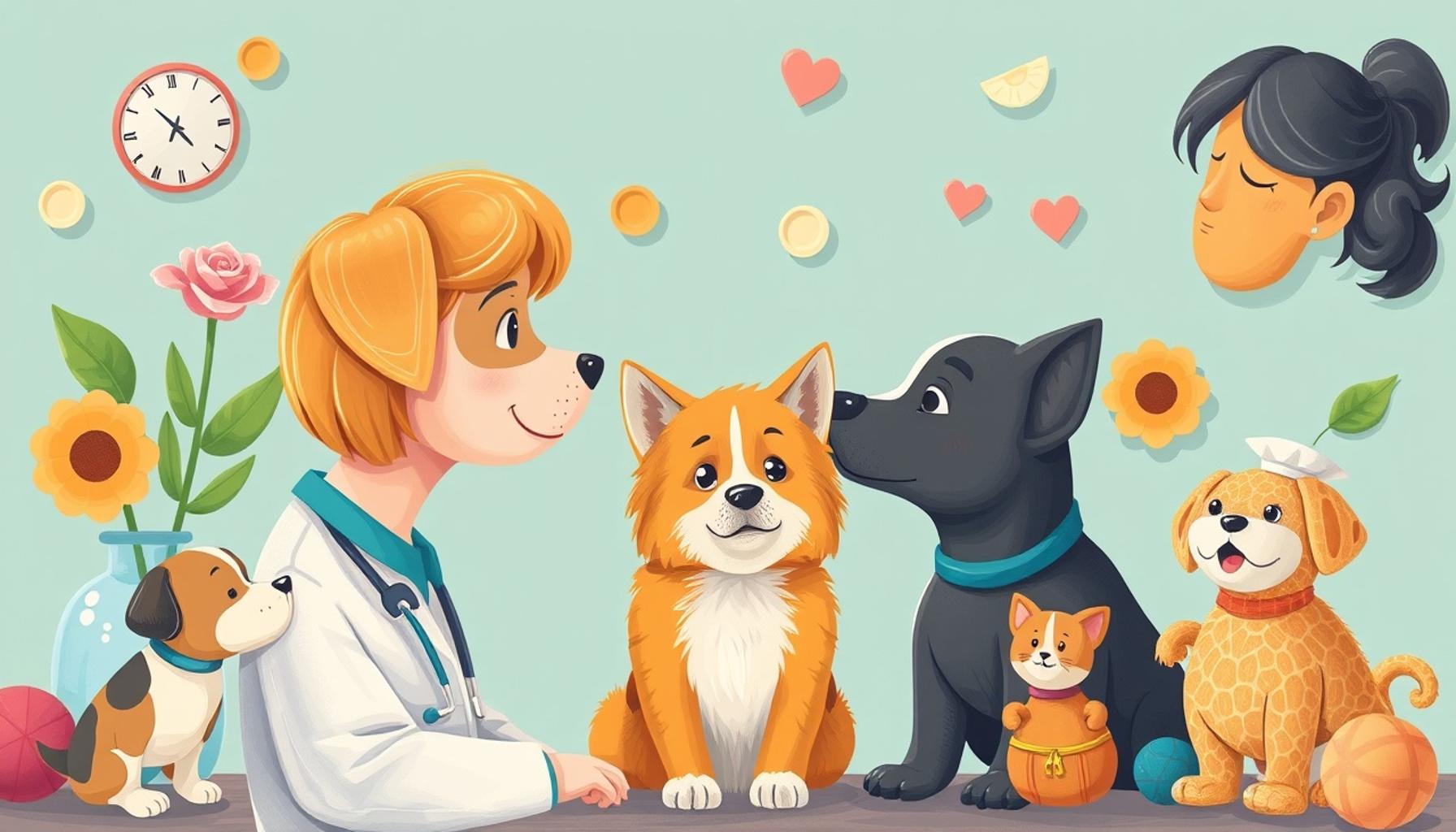
The importance of communication between pets and humans: how to understand the emotional needs of pets
Effective communication between pets and humans is vital for understanding their emotional needs. By recognizing non-verbal cues, routines, and environmental factors, pet owners can significantly enhance their pets’ well-being and deepen their bonds. This journey fosters trust, reduces anxiety, and ultimately enriches the companionship between animals and humans.