
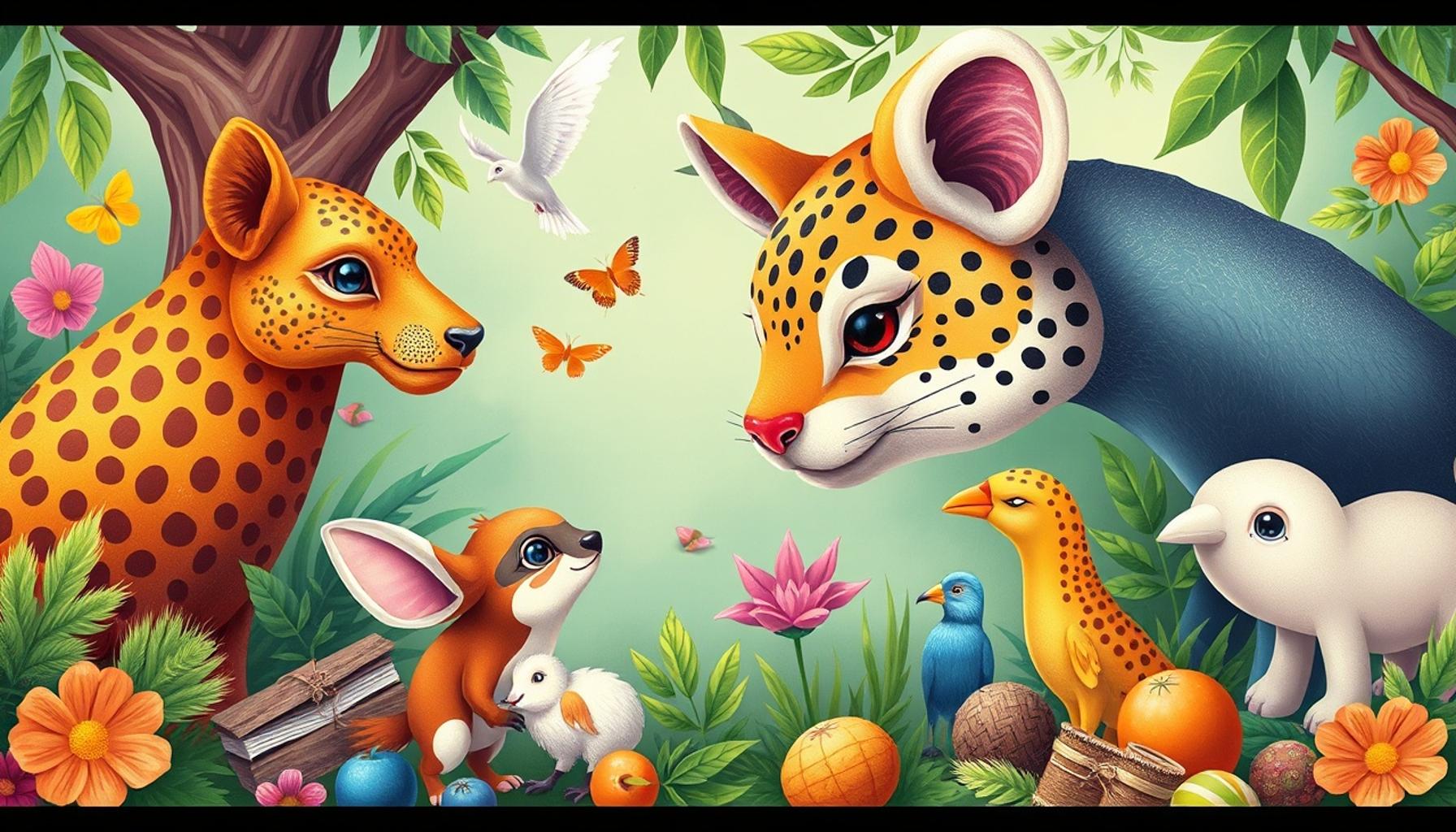
Exploring the Unique Nexus of Pets and Early Learning
The world of early childhood education is evolving, and one intriguing element is the diversity of pet species that children encounter. This interaction can significantly influence developmental outcomes and nurture empathetic behavior in young minds. Understanding how various pets contribute to learning environments is essential for educators and parents alike.
Consider the potential benefits of integrating different pets into educational settings. One of the most compelling advantages is that it promotes responsibility. When children are tasked with caring for a pet, whether it’s feeding them, cleaning their habitat, or learning about their needs, they gain valuable life skills. For example, a class might adopt a hamster, which requires daily feeding and regular habitat cleaning. This responsibility not only fosters a sense of accountability but also teaches children the importance of commitment and nurturing.
Another significant facet is how the presence of animals enhances social skills. Interacting with pets can encourage teamwork and communication among children. In a classroom setting, group activities involving a dog, such as taking turns to walk the pet or training it to perform tricks, cultivate collaboration. These interactions promote dialogue and problem-solving skills as children learn to work together towards common goals.
Moreover, pets play a crucial role in stimulating emotional development. Having animals around can help children articulate and process their emotions. For instance, children may find comfort in petting a cat during stressful times, thereby learning to manage anxiety and develop emotional regulation. In therapeutic settings, trained therapy dogs are frequently used to offer comfort and support, helping children express themselves in ways they might struggle with otherwise.
Research indicates that exposure to a variety of animal species, from traditional dogs and cats to more exotic options like reptiles and birds, can create a richer learning experience. These interactions not only spark curiosity but also enhance creativity and critical thinking among preschool-age children. For example, a unit focusing on the life cycle of butterflies allows children to observe metamorphosis first-hand, deepening their understanding of biological processes.
In the United States, many educational curriculums are beginning to integrate animal-assisted learning strategies. This raises important questions about the best practices for incorporating pets into early childhood education settings. It’s crucial to consider safety, hygiene, and animal welfare while fostering learning goals. Educators might conduct workshops on how to behave around pets or develop rules for interactions to ensure that both children’s welfare and learning objectives are met.
Ultimately, blending pets into early learning environments presents an impressive opportunity to develop various essential traits in children. As these educational models continue to evolve, further exploration into the benefits and challenges of animal integration is a topic worthy of ongoing research and discussion.
Unpacking the Educational Benefits of Varied Pets
The interaction between diverse pet species and early childhood education presents a plethora of advantages that extend beyond mere entertainment. As educational leaders increasingly explore the impact of animals in learning environments, the spotlight shines on how different species foster educational growth. The incorporation of various pets into teaching can catalyze essential skills, making learning both engaging and memorable for children.
One essential aspect of integrating pets into classrooms is the opportunity to enhance sensory experiences. Children learn through exploration, and animals provide a unique avenue for engaging their senses. The texture of fur, the sound of chirping birds, or the slithering of a snake contribute to a tactile learning approach that traditional methods often lack. Sensory-rich environments stimulate cognitive growth, as children connect what they observe in nature with broader concepts taught in the classroom.
Moreover, animal diversity introduces children to the importance of biodiversity and ecological awareness. Species like rabbits, guinea pigs, and even fish contribute to discussions about habitats, lifecycles, and environmental stewardship. For instance, when children care for a classroom aquarium, they can monitor water quality and discuss the roles of aquatic life. This hands-on experience fosters a sense of responsibility towards the planet and encourages budding environmentalists from a young age.
Promoting Inclusivity Through Animal Interaction
Engaging with a variety of pet species also promotes inclusivity in early education settings. Different children may relate to animals in unique ways. Some may feel a profound connection to more common pets like cats and dogs, while others might find excitement in learning about exotic creatures such as iguanas or tarantulas. By creating a diverse pet-inclusive curriculum, educators can cater to varied interests and cultural backgrounds. This approach not only respects differences but also encourages open-mindedness and acceptance among peers.
Fostering Critical Life Skills
In addition to emotional and social growth, various pets can help children cultivate critical life skills such as problem-solving and decision-making. Through responsible pet ownership, children encounter real-world challenges, requiring them to think critically about their pet’s well-being. Children might face situations such as determining available food choices for their hamsters or recognizing signs of distress in a parakeet. These scenarios promote analytical thinking as children weigh options and consequences.
- Adopting a pet project: This could involve researching the needs of different species, ultimately choosing a pet that provides the most learning opportunities for the class.
- Weekly observation journals: Children can document their interactions with various pets, analyzing behaviors, and charting growth and changes over time.
- Guest speakers: Inviting veterinarians or animal caretakers to share insights can bridge classroom learning with real-world experiences.
As the integration of animal-assisted education continues to gain traction, exploring the connection between diverse pet species and early childhood education remains essential. Educators and parents alike should appreciate the multifaceted benefits these interactions can provide, paving the way for more socially aware, responsible, and emotionally intelligent future generations.
| Category | Details |
|---|---|
| Social Skills Development | Interactions with a variety of pets teach children empathy, cooperation, and communication skills. |
| Cognitive Growth | Engaging with different species stimulates curiosity and problem-solving abilities among young learners. |
As we explore the importance of The Interaction between Diversity of Pet Species and Early Childhood Education, it’s crucial to consider the emotional and educational benefits provided through this interaction. Children who engage with a range of pet species experience a unique platform for enhancing their social skills. Such interactions foster a sense of empathy, where kids learn to recognize and respond to the feelings and needs of another living being. Moreover, the cooperative efforts required in caring for different pets can enhance their teamwork and communication skills, both invaluable for personal development. On the cognitive front, children benefit immensely from exposure to diverse animal species. According to various studies, handling and caring for pets can significantly boost a child’s cognitive capabilities, such as problem-solving and critical thinking. By learning about various animals—like how each one has different needs, behaviors, and signals—children become more inquisitive, prompting them to ask questions and seek answers about their environment.Implementing educational programs incorporating pet interaction not only enriches childhood education but also prepares children to navigate a world teeming with diversity—among people and between species.
Enriching Emotional Intelligence Through Diverse Animal Interactions
The significance of emotional intelligence in early childhood education cannot be overstated, and the presence of varied pet species plays a pivotal role in nurturing this vital facet of development. Animals are innately connected to expressions of emotion, and children often mirror their interactions with pets in their daily lives. By fostering empathy through these connections, educators can cultivate a generation that appreciates and understands the feelings of others.
For instance, children who interact with pets such as dogs or rabbits learn to recognize and interpret body language, both of animals and their peers. This interaction encourages children to be sensitive to the emotions of others. A study published in the Journal of Veterinary Behavior highlighted that children who care for pets demonstrate higher levels of empathy than those who do not engage in animal care. Such findings suggest that pets can act as effective conduits for emotional learning, allowing students to explore complex social dynamics within a safe environment.
Tailoring Learning Experiences to Individual Needs
Different pets not only engage children in varied ways but also allow for tailored learning experiences. Educators can harness the unique characteristics of each species to implement diverse teaching strategies. For instance, while a hamster might be ideal for discussions about habitats and responsible care, birds can inspire lessons on communication and sound recognition. By accommodating different learning styles, educators can foster a more inclusive and personalized educational journey.
- Interactive Storytelling: Children can create stories around their favorite pets, integrating elements of both creative writing and animal care, which encourages imagination and literacy skills.
- Art Activities: Introducing crafts such as drawing or painting pets helps to integrate visual arts into the curriculum while also stimulating fine motor skills.
- Team Projects: Group activities centered around caring for multiple pets bolster collaboration and teamwork. For instance, children might work together to design a habitat for an exotic pet, promoting cooperative learning.
The adaptability of various species enhances not only emotional engagement but also cognitive flexibility. Research indicates that exposure to diverse animals can improve attention spans and encourage innovative thinking among children. When a child is confronted with the unique needs of a pet, such as understanding its dietary requirements or environmental preferences, they practice adaptability—an essential skill in today’s rapidly changing world.
Encouraging Responsibility and Accountability
Moreover, owning or caring for pets instills a profound sense of responsibility and accountability in young learners. Activities like feeding, grooming, and monitoring the health of different species require children to develop schedules and routines. These responsibilities not only foster independence but also facilitate an understanding of consequences, as children observe the impact of their actions on an animal’s well-being.
By integrating pet care into classroom activities, educators can create a sense of ownership among students, allowing them to witness firsthand the importance of commitment. Additionally, the joy of seeing an animal thrive due to their caregiving efforts creates a positive feedback loop that reinforces desirable behaviors.
In the context of early childhood education, the interaction between diverse pet species and young learners creates a robust framework for emotional, cognitive, and social growth. This multidimensional approach not only enriches the educational experience but also prepares children for future challenges in a compassionate and informed manner. As educators delve deeper into these interactions, the benefits for fostering well-rounded individuals become increasingly apparent.
Transformative Outcomes of Pet Diversity in Early Education
In conclusion, the interaction between diverse pet species and early childhood education offers rich, transformative outcomes for young learners. Not only do these interactions promote emotional intelligence, but they also cultivate critical skills such as responsibility, adaptability, and collaborative teamwork. By incorporating various animal species into educational environments, educators tap into a unique resource that enhances the learning experience, truly making it a multidimensional journey.
Children engaged with pets develop an understanding of empathy as they learn to care for creatures with varying needs and personalities. This exposure not only helps to build emotional awareness but also fosters a sense of accountability that translates into positive behaviors in other spheres of life. Moreover, the opportunity to create personalized learning experiences around pets enables educators to meet diverse learning styles, encouraging deeper engagement and creative expression.
As research continues to unveil the benefits of integrating pet care into curricula, it becomes clear that enriching childhood education with varied animal interactions holds the potential to cultivate a compassionate, skilled, and responsible generation. As we look ahead, it’s vital for educators and policymakers to consider these outcomes, advocating for broader implementation of pet education programs in schools and community settings. Such initiatives could reshape not only classroom dynamics but the very fabric of how we nurture our future leaders. This exploration of the interaction between diversity in pet species and early education may just lead to a profound shift in cultivating empathy and innovation in the younger generations of America.


 Beatriz