
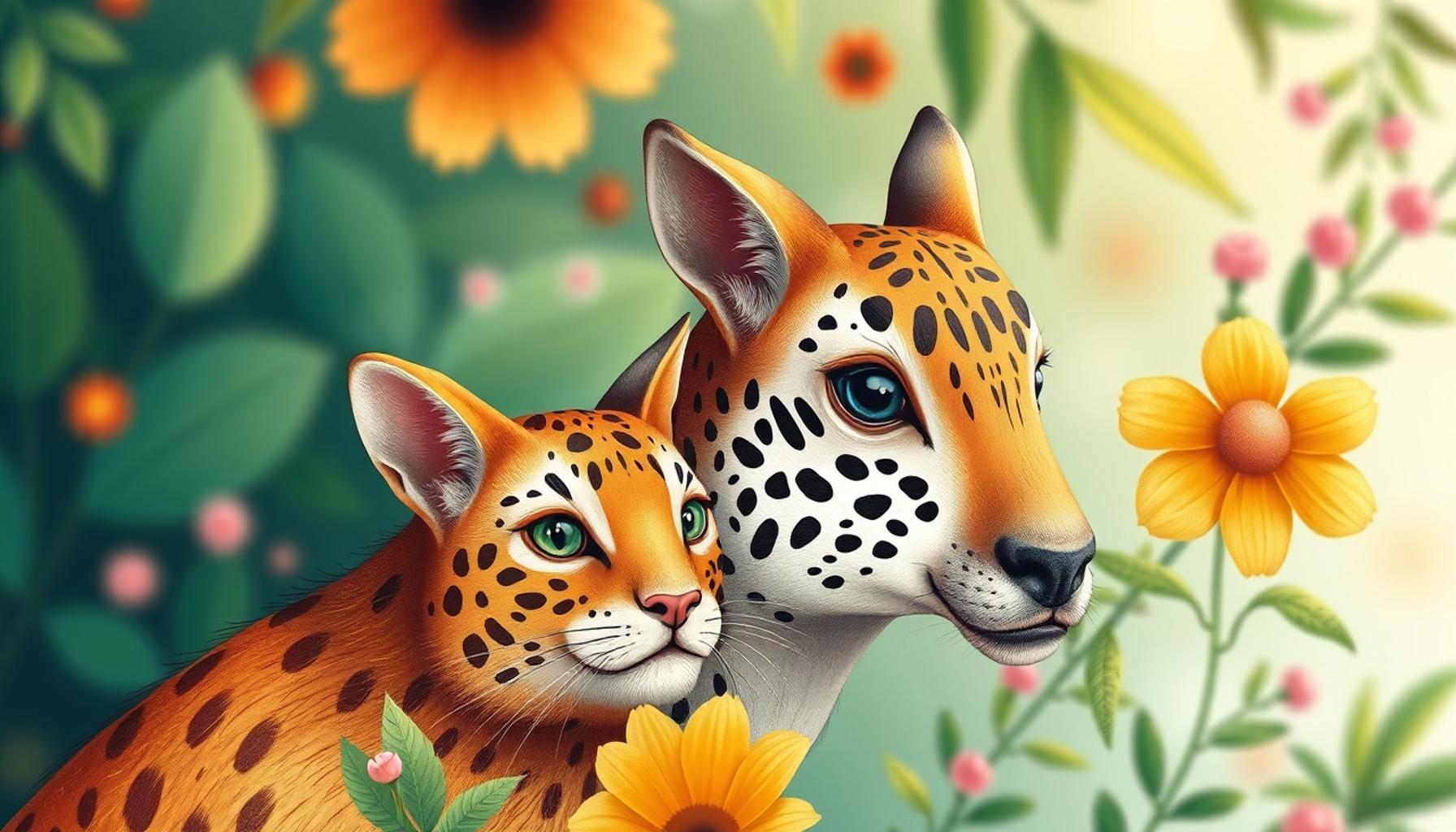
Exploring the Multifaceted Benefits of Pet Species Diversity
Pets are more than just companions; they bring a remarkable variety of benefits to our lives. The diversity of species in our homes can influence not only our mental and emotional health but also our overall well-being. As we explore the significance of having multiple types of pets, we uncover the unique advantages each species offers. The interactions between humans and pets extend beyond companionship, fostering a deeper understanding of responsibility, empathy, and even joy.
Why Species Diversity Matters
Consider the different ways that a diverse array of pets can enhance human life:
- Emotional Support: Different pets provide distinct forms of companionship that can cater to various emotional needs. For instance, dogs often offer unconditional affection and loyalty, while cats may provide a sense of comfort with their independent yet affectionate demeanor. Birds can uplift moods with their colorful personalities and songs, and small animals like rabbits and guinea pigs can be soothing to hold, creating a unique bond that differs from that of larger pets.
- Activity Levels: Each species comes with its own activity requirements, promoting a more active lifestyle among pet owners. For example, owning a dog often means daily walks, which contribute to cardiovascular health, while energetic breeds can encourage outdoor play. Conversely, smaller pets like hamsters or reptiles may require less physical activity from their owners, allowing for engaging activities that don’t demand much movement, but still provide fulfillment in their care.
- Learning Opportunities: Interacting with a variety of pets fosters lifelong learning about animal care and behavior. Pet owners can learn the intricacies of dog training, understand the different dietary needs of fish, and appreciate the unique habitats required for reptiles and amphibians. Such knowledge encourages responsible pet ownership and nurtures a sense of curiosity and respect for all living beings.
Statistics indicate that almost 67% of American households own a pet, highlighting the popularity of diversity in pet ownership. This extensive engagement with various species can lead to unexpected benefits, including enhanced social interaction. Many pet owners connect through community events or social media groups centered around specific species, allowing for friendships to blossom over shared interests.
Moreover, research has demonstrated that pet ownership can lower stress, anxiety, and depression rates. The simple act of petting a dog or cat can trigger the release of oxytocin, known as the ‘love hormone,’ fostering feelings of happiness and contentment. This phenomenon applies to all species, illustrating the universal emotional benefits pets provide, regardless of their type.
In this article, we will delve into key benefits associated with species diversity in pets, ultimately emphasizing how this variety correlates with improved human well-being. Join us as we uncover the profound impact your furry, feathered, or scaly friends can have on your life, ultimately enhancing our quality of life and creating a more vibrant, interconnected society.
The Unique Advantages of Diverse Pet Companions
Embracing a diverse range of pets brings forth not only joy and companionship but also a plethora of benefits that can significantly enhance human well-being. Each species offers its unique characteristics, behaviors, and interactions that contribute to our emotional and psychological health. Understanding these differences and the richness they bring can lead to a more fulfilling pet ownership experience.
The Emotional Landscape of Pet Ownership
One of the most striking advantages of having a variety of pets is their ability to cater to different emotional needs. The presence of various species enriches our lives in multiple ways:
- Companionship: Dogs are renowned for their loyalty and companionship, providing a feeling of security and warmth. Their playful nature encourages social interaction and outdoor activity, which is essential for mental health. In contrast, cats often nurture a calmer, more introspective bond, allowing owners to relax and find comfort in their soothing presence.
- Variety of Interactions: Birds, with their vibrant colors and lively songs, stimulate our senses and can elevate our moods. Small pets, such as guinea pigs and hamsters, offer gentle companionship that is both nurturing and entertaining. Each species’ distinct interaction demands helps us understand and appreciate the diversity of life.
- Therapeutic Effects: Studies have shown that the act of caring for pets can lead to decreased feelings of loneliness, enhanced emotional connections, and improved mental health. The simple act of petting an animal releases endorphins and reduces stress levels, creating an invaluable source of comfort during tough times.
Moreover, the emotional benefits are not limited to the relationship alone. Research from the Human-Animal Bond Research Institute indicates that pet ownership can lower cortisol levels, the hormone primarily associated with stress. This finding highlights the immense therapeutic value pets can provide to those struggling with mental health issues.
Cognitive Growth and Lifelong Learning
The diversity of species in our homes also opens up avenues for learning and growth. Engaging with various pets encourages a deeper understanding of responsibility and care. Such engagement includes:
- Animal Behavior: Each species exhibits unique behavioral traits, which encourages owners to study and learn about their specific needs and habits. This knowledge enhances responsible pet ownership, fostering empathy and respect for all living creatures.
- Different Care Requirements: Owning multiple species teaches pet owners the diverse care protocols for each—all from dietary needs to habitat specifications. This breadth of knowledge can inspire a lifelong journey of education and appreciation for animal welfare.
- Community Involvement: Pet owners often find themselves part of communities dedicated to particular species, promoting social interaction and a sense of belonging. Whether through local clubs, adoption events, or social media groups, these connections encourage shared learning experiences.
As we realize the far-reaching benefits of species diversity among pets, it’s evident that these varied companions not only fulfill emotional needs but also foster lifelong learning and strong community ties. This interconnectedness ultimately leads to improved human well-being, revealing that the bonds we cultivate with our furry, feathered, or scaly friends extend beyond mere companionship.
| Category | Benefits |
|---|---|
| Emotional Health | Diverse pets can provide varying emotional support and companionship, enhancing mental well-being. |
| Social Interaction | Engaging with different species encourages social bonds and community connections, vital for human relationships. |
| Physical Activity | Owning various pets often leads to increased exercise through active play and nature walks. |
| Educational Opportunities | Caring for different species fosters learning and awareness about biodiversity and animal welfare. |
Exploring the vast array of pet species can significantly enhance human well-being. The emotional support derived from owning diverse pets is profound, often leading to improved mental health. For example, engaging with pets can reduce stress and anxiety levels. Additionally, social interactions increase with diverse pets; they provide unique stories and experiences that foster connections with others, allowing for a sense of community. Physical activity is another crucial benefit, as walking dogs or playing with cats and even exotic pets encourages a more active lifestyle. Finally, owning different species enriches educational opportunities, promoting understanding of ecological systems and encouraging responsible pet ownership. This diversity not only nurtures one’s soul but also influences a broader appreciation for life, urging many to explore and protect our planet’s rich biodiversity.
The Ripple Effect of Pet Species Diversity on Community and Environment
While the emotional and cognitive benefits of diverse pets are invaluable, the positive impacts extend beyond individual households and weave into the fabric of our communities and the environment. The adoption and care for a broader range of pets can enhance social bonding, promote local economies, and even contribute to wildlife conservation efforts.
Social Bonds through Diverse Pet Interactions
The presence of various pet species can create unique opportunities for social engagement. When pet owners come together through their shared interest, they cultivate a sense of community that transcends differences. Here are several ways this social connection flourishes:
- Pet Events and Gatherings: Dog parks and pet-friendly events draw together people from diverse backgrounds, encouraging interactions that might not occur otherwise. These gatherings foster friendships and even result in support networks for pet care.
- Education and Advocacy: Communities can come together to promote animal welfare through educational initiatives. Events focused on responsible pet ownership and species diversity build awareness, motivate individuals to volunteer, and inspire local action.
- Shared Experiences: The variability among pets leads to a plethora of shared experiences, whether it’s dogs participating in agility trials, cats joining in cat shows, or exotic pets being showcased in local fairs. These events create stories and memories among attendees, strengthening social ties.
Economic Contributions of Species Diversity
Having a diverse range of pets can also stimulate local economies. The pet industry in the United States is burgeoning, with billions spent annually on supplies, services, and veterinary care. This economic activity can be amplified by the variety of pets owned:
- Specialty Services: Diverse species often require specific grooming or healthcare services. The rise in demand for veterinarians who specialize in exotic animals, as well as pet groomers trained in various animal care techniques, fosters job growth and supports local businesses.
- Pet-Related Entrepreneurship: Owners’ enthusiasm for diverse pets can lead to innovative ventures such as specialty pet food brands and niche retail stores catering to specific animal species, thereby enhancing local business landscapes.
- Tourism Opportunities: Relying on diverse pet species can even give rise to tourism, as visitors are often attracted to regions known for exotic pet exhibitions, sanctuaries, or aquariums, enriching the local culture and economy.
The Role of Pets in Conservation and Biodiversity
Interestingly, fostering species diversity among pets also has implications for environmental conservation. By raising awareness around the care of less common pets, owners can contribute to broader conservation goals.
- Educational Outreach: Many pets can serve as ambassadors for their species, inspiring owners and the public to learn more about their natural habitats and conservation status. For instance, owning a tarantula or a lizard can spark an interest in their preservation and the ecosystems they inhabit.
- Support for Conservation Efforts: Engaging pet owners in discussions around threatened habitats encourages support for conservation organizations working to protect wildlife. Pet lovers are more likely to contribute to or advocate for initiatives that promote biodiversity.
- Reducing Impact on Wild Populations: By owning diverse pets responsibly, individuals can decrease the demand for wild-caught animals, thereby alleviating pressure on natural populations and encouraging better practices in the pet trade.
In conclusion, the broad spectrum of companion species offers multifaceted benefits that ripple through our communities and ecosystems. By embracing the wonderful diversity of pets in our lives, we not only enrich our personal experiences but also contribute to a supportive, thriving society and a more sustainable planet.
Conclusion: Embracing a World of Pet Diversity
In summary, the significance of species diversity in pets extends far beyond personal companionship; it profoundly influences human well-being and societal dynamics. The emotional, cognitive, and social benefits derived from interacting with a variety of pets highlight the importance of broadening our understanding of companion animals. By welcoming different species into our lives, we open doors to richer experiences, foster community ties, and create inclusive spaces where diverse individuals can connect.
Additionally, the economic advantages cannot be overlooked. As pet ownership increasingly encompasses a wide spectrum of species, local economies thrive, spurring job creation and innovative entrepreneurship in the pet care industry. This diversity not only supports livelihoods but enriches cultures through various pet-related events and activities.
Moreover, promoting species diversity has significant implications for environmental conservation. By advocating for the responsible ownership of less common pets, individuals can contribute to wildlife preservation efforts, raising awareness of conservation issues while diminishing the pressure on wild populations.
As we continue to engage with a diverse array of pets, we are presented with a unique opportunity to enhance our lives while making a positive impact on our communities and the environment. Thus, understanding and embracing the benefits of pet species diversity is not just an option; it is a vital step towards fostering a healthier, more vibrant society.


 Beatriz