
The Influence of the Diversity of Pet Animal Species on the Socialization of Owners
Pet ownership in the U.S. fosters unique social dynamics as diverse species promote varied interactions among owners. From community events to online forums, pets serve as catalysts for connection, enriching relationships across different backgrounds. This diversity in pet ownership cultivates supportive networks, enhancing socialization and community bonds among animal lovers.
The Diversity of Pet Animal Species and Their Role in Reducing Stress in Work Environments
Many organizations are embracing the diversity of pet animal species in the workplace to reduce stress, enhance employee well-being, and foster creativity. From dogs and cats to fish and small mammals, these animals provide emotional support, encourage social interaction, and contribute to a healthier work environment, boosting overall productivity.
The Evolution of Pet Preferences: How Species Diversity Reflects Cultural Changes
Pet ownership has transformed from utilitarian roles to emotional companionship, reflecting societal values and cultural changes. Preferences for different species highlight individual lifestyles and trends influenced by technology, health consciousness, and environmental awareness, underscoring the deepening bond between humans and pets in modern society.

Adaptation of Pets in Urban Environments: Species That Thrive in Cities
Urban pets, including dogs, cats, and small mammals, showcase remarkable adaptability to bustling city life. By thriving in diverse environments and socializing through pet-friendly infrastructure, these species continue to navigate urban challenges. Understanding their resilience enriches our bond with them and fosters a harmonious coexistence in urban settings.
The Role of Pet Animal Species in Assisted Therapy: Benefits of a Diversified Approach
This article explores how diverse pet animal species enhance assisted therapy by providing emotional support and facilitating healing. By integrating various animals, such as dogs, cats, and even birds, therapy can be tailored to individual needs, improving mental health outcomes and enriching the therapeutic experience.
The Role of Pet Animal Species in Public Health Promotion: A Multispecies Approach
Pet animals significantly enhance public health by promoting physical activity, mental well-being, and social connections. A multispecies approach highlights their vital role in therapeutic settings and community engagement, ultimately fostering healthier lifestyles and enriched emotional support, leading to improved community health outcomes.
The Importance of Species Diversity in Pets: Benefits for Well-Being and Mental Health
Embracing species diversity in pets enhances well-being and mental health by fostering emotional connections and reducing stress. Various pets, from small mammals to reptiles and birds, offer unique companionship that promotes empathy, responsibility, and socialization, ultimately enriching our lives and supporting emotional resilience.
Pet Animal Species and Their Impact on Children’s Creativity: A Diversified Perspective
Pets significantly enhance children’s creativity and emotional intelligence by fostering empathy, imaginative play, and communication skills. Various pet species, from dogs and cats to exotic animals, provide unique catalysts for creative expression, inspiring storytelling and problem-solving. This relationship enriches childhood development and nurtures dynamic self-expression.
Less Common Pet Species: Exploring Options Beyond Traditional Dogs and Cats
Discover the world of less common pet species, offering unique companionship beyond traditional dogs and cats. Explore captivating options like rabbits, reptiles, and birds that suit various lifestyles, provide emotional connections, and enhance understanding of animal care. Embrace the joys and challenges of unconventional pet ownership for a fulfilling experience.
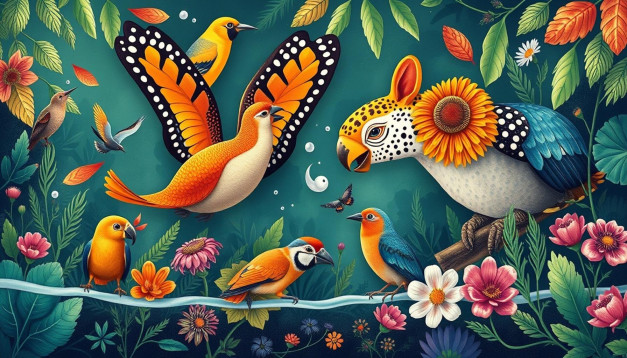
The Impact of Pet Species Diversity on Understanding Biodiversity
The exploration of pet species diversity highlights its crucial role in enhancing our understanding of biodiversity. By observing various pets, we gain insights into ecological systems, promote conservation awareness, and foster community engagement, ultimately inspiring a commitment to protecting both domestic and wild species within diverse ecosystems.