
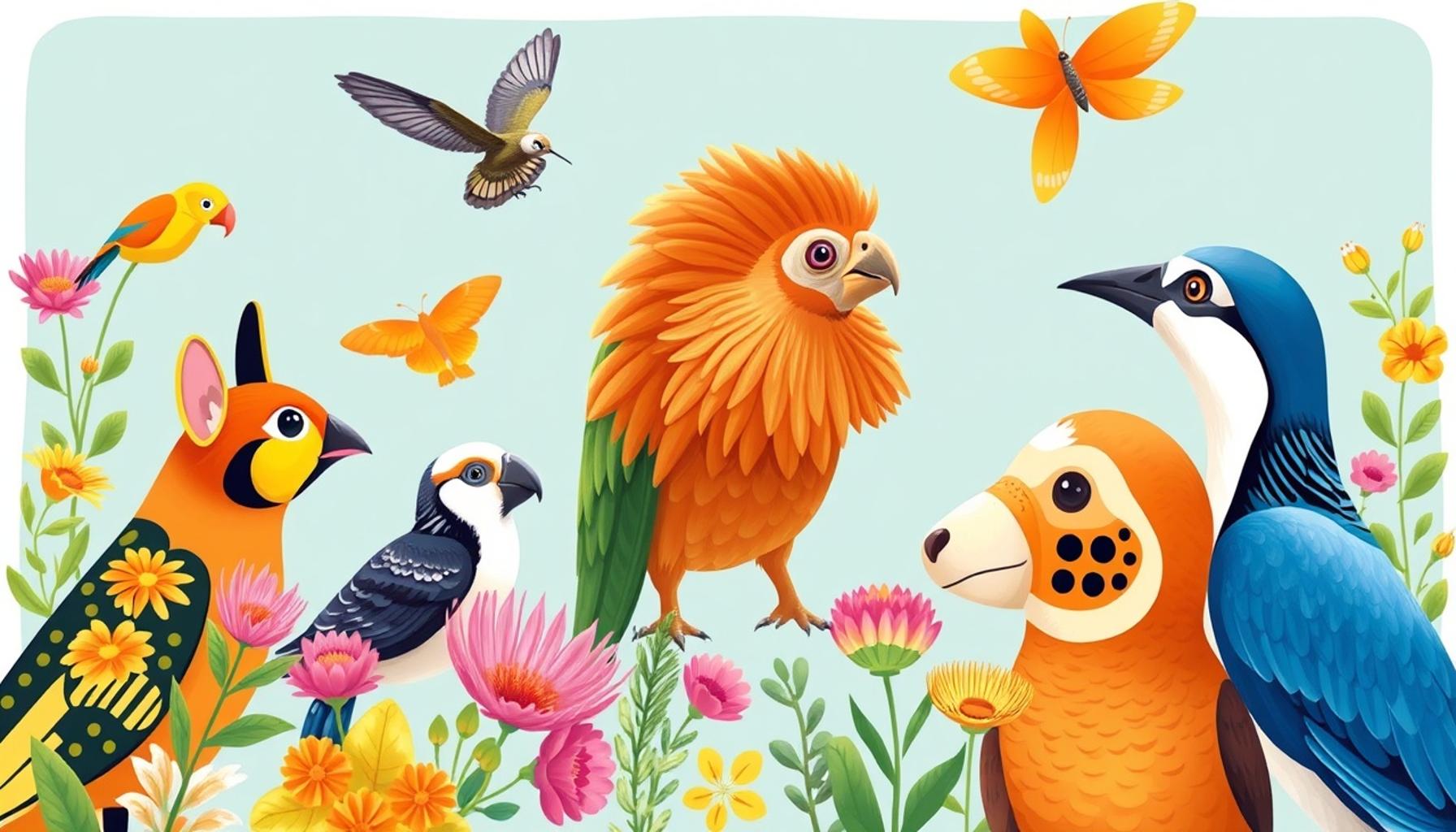
The Benefits of Diverse Pet Ownership
The bond between humans and animals transcends the conventional pet ownership paradigm, encompassing a vast range of species that can profoundly influence our lives. By embracing species diversity in pets, we not only enhance our living environments but also promote emotional resilience and psychological well-being. This expansive view encourages us to explore the emotional rewards of caring for various animals beyond the typical cats and dogs. Each species brings a distinct form of companionship and interaction that can greatly benefit our mental health.
Among the myriad of pet options available, several stand out for their unique contributions to emotional and psychological support. For instance, small mammals like rabbits and guinea pigs are often chosen for their gentle temperaments and playful natures. These pets can alleviate stress through their curious behaviors and by providing comfort during interactions. The simple act of holding a guinea pig or watching a rabbit hop can evoke happiness, releasing endorphins and promoting a sense of calm.
Similarly, reptiles such as snakes and lizards may seem unconventional, but they can provide unique forms of companionship. The act of caring for a reptile can instill a sense of responsibility, while their fascinating behaviors can capture our curiosity and attention. Understanding their needs fosters a deeper bond, allowing for enriched mental engagement and stability.
Another popular group is birds, including parakeets and cockatiels. These creatures not only brighten homes with their vibrant colors and playful songs but also encourage social interaction. Many bird owners find that training their feathered friends and teaching them tricks can be a fun and rewarding activity that enhances personal connections and gives emotional satisfaction.
Let us not overlook the world of fish. Aquatic pets, like goldfish and bettas, offer a fascinating view into a different ecosystem while also promoting a soothing ambiance. Studies have shown that watching fish swim can reduce anxiety levels and improve mood, making aquariums a popular choice for therapeutic environments, including in medical facilities and stress management therapy.
The advantages of having diverse pets extend beyond mere companionship. They include important mental health benefits such as stress reduction, which is increasingly essential in today’s fast-paced lifestyle. Engaging with a variety of pets can lead to increased feelings of happiness, fostering a sense of fulfillment that can spill over into other life areas, such as work and social connections.
The responsibility of caring for pets also encourages routines and responsibilities, which can be particularly beneficial for young children, teaching them empathy and the importance of nurturing. Furthermore, the act of providing care can serve as a grounding routine that enhances one’s overall quality of life.
In conclusion, research indicates that a richer tapestry of pet ownership corresponds to elevated levels of emotionally supportive environments, ultimately enhancing our quality of life. As we continue to explore various species that augment our emotional and psychological growth, the profound impact of embracing a diverse pet landscape becomes increasingly evident. This journey invites pet enthusiasts and novices alike to consider how different types of pets can not only fill our homes but also enrich our hearts and minds.
Exploring the Emotional Spectrum of Varied Pets
As we delve deeper into the emotional landscape that diverse pets can offer, it is essential to recognize the broad spectrum of species diversity available. Each type of pet not only opens doors to different interactions but also enriches our understanding of companionship. The embrace of non-traditional pets demonstrates how creativity in pet selection can lead to significant improvements in mental health and overall well-being.
Engaging with a wide variety of pets brings unique benefits that go beyond mere diversity; it taps into the versatility of human emotions. Consider the following categories of pets:
- Small Mammals: These furry companions often thrive on human interaction. Their small size makes them easy to handle and care for, offering an immediate puckering of joy for pet owners. Research indicates that interacting with small mammals can lead to a significant reduction in stress, providing comfort during tumultuous times.
- Reptiles: The uniqueness of reptiles, ranging from gentle turtles to colorful geckos, captures the fascination of owners. They require different forms of interaction, such as observing their habitat or carefully managing their feeding routines, promoting mindfulness and focus that distracts from daily stresses.
- Birds: Brightly colored and often vocal, birds encourage social behaviors among their owners, enhancing communication skills while providing entertainment with their expressive personalities. Many studies reveal that bird owners experience increased levels of happiness and decreased feelings of loneliness.
- Fish: The tranquility of watching aquatic life swim through a well-maintained tank has a measurable impact on reducing anxiety levels, generally making fishkeeping an excellent option for creating a serene environment.
While these interactions with different pets may seem simple, the psychological impacts can be profound. Regularly caring for various species fosters a sense of routine, which can bring structure and a feeling of accomplishment into our lives. Furthermore, children raised with diverse pets tend to develop a sense of empathy and responsibility that informs their social interactions.
The act of caring for a variety of species enables pet owners to create deeper relationships with their animals. A study conducted by the Human-Animal Bond Research Institute found that pet diversity directly correlates with increased emotional regulation and improved mental resilience in both children and adults. This connection underscores the importance of exploring different types of pets for psychological enrichment.
Throughout the course of life, mental health challenges such as anxiety, depression, and isolation can emerge. Adopting pets from various species can serve as a buffer against these challenges. They create environments filled with joy, curiosity, and companionship that provide much-needed relief from everyday stressors.
In conclusion, embracing a variety of pets is not merely about enhancing companionship; it serves as a proactive approach to cultivating a healthier state of mind. As we continue to uncover the emotional benefits associated with species diversity in pets, it becomes increasingly apparent that our furry, scaly, and feathered companions play a crucial role in our emotional and psychological well-being.
| Category 1 | Category 2 |
|---|---|
| Species Variety | Different species of pets offer unique interactions and emotional benefits. |
| Enhanced Emotional Support | Diverse pets help reduce stress and anxiety, positively impacting mental health. |
| Socialization Opportunities | Engagement with various pets can enhance social skills and community bonds. |
| Physical Activity | Caring for different species encourages exercise, leading to improved well-being. |
The fascinating world of pets unfolds as individuals explore the importance of species diversity. For many, the interaction with different animals breeds psychological benefits. Various species offer novel forms of companionship, ensuring that boredom is kept at bay while providing distinct emotional support tailored to each unique animal’s character. Furthermore, these interactions can dramatically reduce feelings of loneliness, showcasing how a diverse pet experience contributes to overall well-being.Additionally, opportunities for socialization flourish within households that embrace pet diversity. By incorporating pets into daily routines, owners often find themselves engaging with fellow pet lovers, fostering community relationships built on shared interests. This enhanced social fabric directly contributes to improved mental health nuances weaved intricately through the animal-human bond.Also, the responsibility of caring for diverse pets promotes increased physical activity, whether through walking dogs or playing with cats or birds—thus ensuring that the health benefits are not merely emotional but also physical. With such a wealth of advantages found in embracing a variety of pet species, the positive impacts on well-being and mental health are profoundly intertwined, inviting readers to deepen their exploration of this vibrant subject.
Nurturing Bonds: The Power of Engaging with Diverse Species
Beyond the mere presence of varied pets, forming nurturing bonds with them offers a profound layer of emotional and psychological benefits. Engaging with different species expands the toolkit of emotional expression available to pet owners, cultivating connections that enhance our capacity for love, compassion, and care. When managing the specific needs of various animals, pet owners often report experiencing an increase in emotional intelligence, further reinforcing their ability to navigate relationships both with their pets and the people around them.
The nurturing relationships fostered by species diversity can also serve as a form of emotional support. For example, therapy animals typically involve species beyond traditional dogs and cats, including miniature pigs, goats, or even rabbits. These alternative animals often offer equal, if not greater, therapeutic experiences. In fact, a study published in the Journal of Psychosocial Nursing and Mental Health Services revealed that participants in animal-assisted therapies involving diverse species reported heightened feelings of trust and emotional relief, leading to significant reductions in symptoms of anxiety and depression.
The interactions with different types of pets also encourage the development of important life skills, such as resilience and adaptability. For instance, caring for pets with unique requirements, such as reptiles that thrive in controlled environments or birds that need social engagement, teaches owners how to adjust their habits and expectations. These skills inevitably transfer to human interactions, promoting a more adaptable and resilient mindset in the face of challenges.
Social connections can also experience a beneficial ripple effect due to the diversity of pets. Pet owners engaging with non-traditional pets often find themselves part of unique communities. Special interest groups focused on caring for reptiles, aquatic ecosystems, or avian enthusiasts unite people with common passions, fostering friendships that might not exist in more conventional pet ownership circles. Participating in these communities encourages socialization and provides formats for sharing knowledge and experiences, ultimately increasing feelings of belonging—a crucial aspect of mental well-being.
Moreover, species diversity in pets promotes an understanding of different personalities and behaviors, which can lead to a greater appreciation for the uniqueness of all living beings. For example, understanding that a skittish rabbit or a cautiously optimistic turtle requires different approaches for interaction helps pet owners develop patience and empathy. This skillset can enhance interactions with other people, especially in navigating the complexities of relationships that require understanding and compassion.
In the context of educational settings, exposure to diverse species through pet therapy programs has shown to improve learning outcomes. Students who interact with a variety of animals, including exotic species, often perform better academically and develop stronger interpersonal skills. Schools incorporating animal-assisted activities are starting to utilize this knowledge, recognizing the potential for diverse pets to enrich the educational experience and foster positive mental health among students.
Ultimately, embracing species diversity in pets offers a comprehensive approach to mental health, moving beyond simple companionship to nurturing emotional growth, resilience, and community connection. As individuals explore options beyond the traditional dog or cat, they may uncover a wealth of benefits that serve not only their own psyche but also the broader fabric of social interaction and understanding in their lives.
Conclusion: Embracing Diversity for Enhanced Well-Being
The exploration of species diversity in pets reveals a powerful connection between the variety of animals we choose to engage with and our mental health and overall well-being. As we dig deeper into the realm of non-traditional pets, it becomes evident that fostering relationships with diverse species can enhance our emotional intelligence, resilience, and adaptability. Each pet brings unique characteristics and challenges, expanding our capacity for empathy and understanding—skills that carry over into our human interactions.
Furthermore, the impact of these varied connections extends beyond individual growth. Communities centered on unique pets, such as reptiles, rabbits, or exotic birds, create inclusive spaces that foster socialization and a sense of belonging. This network of shared experiences can serve as a profound support system, enhancing mental health outcomes for members. Recent studies and educational programs increasingly recognize the value of animal-assisted therapy involving diverse species, underscoring their effectiveness in reducing anxiety and improving interpersonal capabilities among participants.
Ultimately, the importance of species diversity in pets cannot be overstated. By opening ourselves to the emotional and therapeutic benefits of a variety of animals, we not only enrich our own lives but also cultivate a greater appreciation for the intricacies of all living beings. It is time to explore beyond the conventional pet paradigm and discover the myriad of ways that embracing diverse species can contribute to a fulfilling and mentally healthy existence. For those interested in improving their well-being and social connections, the world of pet diversity awaits—filled with opportunities for growth, understanding, and joyful companionship.


 Beatriz