
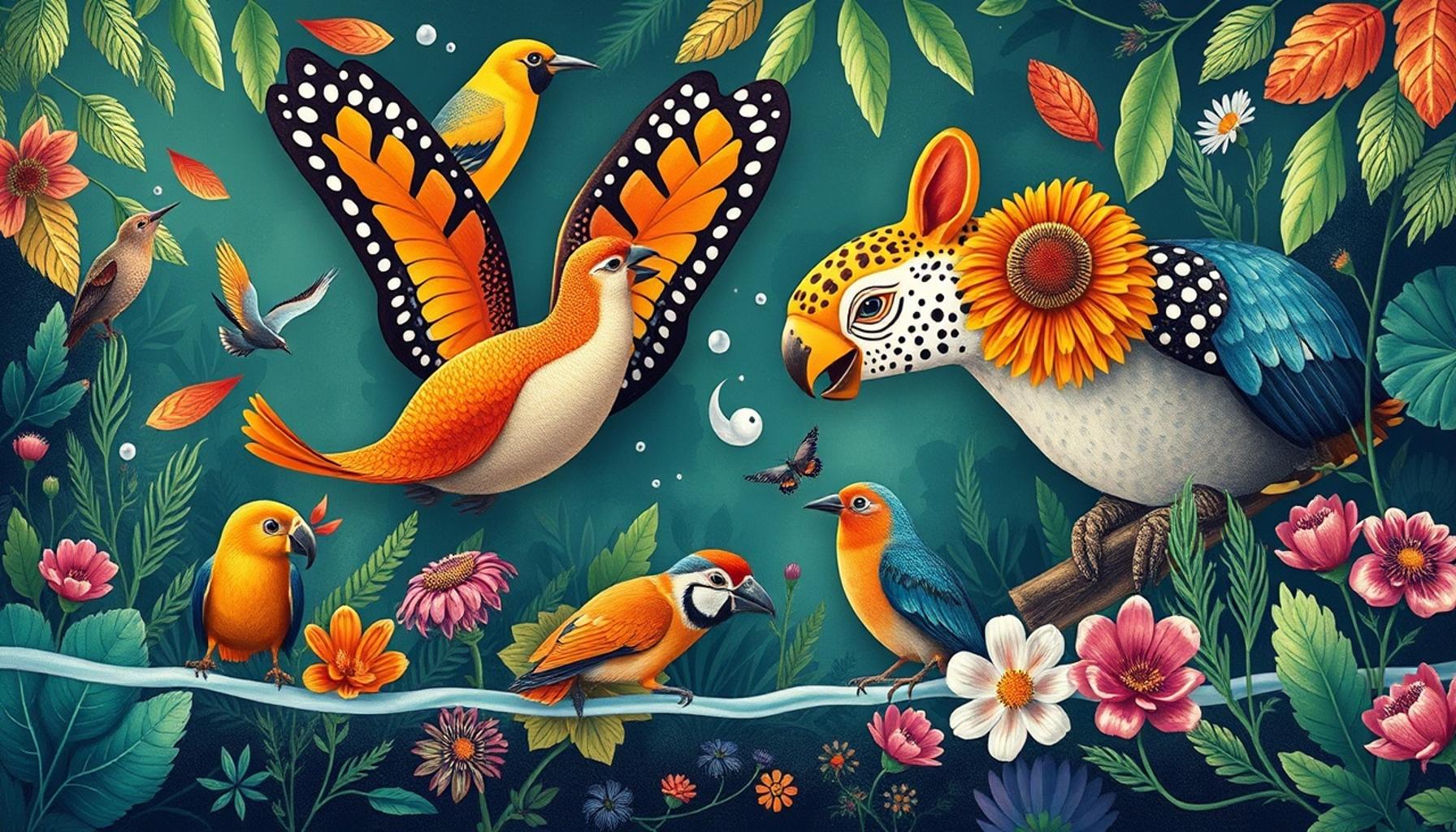
The Rich Tapestry of Domestic Animal Diversity
As we navigate through the intricate web of life on our planet, one aspect often overlooked is how pet species diversity enhances our understanding of biodiversity. While many view pets purely as companions, these diverse animals serve as crucial lenses through which we can better appreciate and analyze ecological systems and their health.
Pets encompass a remarkable variety of species, each exhibiting a unique set of traits and behaviors that can shed light on broader biological relationships. For instance, consider:
- Dogs – Often cited as one of the first domesticated animals, they offer profound insights into human behavior and social structures. Their adaptability and range of breeds make them essential for studying the complexities of domestication and the development of sociability among species.
- Cats – Wild by nature yet often kept for companionship, cats provide an excellent example of predator-prey dynamics. Their hunting instincts serve as reminders of ecological balance and can help illustrate population control within local environments.
- Birds – From the common parakeet to exotic macaws, birds highlight various adaptation strategies and migration patterns. Their presence in backyards across the United States reflects changes in environmental conditions and can forewarn of ecological shifts.
- Reptiles – Pet reptiles, including snakes and lizards, can indicate habitat health. Their sensitivities to environmental changes make them foundational for understanding biodiversity preservation, especially given the deteriorating conditions many habitats face.
- Small mammals – Animals such as hamsters, guinea pigs, and rabbits play vital roles in educational settings. These pets can spark interest in population ecology, offering hands-on experiences that lead to broader discussions about wildlife conservation and ecological interactions.
In the United States, pet ownership has surged, with around 67% of households reported to own a pet, according to the American Pet Products Association. This cultural embrace opens avenues for understanding more than just pet care; it urges us to consider the implications of these species on environmental health and conservation priorities.
Grasping the dynamics of pet species diversity isn’t merely an academic exercise; it has real-world applications. Pets inspire community engagement in conservation efforts, such as local wildlife protection initiatives or habitat restoration projects. Through fostering responsibility and care for all life forms, pet owners are often propelled to advocate for ecological sustainability.
In summary, our exploration of pet species diversity serves as a portal to deepen our appreciation for the delicate balances within ecosystems. By recognizing the multifaceted roles pets play in promoting conservation awareness and ecological responsibility, we can cultivate a more informed and engaged society dedicated to protecting the intricate tapestry of life around us.
Pet Species Diversity as a Catalyst for Ecological Awareness
Understanding the relationship between pet species diversity and biodiversity requires a closer examination of how our beloved animals not only coexist with us but also interact with their surrounding ecosystems. The diverse characteristics of pet species can illuminate principles of ecology that might otherwise remain buried in complex scientific literature. Through pets, we can observe natural behaviors, adaptations, and social dynamics, raising awareness about species conservation and habitat protection.
One crucial aspect of pet species diversity is its potential to foster educational experiences. By engaging with various pets, children and adults alike gain firsthand insights into biological principles and conservation challenges. Research indicates that exposure to diverse species can enhance an individual’s appreciation for wildlife and promote pro-environmental behaviors. Families with pets, especially those that involve children, often enjoy opportunities to discuss animal rights, ecosystem interdependencies, and the significance of biodiversity in their neighborhoods and beyond.
To further appreciate how pets can serve as conduits for ecological understanding, let’s explore several key themes:
- Behavioural Observations: Observing pet behaviors—ranging from the playfulness of dogs to the nocturnal habits of hamsters—offers glimpses into evolutionary adaptations. Understanding these behaviors can prompt inquiries into how wild counterparts interact with their environments.
- Health Indicators: Pets such as reptiles and certain birds often reflect the health of their environments. Their sensitivities to pollutants and habitat changes can provide warnings about local ecological conditions, making pet ownership an educational tool for environmental monitoring.
- Community Connections: Pets can forge connections among community members. Dog parks, for example, not only serve as a gathering space for pet owners but also as an avenue for grassroots campaigns focused on wildlife conservation, habitat restoration, and awareness initiatives.
- Cultural Significance: Different cultures have their own attitudes toward pet ownership, which influences how species diversity is perceived. By exploring these varied perspectives, we can engage in meaningful discussions about the role of pets in different ecosystems and societal contexts, ultimately leading to a greater commitment to preserving biodiversity.
Moreover, studies have shown a direct link between pet ownership and increased participation in environmental initiatives. For instance, pet owners often show a heightened awareness of local wildlife conservation efforts or are likely to support policies aimed at protecting natural habitats. In many cases, grassroots organizations elevate the voice of pet owners in broader ecological dialogues, fostering a sense of duty toward preserving biodiversity.
In this sense, pet ownership transcends personal affection; it becomes a collective responsibility that encourages us to engage with our environment meaningfully. As we continue to unravel the complexities of pet species diversity, it becomes clear that understanding these relationships can inspire a more profound commitment to ecological stewardship among pet owners across the United States.
| Category | Key Features |
|---|---|
| Genetic Diversity | Varied pet species contribute to a broader gene pool, enhancing the resilience of ecosystems. |
| Ecological Insights | Studying diverse species can reveal crucial interactions within ecosystems, boosting our understanding of biodiversity. |
As we delve into the significance of pet species diversity, we uncover how it enriches our understanding of biodiversity at large. The first category to explore is genetic diversity. When various pet species are present, they foster a broader gene pool. This genetic variation is essential as it enhances the resilience of ecosystems in adapting to changing environments, diseases, and climate variations. Furthermore, the second aspect, ecological insights, is equally compelling. By examining the interactions between different pet species, researchers can uncover vital relationships within ecosystems. This deeper understanding can ultimately lead to innovative conservation strategies that protect not just individual species, but entire habitats, promoting sustainability. The objectives of studying these connections are profound; they not only contribute to academic knowledge but also engage communities in valuing and protecting biodiversity. Thus, as we explore the intricate web of life, pet species diversity emerges as a key principle in understanding and conserving biodiversity effectively.
The Role of Pets in Biodiversity Research and Conservation
As we delve deeper into the intricate relationships between pet species diversity and biodiversity, it becomes evident that pets are not only companions but also valuable players in the field of ecological research and conservation efforts. By fostering awareness and encouraging involvement, pet ownership can contribute to a broader understanding of ecological processes and the importance of protecting wildlife.
One area in which pets have made a significant impact is the field of citizen science. Engaging pet owners in such projects allows for the collection of data that is crucial for tracking species populations and their behaviors in various habitats. A notable example includes initiatives like the Great Backyard Bird Count, where birdwatchers, many of whom are pet owners, contribute data that aids researchers in monitoring avian populations. The versatility of pets means that they can inspire citizen scientists to observe and report on various species, from insects to mammals, leading to a more comprehensive view of local biodiversity.
Moreover, pets can help illustrate the principle of ecosystem services, which refers to the benefits that humans derive from natural ecosystems. For instance, pet species such as bees (through beekeeping) and dogs (in search and rescue operations) highlight how animal companionship can lead to enhanced ecological understanding and benefit the environment. The symbiotic relationships formed between humans and these pets underscore the notion that nurturing a diverse range of species can bolster ecosystem functionality.
Pets also serve as powerful ambassadors for endangered species. For instance, the increasing popularity of reptiles and exotic birds can spark interest in their wild counterparts, leading to advocacy and education about species threatened by habitat loss and climate change. Pet species diversity helps foster a sense of kinship between humans and various animal species, further implying our interconnectedness with the environment and the importance of protecting it.
Incorporating pets into educational programs can also magnify their role in promoting biodiversity. Schools and community organizations that include pet-based programs—such as therapy animals or animal husbandry projects—often find that these interactions provide valuable lessons about ecosystems and species interactions. Such programs inspire future generations to think critically about biodiversity conservation while equipping them with the knowledge necessary to advocate for ecological balances.
Furthermore, formal collaborations between pet owners and wildlife conservation organizations have become increasingly prevalent. Initiatives like “Paws for a Cause” harness the affection and engagement of pet lovers to raise funds and awareness for threatened wildlife and their habitats. These collaborative efforts underline the potential for pet species diversity to act as a unifying force, rallying individuals toward ecological causes that might not have resonated before. This blending of pet care and wildlife conservation nurtures a culture of stewardship, motivating community members to take active roles in enhancing biodiversity.
As the conversation evolves around the connections between pet ownership and biodiversity, it becomes clear that the diverse array of species we choose to keep as pets can significantly influence public awareness and engagement in conservation efforts. Understanding these dynamics can open new avenues for education, advocacy, and policy development, empowering pet owners to contribute positively to conserving the planet’s biodiversity.
Conclusion
In exploring the impact of pet species diversity on understanding biodiversity, it is clear that pets serve as more than mere companions; they represent an invaluable resource for advancing ecological knowledge and conservation initiatives. The diverse array of species we keep at home fosters unique connections between humans and the wider natural world, creating opportunities for engagement in citizen science that can yield meaningful insights into species populations and behaviors. By participating in community-driven projects, pet owners contribute essential data, enriching our collective understanding of local ecosystems.
Additionally, pets offer engaging examples of ecosystem services, highlighting the interdependence between species and ecological health. As they help promote awareness about wildlife conservation, pets also inspire educational programs that cultivate a sense of stewardship among younger generations. Such initiatives instill a passion for protecting biodiversity, showing that every pet can serve as an ambassador for conservation efforts, drawing attention to endangered species and their habitats.
As our awareness of the intricate relationships between pet ownership and biodiversity continues to deepen, it becomes increasingly apparent that fostering an appreciation for species diversity in our homes can translate into larger movements for environmental preservation. The path is paved for collaborative efforts between pet owners and conservationists, creating a unified front against the looming threats to wildlife and fostering a culture that values every species—both domestic and wild. Understanding these connections invites a broader dialogue, urging us all to reflect on our roles in safeguarding the planet’s precious biodiversity.


 Beatriz