
Pet Animal Species and Their Impact on Children’s Creativity: A Diversified Perspective
Pets significantly enhance children’s creativity and emotional intelligence by fostering empathy, imaginative play, and communication skills. Various pet species, from dogs and cats to exotic animals, provide unique catalysts for creative expression, inspiring storytelling and problem-solving. This relationship enriches childhood development and nurtures dynamic self-expression.
Less Common Pet Species: Exploring Options Beyond Traditional Dogs and Cats
Discover the world of less common pet species, offering unique companionship beyond traditional dogs and cats. Explore captivating options like rabbits, reptiles, and birds that suit various lifestyles, provide emotional connections, and enhance understanding of animal care. Embrace the joys and challenges of unconventional pet ownership for a fulfilling experience.
The Impact of Pet Species Diversity on Understanding Biodiversity
The exploration of pet species diversity highlights its crucial role in enhancing our understanding of biodiversity. By observing various pets, we gain insights into ecological systems, promote conservation awareness, and foster community engagement, ultimately inspiring a commitment to protecting both domestic and wild species within diverse ecosystems.
The Influence of Pet Species on the Promotion of Empathy and Compassion in Children
The bond between children and pets plays a crucial role in developing empathy and compassion. Different pet species, such as dogs, cats, and small mammals, uniquely influence children’s emotional intelligence by teaching responsibility, communication, and respect for boundaries, ultimately fostering a kinder, more compassionate generation.
Impact of Pet Species Diversity on Early Childhood Education
The presence of diverse pet species in early childhood education significantly enhances children’s social, emotional, and cognitive development. Interactions with various animals foster empathy, responsibility, and effective communication skills, while promoting an understanding of biodiversity and cultural appreciation. This integration enriches learning experiences and nurtures compassionate, well-rounded individuals.
Challenges and Benefits of Adopting Endangered Species as Pets
Exploring the challenges and benefits of adopting endangered species as pets reveals a complex landscape. While unique companionship and conservation awareness can arise from ownership, ethical considerations, legal regulations, and specialized care requirements pose significant challenges. Responsible pet ownership is essential to support conservation efforts and ensure the well-being of these vulnerable species.
Genetic Diversity in Pet Breeds: How It Affects Health and Behavior
Genetic diversity in pet breeds is essential for ensuring optimal health and behavior. Limited genetic variation can lead to hereditary health issues and behavioral anomalies. Understanding the importance of diverse gene pools allows pet owners to make informed decisions, promoting healthier and more adaptable companions while enhancing their overall quality of life.
Pet Animal Species and Their Contribution to the Preservation of Local Ecosystems
Pet animals significantly contribute to the preservation of local ecosystems by enhancing biodiversity, providing natural pest control, and fostering community engagement. Their presence encourages eco-conscious behaviors, supporting wildlife conservation efforts and promoting healthier environments. Understanding pet ownership’s role in environmental stewardship highlights the intertwined relationship between pets and ecosystem health.
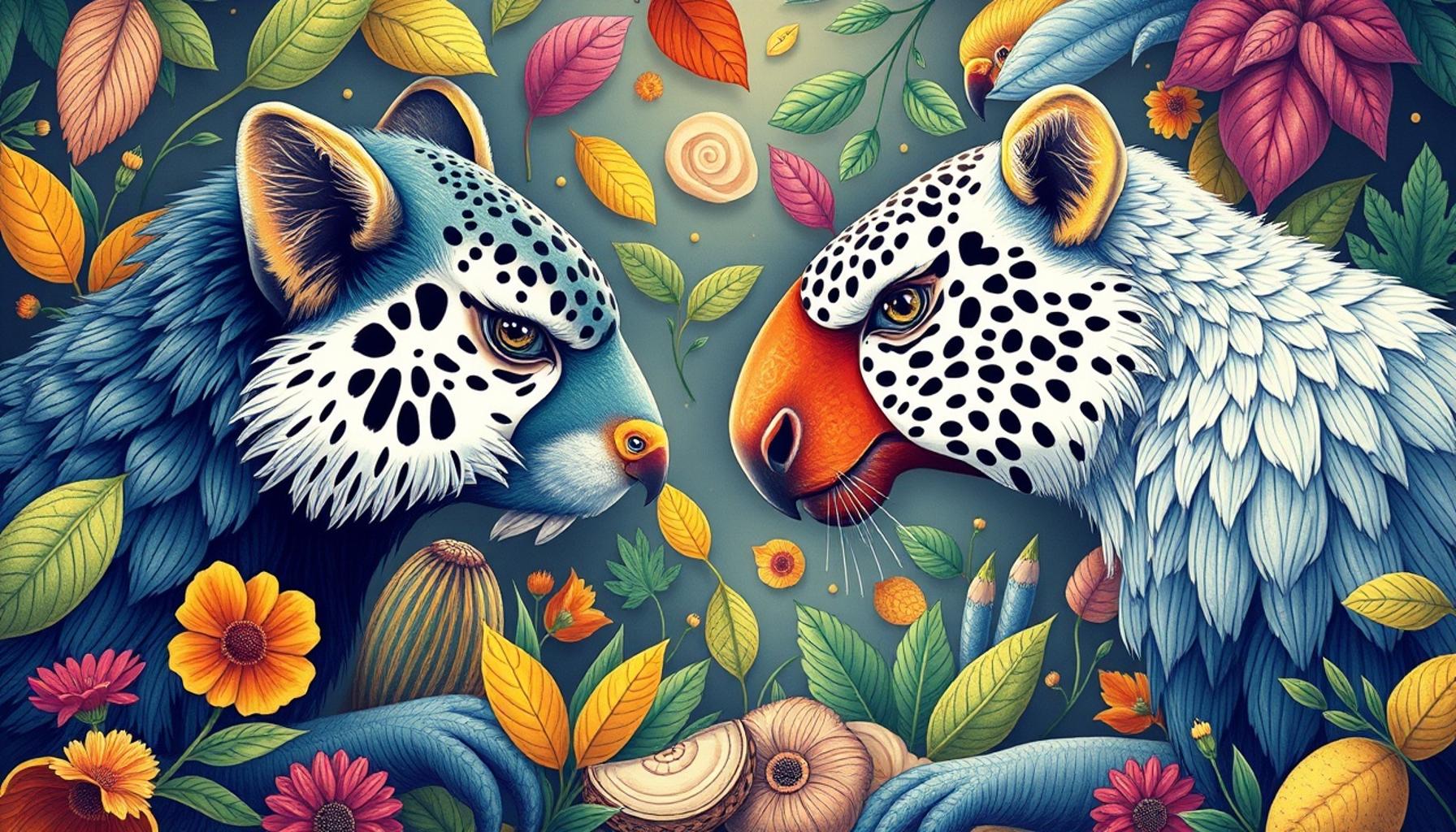
The Interaction Between Different Species of Pets: Dynamics and Benefits
This article explores the dynamics and benefits of interactions between different species of pets. It highlights how pets can form unique bonds, promoting social learning, companionship, and improved health. Understanding these interspecies interactions enriches both pet lives and human experiences, fostering a harmonious multi-pet household.