
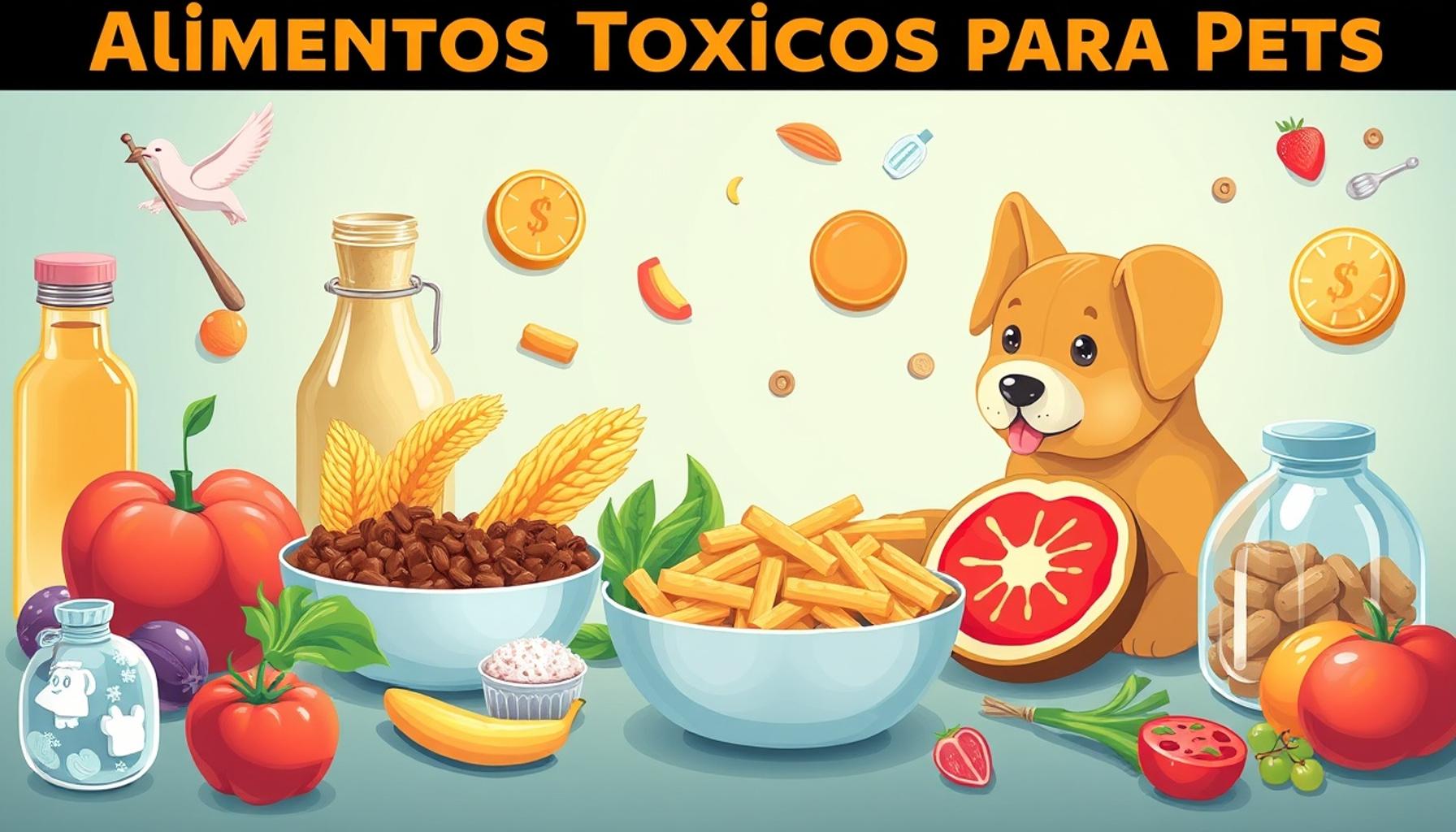
Recognizing the Risks of Common Foods for Pets
Pet ownership comes with a range of responsibilities, and one of the most critical is safeguarding our pets from harmful substances. Many pet owners might be surprised to discover that some foods we regularly consume can greatly endanger our furry friends. By being aware of these toxic foods, we take the crucial step to protect their health and well-being.
Many of these dangerous foods are staples in our households and, due to their enticing smells or tastes, can easily attract the curiosity of our pets. It’s important for pet owners to be vigilant and proactive. Here’s a detailed list of common foods that should never be offered to pets:
- Chocolate – The sweet treat that brings joy to many humans contains theobromine, which can lead to symptoms such as vomiting, rapid breathing, and even seizures in dogs and cats. Different types of chocolate have varying levels of theobromine, with dark chocolate being particularly lethal.
- Onions and garlic – Common seasonings in many dishes, these foods can cause oxidative damage to red blood cells in pets, leading to hemolytic anemia. Symptoms include weakness, lethargy, and pale gums.
- Grapes and raisins – Even small amounts of these seemingly innocent snacks can result in acute kidney failure in dogs. The exact mechanism is still unknown, but the consequences can be severe, making it essential to keep these fruits out of reach.
- Xylitol – Found in numerous sugar-free products, such as gum and candies, xylitol can induce a rapid drop in blood sugar levels in dogs, which may lead to hypoglycemia. Symptoms include vomiting, lethargy, and seizures, so pet owners must read ingredient labels carefully.
- Alcohol – It’s not just the drinks that can pose a problem; even foods that contain alcohol, such as some desserts or holiday recipes, can lead to alcohol poisoning in pets. Symptoms may include vomiting, coordination loss, and in severe cases, respiratory failure.
Understanding how these foods affect our animals is essential for keeping them safe. It’s vital for pet owners to spread awareness about these hazards in their communities. Should your pet accidentally ingest any of these foods, recognizing the symptoms quickly can be life-saving. Familiarize yourself with the signs of toxicity and don’t hesitate to consult a veterinarian for advice.
Knowledge is power when it comes to ensuring a healthy diet for our pets. The more informed we are, the better we can navigate potential hazards in our kitchens. Stay tuned for more insights into toxic foods and learn how to create a safe, nutritious diet for your beloved companions.
DIVE DEEPER: Click here to discover fun games for your indoor cats
Common Household Foods That Pose a Threat
One of the primary challenges pet owners face is the battle against accidental poisoning caused by common foods. While it may seem harmless to share a tidbit from your plate with your beloved companion, many items can lead to serious health issues. Understanding the potential dangers of these everyday foods is essential for responsible pet ownership.
Numerous studies and expert opinions highlight the alarming reality that pets can suffer severe consequences from consuming human food. The following is an overview of additional toxic foods for pets that should be strictly avoided:
- Caffeine – Present in coffee, tea, and certain energy drinks, caffeine is another stimulant that proves toxic to pets. Just a small amount can lead to restlessness, rapid heart rate, and in severe cases, heart arrhythmias.
- Nuts – Particularly macadamia nuts, pose a significant risk to dogs. Ingestion can lead to weakness, tremors, and hyperthermia. Nuts in general can also cause gastrointestinal distress and pancreatitis.
- Avocado – While guacamole may be a favorite dip for humans, avocados contain persin, which is harmful to pets. Although dogs are less sensitive than other animals, ingestion can result in vomiting and diarrhea.
- Raw dough – This may come as a surprise to many, but raw bread dough containing yeast can expand in a pet’s stomach, leading to gastrointestinal blockage and potential emergency situations. Additionally, the fermentation process can release alcohol, causing further toxicity.
- Stone fruits – Fruits like peaches and plums have pits that contain cyanide, a potent toxin. If pets manage to chew through the pit, they may be at risk for cyanide poisoning, leading to respiratory failure. The flesh of these fruits can also upset a pet’s stomach.
The list of toxic foods for pets is extensive, and these substances can have devastating repercussions if ingested, underscoring the necessity for pet owners to be acutely aware of what they keep in their homes. The symptoms of poisoning can vary greatly depending on the substance and the amount consumed. From vomiting to seizures, timely recognition of these symptoms is crucial.
A proactive approach involves educating yourself about the foods you must keep away from your pets. Not only does this help prevent potential health crises, but it also encourages a safer, more controlled environment for your beloved companions. By taking the time to learn and adapt your practices, you can mitigate risks and ensure your pet enjoys a long and healthy life.
Staying informed about toxic foods and their effects is just the first step. Continue reading to explore how to maintain your pet’s diet safety while promoting their overall wellness.
Toxic Foods for Pets: What to Avoid in Your Animal’s Diet
When considering what to feed your beloved pet, it’s vital to recognize foods that pose significant health risks. Many everyday items can be detrimental or even fatal if ingested by animals. Below, we highlight some common toxic foods to keep away from your pet’s reach.
| Toxic Food | Consequences |
|---|---|
| Chocolate | Can cause vomiting, diarrhea, cardiac issues, and even death in severe cases. |
| Onions and Garlic | Lead to erythrocyte damage and anemia, especially in cats. |
| Grapes and Raisins | Can cause acute kidney failure in dogs, even in small quantities. |
| Xylitol (found in sugar-free products) | Causes rapid insulin release, leading to hypoglycemia. |
The awareness of toxic foods is not just crucial for dog and cat parents, but for all animal caregivers. Vigilance in managing what your pets consume can prevent serious health issues. Always consult with a veterinarian for further guidance on pet diets to ensure your furry companions remain happy and healthy.
DIVE DEEPER: Click here to discover how to choose the right food for your pet
Less Common Foods That Can Be Harmful
While many pet owners are aware of the most common toxic foods for pets, such as chocolate and grapes, there are several less common items that also pose dangers. Being cognizant of these unexpected culprits is crucial for protecting your furry friends.
Many popular ingredients in everyday meals can lead to serious health challenges for pets. Here are some less obvious but equally hazardous foods:
- Onions and Garlic – Both of these members of the Allium family can disrupt a pet’s red blood cells, leading to anemia. Even small amounts can cause gastrointestinal irritation or more severe health issues over time, particularly in dogs.
- Xylitol – A common sugar substitute found in sugar-free products, xylitol can cause insulin release in dogs, leading to hypoglycemia (low blood sugar). Symptoms may include vomiting, loss of coordination, and seizures, making it essential to keep products containing this ingredient out of reach.
- Alcohol – Even in small amounts, alcohol can have devastating effects on pets. It can lead to vomiting, disorientation, and may even result in coma or death. It’s crucial to keep all alcoholic beverages secure and never offer pets any type of alcohol-containing food like desserts or marinades.
- Rhubarb – The leaves of rhubarb are particularly dangerous, containing oxalic acid which can lead to drooling, tremors, and may affect kidney functionality. The stalk itself can cause stomach upset in dogs and cats, making it best to leave this plant in the garden.
- Tomatoes – While ripe tomatoes are generally safe for pets, the green parts—including the stems and leaves—contain solanine, a toxic substance. Consumption can result in lethargy, gastrointestinal upset, and even more severe symptoms in larger quantities.
Being proactive in avoiding these less commonly known toxic foods for pets can reduce the risk of accidental poisoning. As with other toxic substances, symptoms can vary, and prompt action is vital if a pet has ingested any of these harmful foods.
Pet owners can also benefit from following guidelines on proper food storage and preparation to avoid unintentional exposure. For example, keeping food in sealed containers and using pet-proof bins can make a significant difference in preventing accidental poisonings. Moreover, placing human food far from pets’ reach during meal preparation is an effective and simple preventive measure.
As attention to pet nutrition grows, many pet owners are also exploring alternative dietary options. While it is essential to provide a balanced diet for pets, caution should be exercised with regards to alternative and homemade foods. Researching reliable sources and consulting with veterinarians can help ensure your pet’s diet is both healthy and safe.
The landscape of pet ownership is evolving, and with it comes the responsibility of understanding what is safe to share with our companions. By familiarizing yourself with toxic foods for pets—both common and obscure—you are better equipped to ensure their health and longevity.
DISCOVER MORE: Click here for the perfect menu
Wrap-Up: Ensuring Your Pet’s Safety
In conclusion, safeguarding your pet’s health requires a comprehensive understanding of toxic foods for pets. While the danger posed by widely recognized items like chocolate and grapes is well-documented, it is equally important to stay informed about lesser-known hazards, including onions, xylitol, and rhubarb. As a pet owner, knowledge is your most effective ally.
Being aware of these hazardous foods empowers you to make informed choices, promoting a safe and nurturing environment for your furry friends. Implementing proactive measures, such as proper food storage and awareness of your pet’s dietary needs, can dramatically reduce risks associated with accidental ingestion. It is a responsibility that comes with pet ownership and can significantly enhance your pet’s quality of life.
Moreover, as food trends and pet diets evolve, consulting with veterinary professionals can bridge the gap between innovative dietary options and safety. Balancing your pet’s diet with both nutrition and safety in mind is essential in preventing poisoning incidents and ensuring longevity.
Ultimately, continuous education and vigilance are key. By regularly updating your knowledge about toxic foods for pets, you not only protect their well-being but also foster a rewarding companion relationship that thrives on understanding and care. For the health and happiness of your pet, start periodical checks and discussions with your vet—it’s a small effort that can yield substantial rewards.


 Beatriz