
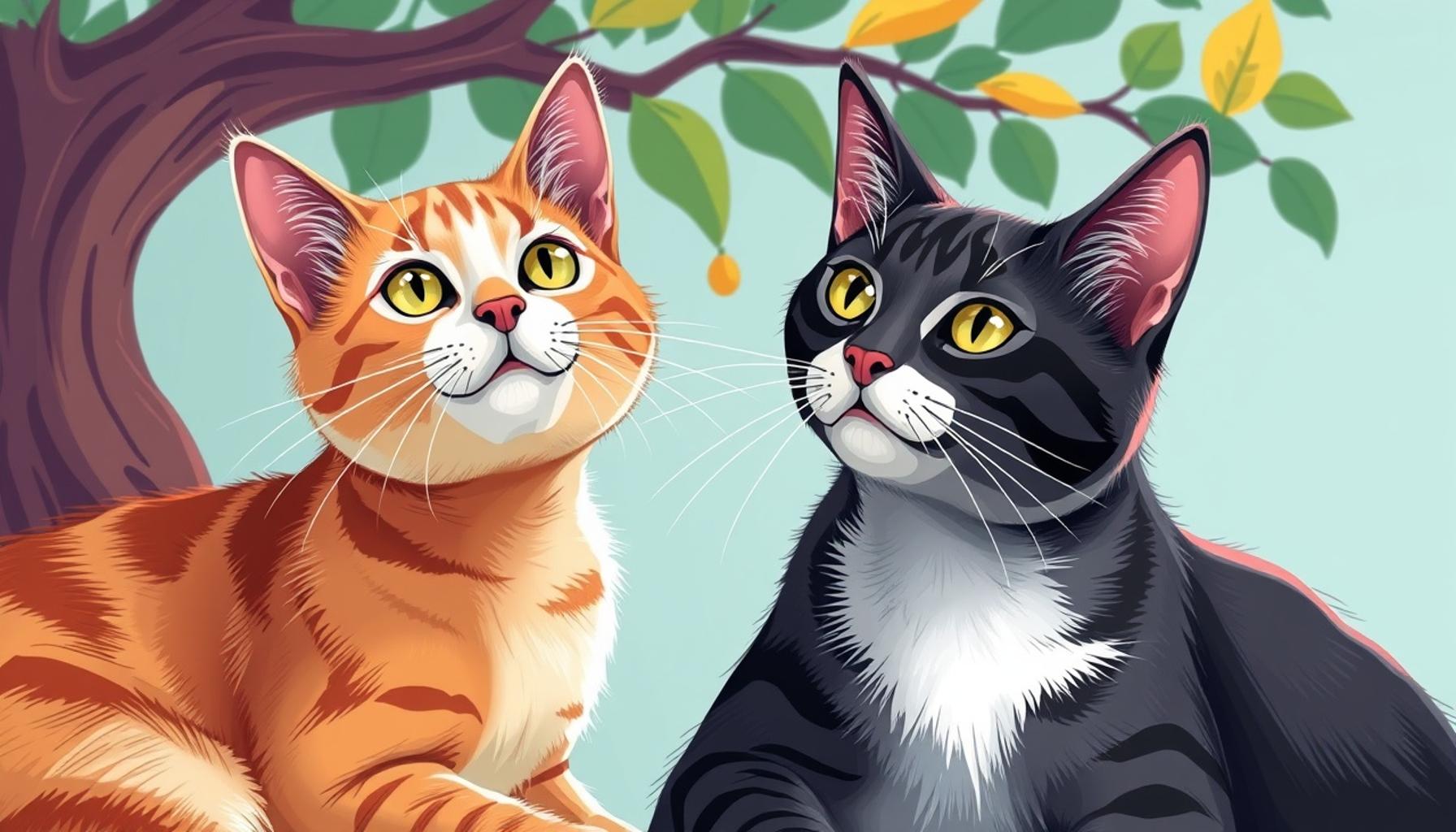
Understanding Feline Behavior in Shared Environments
The dynamics of feline behavior can often resemble an intricate dance, particularly within shared living spaces. As commonly believed, cats are not entirely solitary creatures; instead, they engage in a fascinating spectrum of social interactions. From the initial stages of introducing a new kitten to an established group of cats to fostering better social skills for a more harmonious household, understanding how cats communicate and interact is essential.
Greeting behaviors: One of the first ways cats communicate is through greeting behaviors. When cats meet, they often touch noses, which serves as a friendly introduction and a way to gather information about each other’s scent. Furthermore, a cat’s tail position can indicate their state of mind; for instance, a cat with a high, quivering tail is typically expressing excitement or joy, while a lowered tail may suggest fear or submission. Learning to recognize these subtle signals can aid cat owners in creating a less stressful environment for their pets.
Body language: Beyond greetings, understanding cat body language is crucial in deciphering comfort levels and stress indicators. A relaxed cat may exhibit a slow blink, a sign of trust, while dilated pupils can indicate excitement or anxiety. Moreover, a cat that is swatting or hissing is likely feeling threatened. By paying close attention to these signals, owners can intervene when needed to reassure their felines or provide them with a safe space to retreat to if interactions become overwhelming.
Playtime interactions: Furthermore, play is an essential aspect of feline socialization, especially among kittens. Engaging in play not only develops hunting skills but also reinforces social bonds between cats. Activities like chasing a feather wand or engaging in a friendly wrestling match can establish hierarchies and foster cooperation. It is crucial for cat owners to provide appropriate toys and allocate time for interactive play, as these experiences can significantly improve the overall mood and behavior of cats.
In households with multiple cats or when introducing a cat to other pets, understanding these behavioral nuances becomes even more critical. For example, managing introductions in a gradual manner—by allowing cats to become familiar with each other’s scents before physical interactions—can facilitate a smoother acclimatization process. Additionally, providing separate spaces for each cat can reduce territorial disputes, promoting a more peaceful coexistence.
Ultimately, delving into the intricacies of feline socialization not only enriches the lives of our pets but can lead to a deeper bond between cats and their humans. By equipping yourself with knowledge of their behaviors, you can foster an environment that nurtures wellbeing and happiness for your beloved feline companions. In subsequent sections, we will explore specific factors influencing cat socialization, offering valuable insights and practical tips to enhance your cats’ daily interactions.
DISCOVER MORE: Click here to learn about the importance of socialization for healthy pets
Fostering Harmony in Multi-Cat Households
As much as we celebrate the independence and aloofness often attributed to cats, the reality is that their social nature requires a nuanced understanding when multiple felines coexist in the same environment. From techniques for introducing new cats to established residents to strategies for managing behavioral conflicts, cat owners can play a pivotal role in fostering a stress-free atmosphere. Here, we delve deeper into the various aspects of feline socialization that every cat enthusiast should consider.
Introducing New Cats
The introduction of a new cat into a household can be a delicate process. A sudden presence can unsettle existing felines, prompting defensive behaviors. To ease this adjustment, consider the following steps to facilitate a more comfortable transition:
- Separate Spaces: Initially, provide separate rooms for the new cat and the resident cats. This allows each to become accustomed to the other’s scent without direct confrontation.
- Gradual Familiarization: After a few days, introduce the cats’ scents to each other using soft cloths or toys that both parties can explore. This will help them recognize and accept each other without stress.
- Controlled Meetings: When both cats seem amenable to each other’s scents, organize short, supervised meetings. Keep these interactions brief and rewarding with treats and praise.
- Observation of Behavior: Monitor body language closely during these encounters. Signs of aggression or fear, such as arched backs or flattened ears, should signal the need to separate the cats and try again later.
Employing these strategies can drastically reduce the risk of conflict, allowing for a smoother integration of the new feline into a multi-cat household.
Understanding Hierarchies
Felines also establish hierarchies within their groups, which can influence their interactions. This social structure is not as rigid as one might imagine; cats can exhibit flexibility in their positions depending on various factors such as age, personality, and environment. Some common indicators of hierarchical behavior include:
- Resource Guarding: More dominant cats may guard resources like food, litter boxes, or preferred sleeping spots, leading to conflicts amongst housemates.
- Greeting Rituals: Cats may demonstrate their social ranking through specific greetings or behaviors established as bonding rituals, such as grooming or head-butting.
- Displacement Behavior: Sometimes, a lower-status cat might exhibit avoidance behaviors or redirect their energy, which manifests as heightened playfulness with objects instead of with the other cat.
Recognizing these patterns allows owners to better understand the dynamics at play in their home, leading to improved communication between their pets and fewer confrontations.
Creating a Stress-Free Environment
To promote a joyful and harmonious shared environment, it is crucial to provide plenty of resources. Adequate space, scratching posts, and safe hiding places all contribute to reducing stress levels among feline housemates. Moreover, enrichment activities—such as interactive toys or climbing structures—can help prevent boredom and encourage healthy social interactions. Overall, enhancing your cats’ living environment creates an atmosphere of cooperation and comfort, paving the way for stronger bonds between felines and their humans.
By comprehensively understanding and applying these principles of feline socialization, cat owners can significantly enrich the lives of their pets while minimizing the conflicts that often arise in shared environments. Through thoughtful interactions, it is possible to foster a community that encourages mutual respect and companionship among cats, leading to a more serene household for all.
The Socialization of Cats: Understanding Feline Behavior in Shared Environments
Feline socialization is a fascinating yet often misunderstood aspect of cat behavior. While cats are perceived as solitary creatures, they exhibit complex social behaviors, especially when navigating shared environments. Recognizing these behaviors is vital for ensuring harmony among multiple cats or between cats and other pets.
Understanding feline body language is essential to facilitating proper socialization. Cats communicate through a combination of vocalizations, body posture, and even their tails. For instance, a cat with an erect tail is typically indicating confidence and friendliness, while a puffed-up tail may signal fear or aggression. Observing these signals can help owners create a more enriching environment for their cats.
Moreover, socializing cats from a young age greatly influences their adaptability in shared spaces. Kittens, ideally between 2 to 9 weeks old, are at a critical stage where they learn to interact well with other animals and humans. Early socialization can lead to more confident adult cats that are comfortable in diverse environments.
In addition, providing a variety of enrichment activities plays a crucial role in cat socialization. Activities such as interactive play, puzzle feeders, and climbing structures not only offer physical stimulation but also promote healthy social interactions among pets. The importance of enriching an environment cannot be overstated, as it reduces behavioral problems often associated with boredom and frustration.
Furthermore, understanding territorial behavior is pivotal. Cats are naturally territorial and may exhibit behaviors like marking or aggression towards unfamiliar animals. Implementing gradual introductions and allowing for safe spaces can alleviate stress and promote peaceful cohabitation.
To emphasize these points, let’s take a closer look at the advantages of fostering a more well-rounded understanding of cat behavior. Below is a table outlining significant aspects of feline behavior and their implications in shared environments.
| Category | Advantages |
|---|---|
| Understanding Body Language | It facilitates better communication between cats and humans, leading to improved interactions. |
| Early Socialization | Enhances adaptability and reduces fear-related behaviors in adult cats. |
| Enrichment Activities | Encourages positive social interactions and reduces the likelihood of conflicts. |
| Territorial Understanding | Helps in managing introductions and creating a harmonious living space. |
By delving into these aspects, cat owners can cultivate a more balanced relationship with their pets, enriching their lives and fostering a sense of community among shared environments. Understanding these nuanced behaviors opens the door to a world where cats can thrive socially, enhancing their overall well-being.
DISCOVER MORE: Click here to learn about pet allergies
Navigating Disputes and Unwanted Behaviors
Even in the most carefully managed multi-cat households, conflicts may still arise. Understanding the underlying causes of these disputes is essential for cat owners aiming to maintain a peaceful living space. Many disagreements stem from competition over resources, territorial instincts, or simply personality clashes. Below, we explore strategies and insights to manage these behaviors effectively.
Identifying Triggers for Conflict
Before implementing solutions, it is important to identify what specifically triggers disputes among cats. Common sources of tension include:
- Food and Water Bowls: Cats can be possessive over food and often prefer to eat in solitude. Providing multiple feeding stations can ease competition.
- Litter Boxes: The general rule of thumb is to have one litter box per cat, plus one extra. Cats can be fastidious, and sharing litter boxes may lead to territorial disputes.
- Resting Areas: Cats enjoy their personal space. If they cannot find cozy spots to rest, it might ignite conflict. Offering various comfortable sleeping locations minimizes tensions.
By recognizing these common triggers, cat owners can implement preemptive measures to prevent disputes before they escalate into more serious conflicts.
Resolving Behavioral Issues
When conflicts do arise, it’s essential for owners to approach the situation with a calm and informed mindset. Interventions should be non-confrontational, encouraging proper behavior rather than punishing the felines involved. Here are some suggestions for managing challenging behaviors:
- Redirecting Attention: Engage the cats in play or offer favorite toys to distract them from their negative behaviors. This can help lessen the buildup of stress and refocus their energies into positive outlets.
- Time-Outs: If an altercation escalates, a short time-out in a separate area can allow both cats to decompress. After a brief break, they may be more willing to coexist peacefully.
- Positive Reinforcement: Reward calm behavior with treats or affection. Reinforcing desirable interactions can lead to a more harmonious atmosphere.
The Role of Play in Socialization
Play is a critical component in the socialization of cats, especially in multi-cat environments. Through play, cats communicate, build bonds, and develop their social skills. Owners can facilitate this by:
- Interactive Toys: Toys that require cooperation, such as feather wands or laser pointers, can encourage cats to engage with one another and foster a sense of teamwork.
- Scheduled Playtime: Set aside time each day for interactive play sessions that include all cats. This not only strengthens their bonds but also channels any pent-up energy into fun activities.
- Themed Challenges: Creating engaging obstacle courses or hiding treats around the house invites exploration and interaction, allowing cats to work together in a playful setting.
By understanding the role of play in feline socialization, cat owners can create an enriching environment that encourages positive interactions among their pets.
Ultimately, fostering a peaceful multi-cat household requires patience, observation, and a willingness to adapt. Armed with knowledge and effective strategies, cat enthusiasts can enhance their understanding of feline behavior, leading to a shared space filled with love and companionship.
LEARN MORE: Click here to discover the role of balanced nutrition in pet health
Conclusion
In summary, understanding the socialization of cats within shared environments is a multifaceted journey that blends observation, strategy, and patience. Felines are social creatures with unique personalities, and navigating their relationships requires insight into their behavior. The acknowledgment of triggers for conflict, such as competition over resources and personal space, lays the foundation for a harmonious living situation. By providing ample food and water stations, sufficient litter boxes, and cozy resting areas, owners can significantly reduce potential tensions.
Moreover, implementing proactive measures to resolve disputes and behavioral issues further enhances the quality of life for cats in a multi-pet household. Methods like redirecting attention, time-outs, and positive reinforcement can transform negative interactions into opportunities for growth and connection. Importantly, active engagement through play promotes bonding and communication among cats, fortifying their social skills and reducing stress.
The insights garnered from understanding feline behavior offer owners the tools necessary to foster a loving and tranquil environment. Observing their cats closely and adapting to their needs not only enriches the feline experience but also strengthens the human-animal bond. As cat owners navigate the complexities of their pets’ social dynamics, they unveil a captivating realm of companionship and affection. Ultimately, the journey of socializing cats is a rewarding endeavor, yielding a shared home brimming with joy, understanding, and camaraderie.


 Beatriz