
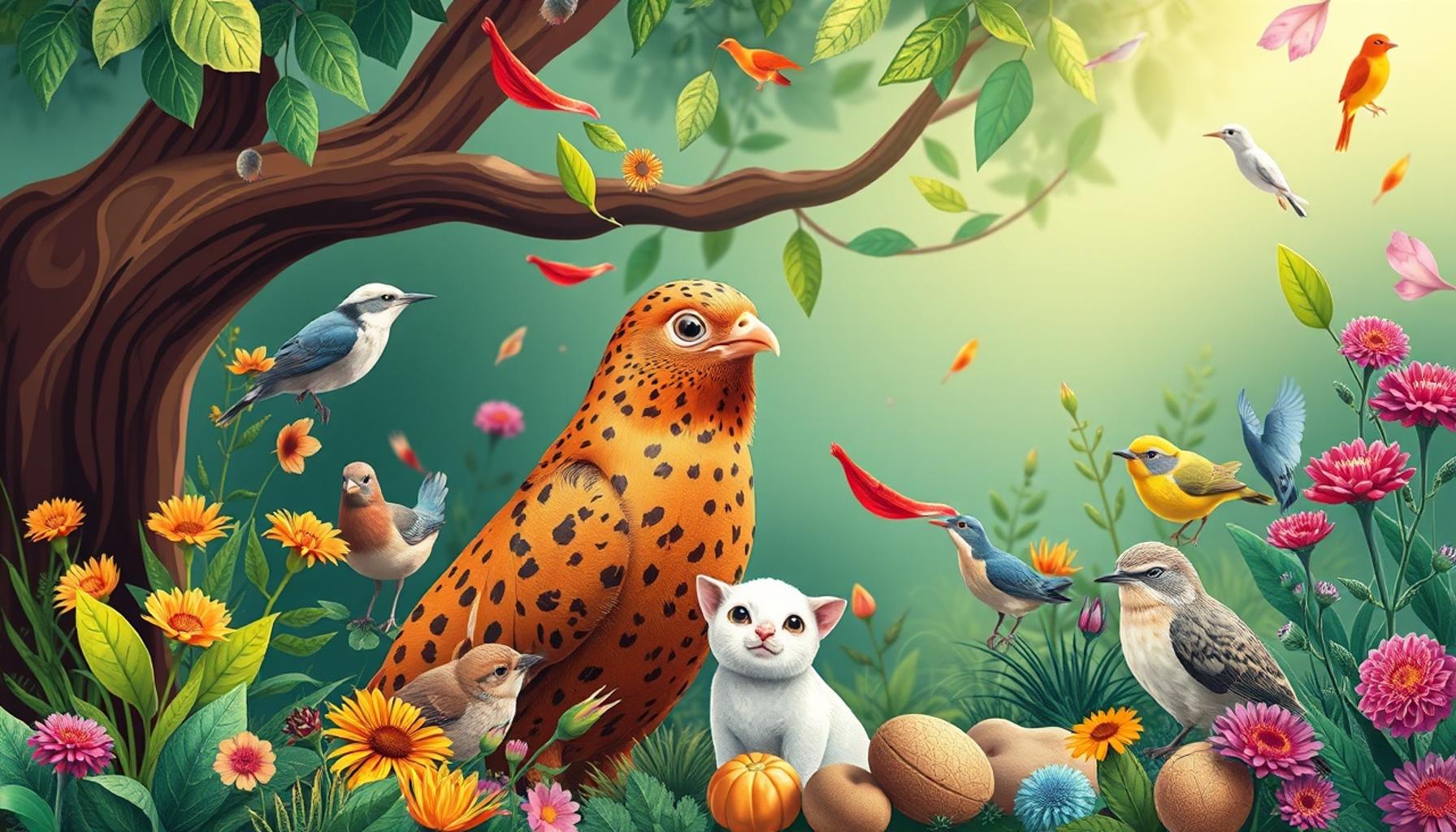
Exploring the Impact of Pet Species Diversity
In the vibrant world of pet ownership, the diversity of pet species significantly enriches our domestic spaces and the lives of those who inhabit them. This variety encompasses not just the familiar cats and dogs, but also a plethora of animals including rabbits, birds, reptiles, and even more exotic species like ferrets and hedgehogs. Each type of pet brings its own unique characteristics and behaviors, contributing to a richer and more engaging living environment.
Socialization Opportunities
One of the primary advantages of having diverse pet species is the opportunity for socialization. For instance, when a dog, a cat, and a rabbit cohabitate, they learn to communicate and respond to different social cues from one another. Dogs may playfully chase cats, which can foster an environment for the cat to develop confidence or territorial skills. Meanwhile, a rabbit might learn to be more adventurous by observing the bold antics of its canine housemate. Such interactions not only help pets develop social skills but can also alleviate loneliness, providing companionship that transcends species boundaries.
Behavioral Enrichment
Incorporating a range of species can also contribute to valuable behavioral enrichment. For example, introducing a variety of pets in a home can result in an intriguing setting where each pet encourages the others to be more active. A playful ferret might entice a laid-back cat to engage in playful behavior, keeping both animals physically fit and mentally stimulated. Environments that offer diverse forms of play and interaction can reduce boredom and promote healthier, more active lifestyles for pets.
Mutual Learning
Moreover, the interactions among different species can serve as a ground for mutual learning. For instance, a dog might accidentally teach a rabbit how to navigate obstacles in a playful chase, which can significantly benefit the rabbit’s confidence and agility. Additionally, these species-specific experiences can aid in developing essential survival skills, helping pets adapt more effectively to various environments.
Creating Inclusive Spaces
The presence of various pet species not only establishes dynamic indoor and outdoor spaces but also encourages community among pet owners. This diversity fosters an inclusive atmosphere where individuals can share valuable experiences, tips, and strategies on maintaining harmony within a multi-species household. Discussions on topics such as diet, care, and behavioral quirks create a wealth of knowledge that can be shared seamlessly across species lines.
As we further explore the various benefits and challenges that accompany pet species diversity, it becomes evident that creating inclusive habitats for all pets requires thoughtful consideration and understanding of their unique needs. This awareness can help pet owners enhance the well-being of their animals and cultivate a community spirit that truly embodies the essence of biodiversity in our own homes.
DISCOVER MORE: Click here to learn about your dog’s stress signals
Enhancing Well-being Through Diverse Species
As pet ownership expands, the benefits of embracing species diversity become increasingly clear. The variety of pets available today serves more than just an aesthetic purpose; it significantly impacts the well-being of both animals and their human companions. Understanding how different species coexist can lead to greater emotional satisfaction and several inherent advantages for both parties.
Physical and Mental Health Advantages
Diverse pet ownership contributes notably to the physical and mental health of both pets and their owners. Research indicates that having pets can reduce stress levels, lower blood pressure, and alleviate feelings of depression. When people are exposed to various animals, they engage with different behaviors and interactions that can stimulate their senses and enrich their daily lives.
For instance, the presence of interactive pets like dogs and more independent pets like cats can provide a comprehensive range of emotional connections. Dogs often require daily walks, promoting an active lifestyle, while cats can offer soothing companionship through their gentle purring. This blend of activity and relaxation benefits pet owners, encouraging a more balanced lifestyle.
Building a Supportive Community
The variety in pet species also cultivates a supportive community among pet owners. When diverse pets share a household or community space, pet owners can connect better, exchange tips, and foster mutual support. Groups such as local pet clubs or online forums can expand discussions about diverse care needs and species-specific health concerns.
- Training Tips: Owners can share unique training methods suitable for different species, enriching the knowledge pool.
- Healthcare Information: Knowledge about appropriate veterinary care specific to certain species disseminates essential information, promoting the well-being of pets.
- Social Events: Communities can organize playdates or gatherings that include various species, allowing pets to socialize and owners to interact.
The Synergy of Species Diversity
Moreover, the synergistic effects created by diverse pet species cannot be overlooked. This synergy is evident when one species naturally complements another’s strengths and weaknesses in a shared living environment. Dogs, being social and active, can motivate sedentary pets like reptiles to explore new spaces. Birds, known for their vocalizations, can invigorate quieter animals and stimulate their curiosity. The presence of numerous species encourages pets to display a broader array of natural behaviors, hence enriching their lives immensely.
Ultimately, the incorporation of species diversity in the realm of pet ownership is not just a trend but rather a movement towards developing more inclusive and supportive environments. As pet owners reflect on the dynamics of their multi-species households, they may find that fostering better relationships among different pets can lead to a more fulfilling life for everyone involved. This exploration of the roles different species play positions the concept of inclusive pet environments in a crucial and engaging spotlight.
| Advantage | Description |
|---|---|
| Enhanced Socialization | Diverse species promote interactive play, reducing behavioral issues and fostering better relationships among pets. |
| Health Benefits | A rich variety of species can enhance mental stimulation and decrease stress, contributing to the overall well-being of pets. |
Exploring the concept of species diversity in pet environments reveals crucial advantages that resonate not just with pet enthusiasts, but with animal behavioral experts too. With enhanced socialization as a key benefit, a mixed species setting encourages dogs, cats, and even rabbits to engage in interactive play. This interaction helps alleviate issues such as aggression and anxiety, fostering harmony among pets.Moreover, the health benefits of such environments cannot be overlooked. Various species bring different dynamics, stimulating not only physical interactions but also providing essential mental stimulation. The presence of diverse species can mitigate stress and anxiety, creating calm and inclusive spaces for all pets involved. Engaging with an assortment of animals renders a more fulfilling lifestyle, improving their health and happiness. This holistic approach to creating inclusive environments highlights the genuine impacts of species diversity on our beloved pets.
LEARN MORE: Click here to discover the benefits of socialization for your pets
Fostering Education and Awareness Through Species Diversity
Education plays a pivotal role in promoting species diversity among pet owners, and fostering inclusivity is essential for the health and happiness of various animals. By expanding our understanding of different pets, we create an environment where diverse species not only coexist but thrive. Initiatives aimed at educating the public about the unique needs and characteristics of various animal species are integral to this quest for inclusivity.
Workshops and Community Events
Hosting workshops and community events provides an excellent opportunity for pet owners to gather and learn about the specific needs of different species. These gatherings can cover a wide range of topics, from species-specific nutrition to behavioral training, arming owners with the knowledge needed to care for their unique pets effectively.
- Behavioral Understanding: Learning about the natural behaviors of pets, such as the social structures of rabbits or the solitary habits of certain reptiles, helps owners create environments that cater to their pet’s psychological needs.
- Dietary Education: Informative sessions on proper dietary requirements for various species promote better health and longevity among pets.
- Safety Protocols: Workshops can outline safety measures necessary for a multi-species household, reducing the risk of stress or harm.
Utilizing Digital Platforms
In today’s technologically driven world, digital platforms are becoming increasingly vital for disseminating information on species diversity. Social media, blogs, and podcast series can present expert advice and firsthand experiences from pet owners with different species, fostering a stronger sense of community.
Webinars conducted by veterinarians and animal behaviorists can also cover lesser-known aspects of exotic pet care, reaching wider audiences and breaking down barriers to understanding different species. Such resources not only align with the trend of online learning but also serve to support an inclusive pet-owning culture within communities nationwide.
The Role of Schools and Educational Programs
Incorporating education on pet care and species diversity into school programs can help shape young minds towards empathy and responsibility for all living creatures. Schools can implement programs that involve students in hands-on experiences with a variety of animals. This could serve to debunk common myths about certain species, like snakes or ferrets, and highlight the diverse joys and responsibilities of being a pet owner.
Furthermore, partnerships with local animal shelters can encourage students to be involved in volunteer work, offering practical exposure to caring for animals with varying needs. By promoting understanding early on, the next generation can continue the momentum towards inclusive environments for all pets.
Conservation and Ethical Considerations
It’s also critical to address the ethical implications of maintaining a diverse species presence within pet ownership. Educating consumers about responsible breeding practices and the importance of adopting pets can encourage compassion and ethical decision-making. Initiatives aimed at conservation and the protection of endangered species play a fundamental role in shaping a respectful relationship between humans and pets.
By embracing species diversity and fostering environments where various pets are included, we establish not only a community of pet owners but also stewards of animal welfare. This collective journey encourages pet owners to think critically and compassionately about their choices, paving the way for a brighter, more inclusive future for all species involved. Through ongoing education and community involvement, pet owners can facilitate a harmonious coexistence that benefits everyone—humans, pets, and society as a whole.
DISCOVER MORE: Click here for a deeper dive
Conclusion: Embracing Species Diversity for a Harmonious Future
In conclusion, the importance of species diversity extends beyond merely enhancing our pet-owning experience; it plays a crucial role in fostering inclusive environments that are beneficial for both humans and animals. By embracing a variety of pet species, we not only enrich our lives with unique relationships but also promote a culture of empathy, understanding, and responsibility. The initiatives aimed at educating pet owners about the specific needs and characteristics of various species lay the foundation for a more compassionate community, where every pet can thrive.
The collaboration between workshops, digital platforms, and educational programs is pivotal in shaping a future where species diversity is celebrated. As pet enthusiasts gain insights into species-specific care, they become more effective guardians, enhancing the well-being of their pets while also fostering an environment that welcomes the nuances of multiple species. Furthermore, integrating conservation efforts into pet ownership reinforces the ethical responsibility we hold as caretakers of our animal companions.
Ultimately, the journey toward inclusivity is a collective effort that involves awareness, community engagement, and a willingness to learn. By championing species diversity and advocating for the unique needs of different pets, we are setting the stage for a harmonious existence that respects the dignity of all living creatures. As we continue to foster understanding and compassion, we pave the way for a brighter and more inclusive future for pets and their caregivers alike, making our communities richer for every furry, scaly, or feathered friend.


 Beatriz