
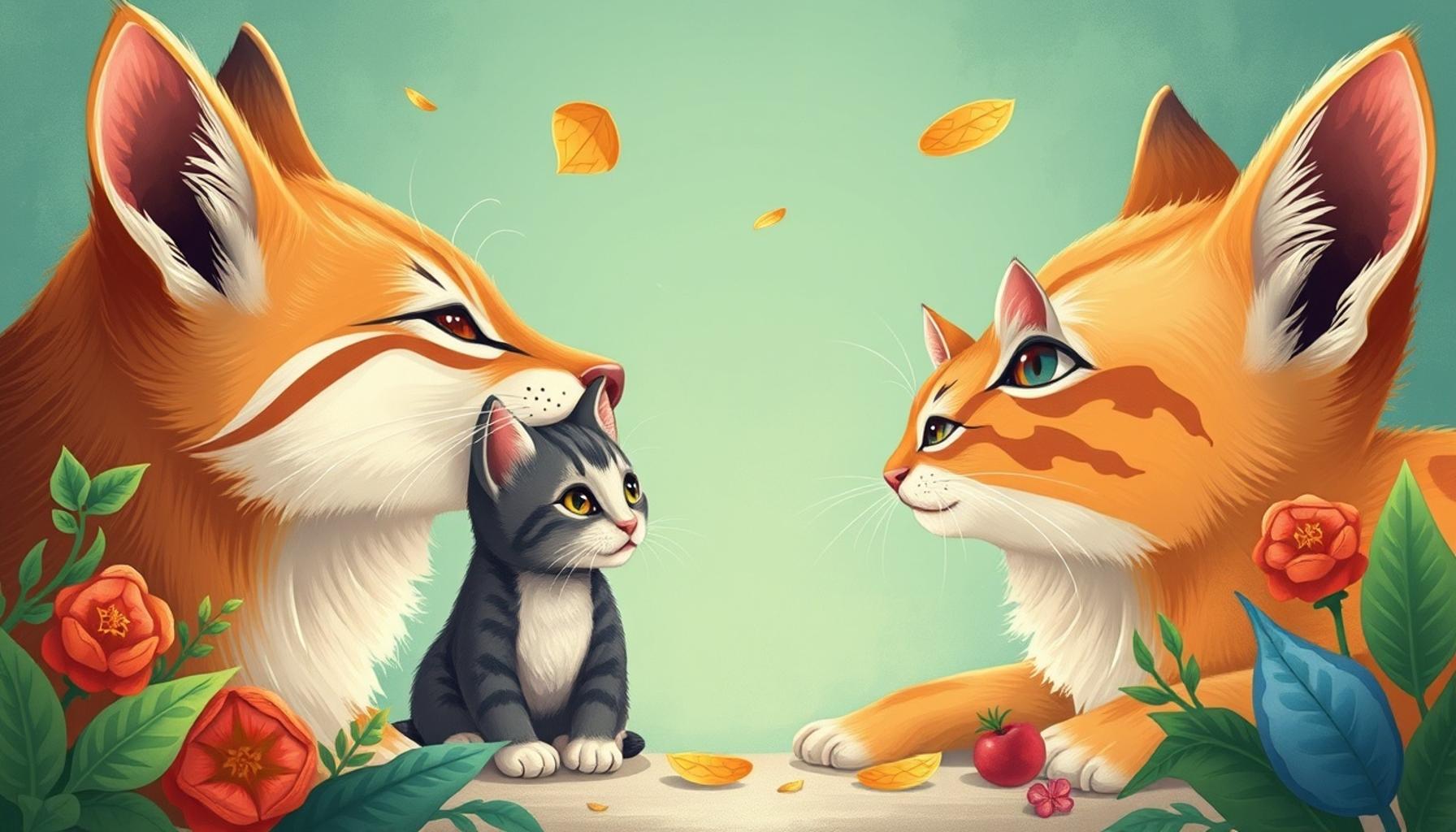
Understanding Maternal Instincts in Pets
The world of animal behavior provides a vivid tapestry of interactions, particularly when it comes to the maternal instinct in female dogs and cats. These instincts are not only crucial for the survival of their offspring but also play a critical role in shaping their behaviors, emotional landscapes, and social structures. By analyzing these instincts, pet owners and enthusiasts can gain deeper insights into how to foster a nurturing environment for their pets.
Key Features of Maternal Instincts
Maternal instincts are intricate and multifaceted, encompassing various behaviors that ensure the safety and development of young animals. Among the most notable features are:
- Nurturing Behavior: Female dogs and cats demonstrate protective actions towards their young, such as keeping them close, grooming them, and occasionally moving them to safer locations. For instance, a mother dog instinctively takes her puppies away from perceived threats, displaying a marked increase in vigilance during walks or when strangers approach.
- Play and Socialization: Engaging in play is essential for the cognitive and social development of offspring. Mothers will often initiate play, teaching their puppies and kittens how to navigate social structures through gentle interactions. This play may include mock stalking or wrestling, encouraging the young to explore their boundaries in a safe environment.
- Bonding: The emotional connection formed between mothers and their puppies or kittens is profound. This bond is reinforced through activities like nursing and physical closeness, which release oxytocin, the “love hormone.” Studies indicate that a strong maternal bond can lead to more secure and confident pets as they grow.
The Impact of Maternal Behavior on Social Interactions
These maternal behaviors extend beyond the mother-offspring relationship, influencing how pets interact with other animals and humans. For example, a dog that has recently whelped might display increased tolerance and patience towards younger or more rambunctious pets. This newfound understanding can create a more harmonious household, as the mother dog passes on lessons of patience and social etiquette.
Similarly, an experienced mother cat may exhibit greater sociability and a reduced territorial instinct. Rather than viewing other pets as competitors, she may incorporate them into her social circle, thanks to her nurturing experiences. These changes in behavior not only benefit the pets involved but also create a dynamic, enriching environment for their human companions.
Emotional Health and Development
Research indicates that maternal instincts are essential not just for the young animals but also for the mothers themselves. Engaging in nurturing behaviors can improve a female pet’s emotional health, providing her with a sense of purpose and fulfillment. This emotional health is critical during key developmental stages when young pets are learning about their world. Understanding these dynamics enables pet owners and veterinarians to tailor care strategies that support both mothers and their young, accommodating their emotional and behavioral needs effectively.
Exploring the complexities of motherhood in pets yields valuable insights that can significantly enrich the human-animal bond. By recognizing and amplifying these natural instincts, pet owners can cultivate a more supportive and understanding environment. This approach encourages not only the well-being of their pets but also fosters stronger, healthier relationships that enhance the overall quality of life for both pets and their human companions.
The Behavioral Manifestations of Maternal Instinct
The maternal instinct in female dogs and cats serves as a cornerstone for both their own behavior and the interactions they cultivate within their environment. It is more than just a biological drive; it represents a complex interplay of innate actions influenced by genetics, environmental factors, and individual personalities. By delving into these behaviors, we can uncover the significant impact of motherhood on the actions of our furry companions and their relationships with both their offspring and other animals.
Nurturing Dynamics in Dogs and Cats
Motherhood ignites a spectrum of nurturing behaviors in female dogs and cats, each tailored to maximize the survival and well-being of their young. Here are some critical components of nurturing dynamics:
- Protection: The maternal instinct renders female dogs and cats incredibly protective of their young. They often exhibit heightened alertness to perceived threats, and will not hesitate to defend their kittens or puppies from potential dangers, such as unfamiliar animals or even humans.
- Grooming: Grooming is a critical nurturing behavior. By licking their young, mothers help them stay clean and warm, which is essential for their health. This act also strengthens the mother-offspring bond, reinforcing emotional connections that contribute to a healthy social environment.
- Feeding: In the early stages of life, nutrition is paramount. Female dogs lactate to provide essential nutrients and antibodies to their puppies, while mother cats instinctively know to offer their kittens a mixture of nursing and solid food as they grow, ensuring proper development.
- Teaching: Maternal instincts also include educational aspects. Mothers often play an active role in teaching their young about appropriate social conduct through gentle correction during play. This guidance is fundamental for fostering healthy relationships as the young animals mature.
How Maternal Instincts Shape Social Structures
The influence of maternal instincts extends beyond the immediate mother-offspring relationship, shaping broader social dynamics within a household or a larger community of animals. For instance, a mother dog that exhibits patience and understanding can set the tone for interactions among all pets in the home. This can lead to a more stable living environment, where behaviors learned from a nurturing mother model a framework for other pets to interact socially.
In a similar vein, mother cats often display less territorial aggression once they have kittens. They may become more welcoming of other animals, creating an atmosphere conducive to camaraderie rather than rivalry. Their maternal role can foster friendships, not only enriching their social lives but also allowing their human companions to experience a more harmonious pet ecosystem.
The implications of these behaviors are profound. Not only do they enhance the overall well-being of the mother and her offspring, but they open the door for further understanding of how relationships in animal behavior can mirror complex human social structures. Recognizing and respecting these maternal instincts in pets provides invaluable insights that can enrich the human-animal bond.
| Category | Key Features |
|---|---|
| Nurturing Behavior | Maternal instincts enhance caregiving behaviors in female dogs and cats, influencing their approach to offspring. |
| Protection Mechanisms | Motherhood triggers heightened protective instincts, affecting their interactions with other animals and humans. |
| Social Relationships | Maternal instincts can reshape a female dog or cat’s social dynamics and bonding patterns with other pets. |
| Behavioral Changes | Motherhood may lead to significant behavioral changes, including increased affection or territorial behavior. |
The exploration of the role of maternal instinct in female dogs and cats reveals intricate connections between motherhood and behavior. A mother’s nurturing actions not only enhance the survival of her young but also play a pivotal role in developing their future social skills. For example, nurturing behaviors often encompass grooming and teaching, which are critical for the kittens and puppies to learn appropriate social interactions within their species.Furthermore, these protective mechanisms found in female dogs and cats during motherhood notably shape their relationships with other animals and humans. They often become more vigilant and ready to defend their young, showcasing a fascinating juxtaposition of nurturing and guarding instincts. This transformation in behavior can significantly change household dynamics, as mothers must balance interaction with their offspring while maintaining social norms with other pets.Lastly, behavioral changes prevalent in these maternal figures can extend beyond their babies and influence their interactions with the environment. From displaying heightened aggression when protecting offspring to an increase in affection towards family members, the impact of motherhood on these animals’ behavior is profound and multifaceted. These aspects emphasize the importance of understanding motherhood in female dogs and cats, not only to ensure their well-being but also to appreciate the emotional intricacies involved in their maternal journeys.
The Influence of Maternal Behavior on Developing Social Skills
Maternal behavior extends its significance not only to the immediate nurturing of offspring but also to the development of critical social skills that will serve these animals throughout their lives. In a world where social dynamics can dictate survival, understanding how a mother’s actions shape the behavioral patterns of her young provides tantalizing insights into the fabric of animal camaraderie.
Early Socialization Through Play
One of the fascinating aspects of maternal instinct in dogs and cats is the role it plays during early socialization stages. As puppies and kittens grow, their interactions during playtime become a critical learning experience. Mothers facilitate this by engaging in playful bouts with their offspring and allowing them to engage with their littermates. This playful environment is essential; it teaches young animals how to communicate effectively, setting the foundation for their social development.
Studies reveal that dogs learn vital skills like bite inhibition and social boundaries through these interactions. A mother dog will often correct overly aggressive play, guiding her puppies toward appropriate behavior. Similarly, a mother cat will gently engage in play-fighting with her kittens, providing them with the experience necessary to navigate complex social situations later in life. Such interactions help establish a set of rules and behavioral norms that these animals carry into adulthood.
Attachment and Trust Building
The maternal bond also plays a pivotal role in establishing trust and attachment in pets. Research indicates that animals raised in nurturing environments exhibit enhanced emotional intelligence and better adaptation to new social settings. A mother dog or cat creates a realm of safety for her young, fostering secure attachments that contribute to their overall emotional well-being.
This bond is not merely a result of maternal care but is further underscored by the release of oxytocin—a hormone linked to bonding and social behaviors. When a mother interacts with her offspring, from grooming to vocalizations, she stimulates the release of this hormone in both herself and the young, promoting mutual attachment. Such bonding experiences are quintessential in shaping future relationships, not only within their species but also with humans.
The Long-term Implications of Maternal Instincts
As these young dogs and cats transition into adulthood, the influence of their maternal instinct can be observed in their interactions with humans and other animals. A well-socialized puppy or kitten, equipped with the skills learned from their mother, is likely to display confidence and sociability throughout life. In contrast, those lacking a nurturing maternal figure may struggle with social anxiety and aggression, leading to challenges in integrating into both human and animal communities.
The long-term implications of these foundational experiences cannot be overemphasized. The behavioral patterns instilled during these formative periods are often seen throughout the lifespan of the animals, making it imperative for pet owners and enthusiasts to appreciate how maternal instincts guide the development of desirable social traits. Observing a mother dog gently correcting her pup’s erratic behaviors or a mother cat ensuring her kittens understand their place in the household hierarchy provides a window into empathetic parenting models that can be mirrored in human interactions.
To further grasp the full spectrum of maternal instinct’s impact on female dogs and cats, one might explore diverse breeding environments, the influence of stressors, and even how recent research into animal behavior continues to unravel the layers of social dynamics governed by these instinctual behaviors.
Conclusion
In exploring the role of maternal instinct in the behavior of female dogs and cats, it becomes evident that motherhood profoundly influences their actions and relationships, shaping not only the lives of their offspring but also enhancing their own social dynamics. The nurturing practices of mothers—ranging from playful engagement to guidance in behavioral norms—establish a framework for emotional resilience and social interaction that resonates throughout the animals’ lives.
Furthermore, the bonding experiences instigated by maternal instinct are not simply integral to early development but also yield lasting implications for the adult behaviors of these pets. A confident, well-adjusted adult animal typically reflects the quality of maternal care received in their formative years. In contrast, those deprived of stable maternal influences may face challenges that impede their ability to interact harmoniously within both human and animal societies.
Understanding maternal behaviors not only enriches our appreciation of pet ownership but also informs us about the importance of providing nurturing environments, particularly in the context of fostering healthy social skills among pets. As researchers continue to delve deeper into the intricacies of animal behavior, recognizing the significance of maternal instinct will become ever more crucial in shaping humane treatment practices.
This exploration prompts further inquiry into various environmental factors affecting maternal behavior and how current advancements in veterinary and behavioral science can enhance our understanding of animal welfare. Ultimately, by acknowledging and valuing the maternal instinct in female dogs and cats, we can promote a deeper bond between pets and their human companions, ensuring that these relationships thrive and flourish.


 Beatriz