
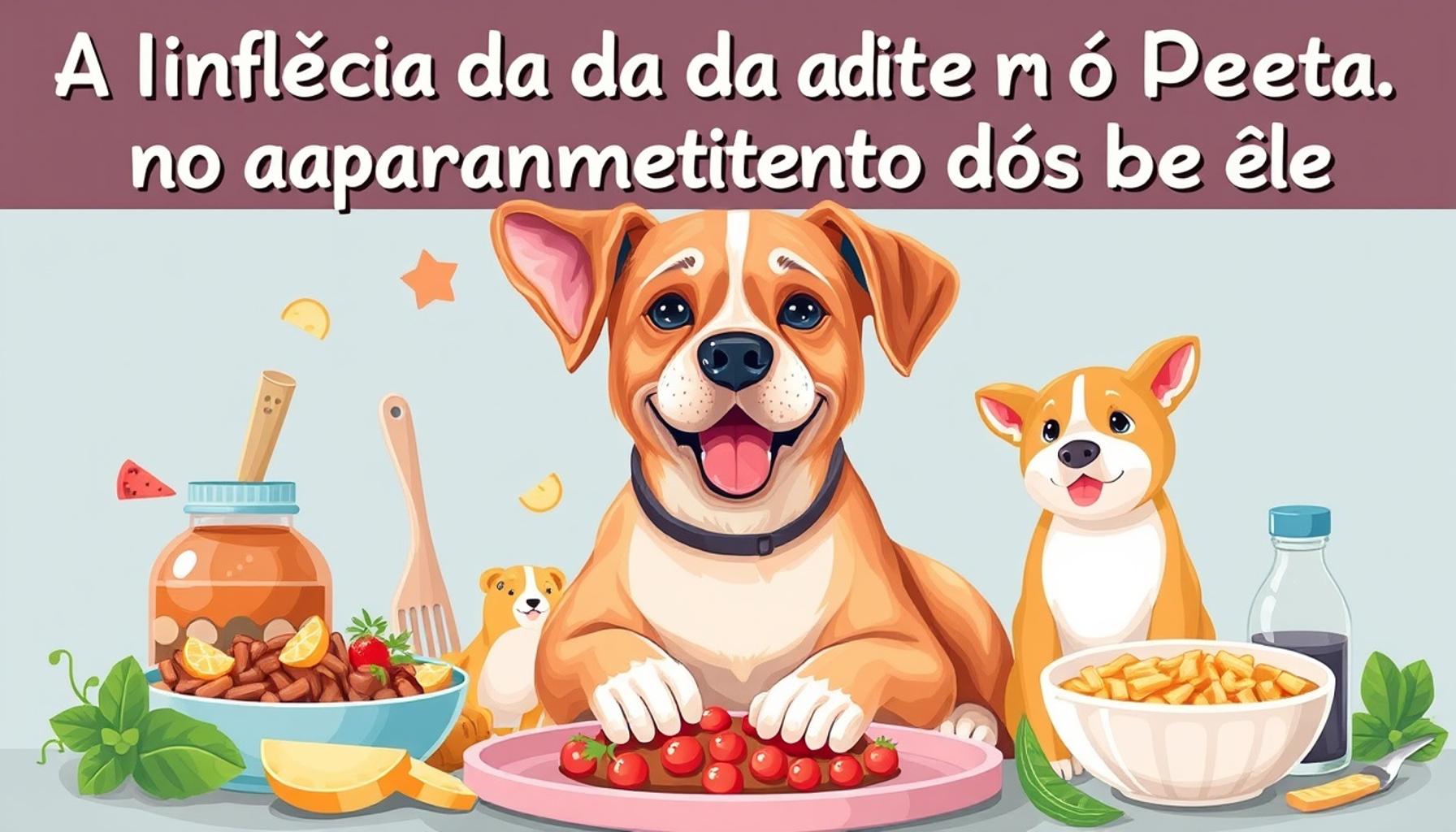
The Influence of Diet on Pet Behavior
Have you ever noticed how your pet’s mood changes after a meal? The connection between diet and behavior is not only fascinating but crucial for ensuring our furry friends lead happy, fulfilling lives. Recent studies have shown that what we feed our pets influences not just their physical well-being but also significantly alters their behavior and emotional states. Understanding these nuances can help pet owners make better dietary choices that foster not just health but happiness.
Specific Food Types and Their Effects
Certain ingredients in pet food may lead to notable changes in behavior. For instance, high-protein diets are known to increase energy levels in many dogs, making them more playful and active. Conversely, diets rich in simple carbohydrates might lead to lethargy, leaving your pet more inclined to nap than to play. Additionally, highly processed foods often contain additives and preservatives, which have been linked to increased anxiety and hyperactivity in pets.
The Role of Nutrients
Specific nutrients play a pivotal role in shaping pet behavior. For example, Omega-3 fatty acids, often found in fish oil, have been shown to support cognitive function and reduce anxiety in cats and dogs. These fatty acids can be particularly beneficial for older pets where cognitive decline is a concern. In contrast, artificial additives, such as coloring and flavoring agents, may have a detrimental effect, leading to behavioral issues such as aggression or over-excitement.
Behavioral Changes Linked to Diet
Behavioral changes in pets can stem directly from what they consume. Pets on a subpar diet might exhibit aggression, heightened shyness, or unusual vocalization—often signs of discomfort or frustration. For instance, a pet that suddenly begins to bark excessively may respond to dietary changes affecting their energy levels or anxiety. Understanding these behaviors empowers pet owners to make dietary adjustments that could alleviate these issues, leading to a more harmonious home life.
The Questions Every Pet Owner Should Ask
As pet parents, we must ask ourselves the right questions about our pets’ nutrition. How do different food brands and formulations impact anxiety levels in our companions? Are there particular diets known to enhance socialization skills, or could an inappropriate diet exacerbate behavioral issues? For example, some breeds, like Border Collies, thrive on high-protein diets that support their hyperactive nature, while other breeds may require a more balanced composition to maintain calmness.
Embarking on the journey to understand the connection between diet and behavior opens doors to a better, happier life for our pets. As we consider flavors, ingredients, and specific dietary needs, we unlock the potential for joyful, balanced relationships with our beloved furry friends. The next time you fill your pet’s bowl, consider not just the taste and texture, but the profound impact those choices may have on their behavior and overall well-being.
DISCOVER MORE: Click here for fun indoor games for your cats!
The Influence of Diet on Pet Behavior
Understanding the Link: Diet and Behavior
The intricate relationship between diet and pet behavior is becoming increasingly recognized among pet owners and veterinarians alike. Modern research demonstrates that a pet’s food not only influences their physical health but can also have profound implications for their behavior. Dogs and cats may show signs of stress, agitation, or depression that correlate directly with dietary habits. It’s crucial to investigate how different types of food affect our pets, as a well-informed choice can lead to better behavior and an enhanced quality of life.
Protein and Energy Levels: The Playful Pup vs. The Couch Potato
One of the most straightforward links between diet and behavior can be observed in protein consumption. High-protein diets are especially beneficial for active pets. Dogs, particularly those of energetic breeds like the Labrador Retriever or Border Collie, thrive on foods rich in protein, which fuels their playful spirit. Conversely, pets consuming high levels of simple carbohydrates—found in many processed foods—may become lethargic, leading to decreased engagement with their surroundings. Identifying the right balance of protein tailored to your pet’s lifestyle can invigorate them, making meals a catalyst for active playtime.
- High-Protein Diet: Increases energy, enhances playfulness.
- High-Carbohydrate Diet: Can lead to lethargy and reduced interaction.
- Fatty Acids: Essential in fostering cognitive function and emotional well-being.
The Impact of Additives on Behavior
Artificial additives and preservatives found in many commercial pet foods can significantly impact behavior. Studies indicate that pets consuming diets laden with these substances often display increased anxiety and hyperactivity. It’s suggested that such additives can interfere with a pet’s ability to regulate their moods and behaviors, leading to unwanted behavioral issues such as excessive barking, destructive chewing, or even aggression. Thus, it’s not just the primary ingredients of a pet’s diet that matter, but also what is excluded. Opting for natural and minimally processed foods can result in calmer, more composed pets.
Essential Nutrients: The Building Blocks of Good Behavior
Nutrients are the foundation of a pet’s physical and mental health. Specific vitamins and minerals play crucial roles in maintaining a steady mood and stable behavior. Omega-3 fatty acids, for example, are vital for cognitive health and emotional stability in pets. Found in fish oil and flaxseed, these fatty acids contribute to reducing anxiety levels. For cats, certain amino acids such as taurine are necessary for optimal brain function and mood regulation. Failing to provide these essential nutrients can potentially result in behavioral changes including increased aggression or anxiety.
In summary, pet owners are encouraged to pay attention not just to what goes into their pets’ bowls, but to recognize how dietary choices shape their pets’ behavior. Through mindful ingestion of nourishing, high-quality foods, we can unlock the door to a happier and healthier relationship with our beloved companions.
| Diet Type | Behavioral Impact |
|---|---|
| High-Protein Diet | Supports energy levels and vitality, potentially reducing aggressive tendencies in pets. |
| Grain-Free Diet | May lead to improved digestion and calmer behavior, particularly in dogs prone to anxiety. |
The research surrounding the influence of diet on pet behavior reveals surprising connections. A high-protein diet is often associated with enhanced energy levels, which can lead to a reduction in aggressive behaviors. For instance, pets that receive a diet rich in animal protein tend to exhibit increased vitality, which may help alleviate frustrations that can manifest as aggressive responses in certain breeds. On the other hand, a grain-free diet might offer significant benefits for pets that struggle with digestive issues. Many pet owners report that switching to grain-free options results in better digestion and a decrease in anxiety-related behaviors, particularly in dogs. This nutritional modification can lead to a more relaxed demeanor, highlighting the profound impact of food choices on both the physical and mental health of pets. Continued exploration of dietary effects can reveal deeper insights into how what we feed our furry companions shapes their behaviors and overall well-being, encouraging pet owners to consider their pets’ diets seriously.
LEARN MORE: Click here to discover safe supplement use for your pets
The Role of Diet in Promoting Overall Well-Being
Gut Health and Mood Regulation
The connection between gut health and behavior is a burgeoning area of research that offers fascinating insights into the diets of our pets. Just as in humans, the gastrointestinal tract in pets plays a crucial role in regulating mood and behavior. Probiotics, which promote a healthy gut microbiome, can mitigate behavioral issues such as anxiety and aggression. For instance, specific strains of probiotics have been shown to reduce signs of stress in dogs during thunderstorms or fireworks, a common source of fear. Foods that incorporate natural probiotics, like fermented items or fortified kibbles, can be a game changer for pets affected by environmental stressors.
The Importance of Fiber in Behavior Management
Often overlooked, fiber plays a significant role in a pet’s diet and, consequently, their behavior. A diet rich in fiber aids digestion and can help to regulate energy levels. This regulation is particularly important for pets predisposed to obesity or those that tend to overeat. An appropriate fibrous diet can lead to better weight management and subsequently reduce the likelihood of behavioral issues stemming from discomfort or lack of energy. When pets are well-fed and comfortable, they are less likely to engage in destructive behaviors due to boredom or anxiety. Foods high in fiber, such as pumpkin or brown rice, can be sleek additions to any pet’s dietary regimen.
Specialty Diets and Behavioral Solutions
The growing market for specialty diets tailored to particular breeds or issues is indicative of the increasing recognition of the influence diet has on behavior. For example, certain diets are designed specifically for senior dogs or pets with anxiety issues, incorporating ingredients known to promote relaxation and ease stress. These specialized foods can be enriched with herbs like chamomile or valerian root, which have natural calming properties. Pet owners may also opt for diets enriched with L-tryptophan, an amino acid precursor to serotonin, which can help mitigate behavioral problems stemming from anxiety or fear.
The Psychological Impact of Feeding Practices
Another dimension to consider is the psychological impact of feeding practices on pet behavior. The ritual of feeding can contribute to a sense of stability and routine in a pet’s life. Feeding time should not only be about nutrition—it’s also an opportunity for bonding and positive reinforcement. Feeding practices such as using puzzle feeders can engage a pet’s mental faculties and reduce boredom, which is one of the leading causes of behavioral issues. Dogs or cats left alone for long periods may become anxious or destructive; thus, strategies that promote engagement during mealtime can cultivate a more balanced and content pet.
- Probiotics: Improve gut health, reducing anxiety and mood swings.
- Fiber: Regulates energy and aids in weight management, diminishing behavioral issues.
- Specialty diets: Tailored nutritional solutions for behavioral challenges.
- Interactive feeding: Encourages mental stimulation, reducing boredom-related behaviors.
As research continues to unveil the relationship between diet and behavior, pet owners are encouraged to take inventory of not just what they feed their pets but also how they feed them. Exploring the multifaceted influence of nutrition can lead to remarkable changes in pet behavior and overall happiness.
DISCOVER MORE: Click here to learn effective training techniques
Conclusion: Unveiling the Connection Between Diet and Pet Behavior
In the intricate tapestry of pet ownership, understanding the influence of diet on pet behavior is crucial for fostering a harmonious relationship with our furry companions. As outlined in this exploration, diet is not merely a means of sustenance but a catalyst for behavioral change. From enhancing gut health to regulating mood, the right foods can be pivotal in addressing behavioral issues prevalent in pets today.
Moreover, the significance of fiber and specialty diets tailored to specific behavioral needs reflects an evolving understanding of nutrition’s role in overall well-being. As pet owners, being mindful of what we feed our pets, alongside how we engage with them during mealtime, can lead to happier, more balanced lives. Techniques such as interactive feeding not only provide nourishment but also promote mental stimulation and bonding, mitigating the factors that may trigger anxiety or destructive behaviors.
As scientific research continues to reveal the nuances of this relationship, pet owners are encouraged to delve deeper into the dietary choices available. Whether it’s selecting foods rich in probiotics, adjusting fiber content, or exploring calming specialty diets, the potential for positive change is within reach. By becoming an advocate for informed dietary practices, pet owners can pave the way to not only improve their pets’ behavior but enhance their overall quality of life. An investment in our pets’ nutrition is, ultimately, an investment in their happiness and well-being.


 Beatriz