
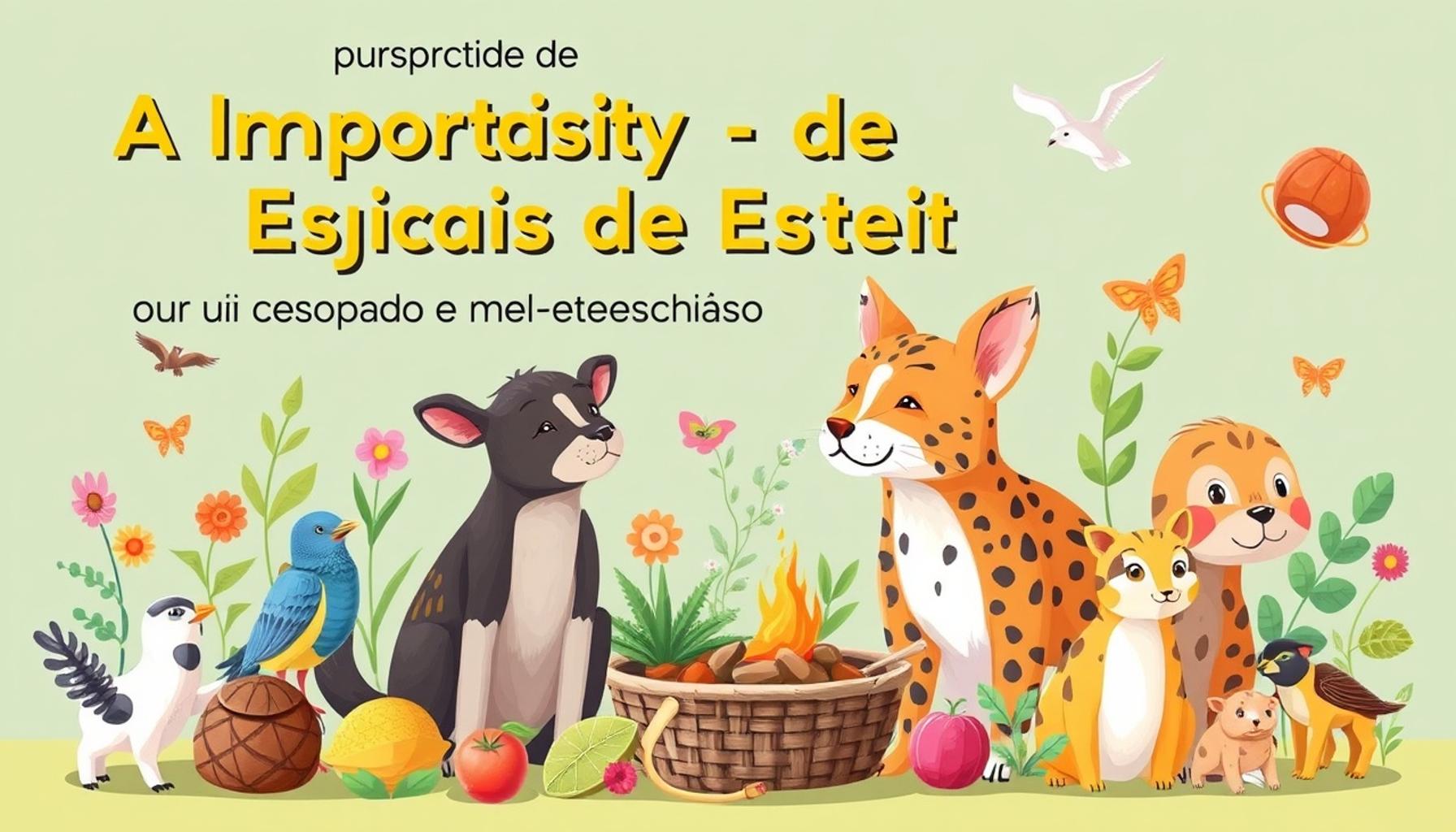
Exploring the Role of Diverse Pets in Family Well-Being
In an age where emotional connection is paramount, animals step in as vital companions that enrich family dynamics and enhance overall well-being. While dogs and cats often dominate the spotlight as the quintessential pets, families may find that species diversity introduces a multitude of benefits. Integrating various pets into our homes cultivates an engaging and supportive environment that boosts emotional health and encourages socialization among family members.
Interesting Choices for Family Pets
Families today have a treasure trove of choices when it comes to selecting pets, each offering its own unique set of joys and responsibilities. Consider small mammals like hamsters and guinea pigs; these creatures are not only adorable and easy to care for but also come with lively personalities that can provide hours of entertainment.
Similarly, birds such as parakeets and cockatiels can become chatterboxes in the home, often mimicking sounds and speaking words, which fosters interaction and can bring laughter and joy to the household. Their vibrant colors and melodious songs add life to any space, making them a delightful addition.
Reptiles, including turtles and bearded dragons, offer an entirely different experience. While they require specialized habitats, their unique behaviors, like basking under heat lamps or changing colors, can captivate family members and spark a desire to learn more about these fascinating creatures. For those interested in tranquility, maintaining a tank of colorful fish such as guppies and bettas can be a peaceful endeavor. Aquariums serve as living art pieces, and watching fish swim can induce a sense of calm and mindfulness.
The Benefits of Species Diversity
The benefits of having a variety of pets go beyond mere companionship. Each type of animal contributes to the family’s emotional fabric, weaving connections that teach valuable lessons about empathy, responsibility, and commitment. Children, in particular, learn to care for others, developing nurturing skills that will serve them well into adulthood.
Research indicates that families with diverse pets often experience lower levels of stress and improved emotional health. The simple act of petting an animal or caring for it can release oxytocin, a hormone that promotes bonding and emotional well-being. Consequently, households that embrace a variety of species can undoubtedly transform into more joyful and harmonious environments.
As we further explore the importance of species diversity in pets, it becomes clear that these animals contribute to our lives in countless ways, fostering bonds that enhance our overall happiness. Understanding this complexity not only illuminates the roles these creatures play in our lives but also encourages us to appreciate the diverse relationships that enrich our family dynamics.
DIVE DEEPER: Click here to discover more
Understanding the Unique Contributions of Diverse Pets
One of the core advantages of species diversity in pets lies in their ability to cater to different facets of family life, ultimately fostering emotional growth and enhancing well-being. Unlike traditional pets, such as dogs and cats, diverse species often come with their own unique behavioral traits and care requirements, introducing variety that keeps family dynamics vibrant and engaging. For example, small mammals like rabbits and ferrets are not only playful but also offer distinct interactions, encouraging families to adapt their gaming styles and nurturing approaches.
Moreover, the integration of various types of pets serves to fulfill different emotional needs within the family unit. Children can benefit immensely from the varied interactions with species that offer different types of companionship. Here are several unique contributions that diverse pets can make:
- Social Development: Animals such as guinea pigs can foster social skills in children, as they require gentle handling and social interaction, teaching kids to communicate effectively.
- Empathy and Care: Caring for reptiles, which have specific environmental and dietary needs, helps instill a sense of responsibility in family members, emphasizing the importance of attention to detail and consistent care.
- Stress Relief: Watching fish swim in an aquarium can provide a calming effect, lowering stress levels and enhancing mindfulness for all family members, particularly after a busy day.
- Engaging Learning Opportunities: Each species comes with its own set of behaviors and characteristics that can stimulate inquiries and discussions, promoting critical thinking and enthusiasm for learning, especially in children.
By introducing various pets into the home, families not only diversify their connections but also deepen their understanding of animal behavior. This educational component cannot be understated; families often bond over shared experiences of learning and discovery. For instance, a child engaged in caring for a turtle can develop an affinity for nature, leading to a broader interest in conservation and environmental stewardship.
Furthermore, families that embrace species diversity in pets often report enhanced interactions among family members. The shared responsibility for caring for a pet—whether it is feeding a lizard, cleaning a cage for a rabbit, or simply enjoying the sounds of a parakeet—fosters teamwork and promotes stronger communication within the household. Such collaboration reinforces the family structure and enhances mutual support, leading to a more cohesive and nurturing living environment.
As we continue to delve into the significance of species diversity among pets, it’s essential to recognize that these varied companions uplift our mental health while simultaneously enriching our lives with different perspectives and experiences. By understanding the multifaceted roles that these animals play within our families, we can appreciate the profound effects they have on our collective well-being.
| Advantages | Description |
|---|---|
| Enhanced Emotional Support | A diverse mix of pets, such as dogs, cats, and birds, contributes to varied forms of emotional support, enhancing family bonds. |
| Geographical and Cultural Variety | Introducing pets from different regions and cultures can enrich family experiences and foster understanding of biodiversity. |
| Improved Physical Activity | Having multiple types of pets encourages a more active lifestyle for family members as they engage in various activities. |
| Learning Opportunities | Diverse species in the home offer valuable educational moments, fostering interests in biology, ecology, and responsibilities of pet care. |
The inclusion of various species not only cultivates a rich relationship among pets but also instills a profound understanding of environmental responsibilities. Families can learn the significance of biodiversity and conservation simply by caring for a mix of pets. Each species contributes uniquely to the emotional health of family members, catering to different types of companionship needs. Understanding the intricacies of pet care across diverse species can guide family discussions about sustainability and the ecosystem. Such educational moments support children’s cognitive development and encourage curiosity about the world around them, thus building a foundation for future lifelong learners.
DIVE DEEPER: Click here to learn more
Enhancing Family Dynamics Through Varied Pet Species
The incorporation of a diverse range of species in the family pet mix can significantly impact family dynamics by promoting engagement and encouraging shared responsibilities. As families navigate the demands of everyday life, the presence of multiple pet types facilitates opportunities for interaction and cooperation. For instance, a household with both dogs and hamsters can encourage collaboration in caregiving tasks, teaching children the value of teamwork as they share duties between different species, such as taking the dog for a walk while another family member tends to the hamster’s habitat. This division of responsibility not only lightens the load but also creates a communal effort centered around the well-being of the pets.
Furthermore, the varied educational aspects linked with species diversity encourage family members to engage in meaningful conversations and shared learning experiences. When family members delve into the unique requirements and characteristics of different pets, such as understanding the intricacies of bird behavior versus the quiet needs of a fish tank, it fosters a culture of curiosity and collaborative learning. Parents often report that these interactions spark discussions that might not occur in other contexts, allowing for deeper connections and the exchange of ideas among family members.
Moreover, the emotional enrichment that comes from having different species in the home cannot be overstated. For example, dogs are known for their loyalty and ability to provide companionship, while cats often exude an independent charm that offers a different type of affection. Having a variety of pets allows family members to experience a broader spectrum of emotional connections, with each pet contributing its own type of emotional support. This variability can be particularly beneficial for children, as they navigate their social landscapes, developing different aspects of their emotional intelligence through interaction with both affectionate and more aloof species.
Additionally, the presence of exotic pets can spark interest and excitement within the family unit. Reptiles, birds, and even tarantulas can offer a sense of wonder and curiosity, prompting families to explore and learn about these unique creatures. Going beyond traditional pets opens up avenues for exciting family outings to local zoos or exotic pet expos, creating memorable experiences that bind families closer together. Research suggests that such engagements can enhance family bonding and involve enjoyable learning that extends beyond the home.
The health aspect of species diversity also merits attention. Families with multiple pet species often benefit from a more active lifestyle, as different pets require different types of care and exercise routines. Dog owners may lead more active lives by taking their dogs for walks or engaging in outdoor activities, while cat owners might find joy in interactive play, stimulating their pets’ natural instincts. Engaging with various species enriches the physical activity levels within the family, contributing to overall well-being and a healthier lifestyle.
In light of these benefits, it becomes evident that the importance of species diversity in pets extends far beyond companionship alone. It enriches family life through emotional connections, educational opportunities, collaborative responsibilities, and enhanced physical activity, ultimately fostering a harmonious and vibrant family environment.
DISCOVER MORE: Click here to learn how pets can enhance your well-being
Conclusion: A Diverse Menagerie for Thriving Families
In conclusion, the importance of species diversity in pets transcends mere companionship, offering profound benefits that enhance the fabric of family life. By maintaining a diverse array of pets, families not only cultivate engaging dynamics but also foster a rich ecosystem of learning, emotional intelligence, and shared responsibilities. As family members collaborate in caring for various species, they learn essential life skills such as teamwork, compassion, and patience. Such experiences are invaluable, particularly for children, as they navigate their emotional and social development.
The diversity among pets also enriches the emotional landscape within a home, from the unwavering loyalty of dogs to the quiet affection of cats, or the marvelous presence of exotic creatures. Each species contributes a unique form of emotional support, helping families build stronger bonds and create lasting memories. Furthermore, as families embark on explorations to learn about different pets, whether through local excursions or hands-on care, they participate in activities that not only strengthen their connections but also contribute to healthier, more active lifestyles.
In a world where the well-being of both individuals and families is increasingly prioritized, embracing the richness of species diversity in pets emerges as a transformative solution. As families consider their pet choices, it is imperative to recognize how this diversity can enhance their collective experience, leading to improved well-being and a more fulfilling life together. Engaging with a variety of species invites curiosity, cultivates responsibility, and ultimately creates a nurturing environment where every family member can thrive.


 Beatriz