
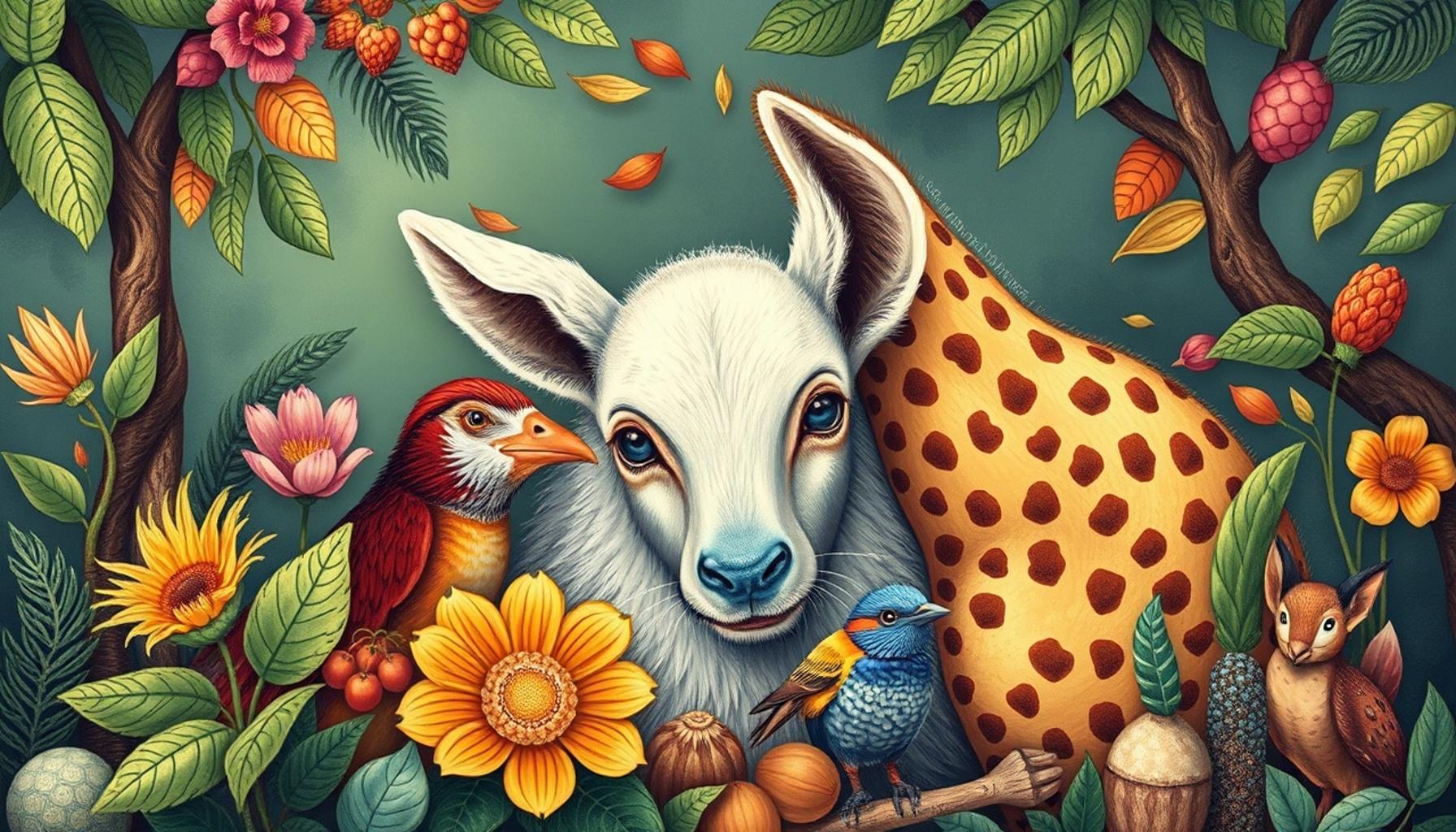
The Importance of Pet Species Diversity in Communities
In today’s society, pets are more than just animals; they are integral to the fabric of our communities. They offer companionship, joy, and emotional support to countless individuals, contributing to a profound sense of belonging and well-being. When we consider the impact of pet species diversity, it becomes evident that a wide range of animal companions can greatly enrich community life and foster inclusivity.
While many people picture dogs and cats as the quintessential pets, the reality is that pet species diversity includes an extensive array of animals. These can range from small mammals like hamsters and rabbits to more exotic companions such as reptiles and amphibians. For instance:
- Small mammals: Animals like guinea pigs and gerbils can provide children with a sense of responsibility and companionship while being relatively low-maintenance.
- Reptiles: With pets such as iguanas and corn snakes growing in popularity, they serve as unique educational experiences about their care, habitats, and the ecosystems they come from.
- Birds: Parrots and canaries are not only vibrant and colorful, but they can also engage in vocalizations, offering a different dimension of companionship.
- Amphibians: Creatures like axolotls and poison dart frogs hold intrigue and present a different type of pet ownership, teaching us about biodiversity and conservation needs.
This rich tapestry of pet species not only reflects personal preferences but also creates avenues for building acceptance and understanding within the community. By embracing a diverse range of pets, neighborhoods can achieve several vital benefits:
- Encouraging interactions: Pet species diversity can act as a catalyst for conversations and connections among community members with varied interests and backgrounds.
- Enhancing cultural appreciation: Different cultures have distinct relationships and practices surrounding pet ownership; for example, the popularity of exotic birds in South American traditions versus the reverence for dogs in many Asian cultures.
- Promoting education: Community programs and workshops can be developed to educate the public on proper pet care and the ecological roles of various species, fostering respect and understanding for all living beings.
In essence, the concept of inclusivity transcends just human interactions. Recognizing the significance of varying pet species contributes to a holistic understanding of how communities function and thrive together. By celebrating and integrating this diversity into daily life, we can shape vibrant, inclusive communities where all forms of life are valued and appreciated. Join us as we explore the myriad ways pet species diversity can enrich our lives and strengthen the bonds within our neighborhoods.
Fostering Connection Through Pet Species Diversity
As communities become more interconnected, the role of pet species diversity emerges as a powerful tool for fostering connections and breaking down barriers. While traditional pets like dogs and cats play significant roles in many households, embracing a broader spectrum of animal companions can have profound implications for social dynamics. The presence of various species encourages unique interactions that enrich community life, fostering a sense of belonging for all.
One of the primary advantages of pet species diversity is its ability to stimulate conversations and social interactions among community members. When individuals introduce pets that differ from the norm, such as a ferret or a parakeet, it naturally piques curiosity. This curiosity can lead to discussions about care routines, the pet’s unique needs, and the owner’s motivations behind choosing that species. Such dialogues often transcend casual acquaintance, building deeper relationships based on shared interests, challenges of pet ownership, and mutual respect for diverse lifestyles.
Moreover, the cultural significance of various pets contributes to a richer community tapestry. Different cultures come with their customs and preferences concerning pet ownership. For instance, the American fondness for dogs as loyal companions contrasts sharply with the reverence for birds in many Latin American households, where magnificent parrots are seen as symbols of beauty and communication. Recognizing these differences not only promotes cultural appreciation but also encourages community members to learn and respect one another’s backgrounds, therefore creating a more inclusive environment.
Educational opportunities also arise from pet species diversity. Communities can harness the presence of different pets to create programs that promote knowledge-sharing. Workshops on proper care techniques for exotic pets or discussions about the ecological roles of various species provide avenues for enriching interactions and dispelling myths associated with less common pets. Such educational initiatives can empower individuals to become responsible pet owners while increasing community awareness about biodiversity and conservation efforts. This knowledge exchange fosters an environment of respect toward all creatures, making communities more welcoming and compassionate.
Furthermore, communities that embrace pet species diversity experience a unique psychological uplift. Studies indicate that having a small range of pets can contribute positively to humans’ mental well-being. The variety encourages individuals to explore different forms of companionship, offering new insights into emotional connections. People may find unexpected joy in caring for a snake or discovering the personality of a rabbit, which in turn broadens their understanding of what it means to connect with another living being.
In conclusion, the incorporation of diverse pet species in community life lays the groundwork for a rich environment where connection, appreciation, and education flourish. Recognizing and valuing these differences brings about a greater sense of inclusivity, allowing every member of the community to feel seen, valued, and understood. By celebrating this diversity, we can work towards more resilient communities that acknowledge the significance of all inhabitants, both human and animal alike.
Pet species diversity plays a critical role in fostering inclusive communities, largely due to its ability to promote social connections and enhance emotional well-being. When various species are present, community members can engage in shared experiences that transcend species lines, allowing for unique interactions that enrich relationships among residents. Such interactions encourage empathy and understanding among diverse groups, ultimately leading to a more harmonious living environment.
Furthermore, diverse pet species contribute to educational opportunities within the community. For instance, children and adults alike can learn about different animals’ care, behavior, and needs, fostering a sense of responsibility. This educational aspect can be essential in developing compassion toward all living beings, reinforcing the idea that every pet, regardless of species, has its rightful place in the community.
Another significant advantage is the mental health benefits associated with pet ownership. Studies have shown that having pets can reduce stress, anxiety, and feelings of loneliness. When communities embrace a variety of pet species, they also support the diverse emotional needs of their residents. The act of interacting with a variety of animals can help individuals find joy and comfort, particularly those who may feel isolated.
Moreover, pet species diversity can cater to a wide range of preferences and lifestyles, making the community more appealing to potential residents. Whether it’s dogs, cats, birds, or exotic pets, the availability of various species can attract people from different backgrounds. This variety not only enhances the neighborhood’s charm but also ensures that everyone’s needs are considered, encouraging a sense of belonging among different community members.
| Category | Description |
|---|---|
| Social Connections | Diverse species encourage community bonding through shared experiences among residents. |
| Educational Opportunities | Learning about different pets fosters responsibility and compassion for all creatures. |
| Mental Health Benefits | A range of pets can reduce stress and improve residents’ emotional well-being. |
| Attracting Diverse Residents | Variety in species appeals to potential residents, supporting inclusivity within the community. |
Enhancing Community Engagement and Responsibility
The impact of pet species diversity extends beyond individual connections; it plays a crucial role in enhancing community engagement and shared responsibility. With the rise of community pet events that celebrate various species, local organizations and municipalities are finding innovative ways to foster involvement among residents. For instance, organizing pet parades, adoption drives, and educational fairs that include a spectrum of pets—from reptiles to small mammals—engages a wider audience and encourages participation across different demographics. Such events not only raise awareness about pet care but also serve as platforms for discussion on responsible pet ownership and the unique challenges that come with various species.
Moreover, volunteerism opportunities related to pet species diversity are prevalent within communities. Organizations focused on animal welfare often seek volunteers for tasks such as socializing exotic pets, assisting at animal shelters, or participating in wildlife rehabilitation programs. Community involvement in these initiatives fosters a sense of ownership and responsibility towards all creatures, regardless of species. This extent of collaboration helps embed a culture of empathy and stewardship throughout the community, encouraging residents to look beyond their immediate surroundings and appreciate the larger ecosystem in which they live.
Cultivating Inclusivity Through Shared Experiences
Shared experiences involving diverse pet species can cultivate a deeper sense of inclusivity among community members. Engaging in activities such as breed-specific meet-ups, pet training classes, or nature walks with a variety of animals can spark friendships among pet owners with different backgrounds. For example, a community dog walker might team up with a neighbor with a parrot to create an afternoon of fun, introducing their pets to each other and sharing stories of their respective species. These interactions can serve as a bridge between individuals who might otherwise remain disconnected, fostering an understanding of one another’s interests and lifestyles.
Additionally, the rise of social media has created a unique space for pet lovers to connect and share their experiences. Online platforms dedicated to pet species diversity showcase stories, tips, and advice, attracting individuals who are eager to learn and engage with others who have unique pets. By participating in both online discussions and in-person meet-ups, community members can build connections that extend beyond their immediate social circles, amplifying inclusivity within their neighborhoods.
Furthermore, pet species diversity can also play a pivotal role in fostering emotional support and therapeutic interactions. Many community members find solace in the companionship of unconventional pets, leading to initiatives where organizations pair therapy animals with individuals in need of emotional support. This approach encourages the acceptance of diverse species while highlighting their potential to provide comfort and healing, ultimately strengthening community ties.
Through programs that nurture emotional bonds, communities can become more resilient, as individuals lean on one another and their furry, scaly, and feathery friends during challenging times. As localities find ways to integrate diverse pet ownership into public well-being initiatives, the overall quality of life can improve significantly, resonating with all citizens—regardless of their backgrounds.
Conclusion
In conclusion, pet species diversity plays a transformative role in creating inclusive communities, enhancing the fabric of social interactions and community bonds. By welcoming a multitude of pet species—from dogs and cats to reptiles and small mammals—communities can foster engagement, empathy, and shared responsibility among residents. The interaction and connection facilitated by diverse pet ownership promote interest, understanding, and acceptance, bridging gaps between individuals with varying backgrounds.
Participation in activities and initiatives surrounding pet species diversity not only enriches community life but also contributes significantly to mental health and emotional well-being. These pets serve as vital sources of companionship and support for many, demonstrating their importance in nurturing resilience and harmony within neighborhoods. As communities increasingly embrace the benefits of varied pet ownership, they cultivate environments that celebrate differences, urging residents to appreciate the unique contributions of every species.
This inclusivity is further amplified through social media platforms that create an online space for pet owners to share their experiences and insights. Ultimately, the integration of pet species diversity into our community frameworks challenges us to rethink our approach to connection and empathy. It’s a call to embrace the richness that comes from variety—not just in our pets, but in our interactions and our shared lives. By prioritizing diverse pet ownership, we take a significant step toward building inclusive, vibrant, and resilient communities that resonate positively with all members of society.


 Beatriz