
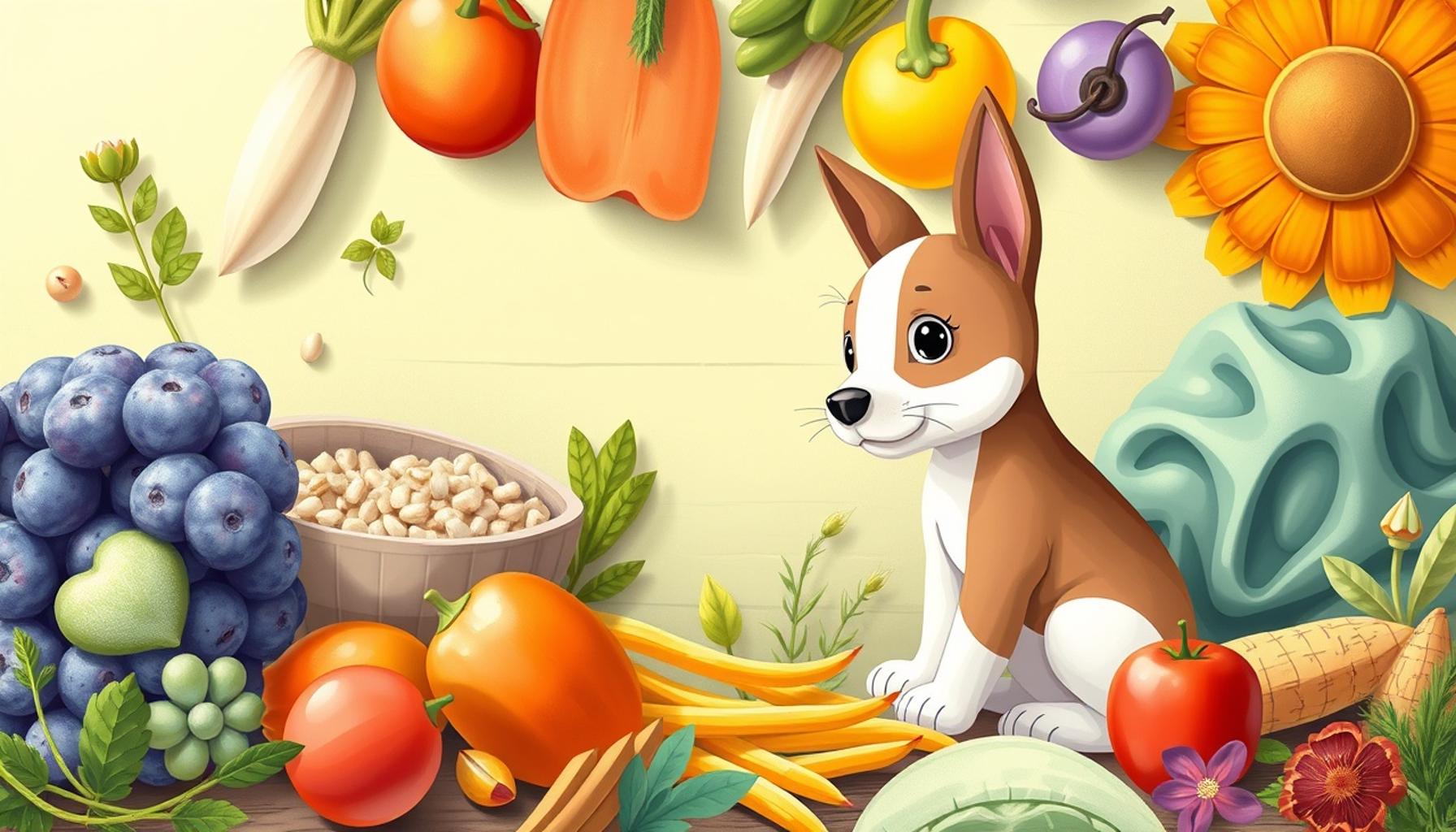
The Shift Towards Natural and Organic Pet Foods
Pet owners across the United States are increasingly prioritizing their pets’ health by making conscientious dietary choices. The trend toward natural and organic foods for pets stems from a growing awareness and understanding of nutrition’s pivotal role in overall wellbeing. This movement reflects broader societal trends focused on health and wellness, marking a shift away from highly processed pet foods that dominate store shelves.
One of the foremost reasons pet owners are embracing organic options is the potential for improved digestion. Natural ingredients such as whole meats, vegetables, and grains generally provide easier and more efficient digestion compared to by-products and fillers often found in conventional pet foods. For example, while a typical kibble may contain corn or wheat, which can be problematic for many animals, a high-quality organic food may opt for oatmeal or brown rice, which are gentler on the digestive system. This shift can lead to less gas, firmer stools, and a decrease in gastrointestinal distress.
In addition to digestive benefits, allergy management is another compelling factor driving pet owners toward organic diets. Many pets suffer from sensitivities to artificial flavors, preservatives, and chemicals found in mainstream pet foods. These additives can trigger reactions ranging from skin irritations to more severe gastrointestinal issues. By choosing organic, pet owners often reduce the likelihood of such reactions, knowing that these products contain fewer allergens. For instance, brands that market their foods as “grain-free” or “limited ingredient” can provide tailored solutions for pets with specific sensitivities.
Furthermore, the better nutritional value of organic foods cannot be overlooked. Many organic pet food brands prioritize sourcing high-quality ingredients rich in essential nutrients, such as vitamins, minerals, and omega fatty acids. This focus on nutrition can help support various aspects of a pet’s health, including their immune system, coat condition, and energy levels. For instance, classic organic ingredients such as salmon can contribute to a shiny coat while providing healthy fats essential for heart health.
It’s noteworthy that the benefits of organic diets are not confined to dogs and cats. Smaller animals like rabbits and birds also thrive on natural diets aligned with their nutritional requirements. These foods, often formulated with care, can enhance the longevity and vitality of these pets, as well. By providing a balanced diet tailored to their specific needs, owners can better ensure the health and happiness of their pets.
As we consider the implications of natural and organic foods for our pets, it becomes imperative to explore the ingredients that go into their meals critically. Are these choices aligned with what experts recommend? What certifications should a pet owner look for when shopping for food? By investigating these key aspects, pet owners can make informed decisions that truly support their furry companions’ health and happiness.
Unpacking the Ingredients: What to Look For
When diving deeper into the world of natural and organic pet foods, it’s essential to understand what differentiates these options from their conventional counterparts. Pet food labels can often be confusing, but knowing the key components can empower pet owners to make informed choices that align with their pets’ health needs.
One major aspect to consider is the source of the ingredients. Natural pet food brands often prioritize sourcing proteins from free-range, grass-fed, or sustainably caught animals. This not only benefits the environment but also ensures that pets are receiving high-quality meat devoid of harmful chemicals, hormones, and antibiotics. Moreover, many organic products will feature a certified organic label, indicating that the ingredients are grown without synthetic pesticides or fertilizers, contributing to a cleaner food source.
Additionally, organic pet foods typically avoid artificial preservatives, flavor enhancers, and colors, opting instead for natural alternatives that retain freshness while being safer for pets’ health. Here are some ingredients to keep an eye on when selecting a natural or organic pet food:
- Whole meats: Look for named meat sources (like chicken or salmon) at the top of the ingredient list, indicating high protein content.
- Complex carbohydrates: Ingredients such as sweet potatoes, quinoa, and brown rice provide energy and promote digestive health.
- Healthy fats: Omega fatty acids from sources like fish oil or flaxseed can enhance coat health and boost the immune system.
- Fruits and vegetables: Ingredients like blueberries, carrots, and spinach add antioxidants and essential vitamins that promote overall health.
Moreover, understanding the concept of bioavailability is crucial. This term refers to the proportion of nutrients that are absorbed by the body after consumption. Organic foods often have higher bioavailability due to their lack of fillers and synthetic ingredients, ensuring pets receive more of the nutrients they need. This can lead not just to improved physical health, but also to enhanced energy levels and vitality—elements that contribute to a pet’s quality of life.
The importance of transparency in the pet food industry cannot be overstated. Many consumers are recognizing the significance of knowing that the food they provide to their pets is not just nutrient-rich but also ethically sourced. As a result, manufacturers are being held to higher standards, with a strong pivot towards transparency in ingredient sourcing and production processes. This growing awareness is empowering pet owners to choose brands that not only prioritize their pets’ health but also promote sustainable practices.
As more pet owners become acquainted with the positive impact of natural and organic ingredients, the shift is likely to continue impacting the market significantly. The challenge now lies in ensuring that quality and nutritional benefits are consistently aligned within the food choices available to pet owners across the United States.
The Benefits of Natural and Organic Foods in Pet Diets
When considering what to feed our pets, many pet owners are increasingly turning to natural and organic foods. These diets offer a multitude of advantages that not only enhance the well-being of pets but also contribute to their overall health. Natural and organic foods are free from artificial preservatives, colors, and flavors, making them a safer choice for your furry companions. Furthermore, the high-quality ingredients in these foods can lead to improved digestion, healthier skin and coat, and increased energy levels.
Adopting a diet rich in organic ingredients often means that pets receive higher nutrient profiles compared to conventional pet food. Organic sources tend to have more essential vitamins and minerals, which are essential for the growth and maintenance of healthy body functions. Moreover, natural foods can help reduce the risk of allergies and sensitivities that many pets experience due to fillers and chemicals present in some commercial diets.
| Advantage | Description |
|---|---|
| Improved Digestion | Natural ingredients promote better digestion and nutrient absorption. |
| Enhanced Nutrient Content | Organic foods are rich in essential vitamins, minerals, and antioxidants. |
In addition to physical health benefits, a shift towards natural and organic foods can also have positive environmental impacts. Many of these products are sustainably sourced, reducing the carbon footprint and fostering ecological stewardship. As consumers become more aware of the sourcing practices behind pet food, they can choose brands that align with their values.
Ultimately, transitioning to a natural and organic diet for pets is not only about improving their health but is also a lifestyle choice that echoes a commitment to sustainability and ethical practices. For pet owners looking to explore more about the advantages of feeding their pets organic foods, numerous resources are available that detail various ingredients and their specific benefits.
The Nutritional Edge: Health Benefits of Natural and Organic Pet Foods
As pet owners increasingly explore the benefits of natural and organic foods in their pets’ diets, it is essential to dive into the specific health advantages these options offer. The advantages are not merely marketing rhetoric; they are rooted in the quality of the ingredients and the comprehensive nutritional profiles that these foods provide.
One of the most notable benefits of natural and organic pet foods is their positive impact on digestive health. Many organic pet foods use whole, minimally processed ingredients that are easier for pets to digest. This is particularly crucial for pets with food sensitivities or allergies. For instance, common allergens found in conventional pet foods often include fillers like corn, wheat, and soy, which can lead to gastrointestinal troubles. By choosing organic options, pet owners can reduce the likelihood of such issues thanks to clean ingredients devoid of common irritants.
Enhanced immune function is another significant advantage of opting for natural pet foods. Ingredients rich in antioxidants – such as fresh fruits and vegetables commonly found in organic formulations – can help combat free radicals in the body, leading to improved health and reduced disease risk. Studies show that pets consuming diets rich in antioxidants are less likely to experience chronic inflammatory conditions and age-related diseases.
Furthermore, organic foods often come packed with vital nutrients essential for your pet’s overall well-being. High-quality protein sources promote muscle growth and maintenance, while the inclusion of omega fatty acids supports brain function and a shiny coat. For example, diets enriched with fish oil are known to improve cognitive abilities in older dogs, proving that the right ingredients can make a substantial difference in their quality of life.
It is equally important to consider the long-term benefits associated with the adoption of natural and organic diets. By investing in high-quality dog and cat food now, owners may observe a decrease in future vet bills attributed to chronic health issues that arise from poor nutrition. According to studies, animals on nutritionally balanced diets typically exhibit stronger longevity, achievable through the health benefits afforded by natural ingredients.
The Connection to Behavioral Health
The link between diet and behavioral health in pets is an emerging area of interest. Some studies suggest that pets consuming high-quality, natural foods display fewer behavioral issues, such as hyperactivity and anxiety. Pet owners have reported significant improvements in behavioral temperaments when switching to organic options. The absence of artificial additives and preservatives, which can sometimes contribute to hyperactivity, may have a profound impact on how pets behave, leading to a calmer, happier companion.
Increased energy levels are another noticeable benefit. Pets consuming balanced, organic diets often exhibit higher stamina and vitality. This is partially due to the high-quality ingredients that provide sustainable energy, while also reducing the sugar spikes commonly associated with certain commercial pet diets. This steadier energy supply is particularly vital for active dogs and working breeds, influencing both their performance and overall happiness.
Ultimately, the adoption of natural and organic foods in pet diets is a transformative move that can affect not only physical health but also emotional well-being. As pet households across America lean towards more conscious consumerism, understanding and acknowledging the extensive benefits of these diets will empower pet owners to make informed decisions for their furry family members.
Conclusion: The Path to Healthier Pets through Natural and Organic Diets
In a world where the well-being of our pets is becoming a paramount concern, the choice to incorporate natural and organic foods into their diets stands out as a significant step towards enhancing their overall health. The multitude of benefits, ranging from improved digestive health to elevated behavioral well-being, showcases the transformative power of quality ingredients in pet nutrition. Pet owners who shift towards organic diets not only witness physical transformations in their furry companions but also foster lasting improvements in their emotional and mental states.
Moreover, the long-term rewards of adopting a natural diet cannot be overlooked. A commitment to high-quality, nutrient-dense pet food can result in fewer veterinary visits, reduced chronic health issues, and an extended lifespan for beloved pets. As the trend towards conscious consumerism gains momentum in the United States, it is incumbent upon pet owners to educate themselves about what truly nourishes their pets.
By opting for organic options rich in essential nutrients, pet owners can actively contribute to their pets’ vitality and happiness. This journey of prioritizing health through informed dietary choices not only benefits our pets but also enriches the bond we share with them. Ultimately, understanding the profound impact of natural and organic foods empowers individuals to make choices that resonate with the best interests of their cherished companions, paving the way for healthier lives together.

 Beatriz