
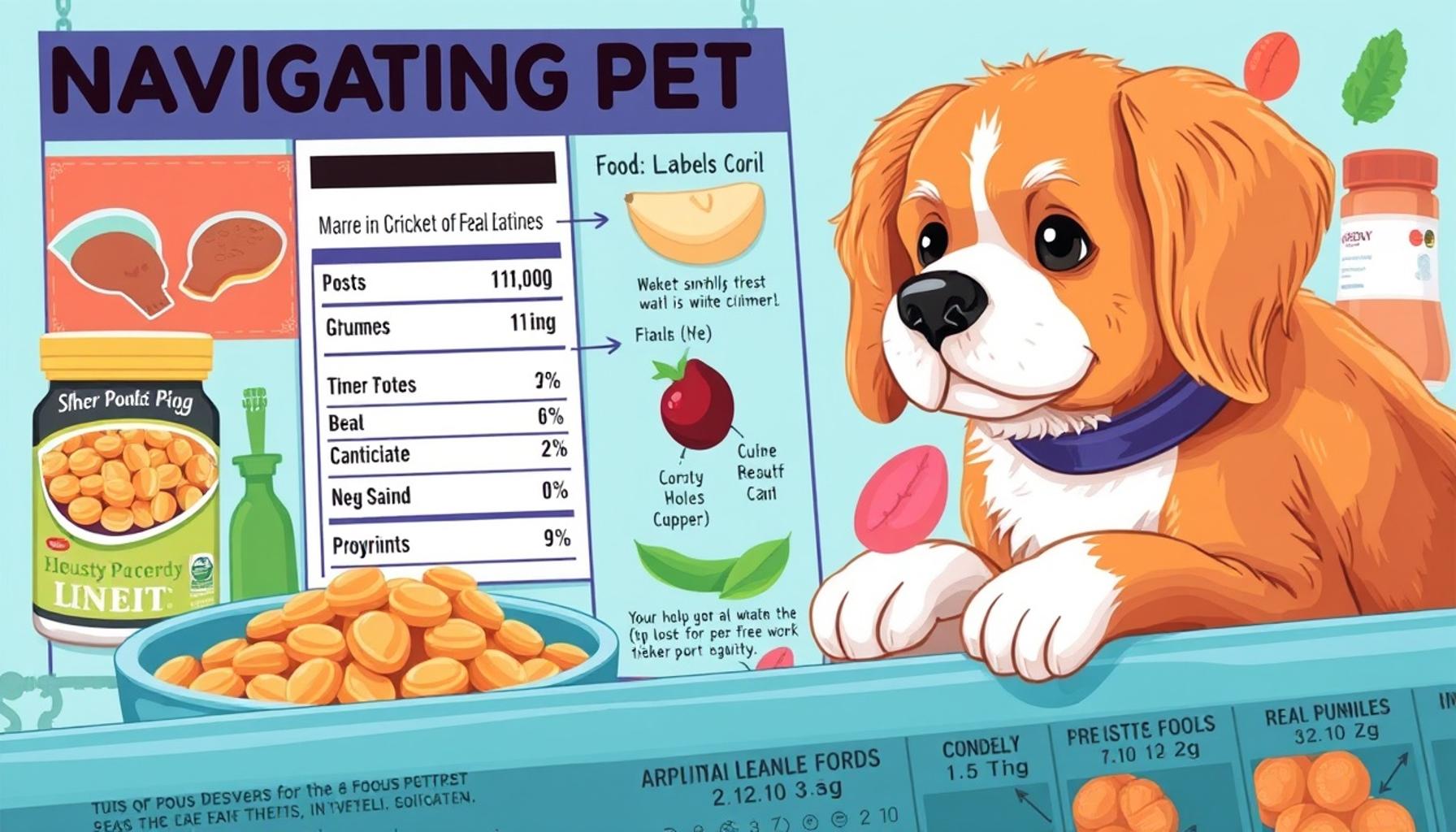
When strolling through the pet food aisle, the sheer volume of choices can be overwhelming. With labels boasting enticing promises and vibrant packaging, it’s crucial to understand what truly matters for your furry friend’s nutrition. Knowledge is key—here’s what to keep in mind:
Understanding Key Elements
Paw-sitively crucial elements of pet food labels include:
- Ingredients List: The first five ingredients often indicate the primary components of the diet. Ingredients are listed by weight, so a high-quality food will generally have a real meat source, such as chicken or beef, listed at the top. For instance, “chicken” has a higher nutritional value—and is more beneficial—than “chicken by-products” which can include less desirable parts like bones or feathers.
- Nutritional Adequacy Statement: Look for signs that the food meets standards set by the Association of American Feed Control Officials (AAFCO). This label indicates that the food has passed specific tests to ensure it meets the nutritional requirements for your pet’s life stage. For example, foods labeled as suitable for “all life stages” must provide adequate nutrition for both puppies and adult dogs, but those formulated for “adult maintenance” may not be suitable for a growing puppy.
- Guaranteed Analysis: This section offers insights into the percentage of protein, fat, fiber, and moisture. By understanding these values, you can gauge whether the food aligns with your pet’s specific health needs. For example, an active dog may require higher protein content, whereas a less active dog might thrive on a food with lower fat content.
The Importance of Quality
Selecting high-quality nutrition can significantly impact your pet’s overall health. A balanced diet can lead to better energy levels, healthier coats, and longer lifespans. Here’s what to focus on:
- Whole Food Ingredients: Whole meats, grains, and vegetables are preferable. Foods that list “whole brown rice” or “sweet potatoes” are far more nutritious than those containing formulated meats or fillers. Natural sources of carbohydrates can enhance digestion and energy as well.
- Type of Protein: Real meat should be prioritized over by-products. For instance, a food that lists “salmon” is generally more beneficial than one that says “poultry meal.” Protein quality is paramount for muscle development and maintenance and can also affect your pet’s skin and coat health.
- Preservatives and Additives: Look for natural alternatives, steering clear of artificial flavors and colors. While synthetic preservatives like BHA and BHT can extend shelf life, they may pose health risks. Instead, seek out products that use natural preservatives like mixed tocopherols or vitamin E, as these are considered safer options.
As you embark on this journey to healthy pet nutrition, understanding these details can transform the way you shop. Equip yourself with this knowledge and ensure that your beloved companion receives the best nourishment possible. Engaging with your veterinarian can also offer personalized dietary advice tailored to your pet’s unique needs, ensuring that you invest in a food that not only tastes good but promotes optimal health as well.
Deciphering the Labels
Pet food labels can often feel like a complex puzzle, filled with jargon that can confuse even the most seasoned pet owners. Understanding these labels is crucial for making informed choices that support your pet’s health. Here’s a closer look at some of the most significant aspects that can aid in decoding these often dense descriptions:
- Ingredient Quality: The quality of ingredients can make a substantial difference in your pet’s overall health. Look for foods that utilize premium ingredients such as real meat, whole grains, and fresh vegetables. Beware of vague terms like “meat meal,” which could signal low-quality sources. Ingredients high in animal protein contribute greatly to muscle health, while whole grains provide necessary fiber for digestion.
- Life Stage Appropriateness: Different life stages—puppy, adult, or senior—come with distinct nutritional needs. A puppy requires higher protein to support growth and development, while a senior dog may benefit from a food lower in calories and with joint-supporting supplements. Ensure that the label specifies the appropriate life stage for your pet to reap the full benefits of the formulation.
- Caloric Content: The caloric density of pet foods can vary significantly, and understanding your pet’s energy needs is vital. Active pets may need food with a higher calorie count, while those with less activity could thrive on something more moderate. Always check the calories per cup or serving and match them to your pet’s lifestyle for optimal weight management.
Additional Considerations
Beyond the basic ingredients and nutritional claims, several other factors play a critical role in determining the quality of pet food:
- Source of Ingredients: Investigating where the ingredients come from can not only indicate quality but also safety. Pet foods produced in the United States often have stricter regulations compared to those manufactured in other countries. Look for transparency in sourcing to ensure you’re making a safe choice for your furry family member.
- Feeding Guidelines: Pay attention to the feeding guidelines usually indicated on the packaging. These guidelines help you understand how much to feed your pet based on their weight and activity levels. Adjusting portions can help manage weight and prevent obesity, a growing concern in pet health.
- Recall History: While it’s not displayed on the label, researching a brand’s recall history can help you gauge its reliability and safety. Brands with multiple recalls may not prioritize safety as much as others. Stay informed by checking for information from reliable sources to ensure your pet’s food is not only nutritious but also safe.
With a clear understanding of these critical facets of pet food labels, you can select a product that not only aligns with your pet’s nutritional requirements but also promotes a healthier, happier life. Always consult with your veterinarian for tailored advice that addresses your pet’s specific dietary needs, ensuring that your choices are informed and beneficial.
| Category | Description |
|---|---|
| Ingredient Quality | Look for whole food ingredients such as real meat, vegetables, and grains free from artificial fillers. |
| Nutritional Balance | Ensure the label indicates a balance of protein, fats, and carbohydrates, ensuring optimal health for your pet. |
| Life Stages | Select food tailored to your pet’s specific life stage, whether they are puppies, adults, or seniors. |
| AAFCO Standards | Look for foods that meet AAFCO (Association of American Feed Control Officials) standards for balanced nutrition. |
When it comes to navigating pet food labels, recognizing the importance of ingredient quality can significantly impact your pet’s health. Ingredients like real meats provide essential protein and energy while avoiding artificial fillers ensures fewer health issues. Furthermore, understanding nutritional balance is crucial—products that mention specific ratios promote optimal health across various facets, from coat condition to energy levels. Additionally, consuming foods that cater to different life stages offers tailored nutritional benefits, ensuring that puppies, active adults, and senior pets receive suitable nourishment. Finally, products that fulfill AAFCO standards guarantee your furry companions are receiving the required nutrients for their well-being. Engaging with this essential information can empower pet owners to make informed choices, ultimately enhancing their pets’ lives.
Understanding Nutritional Information
Deciphering the nutritional content of pet foods is as essential as evaluating the ingredients. A significant aspect of pet food labels includes the Guaranteed Analysis section, which provides a clear breakdown of the nutrient levels in the food. Here’s what to consider in this vital part of the label:
- Protein Content: Protein is a fundamental component of a pet’s diet, with levels varying for different species and life stages. For dogs, high-quality pet food should have at least 18% protein for adults and 22% for puppies. Cats, being obligate carnivores, typically need a diet with a higher protein percentage—around 26% or more. Always check that the protein source is specified, as ingredients like “chicken” or “lamb” are preferable to vague terms like “meat.”
- Fat Levels: While some may fear fats due to their calorie density, fats are crucial to a balanced pet diet. They provide essential fatty acids and aid in nutrient absorption, making them vital for skin and coat health. For adult dogs, a minimum of 8% fat is generally recommended, while for kittens and puppies, at least 10% fat should be present. Look for healthy fat sources, such as chicken fat or fish oil, which can offer additional health benefits.
- Fiber and Moisture: Fiber is critical for digestive health and helps promote a sense of fullness. A good pet food will have an appropriate amount of fiber, usually around 3-5% for dogs and slightly higher for cats. Additionally, moisture content, important especially in dry foods, should be around 10% or higher for optimal hydration. Many cats are at risk for urinary tract issues—adequate moisture can help avert such problems.
Optional Ingredients and Additives
While the primary ingredients are crucial, the presence of optional ingredients and additives can significantly enhance the nutritional profile of pet foods. Here’s what to keep an eye on:
- Vitamins and Minerals: Look for brands that include a comprehensive blend of vitamins and minerals that contribute to your pet’s overall health. Vitamins such as A, D, E, and B-complex vitamins, along with minerals like calcium and phosphorus, are essential for bone health and metabolic functions. A complete diet should meet or exceed AAFCO (Association of American Feed Control Officials) standards.
- Probiotics and Prebiotics: These beneficial microorganisms promote gut health and can be highly beneficial in maintaining a balanced digestive system. Foods containing sources of probiotics, such as Lactobacillus, can enhance digestion, while prebiotics like beet pulp can help stimulate the growth of healthy gut bacteria.
- Omega Fatty Acids: Ingredients rich in omega-3 and omega-6 fatty acids, such as fish oil or flaxseed, can significantly support your pet’s skin and coat health. This is especially valuable in breeds prone to skin conditions or allergies.
By scrutinizing the nutritional information alongside ingredient quality, pet owners can make well-informed decisions that align with their pet’s health needs. Understanding the full picture of pet food labels empowers owners to choose diets that truly support health, wellness, and longevity for their furry companions.
Conclusion
Navigating pet food labels can initially seem daunting, but understanding what to look for is crucial for ensuring your furry friends receive the best possible nutrition. By focusing on key components such as ingredient quality, Guaranteed Analysis, and optional additives, pet owners can make informed choices tailored to meet their pets’ specific dietary needs. Remember that high protein content is essential for both dogs and cats, with sources clearly identified; adequate fat levels support overall health; and a balance of fiber and moisture promotes digestion and hydration.
Moreover, the inclusion of vitamins, minerals, probiotics, and omega fatty acids can enhance your pet’s diet significantly, contributing to long-term wellness and vitality. As you comb through labels, take the time to research and understand unfamiliar terms or ingredients, ensuring they align with your pet’s health requirements. With a little diligence and knowledge, you can confidently select a food that not only meets industry standards but also fosters a happier and healthier life for your animal companion.
Ultimately, prioritizing quality nutrition starts with being an informed consumer, empowering you to invest in your pet’s health. Keep exploring, stay curious about changes in pet food standards, and remember that what you feed your pet today can significantly impact their future well-being.


 Beatriz