
Understanding the Benefits of Agility Training
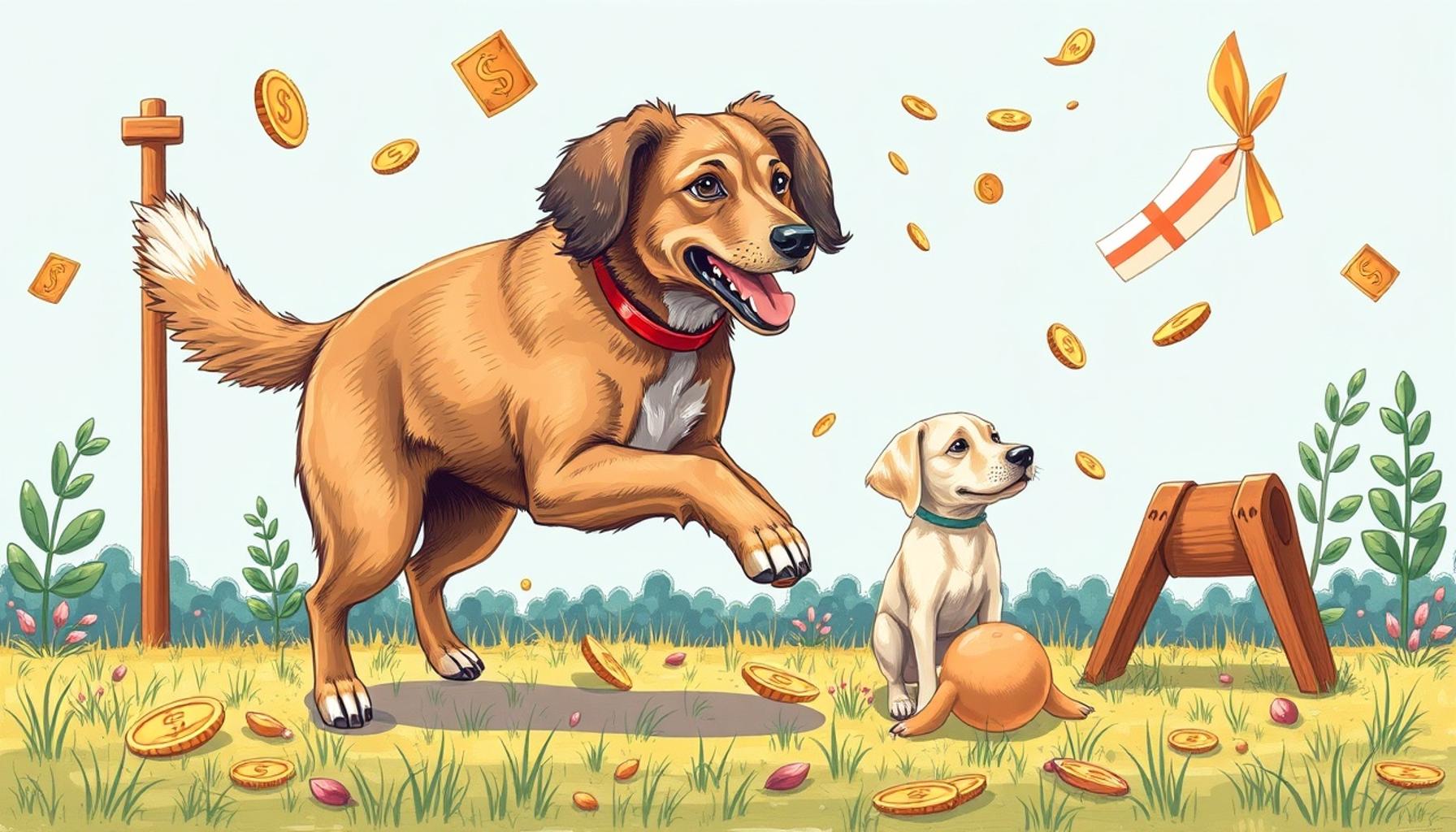
Agility training for dogs involves navigating a course filled with obstacles, weaving through poles, jumping over barriers, and making sharp turns—all while maintaining speed and control. This engaging sport is not only about competition; rather, it serves as a platform to unlock your dog’s inherent strengths and maximize their potential. This dynamic training method promotes coordination, speed, and focus, essential characteristics that contribute to a well-rounded and happy pet.
By participating in agility training, you’re not merely teaching your dog a new trick; you’re simultaneously fostering a deeper connection with them. This bonding experience is something many pet owners cherish, especially in a fast-paced world where quality time can be scarce. The joint effort required to navigate courses and tackle challenges can strengthen the human-animal bond significantly.
Benefits of Agility Training
The advantages of agility training extend beyond mere entertainment. Here are some compelling reasons to consider integrating this practice into your dog’s routine:
- Physical Fitness: Regular workouts through agility training help combat obesity and health issues in dogs. Energetic breeds like Border Collies or Australian Shepherds may thrive, as agility keeps them physically fit and provides an outlet for their boundless energy.
- Mental Stimulation: Engaging your dog through agility courses challenges their problem-solving abilities, requiring them to think strategically as they maneuver obstacles. This active engagement helps prevent behaviors associated with boredom, such as chewing or digging.
- Enhanced Obedience: As your dog learns to navigate courses, they also develop better listening skills and adherence to commands. This improved obedience is not only vital in agility settings but enhances overall behavior in everyday life.
- Socialization: Agility training often occurs in group settings, allowing dogs to interact with one another and with various people. This exposure helps reduce anxiety and possessive behaviors while fostering friendly and confident pups.
Getting Started with Agility Training
Exploring the world of agility does not have to be intimidating. Start with simple setups in your backyard, such as using traffic cones for weaving or a small jump made from PVC pipes. As your dog becomes more comfortable, you can gradually introduce more complex obstacles. Attend local training sessions or agility classes where experienced instructors can guide you both through the process. Many communities host agility clubs which welcome participants of all skill levels.
Consider the joy you and your furry companion will experience as you navigate this thrilling sport together. With proper guidance and practice, any active dog can enjoy the exhilarating world of agility. Who knows? You might just find that this becomes a shared passion, leading to lifelong memories filled with fun and adventure.
DISCOVER MORE: Click here to learn about effective cat training methods
Creating a Foundation for Agility Training
To successfully incorporate agility training techniques for your active dog, it’s crucial to establish a solid foundation. This foundation involves not only understanding the physical aspects of the sport but also nurturing your dog’s emotional well-being. Proper introduction to agility can impact your dog’s enthusiasm and performance when navigating courses, making it vital to take a thoughtful approach.
Assessing Your Dog’s Readiness
Before diving into agility training, it’s important to assess your dog’s readiness for this physically demanding activity. Active breeds such as the Labrador Retriever, Belgian Malinois, or Jack Russell Terrier typically thrive in agility settings due to their high energy and eagerness to learn. However, dogs of any breed can excel with the right motivation. Here are some steps to consider:
- Health Check: Before starting any training regimen, consult with your veterinarian to ensure your dog is in good health and physically fit for agility training.
- Age Consideration: While puppies can begin basic training with simple commands and socialization, most canine athletes begin formal agility training around the age of one to prevent injury and ensure that their bones are fully developed.
- Temperament Evaluation: Consider your dog’s temperament—those who are overly anxious or timid may require additional socialization and confidence-building exercises before tackling agility challenges.
- Energy Level: Select a training regimen that matches your dog’s energy levels. High-energy breeds may benefit from more rigorous courses, while less active dogs might excel with shorter, easier sessions.
Essential Equipment for Practice
Once you’ve determined your dog is ready, the next step is to gather the essential equipment. While professional agility equipment can be quite pricey, there are many cost-effective alternatives you can build or purchase for home practice. Some common items include:
- Jump Bars: Use PVC pipes or broomsticks as jump bars that can be adjusted to different heights.
- Tunnels: A lightweight fabric tunnel can engage your dog to run through while enhancing their confidence.
- Weave Poles: Set up a series of cones or poles for your dog to navigate through; this improves their coordination and focus.
- A-Frame and Teeter-Totter: These structures can be fashioned using wood and offer excellent balance training.
Remember, when introducing agility equipment, it is essential to use rewards and positive reinforcement to encourage your dog. Creating a playful atmosphere will not only help them learn faster but will also make the training process enjoyable for both you and your furry friend. With dedication and patience, your active dog can develop into a capable agility enthusiast, ready to tackle new challenges together.
| Category | Description |
|---|---|
| Physical Endurance | Agility training significantly improves a dog’s overall physical endurance, enabling them to engage in more strenuous activities. |
| Mental Stimulation | These techniques provide essential mental stimulation, which helps keep active dogs sharp and engaged, reducing boredom-related behaviors. |
| Bonding Opportunities | Agility training fosters a strong bond between the dog and the owner through collaborative exercise and shared triumphs. |
| Health Benefits | Regular agility work can lead to enhanced cardiovascular health and reduce the risk of obesity in active dogs. |
Engaging your active dog with agility training not only enhances physical attributes but also contributes to their mental health and fosters a deep connection with their handler. Incorporating these techniques unlocks a series of benefits that extend beyond basic exercise, challenging their skills and instincts. For dog owners searching for ways to enrich their pet’s life through enriched exercises and engaging activities, agility training opens new pathways to explore. Delve deeper into the realm of dog agility to uncover the vast opportunities for fun and functional skill-building.
DISCOVER MORE: Click here to learn about positive reinforcement
Engaging Training Techniques to Enhance Agility Skills
Once you have established a solid foundation and gathered essential equipment for agility training, the next step is to engage your dog with innovative training techniques. The goal is to create a fun, stimulating environment that fosters skill development while reinforcing your bond. It’s important to incorporate a variety of exercises that not only challenge your dog physically but also mentally. Here are some dynamic training techniques to consider:
Progressive Skill Development
Agility training should emphasize gradual progression. Start with basic exercises before advancing to more complex maneuvers. This gradual build-up helps dogs gain confidence and mastery over their movements. Consider implementing the following steps:
- Basic Commands: Ensure your dog is proficient with fundamental commands such as “sit,” “stay,” “come,” and “heel.” Mastery of these commands provides a framework for more advanced training.
- Simple Agility Routes: Create straightforward agility routes using cones and jumps, prioritizing short distances and low heights. This allows your dog to focus on form and technique rather than speed.
- Course Variation: As your dog gains confidence, alter the layout and design of agility courses. This keeps training sessions exciting and encourages adaptability.
Incorporating Games and Play
Games are an effective way to keep agility training engaging for your dog. Incorporating play-based elements can enhance learning and maintain your dog’s enthusiasm. Try using the following gaming strategies:
- Fetch and Retrieve: Combine conventional fetch games with agility elements, such as rewarding your dog with their favorite toy after completing an obstacle. This reinforces the association between agility tasks and rewarding outcomes.
- Hide and Seek: Encourage your dog to navigate through obstacles to find hidden treats or toys. This method boosts both physical agility and problem-solving skills.
- Timed Runs: Use a stopwatch to time your dog’s runs through a course. Celebrate improvements, which can further boost confidence and motivation.
Positive Reinforcement and Consistency
The cornerstone of successful agility training lies in using positive reinforcement. Recognize and reward your dog’s achievements—no matter how small. Use treats, praise, and playtime as incentives to encourage your dog’s efforts. Here are some key points to consider:
- Timing Matters: Ensure that rewards are given immediately after completing an obstacle or task. This will help your dog make the connection between their behavior and the positive outcome.
- Mix Rewards: Experiment with different types of rewards to keep your dog engaged—some dogs may prefer treats, while others may respond better to praise or toys.
- Create a Routine: Consistency is essential for a successful training regimen. Establish a routine that includes both practice and play, allowing your dog to anticipate and engage in agility training.
Ultimately, incorporating agility training techniques for your active dog is a rewarding endeavor that combines exercise with learning. By emphasizing progression, play, and positive reinforcement, you can foster a love for agility that will keep both you and your furry friend eagerly anticipating each training session. As you further explore this exhilarating sport, remember that patience and adaptability will go a long way toward making it an enjoyable experience for both of you.
DISCOVER MORE: Click here to learn effective training techniques
Conclusion
Incorporating agility training techniques for your active dog is not only an opportunity for physical exercise but also a pathway to enriching your relationship with your pet. By emphasizing key elements such as progressive skill development, engaging games, and the importance of positive reinforcement, you can create an enjoyable and rewarding training experience that enhances your dog’s capabilities while fostering their confidence.
As you delve into the world of agility training, remember that every dog is unique, and adapting your approach to suit their individual needs is crucial. Establishing a routine that balances practice and play will keep your dog motivated and excited to participate. Additionally, the vibrant community surrounding agility sports offers a wealth of resources, trails to explore, and competitions that can elevate your training experience even further.
In conclusion, effectively incorporating agility training into your dog’s daily regimen can lead to improved obedience, greater mental stimulation, and, eventually, a healthier lifestyle for them. As you embark on this fulfilling journey, keep in mind the importance of patience and creativity. Not only will you be nurturing your dog’s physical abilities, but you will also be building a stronger bond that can last a lifetime. Explore new techniques, celebrate milestones together, and most importantly, enjoy every moment of this exhilarating adventure.


 Beatriz