
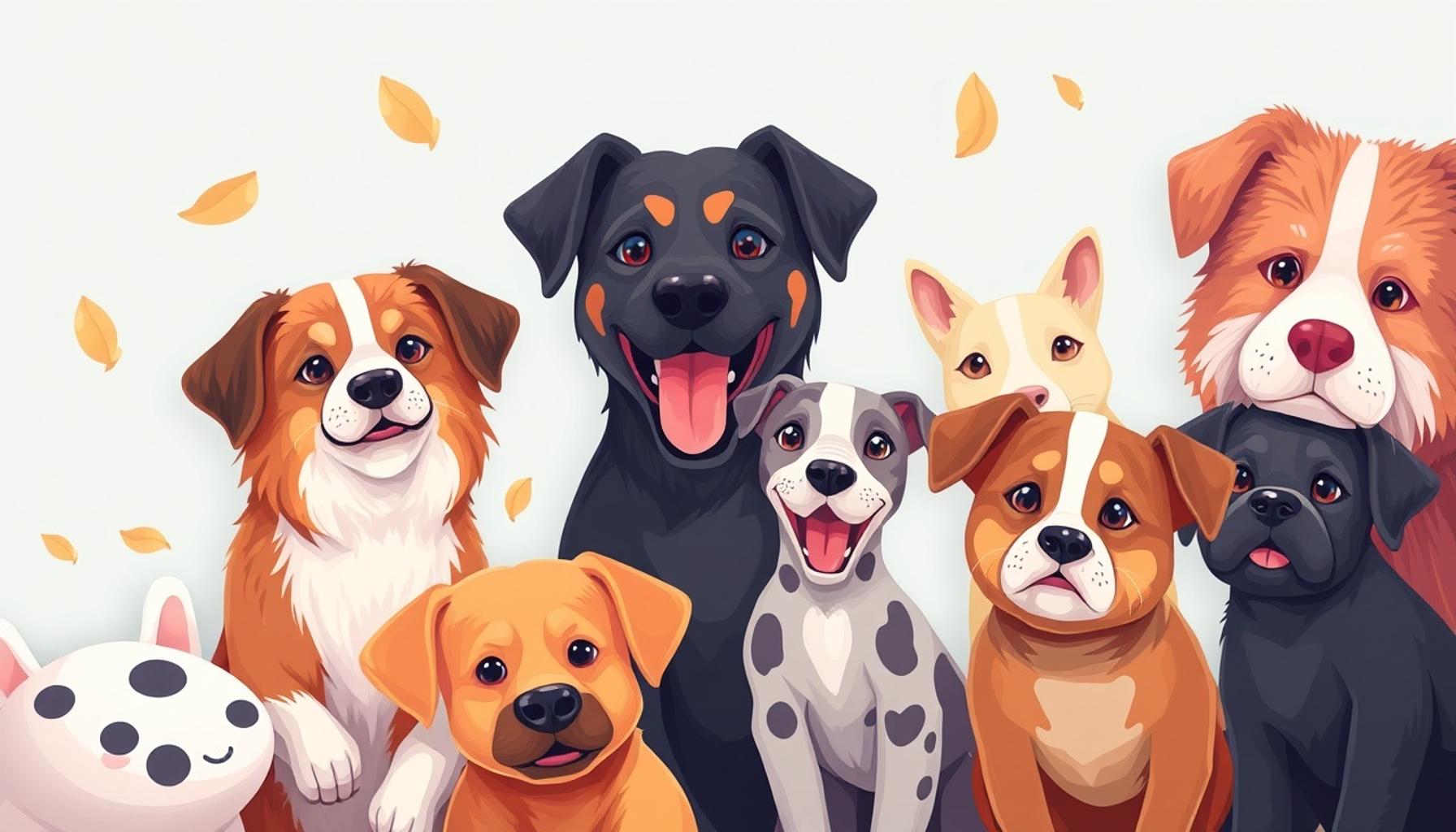
Unlocking a World of Opportunities for Pets
Pets are not just companions; they are social beings that thrive on interaction. In a world where species diversity is embraced, the socialization experience for our furry friends can be dramatically enriched. This broadens their horizons, making playtime and daily interactions more vibrant and fulfilling. Understanding how our pets can benefit from mingling with various animal species opens a treasure trove of opportunities for training, companionship, and enhancing their overall well-being.
Exploring the Benefits of Species Diversity:
- Enhanced Learning: Different species exhibit unique behaviors, offering pets new perspectives and experiences. For example, a dog that plays with a curious cat can learn to navigate different play styles, encouraging agile movement and quick thinking. Similarly, a parrot and a dog can engage in sound mimicry games, expanding their cognitive abilities and stimulating their minds.
- Improved Well-being: Interactions with various species can alleviate stress and anxiety in pets. A study from the University of California found that animals with varied social interactions exhibited lower cortisol levels, which is indicative of reduced stress. Engaging with other types of animals can provide mental stimulation and comfort, creating a more peaceful home environment.
- Social Skills Development: Engaging with different animals fosters adaptability and better communication. A pet that regularly interacts with other species learns to interpret various non-verbal cues, such as a cat’s flicking tail or a rabbit’s ears. This ability to read body language enhances their social skills, making them more confident and well-adjusted around other pets and humans.
Consider this: a dog that routinely interacts with cats, rabbits, and birds is likely to develop a more well-rounded character. These diverse interactions contribute to essential skills that may help your pet navigate various situations in life. For instance, when a dog encounters a timid rabbit, its ability to approach gently can prevent stress for both animals, showcasing learned empathy and awareness.
Moreover, species diversity can also lead to enriching play patterns, giving pets an opportunity to learn collaboration and companionship in different contexts. A playful interaction between a cat and a small dog can introduce both animals to new games, such as chasing a ball or climbing on furniture together, reinforcing teamwork and social bonds.
As pet owners, understanding how to foster these interactions can significantly impact our pets’ happiness and social skills. Introducing pets to various species can be as simple as visiting a local pet store, organizing playdates, or participating in community events like pet fairs where animals of all kinds meet. Join us as we delve deeper into how species diversity can transform the socialization experience for your beloved pets, turning your pet-friendly household into a nurturing environment bursting with opportunities for growth and joy.
DISCOVER MORE: Click here for delicious homemade treat recipes
Benefits of Diverse Interactions
Engaging in social interactions with a variety of species can profoundly influence a pet’s social skills, emotional intelligence, and overall happiness. The enrichment derived from such diversity not only enhances their daily lives but also promotes a more adaptable and confident disposition. Understanding the intricacies of these benefits can empower pet owners to create environments that foster healthy socialization.
Introducing New Experiences: Different species bring unique ways of communication and play. For instance, when pets encounter rabbits, birds, or even reptiles, they are exposed to new sensory experiences that can only enrich their cognitive abilities. A dog that plays with a rabbit can learn to moderate its energy and approach, while a cat that interacts with a bird may develop improved hunting skills, all within a safe and controlled environment. This exposure can transform mundane interactions into exciting explorations that stimulate both mind and body.
Strengthening Emotional Connections: Animals are highly intuitive and can mirror the emotions of their peers. A recent study indicated that animals participating in mixed-species playgroups tended to display more positive social behaviors and fewer signs of aggression. By observing the different ways animals express joy, curiosity, and even fear, pets can develop a deeper understanding of their companions’ feelings. This awareness translates to improved empathy and cooperation in multi-animal households, creating a more harmonious living atmosphere.
Building Resilience: Experience shapes character, and the journey of socialization can build resilience in pets. Animals that interact with diverse species often face new challenges and scenarios, such as navigating differing play speeds or finding ways to communicate with animals of varying sizes. Such experiences allow pets to become more adaptable, as they learn to overcome hurdles and build their confidence around unfamiliar creatures. This adaptability not only contributes to a pet’s personality but also prepares them to handle real-life situations beyond home, such as visits to the vet or encounters with new animals during walks in the park.
Fostering Healthy Competition: Play between different species can also introduce friendly competition, a fundamental aspect of socialization that can be beneficial for pets. For example, a spirited game of chase between a dog and a cat can elicit various responses, such as sprinting, agility, and even stealth. This dynamic fosters enjoyment while teaching the participating animals to respect each other’s boundaries and play styles. Such experiences can lead to pets developing essential qualities like teamwork and respect, making future social interactions more rewarding.
As we delve deeper into the importance of species diversity in enhancing the socialization experience for pets, the potential benefits become increasingly clear. From promoting emotional intelligence to fostering healthy competition, each interaction lays the foundation for enriching lifestyles and stronger pet-owner relationships. To tap into these advantages, pet owners are encouraged to seek out engaging opportunities for their pets to interact with various species, proving that each unique relationship has the power to create a more enriching socialization canvas.
| Aspect of Diversity | Impact on Pets |
|---|---|
| Species Interaction | Encourages adaptable social behaviors in various environments. |
| Social Learning | Pets learn new skills and behaviors from one another, enriching their daily lives. |
| Mental Stimulation | Exposure to different species offers varied interactions, reducing boredom. |
| Health Benefits | Diverse interactions can lead to decreased stress levels and improved emotional well-being. |
Exploring the world of pet socialization through the lens of species diversity reveals how non-traditional interactions can significantly enhance pets’ lives. Species interaction not only promotes an adaptable approach to social behaviors but also stimulates interesting experiences that can introduce novel elements to a pet’s routine. Additionally, social learning becomes an integral part of this diverse mix; watching and interacting with pets of different species fosters an environment where new skills can thrive.Importantly, providing opportunities for mental stimulation is crucial, as exposure to various animals keeps boredom at bay and encourages playfulness. Furthermore, the health benefits derived from these enriching interactions should not be overlooked. Pets that engage with diverse species often experience lower stress levels, which can positively impact their overall emotional well-being. This multidimensional exploration of socialization reaffirms the idea that variety is not just the spice of life—it’s essential for a fulfilling one.
DIVE DEEPER: Click here to learn more
Expanding Learning Opportunities Through Diverse Interactions
As pet owners become increasingly aware of the benefits of species diversity, they begin to understand that each interaction represents a valuable learning opportunity. Pets that engage with diverse other species can experience a wealth of lessons that sharpen their instincts and enhance their problem-solving skills. Enriching environments that promote these interactions can yield pets that are not only more socially attuned but also more intellectually stimulated.
Encouraging Adaptation to Different Behaviors: One of the most fascinating aspects of animal behavior is the way various species respond to challenges. For example, a dog interacting with a ferret will likely notice the ferret’s quick movements and distinctive playstyle, prompting the dog to adapt its approach accordingly. This adaptation is crucial because it forces pets to think on their feet, adjusting their behavior based on real-time feedback from their playmates. Such experiences foster greater adaptability, essential for navigating the complexities of living with humans and other animals alike.
Enhancing Communication Skills: Engaging in play and social activities with different species necessitates a level of communication that transcends standard vocalizations. For instance, dogs and cats each have their own ways of expressing affection or fear, often through body language, vocal tones, or even grooming rituals. A pet that has been exposed to multiple species can learn to interpret these unique communication cues, enhancing their overall social intelligence. According to recent studies, animals that participate in mixed gatherings demonstrate higher levels of vocal versatility and body language skills, further reinforcing the benefits of cross-species interaction.
Building Social Confidence: When pets socialize with a variety of species, they become more comfortable navigating mixed social environments. This time spent interacting with different types of animals can help to mitigate anxiety around other pets they may encounter in public. For instance, a shy cat that learns to play with a more boisterous dog may gradually build up the confidence to interact with larger dogs at the park. This confidence is essential in preventing anxiety-related behaviors and creating well-adjusted pets prepared for any social setting.
Utilizing Structured Play and Training: Pet owners can actively facilitate these enriching interactions through structured playdates and training regimens that involve various species. Pet-friendly centers and parks are increasingly offering mixed-species socializations, where dogs, cats, guinea pigs, and even birds engage under supervision. Such initiatives create controlled environments for pets to interact safely, underscoring how structured setups can lead to positive outcomes in social skills, confidence, and emotional health.
More significantly, the science speaks volumes. Research from the Animal Behavior Society has indicated that pets with regular exposure to diverse species have fewer incidences of behavioral issues, such as aggression or anxiety. By regularly allowing pets to engage with others unlike themselves, owners can circumvent many challenges associated with pet ownership while simultaneously enriching their animals’ lives. The culmination of these experiences fosters not only individual growth in pets but also contributes to the establishment of happier, healthier pet communities.
DIVE DEEPER: Click here to learn more
Final Thoughts on the Enrichment of Socialization Through Species Diversity
In conclusion, embracing species diversity in the pet socialization experience offers a plethora of benefits that extend beyond simple companionship. By encouraging interactions among various animals, pet owners not only help their furry friends develop crucial skills such as adaptability and effective communication but also foster emotional and social resilience. The dynamics that emerge from these cross-species interactions can be transformative, instilling confidence in pets and enabling them to navigate complex social settings with ease.
The reported findings from organizations like the Animal Behavior Society highlight the tangible advantages of diverse social networks, showcasing reduced behavioral issues among animals regularly interacting with different species. Structured playdates and mixed-species environments are crucial in harnessing these benefits, offering pets a safe space to engage and thrive. Pet owners who prioritize such enriching experiences may find that their companions not only become more well-adjusted but also more enriched in their lives.
As our understanding of animal behavior continues to evolve, the importance of nurturing diverse socialization opportunities cannot be overstated. With every playdate and interaction, we unlock new pathways for growth and learning, paving the way for a brighter future not just for individual pets, but for vibrant and harmonious pet communities. In a world where species diversity thrives, our pets are the true winners, equipped with the tools they need to live fulfilling and happy lives.

 Beatriz