

How to Deal with Separation Anxiety in Dogs and Cats
Separation anxiety in dogs and cats can cause distress and destructive behaviors. Understanding its signs and underlying causes is essential for effective management. Gradual desensitization, establishing safe spaces, and seeking professional help can foster emotional resilience, allowing pets to thrive even when left alone.

The Importance of Dental Hygiene in Pets: How to Care for Your Pet’s Teeth
Proper dental hygiene is crucial for pets, impacting their overall health and well-being. Regular brushing, dental check-ups, and a balanced diet prevent periodontal disease and other health issues. By prioritizing your pet’s dental care, you enhance their quality of life and ensure a happier, healthier companion.

Importance of Parasite Prevention in Pets: Tips and Effective Products
Understanding the importance of parasite prevention in pets is essential for their health and well-being. Effective strategies, including regular vet visits, proper hygiene, and the right preventive products, significantly reduce the risk of flea, tick, and heartworm infestations, ensuring a happy, healthy environment for both pets and their families.
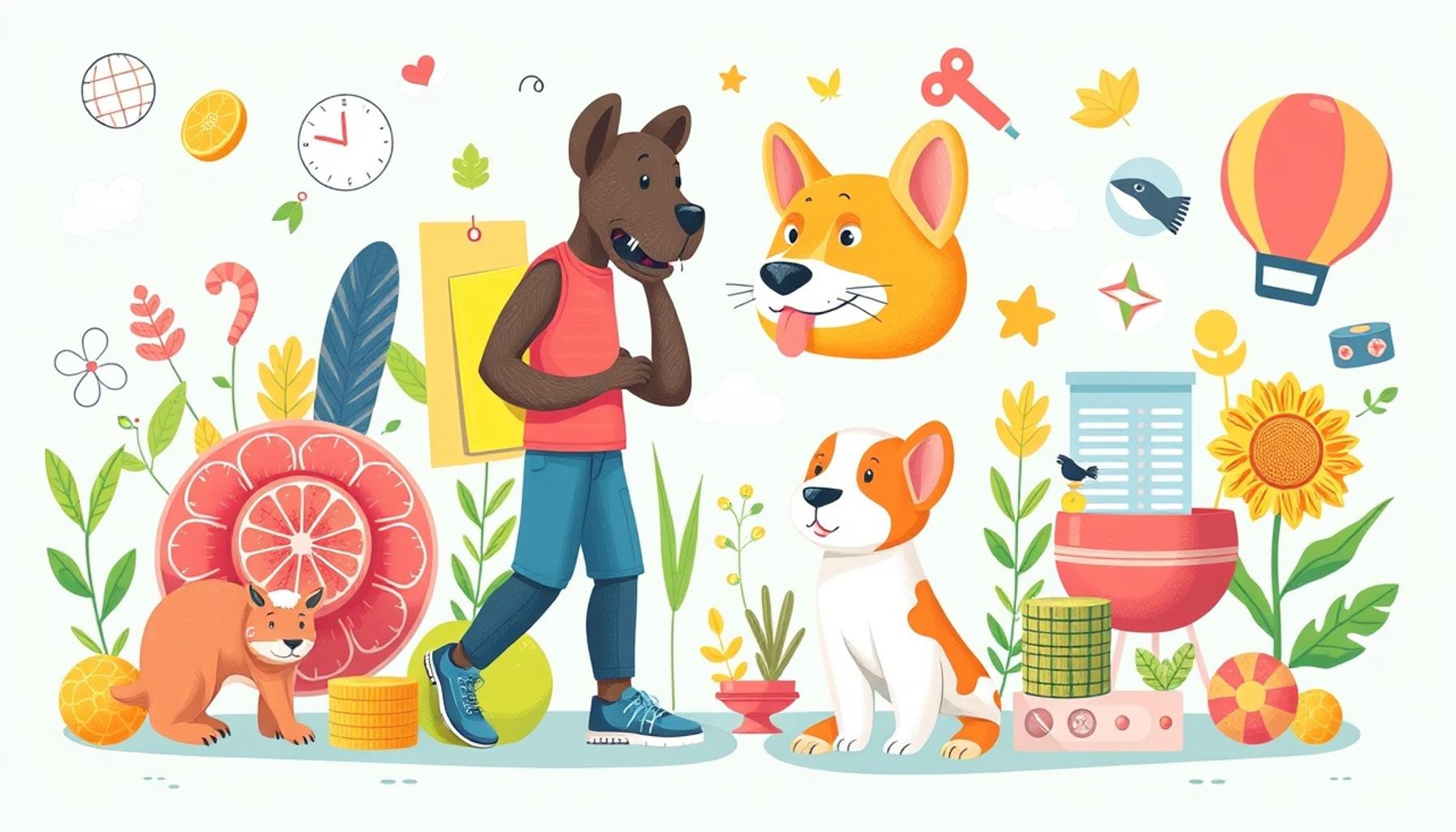
The Benefits of Regular Physical Activity for the Mental Health of Pets
Regular physical activity is crucial for enhancing the mental health of pets. It alleviates anxiety and depression, fosters better behavior, and strengthens the bond between pets and owners. Engaging in exercise not only promotes emotional stability and improved mood but also enriches a pet’s quality of life through social interactions and exploration.

How to Choose the Ideal Toy for Mental Stimulation of Dogs and Cats
Choosing the ideal toy for mental stimulation of dogs and cats enhances their cognitive development and well-being. By observing individual play styles and preferences, you can select engaging puzzle and interactive toys. Regularly rotating toys keeps pets intrigued, fostering a happier and healthier lifestyle for your furry companions.
The Influence of Pet Species Diversity on Care Practices and Responsible Management
The increasing diversity of pet species in American households reshapes care practices and responsible management. Owners must adapt to each species’ unique needs, emphasizing informed care, habitat requirements, and social interactions. This evolution not only benefits pets but also fosters a compassionate society committed to animal welfare and biodiversity.
Pet Animal Species and Their Role in Environmental Education: Promoting Awareness of Biodiversity
This article explores how pet animal species enhance environmental education by fostering awareness of biodiversity. Through pet ownership, individuals engage with ecological concepts, encouraging conversations about conservation and responsible pet care. The bond between humans and pets serves as a vital tool for understanding and advocating for biodiversity preservation.
The Importance of Pet Species Diversity in Creating Inclusive Communities
Pet species diversity enriches communities by fostering social connections, enhancing emotional well-being, and promoting inclusivity. Embracing a variety of pets cultivates empathy, encourages cultural appreciation, and creates educational opportunities, ultimately building vibrant neighborhoods where all members, human and animal alike, feel valued and connected.

The Influence of the Diversity of Pet Animal Species on the Socialization of Owners
Pet ownership in the U.S. fosters unique social dynamics as diverse species promote varied interactions among owners. From community events to online forums, pets serve as catalysts for connection, enriching relationships across different backgrounds. This diversity in pet ownership cultivates supportive networks, enhancing socialization and community bonds among animal lovers.
The Diversity of Pet Animal Species and Their Role in Reducing Stress in Work Environments
Many organizations are embracing the diversity of pet animal species in the workplace to reduce stress, enhance employee well-being, and foster creativity. From dogs and cats to fish and small mammals, these animals provide emotional support, encourage social interaction, and contribute to a healthier work environment, boosting overall productivity.