
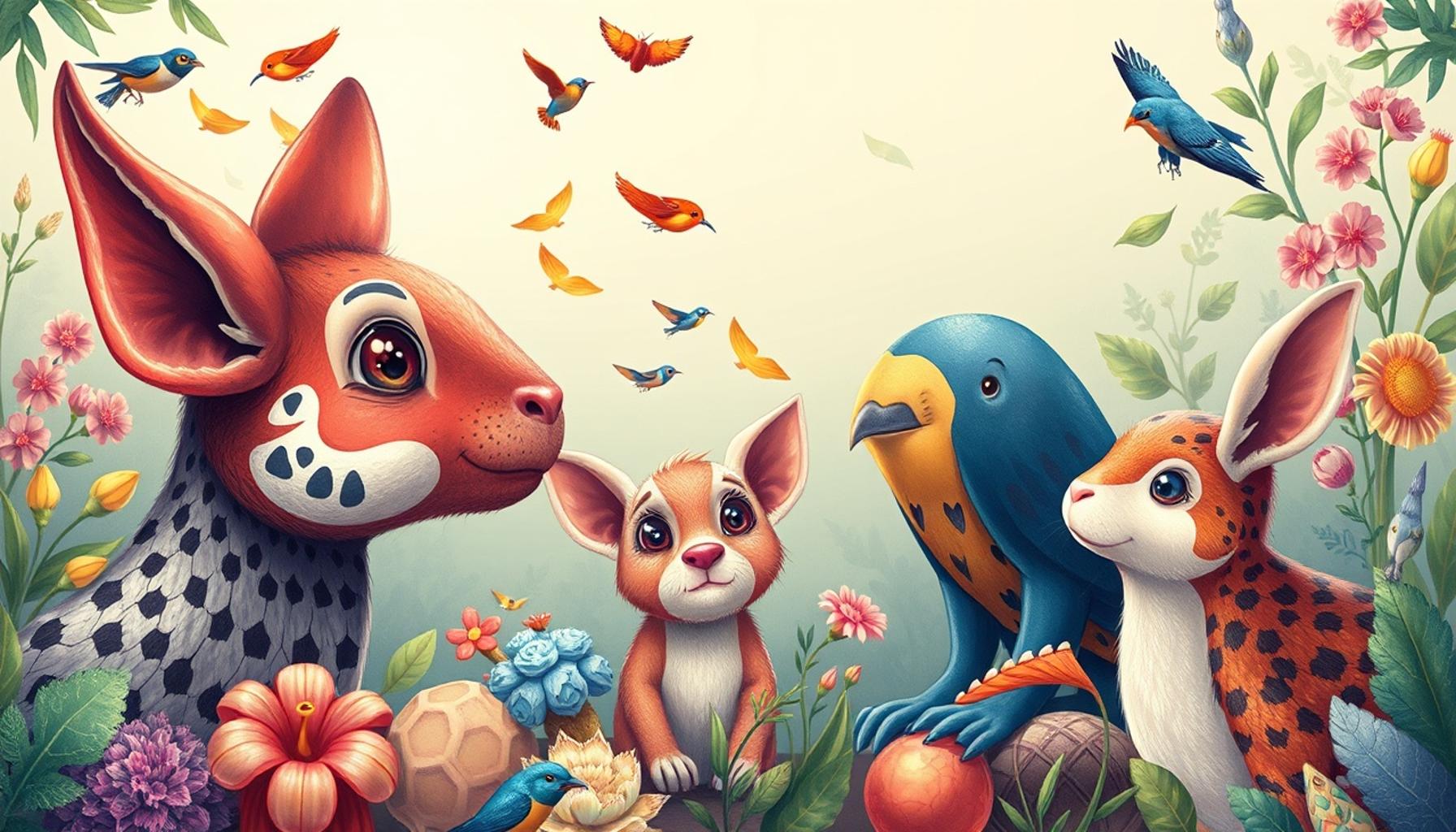
The Allure of the Unconventional: Discovering Unusual Pets
While cats and dogs often dominate the pet scene, *less common pet species* offer an intriguing alternative for animal lovers seeking something different. With these unique companions, individuals can enrich their lives in surprising ways, introducing themselves to a world of *diverse friendships* that defy traditional norms.
Why Consider Unusual Pets?
Choosing a less conventional pet can be a rewarding decision for many reasons:
- Diversity: Opting for unusual pets opens up a fascinating array of species that can adapt well to various lifestyles. For instance, if you have an active lifestyle, you might consider adopting a ferret, known for their playful nature, whereas someone looking for a serene companion might prefer a turtle, which requires minimal interaction.
- Low Maintenance: Many exotic pets tend to be less demanding in terms of daily care compared to traditional pets. For example, reptiles like ball pythons or bearded dragons have specific habitat needs but require feeding only a few times a week, making them suitable for busy individuals or families.
- Unique Traits: Uncommon pets possess fascinating behaviors and characteristics that can spark wonder and appreciation. Parrots, for instance, can mimic human speech and showcase extraordinary intelligence, while hedgehogs exhibit quirky behaviors such as curling into a ball—each offering a special connection to their owners.
Examples of Less Common Pets
If you’re curious about what types of pets are out there, consider these options:
- Ferrets: These playful and social creatures are known for their inquisitive nature and loving personalities. They thrive on interaction and are often referred to as “furry little clowns” due to their playful antics, making them delightful companions for families and individuals.
- Reptiles: From colorful geckos to snakes that can be both beautiful and gentle, reptiles can add a splash of the exotic to your home. Many reptile enthusiasts find joy in creating detailed environments for their pets, which can be both visually stunning and educational experiences for children.
- Bunnies: More than just fluffy companions, rabbits can develop incredibly close bonds with their owners. They are social creatures that thrive in interactive settings and can be litter-trained, making them suitable for indoor living while providing endless joy with their playful behaviors.
As pet owners seek new friendships beyond the traditional realm, these less common species are gaining popularity across the United States. In recent years, various exotic pet expos have emerged, showcasing a diverse array of animals and educating enthusiasts about their care and habitats. Join us as we delve deeper into this extraordinary world of unusual pets and uncover the joys and challenges they bring into our lives. By embracing these unique companions, we not only expand our horizons but also foster a greater appreciation for the richness of the animal kingdom.
Exploring the World of Exotic Companions
For those seeking to broaden their horizons in pet ownership, venturing into the realm of less common pet species can be an enlightening experience. These unique animals not only offer companionship but also introduce their owners to a richer understanding of biodiversity and responsibility. With growing awareness and interest in these extraordinary pets, it is essential to examine their traits, needs, and integration into our lives.
Understanding the Appeal of Unconventional Pets
One of the primary motivations behind choosing an uncommon pet is the appeal of their distinct characteristics and behaviors, which can often be refreshing compared to traditional pets. But the reasons go deeper:
- Connection to Nature: Owning an exotic pet fosters a direct connection to the natural world. Whether observing the vibrant colors of a chameleon or the intricate patterns of a Betta fish, such pets provide an appreciation for the unique beauty of different species.
- Educational Opportunities: Less common pets often bring added educational value. For instance, having a tarantula or a Madagascar hissing cockroach can spark conversations about biology, anatomy, and conservation efforts that might otherwise be overlooked.
- Community Engagement: The exotic pet community is thriving, with forums, clubs, and expos dedicated to these species. Owners frequently learn from one another about best practices in care, handling, and habitat creation, contributing to a network of support.
Discovering New Species
The variety of less common pet species is both vast and fascinating. Below are a few noteworthy examples that highlight the diverse choices available for prospective pet owners:
- Sugar Gliders: These small marsupials are nocturnal and known for their remarkable ability to glide, making them a playful addition to any home. Well-socialized sugar gliders bond closely with their owners and require a diet rich in fruit and insects.
- Axolotls: A unique type of aquatic salamander, axolotls are celebrated for their regenerative abilities. Their captivating appearance and low maintenance requirements make them an enticing option for enthusiasts looking for a pet that’s both beautiful and relatively easy to care for.
- Miniature Pigs: Often called ‘teacup pigs,’ these intelligent and affectionate animals can form strong bonds with their humans. However, potential owners need to be mindful of their care and socialization needs, as well as their eventual size, as many do not stay as small as advertised.
In considering uncommon pets, it’s vital to understand that each species comes with specific care requirements and commitment levels. Researching and preparing for responsible ownership paves the way for a fulfilling and enriching relationship with your new companion. As we dive deeper into the realm of less common pet species, we discover more than just unique animals; we forge valuable connections and friendships that can last a lifetime.
| Category | Benefits |
|---|---|
| Unique Companionship | Less common pets, like ferrets or hedgehogs, offer a distinct bond and interaction style that traditional pets may not provide. |
| Diversity in Care | Owning a rarer species encourages diverse knowledge about animal care, fostering a greater appreciation for different ecosystems. |
Exploring less common pet species can lead to discovering new friendships that expand your social circle. Engaging with fellow enthusiasts creates opportunities for connection through shared interests. Imagine attending meet-ups, exchanging care tips, or collaborating on pet projects. Furthermore, owning an unusual pet often piques curiosity, prompting conversations that enrich your life and those around you.In addition to bonding with your pet, these relationships might also lead to community involvement. Certain groups advocate for less common species, providing educational resources that foster responsible pet ownership. By learning together, you build a supportive network that champions the welfare of these unique animals. This valued companionship transcends the individual and enhances the greater community, reinforcing the notion that friendship can extend beyond familiar boundaries in the journey of pet ownership.
Choosing the Right Exotic Companion
As the journey into the world of less common pet species unfolds, it becomes crucial for future pet owners to consider not only the appeal of these animals but also their specific care requirements and how they can fit into a modern lifestyle. Each pet is unique and deserving of a thoughtful approach before any commitment is made.
Evaluating Lifestyle Compatibility
When contemplating an uncommon pet, it’s essential to assess how well the animal aligns with personal lifestyles and living situations. Space, time, and resources are fundamental aspects to consider:
- Space Requirements: Many exotic pets, particularly reptiles like iguanas or snakes, require specialized habitats, which can take considerable space and effort to maintain. Assessing how much room you can allocate for their enclosures is foundational to ensuring their health.
- Time Commitment: Some less common pets, such as hedgehogs or parrots, require significant interaction and mental stimulation. Potential owners must be prepared to dedicate time for socialization or play, which is crucial for the overall well-being of these animals.
- Financial Responsibility: The cost of owning exotic pets can vary widely; from their diet to habitat maintenance, investing in high-quality food and a properly designed living environment is key. It’s advisable to outline a budget to avoid unexpected financial strain.
Understanding Regulatory Considerations
While excitement about discovering new friendships through less common pets may be high, it’s important to be aware of the legal landscape surrounding exotic animal ownership. Many states in the U.S. have specific regulations or bans concerning certain species. For example:
- Regulations on Ownership: Certain states prohibit the ownership of reptiles like monitor lizards or specific breeds of ferrets due to concerns regarding public safety or ecological impact. Familiarizing yourself with local laws is essential to ensure compliance.
- Importation Laws: Many exotic animals cannot be transported across state lines without permits due to conservation efforts. For those considering importation, checking both state and federal regulations is crucial for responsible pet ownership.
Building Bonds with Uncommon Pets
One of the most rewarding aspects of owning a less common pet is the bond that develops over time. Here are some ways to cultivate these connections:
- Positive Reinforcement Training: Many exotic pets can learn to respond to commands and cues, which not only enriches their lives but also enhances the relationship between pet and owner. Implementing rewards-based training creates an engaging environment for both.
- Creating a Stimulating Environment: Interior enrichment—such as climbing structures for sugar gliders or interactive toys for rabbits—not only promotes mental health but solidifies the bond as pets explore and play in their specific habitats.
- Regular Health Checks: Forming a routine with veterinary visits for preventive care can also solidify the relationship. Monitoring health issues can enhance the owner-pet dynamic, creating a deeper sense of trust and care.
Ultimately, the journey into the world of less common pet species transcends simple ownership; it invites a deeper understanding of animal behavior, environmental stewardship, and the unique joys of fostering friendships with intriguing creatures. As more individuals embrace the diversity of pet ownership, the shared experiences can redefine the essence of companionship, bridging gaps between humans and the natural world in ways previously unimagined.
Conclusion: Embracing Unconventional Companionship
The exploration of less common pet species opens up a vibrant world of unique relationships and delightful discoveries. As pet enthusiasts venture into the realm of exotic animals, they are not merely adopting a pet; they are forging a connection with a remarkable creature that requires a nuanced understanding of its needs. This journey promises rewarding experiences filled with the joy of fostering new friendships and learning about diverse animal behaviors.
However, responsible pet ownership remains paramount. It is vital to recognize the specific care strategies, financial implications, and regulatory landscapes associated with each exotic species. By taking the time to meticulously evaluate lifestyle compatibility, prospective owners can ensure that both they and their chosen companions thrive in harmony. Each unique bond nurtures not only the individual animal’s welfare but also promotes an enriched appreciation for wildlife conservation and awareness.
As awareness grows regarding the vast array of less common pets—from affectionate rodents to captivating reptiles—so does the potential for deeper connections with the animal kingdom. The beauty of these relationships lies in their potential to broaden our perspectives on companionship and commitment. By welcoming these extraordinary creatures into our homes, we embark on a path that fosters emotional growth and mutual understanding, ultimately enriching our lives in ways we often overlook. Thus, the journey of discovering new friendships through less common pets offers a remarkable invitation to explore the richness of life shared with our fellow beings on this planet.


 Beatriz