
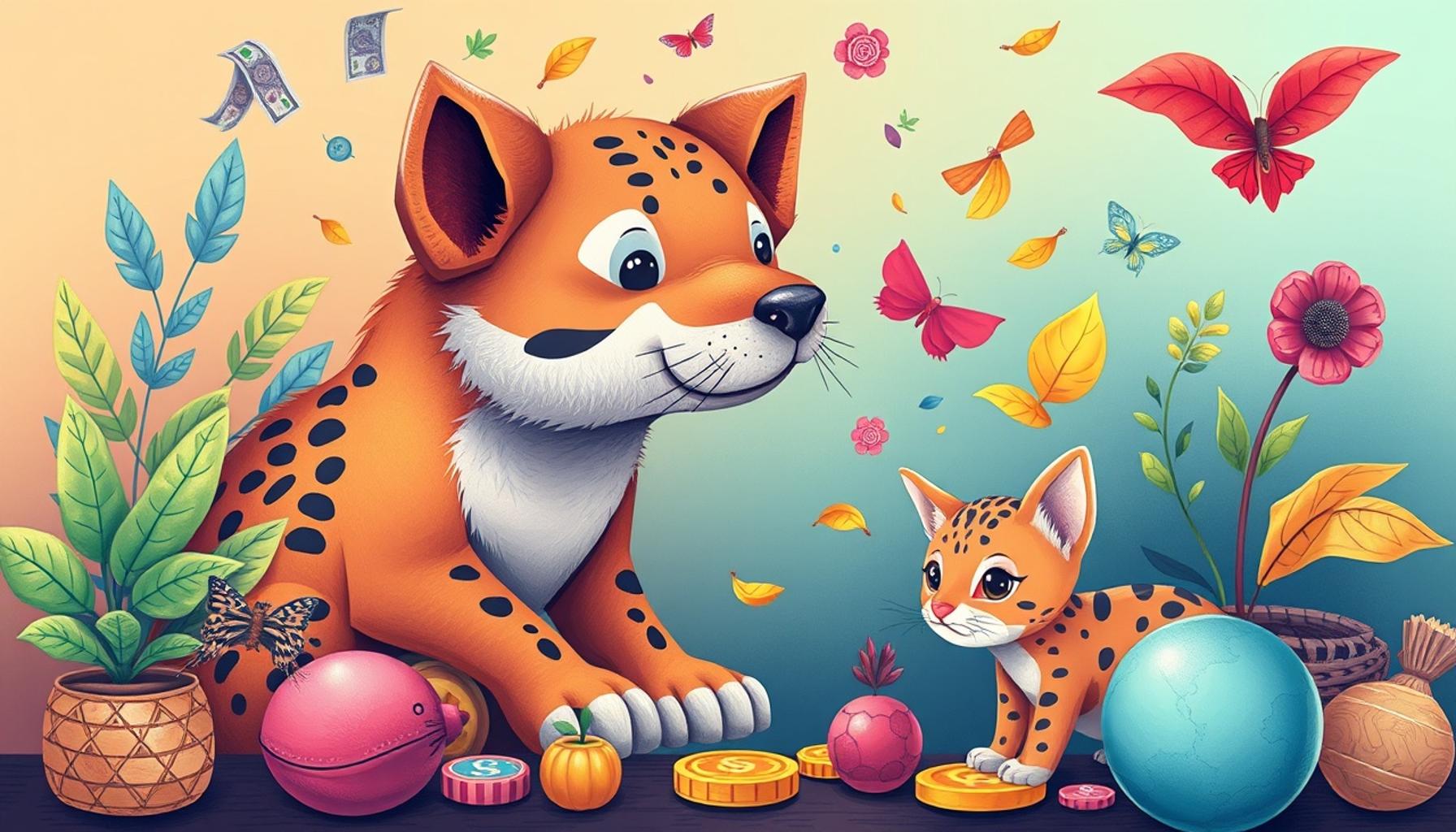
The Importance of Engagement in Pet Welfare
Providing a stimulating environment is essential for the mental health of pets. Just like humans, animals require engagement and interaction to thrive. Animals that receive adequate stimulation are happier, healthier, and less prone to developing behavioral issues. In this context, environmental enrichment plays a critical role in enhancing the quality of life for pets and fortifying their mental well-being. This article explores how toys and various stimuli significantly influence pet behavior and emotional health.
Forms of Environmental Enrichment
Environmental enrichment comes in many forms, each uniquely tailored to meet the needs of different pet species. The most common methods include:
- Interactive toys: These specially designed toys challenge pets mentally and physically. Examples include puzzle feeders that require pets to solve a problem to access their food, or toys that make sounds or move unpredictably. These toys not only stimulate mental engagement but also encourage pets to exercise, which is vital for their physical health.
- Naturally inspired habitats: Creating spaces that mimic an animal’s natural environment can significantly reduce stress. For example, cat trees that resemble trees with different heights and textures can provide cats with climbing opportunities and places to hide, replicating their instinctive behaviors. Similarly, aquariums filled with various plants and hiding spots can invigorate the lives of fish, mimicking their natural aquatic habitats.
- Training exercises: Engaging in regular training activities can provide mental challenges that are crucial for dogs. Utilizing basic commands, agility courses, or even scent work can keep dogs mentally stimulated. Training not only fortifies the bond between pet and owner but also progressively builds the pet’s confidence.
The Benefits of Environmental Enrichment
Research shows that pets receiving adequate enrichment exhibit fewer signs of anxiety, aggression, and destructive behavior. A study conducted by the American Veterinary Medical Association found that pets engaging in regular interactive play tend to have lower stress levels and a more balanced temperament.
Furthermore, social interaction with their human companions is a vital component of enrichment. Spending quality time with pets, whether through playtime, training, or simply cuddling, significantly enhances their overall well-being. Pet owners should be vigilant about recognizing signs of boredom, which can manifest as destructive behaviors, excessive barking, or lethargy. By being aware of these indicators, owners can take proactive measures to enrich their pets’ environments.
Conclusion and Call to Action
Ultimately, investing time and resources into creating a dynamic, engaging atmosphere for your beloved companions can lead to profound benefits. From interactive toys to enriched habitats and stimulating training programs, the options for environmental enrichment are abundant and varied. This article aims to motivate pet owners to explore effective strategies that can positively transform not only pet behavior but also their mental health. Dive deeper into the world of pet enrichment and discover how you can create a more fulfilling life for your furry friends.
Understanding Environmental Enrichment
Environmental enrichment involves enhancing the living spaces and experiences of pets to provide mental stimulation and promote natural behaviors. This concept is not merely a trend but rather an essential aspect of pet care that impacts their overall health and happiness. Pets, like dogs and cats, have instinctual needs that go beyond the basic provisions of food, water, and shelter. By fulfilling these needs through purposeful enrichment, owners can prevent various psychological issues and foster a fulfilling life for their companions.
The Science Behind Stimulation
Numerous studies have demonstrated the profound connection between enrichment and pet behavior. For instance, a survey conducted by the American Society for the Prevention of Cruelty to Animals (ASPCA) revealed that pets engaged in stimulating activities are less likely to exhibit signs of anxiety and aggression. This shows that when pets have access to toys and various forms of enrichment, they are more likely to channel their energy positively, leading to well-adjusted behavior.
Moreover, environmental enrichment serves to satisfy innate instincts. Dogs, descendants of wolves, possess natural hunting drives; equally, cats have predatory behaviors deeply ingrained in their genetics. Toys that mimic prey, such as feather wands for cats or squeaky toys for dogs, can activate these instincts, allowing pets to engage in play that not only fulfills their biological urges but also keeps them entertained.
Types of Toys and Activities
The variety of toys and activities available for enrichment can be overwhelming, yet not all options are suitable for every pet. Here are some effective categories of toys and activities that can promote a healthier mental state:
- Chew Toys: Essential for dogs, these toys satisfy the natural chewing instinct, helping to relieve boredom and reduce stress.
- Interactive Puzzle Toys: Designed to challenge a pet’s problem-solving skills, these toys are perfect for those that enjoy mental challenges and require continuous stimulation.
- Cat Trees and Scratching Posts: Providing vertical spaces for climbing and scratching caters to feline instincts, creating a sense of security and territory.
- Fetch and Tug Toys: Activity-based toys like balls and tug ropes encourage physical exercise, strengthening the bond between pet and owner while promoting cardiovascular health.
Each type serves a unique purpose and can be introduced gradually to assess what interests a pet the most. It is essential for owners to rotate toys and activities to maintain novelty, preventing pets from becoming bored or disinterested. Regular updates to their play environment can keep a pet engaged and mentally agile, contributing to a happier, less stressed animal.
Recognizing the Signs of Boredom
Understanding your pet’s behavior is crucial for effective management of their mental health. Boredom can manifest in various ways, such as excessive barking, destructive chewing, or hyperactivity. By being in tune with these behaviors, owners can implement enrichment strategies before minor issues escalate into serious problems. Encouraging structured play and providing a variety of stimuli can significantly reduce stress and depression in pets, leading to a healthier, more balanced life.
The Impact of Environmental Enrichment on Pet Intelligence and Behavior
Environmental enrichment plays a crucial role in the overall well-being of pets, particularly in enhancing their mental health and cognitive functions. The use of stimulating toys and engaging activities can significantly improve a pet’s quality of life, helping to prevent behavioral issues often caused by boredom or stress. Research suggests that pets who are frequently exposed to a variety of stimuli show greater adaptability and fewer instances of anxiety. For example, interactive toys that require problem-solving can enhance a pet’s cognitive abilities. Activities such as puzzle feeders or toys that dispense treats can stimulate the brain, which effectively engages their natural instincts to hunt and forage. This form of enrichment is not only entertaining but also fosters a sense of achievement when pets successfully manipulate these devices to access rewards.Moreover, the incorporation of sensory experiences, such as different textures, sounds, and scents, can further amplify the enrichment process. Utilizing toys that incorporate varied materials or emit diverse sounds may help in developing a pet’s sensory perception, contributing to their overall psychological health. For instance, rotating toys regularly keeps the environment fresh and interesting, reducing the likelihood of behavioral problems such as destructive chewing or hyperactivity.Furthermore, social interaction through play with human caregivers or other pets can also serve as an essential aspect of environmental enrichment. This engagement promotes bonding, reducing feelings of isolation often experienced by indoor pets. Group playtimes or training sessions can alleviate stress and provide pets with the physical exercise they need to maintain stable moods and behaviors.Ultimately, understanding and applying the principles of environmental enrichment can transform how pets navigate their daily lives. By ensuring they have access to a variety of toys, challenges, and social opportunities, pet owners can significantly enhance their pets’ mental health and foster positive behaviors, paving the way for happier, more balanced lives.
| Category | Advantages |
|---|---|
| Cognitive Health | Stimulating toys enhance problem-solving skills and adaptability. |
| Behavioral Improvement | Engagement in play reduces stress-related behaviors and anxiety. |
The Impact of Social Interactions
While toys and physical stimuli are fundamental to pet enrichment, social interactions also play a crucial role in enhancing mental health and overall behavior. Pets, particularly dogs, are inherently social creatures that thrive on engagement with their human companions and other animals. Regular playdates with other dogs or supervised interaction with other pets can significantly offset loneliness and excess energy. According to the American Kennel Club (AKC), dogs that engage in social play are less likely to develop behavioral issues related to anxiety or aggression.
Enrichment Through Training
Another potent form of environmental enrichment comes from training. This goes beyond basic obedience commands; it involves teaching pets new tricks or behaviors, which stimulates their minds while strengthening the bond between the animal and the owner. Positive reinforcement techniques can lead to enjoyable experiences that coax out a pet’s natural curiosity and intelligence. Studies show that dogs that are routinely trained display fewer behavioral problems as they have a structured outlet for their physical and mental energy. According to a study published by the Journal of Veterinary Behavior, animals engaged in regular training sessions show improved cognitive function, reducing the occurrence of stress-related issues.
Cognitive Games and Challenge Activities
Cognitive games are a fabulous way to blend enrichment with mental exercise. These games can take various forms, from hide-and-seek with treats to DIY obstacle courses made from household items. Creating challenges requires a bit of creativity but can be incredibly rewarding for pets and owners alike. Engaging in these activities can decrease the likelihood of destructive behaviors that arise from boredom during long periods of inactivity.
- Treasure Hunts: Hide treats around the house or yard and encourage your pet to find them. This taps into their natural foraging instincts and provides mental stimulation.
- Training Games: Use clickers, treats, and your voice to encourage your pet to learn a new command or trick, making training fun and interactive.
- Agility Training: Set up a simple agility course that incorporates jumping through hoops or weaving between cones, turning exercise into a game.
By integrating cognitive games into their routine, pets not only stay active but also develop stronger problem-solving skills, which can translate into better behavior overall. Offering challenges tailored to a pet’s unique capabilities can significantly enhance their mental acuity.
The Role of the Environment
Beyond toys and activities, the physical environment plays a significant role in a pet’s mental well-being. A rich environment encourages exploration, which is crucial for keeping pets engaged. For example, a safe outdoor space or a well-structured indoor layout that includes elements such as tunnels, ramps, and varied textures can help maintain interest and provide opportunities for exercise. The Pet Industry Federation underscores the importance of sensory stimulation—sounds, smells, and sights can profoundly affect behavior and emotional state. For instance, a garden filled with safe plants can stimulate a pet’s sense of smell, while access to safe outdoor areas promotes exercise.
Ultimately, the key to successful environmental enrichment lies in variety and versatility. Owners should remain attentive to their pets’ reactions and preferences, adapting the enrichment strategies accordingly. This personalized approach ensures that pets continually benefit from the best that their environments can offer, empowering their mental health and overall behavior.
Conclusion
In conclusion, environmental enrichment is a vital component in fostering positive behavior and mental health in pets. Through a blend of stimulating toys, rewarding social interactions, structured training, and engaging cognitive activities, pet owners can create an environment where their animals not only feel secure but also thrive. Each form of enrichment plays a unique role in addressing natural instincts and promoting mental engagement, which is crucial for reducing anxiety and preventing behavioral issues.
As the evidence suggests, pets that are regularly stimulated—both physically and mentally—exhibit fewer behavioral problems and improved overall well-being. By encouraging exploration through a rich sensory environment, owners can enhance their pet’s quality of life in significant ways. Moreover, tailoring enrichment activities to a pet’s individual preferences and capabilities ensures a more personalized experience that keeps animals engaged and motivated.
Ultimately, investing time in creative and varied enrichment activities can lead to a deeper bond between pets and their owners, resulting in a harmonious living environment. As we continue to uncover the profound impact of mental health on animal behavior, it becomes increasingly evident that environmental enrichment is not merely a luxury but a necessity for responsible pet ownership. By prioritizing mental stimulation, pet owners contribute not only to healthier pets but also to a happier home. Such insights open the door to further exploration of innovative enrichment strategies that can be easily integrated into daily routines.


 Beatriz