
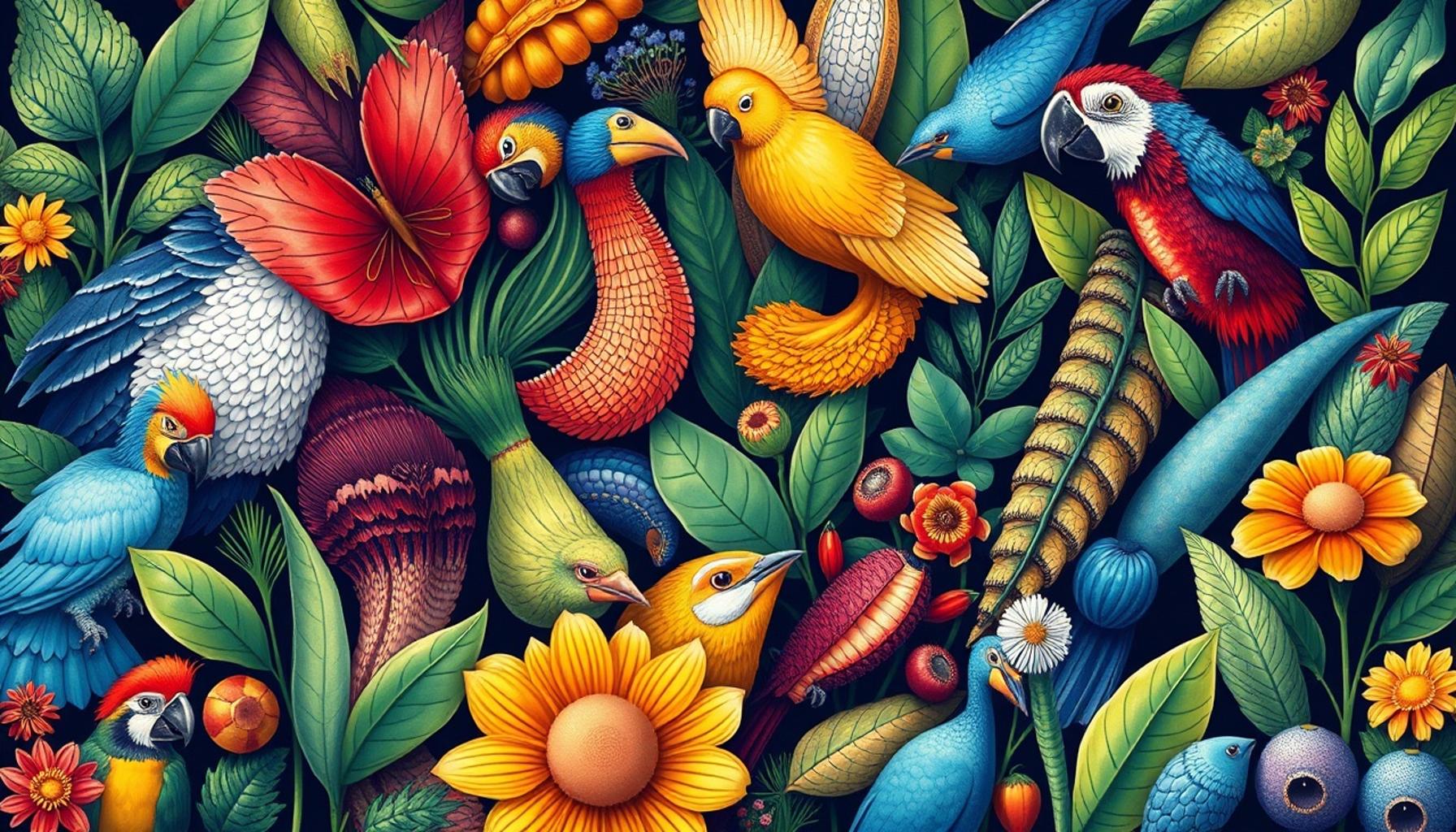
The Importance of Diverse Species in Promoting Sustainable Pet Ownership
With ecological conservation becoming an increasingly pressing issue, individuals are urged to reflect on how species diversity affects not only the well-being of animals but also the sustainability of pet ownership practices. As climate change and resource depletion become more severe, the importance of understanding the dynamics between biodiversity, sustainability, and ethical practices in pet ownership cannot be overstated. Each decision we make regarding pets—whether in terms of species selection or breeding—carries significant ecological implications.
Consider the concept of genetic health. Diverse genetic backgrounds lead to pets with fewer inherited health issues. For instance, mixed-breed dogs often exhibit lower rates of genetic disorders compared to purebreds. This genetic diversity isn’t merely beneficial; it’s crucial for the long-term health and robustness of animal populations. In countries like the United States, where the American Kennel Club accredits various dog breeds, promoting mixed breeds through adoption can contribute to healthier dog populations overall.
Furthermore, the resilience of species in adapting to both environmental changes and emerging diseases is greatly enhanced by having multiple species. For example, certain reptiles and amphibians offer biological insights into resistance against specific pathogens, which can be invaluable for future conservation efforts. As habitats become less stable due to human activity, our choice to adopt and care for diverse species can help ensure that we maintain a variety of traits essential for adaptation and survival.
Supporting the adoption of less common species also plays a critical role in conservation efforts. For instance, by promoting the adoption of exotic birds or lesser-known rodents, pet owners can contribute to protecting these animals from the brink of extinction. This approach not only enhances species diversity but also encourages a greater appreciation for less conventional pets, thereby enriching our understanding of the natural world.
The impact of pet ownership decisions extends beyond individual households and into the framework of local ecosystems. Introducing non-native species can lead to disruptions. For example, certain pets, when released into the wild, can become invasive, outcompeting native species for resources and altering habitats. It is crucial for prospective pet owners to consider these consequences when choosing a pet.
Lastly, adopting ethical practices can have far-reaching effects on animal welfare. By selecting pets that have been bred responsibly, owners ensure that their animals come from humane conditions and help mitigate the exploitation seen in some breeding practices. This advocacy for ethical pet ownership not only promotes well-being but also raises awareness among communities about the importance of treating animals with respect and care.
As we approach the responsibilities of pet ownership with a conscientious mindset, the connections between species diversity, ecological sustainability, and ethical practices become increasingly evident. Each of these elements adds layers to our understanding of how to live harmoniously with our pets while being guardians of the environment. This exploration encourages owners to become informed stewards, contributing to a future where pet ownership enhances both animal welfare and biodiversity.
DIVE DEEPER: Click here to discover the importance of balanced nutrition for your pet
Understanding the Role of Species Diversity in Pet Selection
The choices we make about the pets we bring into our homes extend beyond our personal preferences; they contribute significantly to the broader issues of sustainability and ethics in pet ownership. Diverse species encapsulate a wealth of genetic traits and behavioral characteristics, enriching the pet ownership experience while fostering a sustainable ecosystem. Pet owners must recognize the importance of species diversity and its implications for their responsibilities as caretakers of living beings.
When considering the impact of species diversity, it is essential to evaluate the environmental and physiological benefits it offers. Ecological balance is at the heart of a healthy environment, and having a variety of species helps maintain this balance. Each species plays a specific role within their ecosystems, contributing uniquely to nutrient cycling, pest control, and other ecological processes that sustain life. For instance, the presence of diverse fish species in aquariums can assist in maintaining a well-balanced aquatic ecosystem, ultimately leading to healthier fish and water quality.
Moreover, pet ownership can influence the demand for certain species over others, resulting in significant ramifications for conservation. The adoption of less common species can be particularly beneficial. By welcoming pets such as guinea pigs, hedgehogs, or tropical fish into our lives, we potentially reduce the pressure on more popular species, which often suffer from overbreeding and habitat loss. The illegal pet trade, driven by the demand for exotic pets, can be curtailed when pet owners seek out less mainstream options.
To illustrate the benefits of diverse pet ownership, consider the following points:
- Increased Resilience: Various species come equipped with different coping mechanisms that can help them survive under changing environmental conditions. For instance, animals like ferrets are known for their adaptability, making them suitable companions across varying lifestyles.
- Health Benefits: A diverse range of species can introduce unique companionship opportunities, helping to reduce feelings of isolation and improving mental health. Studies have shown that caring for a pet can lower stress levels and enhance overall well-being.
- Promoting Awareness: By adopting diverse species, pet owners not only promote biodiversity but also raise awareness about the need for conservation. Each unique species brings a story, prompting discussions about their habitats and the ecological challenges they face.
Crucially, ethical considerations should guide our choices in adopting pets. The concept of ethical breeding emphasizes the importance of selecting animals from responsible breeders or rescue organizations that prioritize animal welfare over profit. Adopting from these sources significantly reduces the possibility of supporting poor breeding practices, which often result in health problems and unwanted behaviors in pets.
In conclusion, but by no means the end, embracing species diversity fosters not only a healthier ecosystem but also enriches our lives as pet owners. Each pet is an opportunity to cultivate a stronger connection with the natural world while contributing positively to sustainability efforts. As we delve deeper into the importance of ethical practices in pet ownership, we can unlock the potential for a future where diverse species flourish, creating a vibrant and balanced ecosystem right at home.
| Advantage | Impact on Sustainability |
|---|---|
| Enhancement of Biodiversity | Promotes resilience in pet species, aiding in ecosystem stability. |
| Reduction in Inbreeding | Encourages healthier, genetically diverse pets that are less prone to genetic disorders. |
| Ethical Breeding Practices | Fosters responsible ownership and breeding, prioritizing animal welfare. |
| Conservation Efforts | Recognizes the importance of protecting various species, ensuring their survival. |
The ramifications of species diversity extend far beyond mere aesthetics or companionship in the realm of sustainable and ethical pet ownership. By consciously selecting pets that embody diverse lineages, one can significantly bolster the ecological environment. Increasing biodiversity not only supports the stability of ecosystems but also reduces the likelihood of disease outbreaks among pet populations. Moreover, ethical breeding practices emerge as a natural ally, minimizing genetic issues that plague purebred animals. Through a commitment to these principles, pet owners can contribute meaningfully to conservation efforts, promoting a world where both human and animal welfare thrive.Through this lens, the initiative to foster species diversity in pet selection is not merely a trend—it’s a vital strategy that underscores the interconnectedness of all living things. As consumer awareness around ethical practices continues to grow, the call for sustainability in our pets’ origins resonates warmly with eco-conscious individuals and families alike. The future of pet ownership lies in embracing this diversity, not only for the pets we cherish but for a healthier planet.
DISCOVER MORE: Click here to learn how to boost your pet’s health
The Intersection of Species Diversity and Community Engagement
The impact of species diversity on creating sustainable and ethical pets also extends beyond individual ownership into the realms of community involvement and environmental stewardship. When pet owners choose to adopt a variety of species, they become part of a larger conversation about conservation and the responsible treatment of animals, fostering a sense of shared responsibility among communities.
One significant aspect of this community engagement is education. Local shelters, breeders, and pet stores can play pivotal roles in informing potential pet owners about the importance of species diversity. Programs designed to raise awareness about different species, their ecological roles, and the ethical considerations tied to their care can empower individuals to make informed choices. For instance, events that showcase less common pets, like reptiles, birds, or small mammals, can encourage families to consider varied options rather than defaulting to more mainstream pets such as dogs and cats.
Moreover, communities can facilitate species-specific adoption events, which focus on finding homes for less popular or at-risk species. Such initiatives not only promote species diversity but also help alleviate the pressure on some breeds that are often overpopulated in shelters. According to the American Society for the Prevention of Cruelty to Animals (ASPCA), millions of animals enter shelters each year, highlighting the urgent need for adoption solutions that encompass a broader range of species.
In addition to educational outreach, community engagement can also manifest through volunteering opportunities centered around species diversity. Programs that allow individuals to work with various animals can enhance their understanding and appreciation of these creatures. For instance, volunteering at an exotic animal rescue can expose individuals to unique species and the challenges they face, ultimately fostering a more profound respect for biodiversity.
It’s also essential to mention the potential for community gardens or sanctuaries that promote the coexistence of pets with local wildlife. By creating environments that foster both domestic and wild species, these projects can exemplify how diverse ecosystems thrive when properly managed. Urban initiatives in cities like Portland, Oregon, and San Francisco, California, showcase how pet owners can contribute to biodiversity through careful landscaping and habitat creation, thus enhancing local ecosystems.
Furthermore, individuals who engage in pet ownership with an awareness of species diversity often develop a strong sense of environmental consciousness. People that opt for pets requiring habitat conservation, such as certain reptiles or fish species, typically become more invested in environmental issues, supporting initiatives aimed at preserving these species’ natural habitats. This cross-pollination between pet ownership and environmental advocacy encourages a more sustainable lifestyle where ethical practices extend beyond the walls of the home.
As pet owners navigate the diverse landscape of species, they facilitate the spread of knowledge and best practices within their communities. By sharing experiences and insights about unique pets and their care, they can help foster a culture of responsible pet ownership that actively contributes to sustainability and ethical treatment.
Ultimately, species diversity does not only enrich the pet ownership experience; it cultivates a rich tapestry of community engagement, compassion, and environmental stewardship that is vital for creating a more sustainable future.
DISCOVER MORE: Click here to learn how to adjust your pet’s diet
Conclusion
The impact of species diversity on creating sustainable and ethical pets is profound and multifaceted, extending well beyond the confines of individual households. By embracing a variety of species in pet ownership, communities can foster a culture of conservation and responsible stewardship, contributing to a larger dialogue about the ethical treatment of all animals. The ripple effects of diverse species adoption can lead to increased awareness, education, and community engagement, ultimately promoting a sustainable lifestyle.
Education remains the cornerstone of this movement, as local shelters and pet advocacy groups work to illuminate the ecological roles of various species. Initiatives such as species-specific adoption events effectively highlight less common pets, alleviating overpopulation issues in more mainstream breeds and ensuring that all animals have the opportunity for loving homes. Moreover, volunteering at animal rescues and participating in community gardens serve to enhance understanding and respect for biodiversity, fostering a deeper appreciation for the interconnectedness of all living beings.
As individuals become more environmentally conscious through their interactions with unique species, they often extend their advocacy beyond their homes, promoting sustainable practices that benefit both pets and natural ecosystems. This symbiotic relationship between pet ownership and environmental awareness underlines the potential for a more sustainable future.
In conclusion, the journey towards creating sustainable and ethical pets through species diversity invites all of us to rethink our choices and the way we engage with animals. It propels a movement rooted in compassionate practices, community collaboration, and environmental stewardship, making it an essential consideration for any pet owner looking to make a positive impact.


 Beatriz