
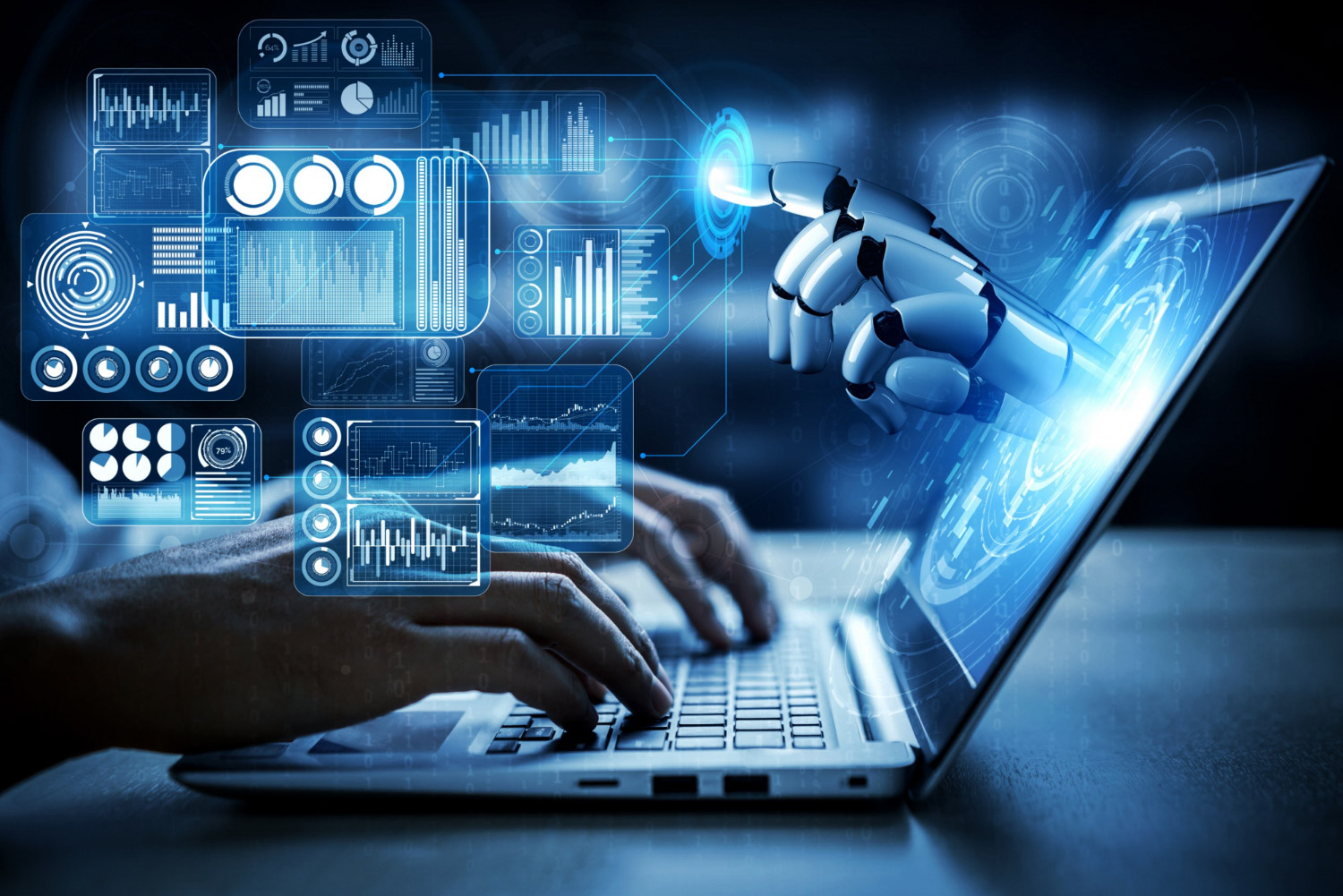
The Transformative Power of Machine Learning
In today’s fast-paced digital landscape, machine learning stands as a pivotal force driving innovation in customer interactions. By processing and analyzing extensive datasets, businesses now have the ability to customize their services and products to align closely with consumer preferences, significantly amplifying customer satisfaction and brand loyalty.
This sophisticated technology hinges on the principle of converting raw data into valuable insights that can guide strategic decisions. For instance, consider the remarkable advancements seen across various industries:
- Recommendation Systems: Companies like Netflix and Amazon have perfected the art of personalization through machine learning. By examining individual viewing habits or purchasing history, these platforms can suggest tailored content or products. This not only enhances user experience but also increases time spent on their platforms, directly correlating to higher sales.
- Dynamic Pricing: Retail giants such as Walmart utilize machine learning algorithms to monitor competitors’ pricing in real-time. This enables them to adjust prices dynamically based on current market conditions, optimizing profitability while ensuring they remain attractive to consumers who are always looking for the best deals.
- Chatbots and Virtual Assistants: Brands are leveraging AI-driven chatbots to provide immediate customer support. For example, companies like Sephora have integrated virtual assistants on their platforms that can recommend beauty products based on user queries and preferences. These personal interactions boost customer engagement by making shoppers feel valued and understood.
The insights garnered from these applications go beyond just providing functional improvements; they fundamentally reshape how businesses understand their customers. With machine learning, companies can swiftly analyze:
- Buying behaviors and trends: By tracking how consumer preferences shift over time, businesses can adapt their offerings to remain relevant and appealing.
- Customer sentiment and feedback: Utilizing text analysis and sentiment detection algorithms, businesses can parse customer reviews and social media mentions to gauge public perception, allowing for prompt adjustments and proactive engagement strategies.
- Optimal marketing strategies: Machine learning tools can identify the most effective marketing channels for specific demographics, ensuring that advertising efforts resonate with the intended audience and maximize return on investment.
As machine learning technologies continue to advance, they push the boundaries of what personalized consumer experiences can entail. Businesses embracing these innovations not only enhance their operational efficiency but also gain a substantial competitive edge. This technological evolution offers the promise of retaining existing customers while attracting new ones, thereby creating a robust, loyal customer base eager for ongoing engagement with the brand.
In summary, the integration of machine learning into business strategies represents an exciting frontier. As consumers continue to demand more tailored experiences, those companies ahead of the curve in adopting these technologies may well define the future marketplace.
DISCOVER MORE: Click here to learn how AI can enhance your business decisions
Personalization at Scale: How Machine Learning Transforms Customer Engagement
The shift towards personalization in consumer experiences has become a top priority for businesses, and machine learning is at the forefront of this evolution. By interpreting vast amounts of data, machine learning equips companies with the tools necessary to understand individual customer preferences and behaviors. This not only enhances the shopping experience but also creates a more meaningful connection between the brand and the consumer.
One of the most notable applications of machine learning in personalization is the ability to predict customer needs before they even arise. Through advanced algorithms, businesses can analyze previous purchase histories, online behavior, and even browsing patterns to create predictive models. For example, e-commerce platforms can anticipate what products a shopper might be interested in based on their current selections or even predict when they might need to replenish an essential item, such as toiletries or groceries.
This predictive capability leads to a myriad of benefits for both consumers and businesses:
- Enhanced Customer Satisfaction: Personalized recommendations based on thorough consumer data can significantly improve satisfaction rates. When consumers feel that brands understand their needs, they are more likely to engage in repeat business.
- Increased Conversion Rates: Implementing machine learning-driven product recommendations can result in higher conversion rates. Research indicates that targeted recommendations can lead to up to 30% higher sales for online retailers, illustrating the direct impact of personalization on the bottom line.
- Customer Retention: By providing relevant content and tailored offers, brands can foster loyalty. A study from Harvard Business Review revealed that increasing customer retention rates by just 5% can lead to a profit increase of 25% to 95%.
Moreover, machine learning allows businesses to segment their markets more effectively. Traditional marketing approaches often utilize broad categories to target consumers. In contrast, machine learning enables hyper-segmentation where customers are grouped based on a multitude of factors, including demographics, behavior, and purchase history. This targeted approach allows for customized marketing campaigns that resonate more deeply with various consumer segments.
The implications go beyond mere sales figures; they contribute to a holistic change in how businesses relate to their customers. Companies can now engage in a dialogue rather than merely broadcasting marketing messages. Brands such as Spotify exemplify this transformation with their personalized playlists and listening recommendations, creating a unique user experience that fosters long-term loyalty.
In an age where consumers are bombarded with choices, the brands that harness the power of machine learning to cultivate personalized experiences are not just selling products; they are building relationships. This evolution represents a shift from transactional interactions to meaningful engagements that can withstand the test of time. As machine learning technology progresses, its role in shaping personalized consumer experiences will only continue to expand, inviting businesses to rethink their strategies in connection with the evolving needs of their customers.
The Impact of Machine Learning on Personalizing Consumer Experiences
Machine learning has revolutionized how businesses understand and interact with their customers. By leveraging vast amounts of data, companies can tailor their offerings and communications to align closely with consumer preferences and behaviors. This shift not only enhances the customer experience but also drives significant business benefits.
To better illustrate the advantages of machine learning in crafting personalized consumer experiences, the following table outlines key categories and their respective benefits:
| Category | Description |
|---|---|
| Enhanced Customer Insights | Machine learning algorithms analyze consumer data to reveal patterns and preferences, enabling businesses to make informed decisions. |
| Targeted Marketing Campaigns | With personalized recommendations and communications, businesses can significantly improve engagement and conversion rates. |
These capabilities empower brands to leave behind traditional, one-size-fits-all approaches, replacing them with dynamic strategies that reflect the ever-evolving desires of consumers. The power of machine learning lies in its ability to continually refine and optimize these experiences, translating data into meaningful, impactful interactions.
As organizations increasingly adopt machine learning technologies, the granular understanding of customer journeys will continue to deepen, promising a landscape where personalization is not just an advantage, but a standard expectation in consumer relations. Discovering how this transformation unfolds can unveil new avenues for both customer satisfaction and business success.
DISCOVER MORE: Click here
Driving Customer Insights Through Data-Driven Strategies
As machine learning continues to permeate various industries, its influence on consumer experience personalization goes beyond mere recommendations. Businesses are leveraging predictive analytics to refine their strategies, improve customer targeting, and optimize product offerings. This data-driven approach fundamentally changes how organizations view and understand their customers.
In the retail sector, for instance, companies like Amazon are utilizing machine learning algorithms to analyze shopping patterns on an unprecedented scale. By evaluating diverse datasets, including customer browsing habits, cart abandonment rates, and purchase frequencies, Amazon crafts personalized marketing campaigns that resonate with individual preferences. The end result? A more tailored experience that encourages customers to return, enhancing customer lifetime value.
Moreover, machine learning supports real-time personalization. Many consumers today expect immediate responses tailored to their preferences. For instance, chatbots powered by machine learning can engage consumers in real-time, offering personalized recommendations or assistance based on their queries. According to a Salesforce report, 70% of consumers say a company’s understanding of their individual needs influences their loyalty. By harnessing this technology, businesses can offer that understanding, ensuring a seamless customer journey.
Machine learning also enables personalized pricing strategies. Dynamic pricing models, informed by customer behavior and market trends, allow businesses to offer tailored pricing to individual customers. A study from McKinsey & Company found that companies implementing dynamic pricing could see revenue increases ranging from 2% to 10% depending on their industry. This capability empowers businesses to adjust their offerings in real time, ensuring that they meet consumer expectations while maximizing profitability.
The implications extend beyond retail. In the financial services industry, for example, firms are utilizing machine learning to deliver personalized financial products. By analyzing customer financial data, spending habits, and credit scores, banks can offer tailored lending solutions and investment products that match consumer needs. This approach has not only improved customer acquisition but has also enhanced customer satisfaction, with tailored financial solutions driving engagement.
Yet, with the power of machine learning comes the responsibility of handling consumer data ethically. Companies must navigate the delicate balance between personalization and privacy. According to a 2019 Pew Research Center survey, 79% of Americans expressed concern over how companies use their data. Therefore, implementing transparent data practices and safeguarding consumer information is crucial for maintaining trust. Businesses that prioritize ethical data usage can foster loyalty and engagement, setting themselves apart in a crowded market.
The rise of machine learning has also given way to practical applications in customer support. Automated systems can harness data to identify common pain points and proactively address them. For example, if a significant number of consumers report difficulties with a specific product feature, machine learning can unveil this trend, allowing businesses to refine their offerings and enhance customer satisfaction. This proactive support approach builds trust and reinforces the notion that brands care about their customers’ experiences.
As machine learning technology continues to evolve, organizations must remain agile to adapt to these advancements. New developments in artificial intelligence may reframe traditional approaches, offering even deeper insights into customer needs. Companies that can successfully integrate these innovations into their personalization strategies are poised to thrive in an increasingly competitive landscape.
FIND OUT MORE: Click here for insights on AI and decision-making
Conclusion: Embracing the Future of Consumer Personalization
The role of machine learning in personalizing consumer experiences cannot be overstated; it is shaping the future of how businesses interact with their clients. By leveraging sophisticated algorithms to analyze vast amounts of data, companies can offer highly tailored experiences that meet individual preferences and expectations. From retailers like Amazon crafting personalized marketing campaigns to financial institutions providing bespoke financial products, the applications of machine learning are as diverse as they are impactful.
However, with great power comes great responsibility. The ethical handling of consumer data remains a critical concern, as a considerable segment of the population is wary of how their personal information is utilized. Organizations that prioritize transparency and maintain robust data privacy practices are more likely to cultivate trust and loyalty among consumers. Ultimately, the balance between personalization and privacy will define successful businesses in this new era.
As companies continue to harness the potential of artificial intelligence and machine learning, they must remain adaptable and forward-thinking. The ongoing innovations in technology are expected to further deepen insights into consumer behavior, unlocking new pathways for engagement. Firms that commit to evolving alongside these advancements will not only enhance their customer interactions but will also build a competitive edge in an ever-changing marketplace.
In conclusion, the journey into the realm of machine learning-driven personalization is just beginning. Businesses ready to embrace this transformation are set to redefine consumer experiences, thereby paving the way for a future marked by hyper-personalization, trust, and enduring relationships.
 Linda Carter