
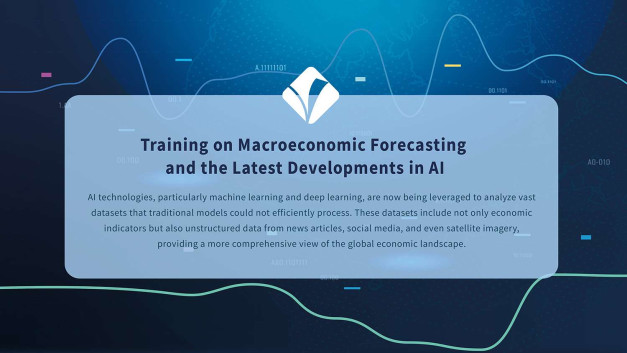
The Impact of Neural Networks on the Financial Industry: Forecasting and Risk Analysis
The financial industry is experiencing a transformative shift due to neural networks, enhancing forecasting and risk analysis. These advanced algorithms process vast datasets to improve market predictions, credit scoring, and fraud detection, ultimately enabling financial institutions to make more informed decisions and stay competitive in an evolving landscape.
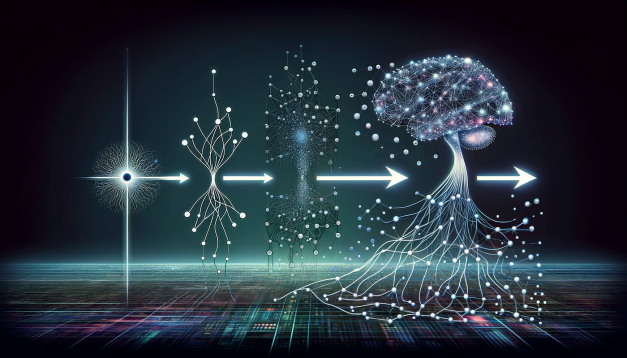
The Evolution of Neural Networks: From Perceptron to Modern Architectures
The evolution of neural networks, from the early perceptron to advanced architectures like CNNs and RNNs, showcases significant advancements in artificial intelligence. Innovations such as Generative Adversarial Networks and Transformers have transformed applications across various fields, driving breakthroughs in technologies like natural language processing and image recognition.
The Future of Neural Networks: Trends and Innovations in Artificial Intelligence
Neural networks are transforming artificial intelligence through enhanced learning techniques, ethical considerations, and increased adoption in healthcare. Innovations like generative models and real-time data processing are shaping diverse industries, while a focus on explainable AI and cross-industry collaborations aims to address ethical challenges, paving the way for a responsible AI future.
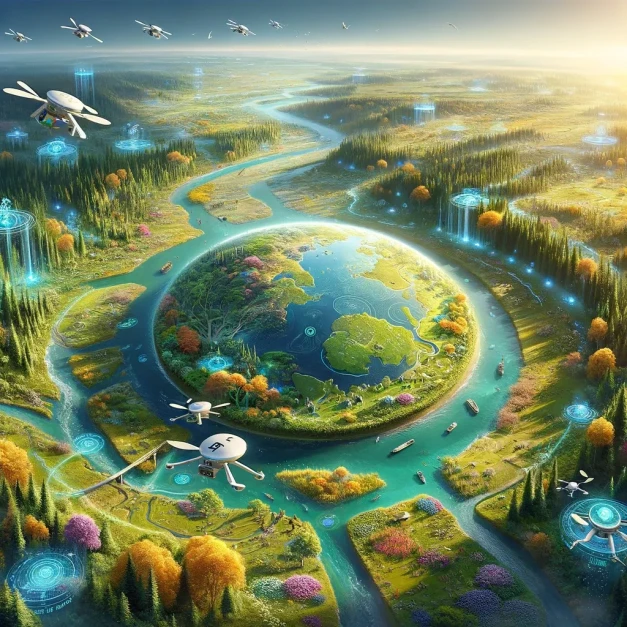
Neural Networks and Sustainability: Intelligent Solutions for Environmental Problems
Neural networks are transforming sustainability efforts by providing intelligent solutions to environmental challenges. From optimizing energy efficiency to advancing waste management and climate modeling, these advanced systems analyze complex data to drive sustainable practices across various sectors, promoting a healthier planet for future generations.
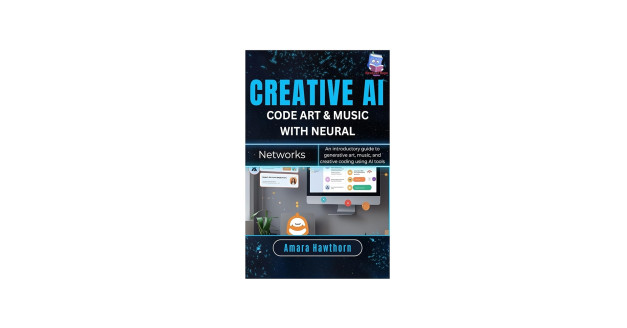
Generative Neural Networks: Creating Art and Music with Artificial Intelligence
Generative Neural Networks are revolutionizing artistic expression by enabling AI to create compelling art and music. These technologies foster innovative collaborations between artists and machines, challenging traditional concepts of creativity and authorship. As AI-generated works blur the lines of originality, ethical discussions about ownership and emotional authenticity become increasingly vital.
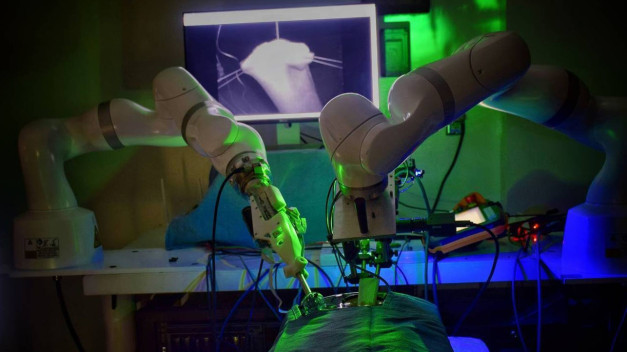
Neural Networks in Robotics: Learning and Control of Autonomous Machines
The integration of neural networks into robotics enhances autonomous machines by enabling real-time learning, efficient decision-making, and improved obstacle detection. As these intelligent systems evolve, their potential applications across industries like manufacturing and healthcare are expanding, reshaping our interactions and prompting critical discussions on ethics and safety.
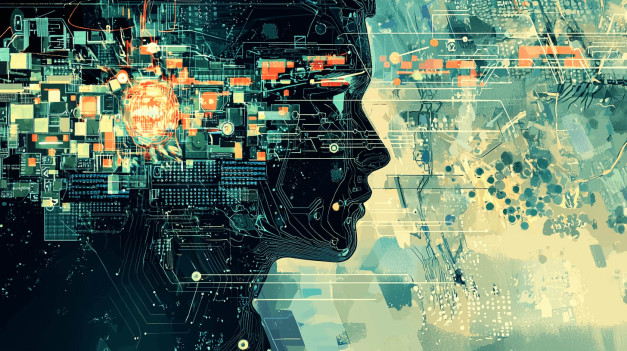
Convolutional Neural Networks in Computer Vision: Advances and Challenges
Convolutional Neural Networks (CNNs) have greatly advanced computer vision, enhancing applications like image recognition, object detection, and medical imaging. Despite their transformative capabilities, challenges such as data requirements, computational demands, and interpretability persist, requiring ongoing research for future advancements in robustness and ethical deployment.

Neural Networks and Natural Language Processing: Advances in Translation and Text Comprehension
Neural networks and natural language processing are transforming translation and text comprehension, enabling real-time communication and enhanced understanding across languages. Advances like contextual algorithms and sentiment analysis empower businesses and individuals, fostering a more connected world while facilitating richer interactions in various sectors, including education and customer engagement.
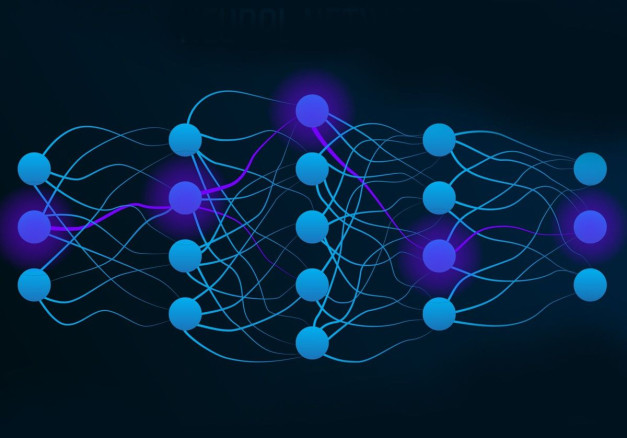
Neural Networks and Ethics: Challenges in Automated Decision-Making
The integration of neural networks in automated decision-making presents significant ethical challenges, including bias, transparency, and accountability. These issues impact fairness in areas like hiring and law enforcement. Addressing these concerns requires robust regulation, diverse stakeholder collaboration, and ongoing public discourse to promote ethical practices in AI development.
Applications of Neural Networks in Medical Diagnosis: Transforming Health
Neural networks are revolutionizing medical diagnosis by enhancing accuracy in imaging, predictive analytics, and genomic data interpretation. These advanced applications improve patient outcomes through fast, data-driven insights and personalized treatment plans, paving the way for a transformative era in healthcare delivery that prioritizes precision and proactive disease management.