
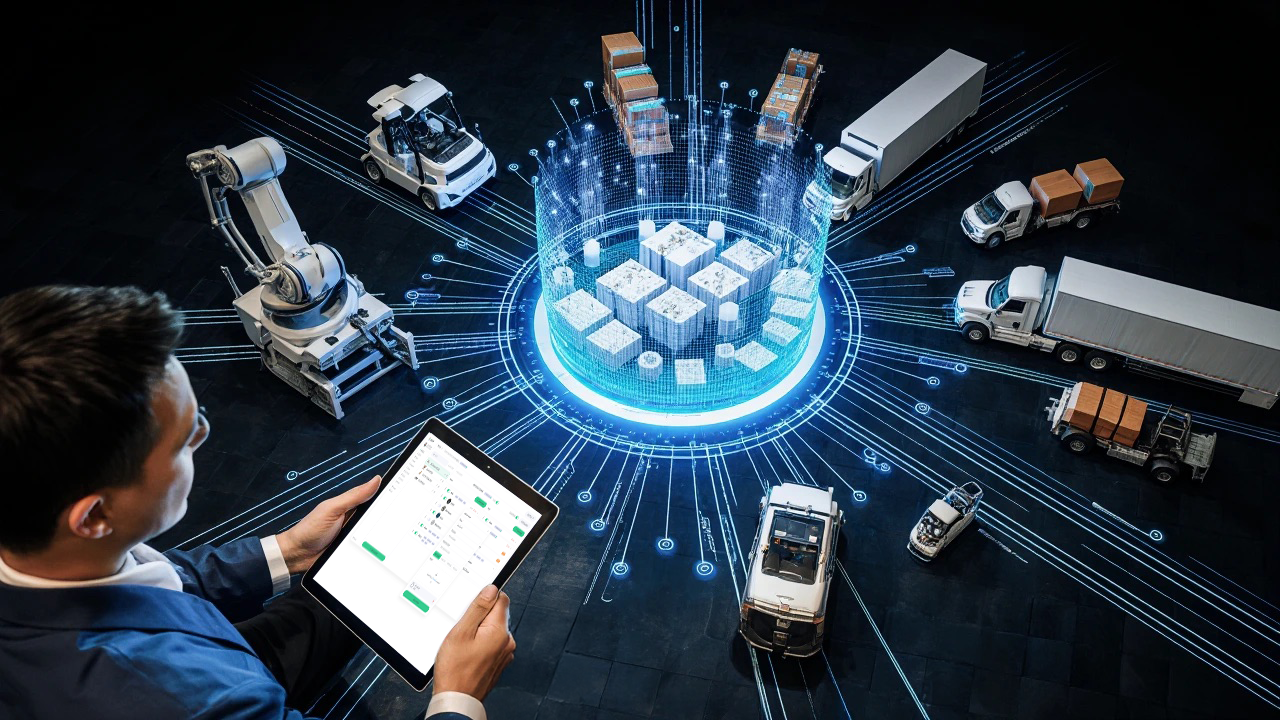
Automation: A Crafting of Tomorrow’s Work Environment
The realm of systems automation is witnessing a profound transformation, driven by advancements in AI and robotics. As industries evolve, the integration of intelligent systems is becoming pivotal for enhancing efficiency and productivity. Among the exciting changes on the horizon, we find an explosion of innovative technologies, collaborative robotics, and a reshaping of traditional workflows across multiple sectors.
- Innovative Technologies: Breakthroughs in machine learning and neural networks are at the forefront of the automation revolution. These technologies enable systems to learn from data and improve from experience, facilitating smarter decision-making processes. For instance, companies like Google are using AI to enhance their search algorithms, making them more intuitive for users.
- Collaborative Robots (Cobots): Designed to work alongside humans, cobots are changing the landscape of many workplaces. Unlike traditional industrial robots, which often operate in isolation, cobots are built with safety in mind. They can assist in tasks ranging from manufacturing to assembly, increasing both safety and productivity. A notable example is the use of cobots in factories, where they help reduce the strain on human workers by taking over repetitive tasks.
- Process Automation: From manufacturing to healthcare, automated systems are reshaping workflows. In the healthcare industry, robotic surgeries led by AI can drastically reduce recovery times for patients, while in manufacturing, automation can streamline production processes and reduce errors. Companies like Amazon have famously transformed their logistics using automated systems, resulting in faster deliveries and reduced operational costs.
In the United States, the shift towards automation reveals fascinating patterns that are reshaping the workforce and economy:
- Job Transformation: Although some positions may face obsolescence due to automation, new roles centered around AI management and robotics maintenance are emerging. For example, as businesses deploy more automated systems, the demand for technicians skilled in AI programming and robotic maintenance is expected to grow, creating exciting career opportunities.
- Industry Adoption: Sectors such as logistics and agriculture are rapidly embracing automation technologies. In agriculture, for instance, automated drones and tractors are optimizing crop monitoring and harvesting, significantly improving yield and efficiency.
- Regulatory Landscape: As automation technologies evolve, the conversation around ethical implications and regulations surrounding AI usage is intensifying. Policymakers are tasked with crafting guidelines that ensure the ethical deployment of AI while balancing innovation with public safety concerns.
Understanding these trends is essential as businesses and consumers navigate the complexities of an automated future. Staying informed about developments in automation can equip individuals to adapt and thrive in this changing landscape. It poses the intriguing question: which innovations might redefine our everyday interactions with machines and how can we prepare for them?
DISCOVER MORE: Click here to uncover the intersection of technology and security
Shaping Tomorrow: Key Trends in AI and Robotics Automation
The landscape of systems automation is rapidly evolving, driven by innovative trends in artificial intelligence (AI) and robotics. As organizations strive to enhance operational efficiency and gain competitive advantage, understanding these trends is crucial to navigating this transformative era. Here, we explore some pivotal developments reshaping automation’s future.
- Advanced Machine Learning: The evolution of AI technologies, especially machine learning, is revolutionizing how systems interact with data. Algorithms capable of predictive analytics process vast amounts of information to identify patterns and provide insights that were previously unattainable. For businesses, this translates into enhanced customer experiences, better supply chain management, and predictive maintenance solutions, where autonomous systems foresee equipment failures before they occur.
- Autonomous Vehicles: A critical area of exploration within systems automation is the development of autonomous vehicles. From self-driving delivery vans to automated forklifts within warehouses, companies like Tesla and Waymo are leading the charge. These advanced vehicles not only decrease reliance on human operators but also pave the way for safer, more efficient transport systems. The growing integration of AI in navigation and decision-making processes is set to redefine logistics and personal mobility.
- Smart Robotics: The emergence of intelligent robots, featuring sophisticated sensors and AI capabilities, is a game-changer. These robots can adapt to their environments and learn from their experiences, making them invaluable assets in diverse industries ranging from healthcare to construction. For example, in hospitals, surgical robots equipped with AI assist surgeons with precision, contributing to improved patient outcomes. In construction, robotic systems are being utilized for materials handling and even complex assembly tasks, enhancing operational efficiency.
As organizations integrate these technologies, several notable implications emerge:
- Skills Gap and Workforce Transformation: While systems automation offers unparalleled efficiency, it also necessitates a reevaluation of workforce skills. As routine tasks become automated, there is increasing demand for professionals adept in AI, robotics programming, and data analysis. This shift suggests that educational institutions will need to adapt their curricula to prepare the workforce for new roles that prioritize creativity and problem-solving.
- User Acceptance and Interaction: The rise of automation technologies brings important social considerations. For many, interacting with automated systems may pose challenges in terms of trust and usability. Understanding user behavior and preferences is essential for designing systems that are not only effective but also embraced by the public. Solutions that prioritize user-centric design will play a crucial role in ensuring successful adoption.
- Environmental Sustainability: Another notable trend is the impact of automation on sustainability efforts. AI and robotics can optimize resource use, reducing waste across industries. For instance, smart energy management systems in buildings leverage automation to enhance energy efficiency, leading to significant reductions in overall consumption.
The convergence of AI and robotics in systems automation is revolutionizing industries and reshaping how we interact with technology. Organizations that can effectively navigate these trends will be well-prepared to embrace the future, creating innovative solutions that enhance productivity and contribute to sustainable growth. The question remains: how will businesses adapt to these sweeping changes, and what role will we play in this automated future?
The Future of Systems Automation: Trends in AI and Robotics
As we delve deeper into the transformative landscape of systems automation, we are witnessing the convergence of artificial intelligence (AI) and robotics shaping industries across the globe. These innovations are not just enhancing efficiency; they are redefining the way we approach productivity and operational excellence. The journey is marked by several key trends that are propelling systems automation into the future.
Intelligent Automation Integration
One of the most prominent trends is the integration of intelligent automation systems that combine AI capabilities with robotic process automation (RPA). This synergy allows organizations to automate complex processes while maximizing human workforce potential. For instance, businesses can leverage AI to analyze data and make decisions rapidly, while robotics handles mundane tasks that require physical intervention. This creates a more agile workforce ready to adapt to changing demands.
AI-Driven Predictive Maintenance
Predictive maintenance powered by AI is gaining traction across sectors such as manufacturing and logistics. Through advanced analytics and machine learning, systems can forecast equipment failures before they occur, saving industries significant time and resources. By implementing predictive strategies, companies optimize operational uptime, which leads to increased profitability and reduced downtime.
Collaborative Human-Robot Interaction
The next wave of robotics is characterized by enhanced collaboration between humans and machines. Collaborative robots, or cobots, are designed to work alongside human operators, ensuring safety and efficiency. These advanced robots can be found in assembly lines and service sectors, enabling workers to focus on more complex, value-added tasks while relying on machines for repetitive or hazardous operations.
| Category 1 | Category 2 |
|---|---|
| Automation Efficiency | Enhanced productivity through reduced human error and expedited processes. |
| Cost Reduction | Lower operational costs by minimizing downtime and resource waste. |
As we explore these trends, it becomes clear that the fusion of AI and robotics is not merely a luxury but a vital component of future-proofing businesses. These advancements promise to usher in an era of unparalleled innovation and efficiency, laying a foundation for sustainable growth across various sectors. The way forward is bright, and those who harness these technologies will lead the charge into this new industrial age.
LEARN MORE: Click here to dive deeper
Integrating Automation: Challenges and Opportunities Ahead
As we navigate the future of systems automation, one must acknowledge that while the advancements in AI and robotics yield great possibilities, they also introduce a set of challenges that organizations must address. The road ahead may be paved with innovations, but it is essential to confront the hurdles that come with integrating these technologies into existing frameworks.
- Cybersecurity Risks: With greater connectivity and reliance on AI-driven systems, the vulnerability to cyber attacks increases significantly. Automated systems, particularly those involving sensitive data, can be targeted by malicious actors. Organizations must enhance their cybersecurity protocols, employing AI to anticipate and counter threats proactively. This calls for a dual approach where not only security measures are fortified, but ongoing employee training on cybersecurity protocols becomes essential.
- Ethical Considerations: The rapid deployment of intelligent systems raises ethical dilemmas concerning decision-making and accountability. As machines become capable of making decisions autonomously, questions arise about liability in the event of errors or accidents. How will we ensure that these systems adhere to ethical guidelines, especially in sectors like healthcare and law enforcement? Establishing a regulatory framework will be vital to address these issues and foster trust amongst users.
- Integration Complexity: Incorporating advanced automation solutions into legacy systems presents significant challenges. Organizations often operate with outdated infrastructure, which can hinder the seamless integration of new technologies. Strategic planning and investment will be necessary to modernize these systems, ensuring compatibility with innovative automation tools. Companies that prioritize this integration will likely reap the rewards of improved efficiency and effectiveness.
Alongside these challenges lie tremendous opportunities that can elevate the capabilities of businesses:
- Strengthening Supply Chains: The advent of AI and robotics in supply chain management optimizes logistics and inventory handling. Automated systems equipped with AI can analyze real-time data to anticipate shortages or surpluses, ultimately enabling companies to react swiftly to market demands. This technology can also facilitate better collaboration among suppliers, speeding up the production cycle and reducing costs.
- Personalized Customer Engagement: Brands are increasingly using AI to tailor their marketing strategies based on consumer data. Chatbots powered by AI are streamlining customer service, providing responsive interactions that cater to individual preferences. These advancements not only enhance customer satisfaction but also drive sales as companies can deliver personalized experiences that resonate with their target audience.
- Healthcare Innovations: The healthcare industry stands to benefit immensely from systems automation. From AI diagnostics that analyze patient data more efficiently to robotic surgical assistants that improve precision, the automation of healthcare processes promises to enhance patient outcomes and reduce costs. The growing intersection of technology and medicine is making healthcare more accessible and efficient.
As we witness these emerging trends, it is crucial for businesses to remain adaptable and proactive. The integration of AI and robotics in systems automation is not merely a trend but a fundamental shift in how we approach processes across industries. As companies strive to stay ahead of the curve, understanding the nuances of implementation will be essential for unlocking the full potential of automation technologies.
EXPLORE MORE: Click here to dive into the future of neural networks
Looking Ahead: The Path to a Fully Automated Future
In conclusion, the future of systems automation, driven by the rapid advancements in AI and robotics, holds profound implications for industries, economies, and society as a whole. The opportunities presented by these technologies are immense, offering the potential to enhance operational efficiency, spur economic growth, and revolutionize customer experiences. From personalized marketing strategies to enhanced healthcare solutions, organizations that embrace this technological evolution are likely to lead their respective fields into a new era of innovation.
However, as we move forward, it is crucial to address the inherent challenges accompanying such transformative changes. Businesses must prioritize building resilient systems that can withstand cybersecurity threats, navigate ethical dilemmas, and integrate seamlessly with existing infrastructures. It will require a concerted effort—balancing the excitement of innovation with a commitment to ethical standards and continuous adaptation.
Furthermore, efforts towards developing effective regulatory frameworks will be essential in ensuring that automation benefits all stakeholders fairly. As we step into this new frontier, fostering collaboration between businesses, governments, and communities will be vital in shaping a future where smart automation serves to uplift, rather than disrupt.
Ultimately, the journey into the world of AI and robotics is just beginning. By remaining informed and proactive, organizations can harness the complete potential of systems automation, laying the groundwork for a more efficient and connected future. As we adapt to these transformative trends, one fact remains undeniable: the age of automation is no longer on the horizon; it is our present and will undoubtedly define the landscape of tomorrow.


 Linda Carter