
Unveiling the Power of Virtual Assistants
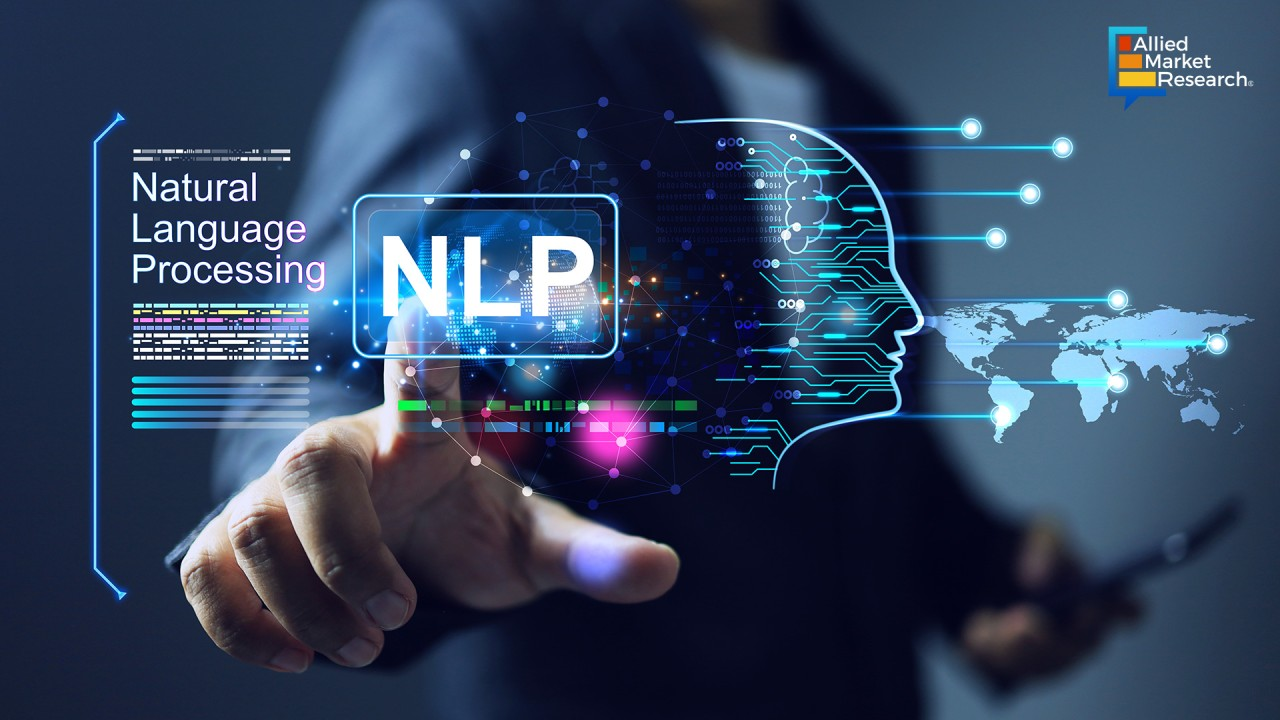
In recent years, the realm of virtual assistants has shifted dramatically, enhancing the way individuals interact with technology in their daily lives. This transformation is primarily driven by advancements in natural language processing (NLP), which has evolved from basic command recognition to complex conversational AI systems capable of meaningful dialogue. The trajectory of this development illustrates not just technological growth but also a deepening of the user experience, ushering in an era of intuitive digital interaction.
The capability of virtual assistants has expanded significantly, with three key developments setting the stage for this evolution. Firstly, contextual understanding enables these assistants to comprehend user intent far beyond simple keywords. For instance, if a user asks, “What’s the weather like tomorrow?” a proficient virtual assistant will recognize the need for the forecast and provide information relevant to the user’s geographical location, instead of offering a generic answer.
Furthermore, the integration of conversational memory allows virtual assistants to retain information from past interactions. This facilitates continuity in conversations; for example, if a user frequently orders coffee from a specific café, the assistant can proactively suggest placing that order, demonstrating a personalized touch that enhances user satisfaction.
Another notable advancement is the incorporation of emotional intelligence. Modern virtual assistants can assess the tone and sentiment of users’ voices or written inputs, allowing them to respond with an appropriate degree of empathy. If a user expresses frustration over a delayed flight, the assistant might respond with understanding, potentially suggesting alternative travel options, thereby fostering a more supportive dialog.
The significance of these features is immense, leading to a variety of benefits. The ability to provide tailored responses based on user preferences creates a more engaging experience. For instance, smart home devices can learn and adapt to a user’s routine, adjusting lighting and temperature automatically based on past behavior. Additionally, these systems deliver faster and more accurate information retrieval, allowing users to receive answers to their queries almost instantaneously, boosting overall productivity.
Moreover, virtual assistants have markedly improved accessibility for people with disabilities. Voice-activated technologies enable those with mobility limitations to control their environment, making everyday tasks more manageable. This is particularly visible in smart home technology, where voice commands can operate everything from lights to locks and appliances, transforming lives for many individuals.
As we delve into these advancements, it’s clear they are not merely technical enhancements but pivotal changes that impact everyday life. The intricate relationship between the evolution of natural language capabilities in virtual assistants and their profound influence on user experience underscores the importance of continuous development in this field. As these technologies evolve, they promise not only to elevate convenience but also to foster a more connected and empathetic digital landscape.
DIVE DEEPER: Click here to learn more
From Simple Commands to Sophisticated Conversations
The journey of natural language processing in virtual assistants has been breathtaking, transitioning from rudimentary systems that required exact phrases to sophisticated AI capable of dynamic, context-aware interactions. This evolution has paved the way for a significantly enhanced user experience, making technology not just a tool but a companion in everyday life.
At the heart of this advancement lies the development of machine learning algorithms that empower virtual assistants to learn from user interactions. These algorithms analyze countless user queries and interpret language nuances, contributing to a more responsive and intuitive assistant. For example, major players like Google, Amazon, and Apple have invested heavily in refining their algorithms to minimize misunderstandings, thus increasing the accuracy of voice recognition and natural language understanding.
One of the most remarkable changes in virtual assistants is their ability to handle natural language queries far more effectively than their predecessors. Early versions operated primarily on strict commands – users had to be explicit, often struggling with limitations that frustrated many. In contrast, today’s virtual assistants engage in a more fluid, human-like conversation. Instead of needing to say, “Set an alarm for 7 AM,” one can simply state, “I need to wake up early tomorrow,” letting the assistant grasp the context and act accordingly.
This capability reflects a broader trend shaping digital interactions across industries. The influence of natural language evolution is becoming apparent in several key areas:
- Enhanced User Engagement: Virtual assistants are increasingly equipped to maintain context over the course of a conversation, allowing for more meaningful interactions. This leads to richer engagements, as users feel their needs are understood.
- Improved Productivity: With efficient information retrieval and task management, these systems streamline daily activities. By handling mundane tasks through natural language commands, users can devote their time to more critical areas of life or work.
- Accessibility Improvements: The accessibility features that accompany advanced natural language capabilities mean that people with disabilities can engage with technology in ways that were previously unfeasible. Voice commands empower users to navigate digital spaces with ease.
Statistics further underline these advancements; according to a recent study by Pew Research, over 67% of Americans report using voice-activated assistants at least occasionally, reflecting a growing reliance on this technology. As usage becomes more prevalent, so too do the expectations surrounding functionality and user-friendliness. Users now anticipate seamless interactions supported by contextual awareness and an understanding of their preferences.
As we explore the intricacies of natural language development, it becomes evident that perfecting these AI tools is not merely a technical challenge but a crucial aspect of enhancing user experience. The strides taken in natural language comprehension are driving forward a new paradigm of interaction, where technology adapts to the user, creating a more personalized and connected world.
The Evolution of Natural Language in Virtual Assistants
The progression of Natural Language Processing (NLP) technologies has significantly transformed the landscape of virtual assistants. Recently, advancements in deep learning and machine learning have enabled these systems to understand and respond to user queries with unprecedented accuracy. This enhanced comprehension not only allows for more nuanced conversations but also creates a more personalized user experience. Consider the rise of contextual understanding, which allows virtual assistants to grasp the intent behind users’ commands rather than just recognizing keywords. For example, if a user asks, “What’s the weather like today?” followed by “What about tomorrow?” the assistant can infer that the second question relates to the same context. This ability to maintain context over a conversation is crucial in making interactions more natural and fluid, thereby improving overall user satisfaction.Furthermore, the impact of sentiment analysis cannot be overstated. By incorporating the ability to sense emotion, virtual assistants can tailor responses based on users’ feelings, whether they are happy, frustrated, or confused. This advancement not only enhances communication but also fosters a deeper emotional connection between users and their digital counterparts.As we continue to explore the influences of NLP evolution on user experiences, it is important to consider how accessibility features have improved. Virtual assistants now cater to a wider audience, including those with disabilities, by allowing voice-controlled navigation and task completion. This inclusive approach is reshaping the way various demographics engage with technology, marking a significant leap toward equal access to information.A pivotal aspect of this evolution is also the continuous learning algorithms that allow virtual assistants to improve based on user interactions and feedback. This ensures that as users’ preferences and language evolve, so do the capabilities of their digital conversations, further refining the experience. Virtual assistants are now capable of performing complex tasks such as setting reminders, managing schedules, and even assisting in home automation simply through natural language commands. This shift not only highlights natural language’s growing role in our daily interactions but also underscores the possibility of increased productivity and efficiency in both personal and professional environments.In summary, the evolution of natural language in virtual assistants is truly a fascinating journey, with ongoing advancements paving the way for even more sophisticated user experiences. The potential for future innovations remains boundless, continually challenging our understanding of human-computer interaction.
DISCOVER MORE: Click here to learn about the evolution of NLP techniques
The Impact of Emotional Intelligence in Virtual Assistants
As the landscape of virtual assistants becomes increasingly sophisticated, the integration of emotional intelligence is emerging as a game changer in how these technologies interact with users. The idea of machines being able to understand not just the words spoken but also the emotions behind them adds a compelling layer to user experience. This advancement allows virtual assistants to respond more empathetically, thereby enhancing user satisfaction and loyalty.
Recent innovations have seen virtual assistants employing sentiment analysis to detect emotional cues within a user’s speech. For instance, when a user expresses frustration by raising their voice or using negative language, the assistant can adjust its responses accordingly, offering a calming response or an alternative approach. Google’s Assistant, for example, can identify when a user is upset and pivot from standard replies to ones that better address the user’s emotional state. This ability to employ emotionally-informed language not only fosters a sense of connection but can significantly influence user behavior and trust in technology.
Consider the implications of these advancements in practical scenarios. When users engage with virtual assistants in moments of stress—such as asking for help with a complex task or troubleshooting a device malfunction—having a system that understands their anxiety can transform what might otherwise be a frustrating experience into an encouraging dialogue. Studies have shown that users who perceive their virtual assistants as empathetic are more likely to continue using the technology and recommend it to others.
Furthermore, the evolution of natural language capabilities plays a critical role in multilingual and cross-cultural interactions. As the United States is a melting pot of cultures, the demand for virtual assistants that can seamlessly understand and cater to diverse linguistic backgrounds has never been greater. Major companies are investing in developing assistants that recognize regional dialects and cultural nuances. For instance, Amazon’s Alexa has been enhanced to understand different American English accents, demonstrating a commitment to inclusivity and a personalized user experience. This expansion goes beyond language; it includes tailoring responses that are culturally relevant, enhancing engagement.
Real-world applications of this technology extend into various sectors, from healthcare to customer service. In healthcare, virtual assistants equipped with natural language understanding can interpret patient symptoms voiced in conversational terms, whether by a patient from a suburban area or a rural community, thereby improving diagnosis and care recommendations. Similarly, organizations using these technologies in customer support are experiencing lower call-handling times and higher user satisfaction rates due to their ability to comprehend and respond to customer queries in a nuanced manner.
The businesses that succeed in this domain recognize that understanding natural language and emotional intelligence goes hand-in-hand with creating meaningful user experiences. As users gravitate towards systems that offer not just answers but nuanced conversations, the evolution of natural language in virtual assistants is poised to create profound implications for both individual users and industries at large. Currently, the expectation is not only for knowledgeable responses but also for interactions that feel personalized and emotionally aware—an expectation that continues to rise as technology evolves.
DIVE DEEPER: Click here to discover more about sentiment analysis
Conclusion: The Future of Natural Language in Virtual Assistants
The trajectory of natural language evolution in virtual assistants is a fascinating interplay of technology, user behavior, and emotional understanding. As these digital companions translate the complexities of human language into actionable responses, they are redefining user experience across multiple domains. The advancements in emotional intelligence are particularly noteworthy, allowing virtual assistants to not only interpret user queries but also recognize emotional subtext. This ability to engage compassionately fosters trust, encouraging continued interaction and enhancing satisfaction.
Moreover, the focus on multilingual support highlights a crucial shift towards inclusivity, recognizing the diverse tapestry of cultural backgrounds within the United States. With tailored responses that resonate with regional dialects and societal contexts, virtual assistants are evolving from simple tools into personalized aides that reflect users’ identities.
Looking ahead, as technologies like machine learning and artificial intelligence continue to progress, we can expect virtual assistants to become even more intuitive, providing increasingly human-like interactions. Businesses that prioritize these developments stand to benefit significantly, gaining a competitive edge by delivering superior customer experiences that drive loyalty and engagement.
This ongoing evolution prompts us to consider broader implications—how virtual assistants will shape interpersonal communication, information dissemination, and our relationship with technology. As this realm continues to expand, a deeper understanding of natural language processing and its influence on user experience will be paramount. Recognizing the profound impact of these advancements invites further exploration into how we can harness technology for more empathetic and effective engagement with users, culminating in a future that feels both familiar and innovative.


 Linda Carter