
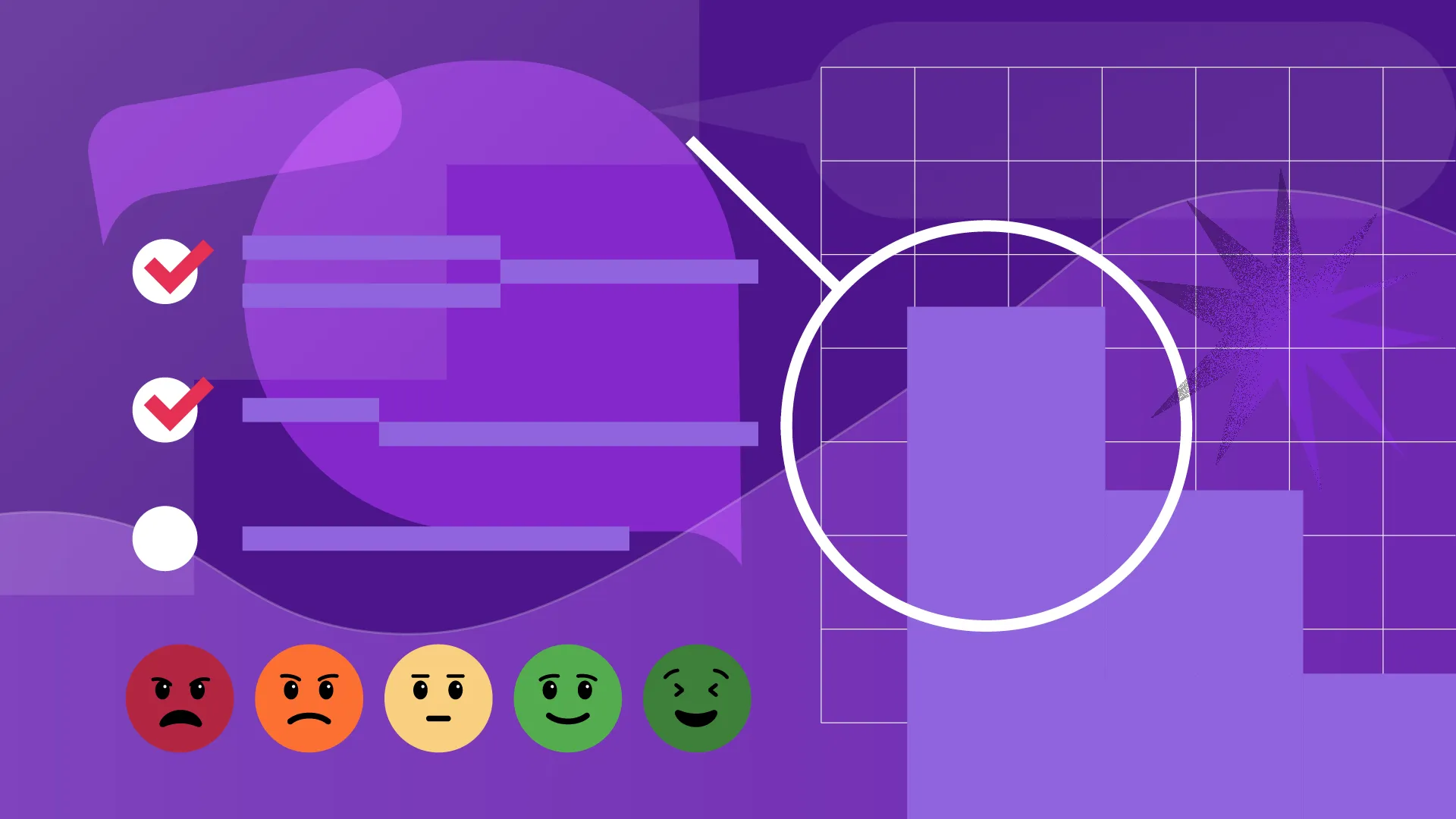
Understanding Sentiment in the Digital Age
In a world increasingly dominated by digital interactions, opinions and emotions are shared at an unprecedented rate. Social networks serve as vibrant platforms where users express their feelings and perspectives on various topics, making them rich sources for sentiment analysis. By leveraging Natural Language Processing (NLP), researchers and businesses can quantify these sentiments, turning subjective opinions into valuable data. This transformation is crucial as public sentiment can significantly influence market dynamics and societal trends.
The Power of Sentiment Analysis
Employing sentiment analysis in social networks can provide unique insights into human behavior and trends. This field of study has grown tremendously over the last decade, enabling businesses and organizations to tap into the emotional pulse of their audience. Some key applications include:
- Brand Monitoring: Companies like Coca-Cola and Nike utilize sentiment analysis to understand customer feelings towards their products or services. By analyzing tweets, comments, and reviews, brands can identify strengths to promote and weaknesses to address, fostering a more customer-centric approach.
- Market Research: Organizations leverage sentiment analysis to gauge public opinion on issues or trends. For instance, during the COVID-19 pandemic, public sentiment analysis helped governments monitor feelings about health mandates and vaccine rollouts, ultimately guiding policy-making and resource allocation.
- Political Campaigns: Analyzing voter sentiments during elections is crucial for candidates. By examining social media conversations, political strategists can adjust their messaging in real time, responding to the electorate’s changing attitudes effectively. For example, during the 2020 Presidential election, sentiment analysis was used to track public response to various campaign events and debates, refining strategies to engage voters.
As artificial intelligence continues to evolve, the capabilities of sentiment analysis grow. Techniques in this field allow for the assessment of emotions within vast datasets, offering deeper insights into how individuals and communities communicate. For instance, advanced models can differentiate between sarcasm and genuine sentiment, leading to more accurate interpretations of data.
Harnessing these insights can lead to enhanced decision-making, tailored marketing strategies, and improved customer engagement. By understanding what resonates with their audience, companies are better equipped to create targeted campaigns that not only attract attention but also foster loyalty. This evolution in marketing is evident in the personalized ads consumers now frequently encounter, which are often the result of sophisticated sentiment gauging techniques.
Join the Exploration
As we dive deeper into the fascinating realm of sentiment analysis within social networks, we’ll uncover how natural language can be utilized to decode emotions and opinions. By understanding the interplay of language and sentiment, we can better navigate the complexities of human interactions in our increasingly interconnected world. The ability to accurately interpret feelings can transform not just individual businesses, but entire industries. With ongoing advancements in technology and methodologies, the potential of sentiment analysis in illuminating human behavior is more promising than ever.
DISCOVER MORE: Click here to uncover future trends in machine learning
Harnessing Natural Language for Insightful Analysis
With the proliferation of digital communication, understanding the emotions and opinions conveyed through text has never been more significant. Sentiment analysis, a domain that intersects artificial intelligence, linguistics, and psychology, applies advanced computational techniques to evaluate how individuals feel about topics ranging from everyday products to pressing global issues. At the heart of this analysis lies Natural Language Processing (NLP), a technology that enables machines to comprehend and interpret human language in a way that mimics nuanced understanding.
The process of sentiment analysis involves several key methods that can be utilized to dissect online dialogues. Among these, three primary approaches stand out:
- Lexicon-based Techniques: This method relies on a predefined set of words and phrases assigned either positive or negative sentiments. By analyzing the occurrence of these words within a given text, the overall sentiment can be quantified. While this approach is relatively straightforward and interpretable, it may struggle with context-specific meanings, such as those found in sarcasm or irony.
- Machine Learning Algorithms: Employing robust algorithms trained on labeled datasets, machine learning techniques can accurately classify sentiment by identifying patterns and correlations in language use. Platforms such as Twitter and Facebook provide vast amounts of data, allowing models to enhance their predictive capabilities over time. This adaptability has proved instrumental in keeping pace with evolving language trends.
- Deep Learning Models: As the most advanced layer of sentiment analysis, deep learning models utilize neural networks to capture the complexities of language. These sophisticated models are capable of understanding context, tone, and even emotional subtleties, thereby offering a more nuanced grasp of public sentiment. Systems such as BERT (Bidirectional Encoder Representations from Transformers) and GPT (Generative Pre-trained Transformer) are at the forefront of this transformative wave.
The implications of effectively harnessing sentiment analysis are vast. Businesses can engage in more meaningful interactions with consumers, policymakers can tailor their communications to reflect public sentiment accurately, and researchers can deepen their understanding of societal shifts. A recent study indicated that 70% of brands reportedly improved their customer satisfaction after integrating sentiment analysis into their marketing strategies. Such findings demonstrate the transformative power of understanding public emotions in the competitive landscape.
Moreover, the rise of sentiment analysis is not just beneficial for companies with vast marketing budgets. Small businesses can equally benefit, as real-time sentiment tracking allows them to pivot strategies based on immediate customer feedback. As consumers increasingly expect personalized interactions, the ability to understand and respond to their sentiments in real-time becomes a critical factor for success.
Therefore, as we continue to explore the intersections of sentiment analysis and social networks, it becomes clear that the capacity to decode emotions and opinions is more than a technical exercise—it is a vital skill for everyone navigating the modern digital landscape. Understanding this sentiment empowers organizations to build deeper connections with their stakeholders and adapt in an ever-changing environment.
| Advantage | Explanation |
|---|---|
| Enhanced Customer Insight | Through sentiment analysis, businesses can gain deeper insights into customer feelings and opinions based on social media interactions, leading to improved products and services. |
| Reputation Management | Monitoring sentiment allows companies to identify negative trends early, enabling them to address concerns promptly and effectively manage their brand reputation. |
The application of sentiment analysis in social networks reveals a wealth of data that can significantly impact business strategies. It allows for comprehensive monitoring of public opinion regarding brands, products, and services in real-time. By analyzing the emotional tone behind social media conversations, companies can not only improve their customer relationships but also tailor their marketing strategies to align with consumer sentiment. Studies indicate that emotions play a critical role in consumer decision-making, highlighting the necessity of leveraging natural language processing techniques to dissect online discussions. This signals a shift towards more nuanced marketing tactics, with businesses increasingly relying on advanced analytics to foster engagement and optimize the customer experience. The integration of sentiment analysis into social media monitoring can drive innovation by identifying emerging trends and preferences. Ultimately, the insights garnered through these analytical methods may lead to increased sales and enhanced customer loyalty, marking a significant evolution in how organizations understand and respond to their audiences.
DISCOVER MORE: Click here to dive deeper
The Evolving Landscape of Sentiment Analysis
As the digital landscape continues to evolve, so too does the application of sentiment analysis within social networks. With conversations spanning diverse platforms like Twitter, Instagram, and Reddit, the methods employed to gather and interpret sentiments are constantly being refined. This evolution not only hinges on advancements in Natural Language Processing (NLP) but also on the sheer volume and variety of data being generated daily.
One prominent challenge in sentiment analysis involves handling multilingual data. With the United States being a melting pot of cultures and languages, understanding sentiments expressed in various tongues becomes critical. Recent developments in NLP have led to the creation of models capable of processing sentiments in multiple languages, ensuring that businesses targeting a broader audience can harness these insights accurately. This capability enables companies to cater to individual customer expectations based on localized sentiment trends, enhancing market relevance and effectiveness. For example, major companies like Coca-Cola and Unilever have successfully implemented multilingual sentiment analysis, allowing them to fine-tune their messaging across different demographics.
Additionally, as we witness the explosive growth of user-generated content, insights derived from sentiment analysis are becoming more strategic in nature. In particular, the emergence of visual sentiment analysis is changing how emotions are understood. Tools that analyze emojis, images, and other visual content alongside textual data are providing brands with a comprehensive view of consumer emotions. A study conducted in 2021 revealed that posts using emojis garnered 50% more engagement than those relying solely on text, highlighting the importance of multimedia in sentiment comprehension.
Moreover, sentiment analysis is becoming increasingly crucial for crisis management. As social media acts as a real-time feedback loop, companies are leveraging sentiment analysis to monitor and respond to brewing issues before they escalate. For instance, during the COVID-19 pandemic, airlines and travel companies used sentiment analysis to identify shifts in public sentiment regarding safety measures and travel restrictions. By promptly addressing concerns expressed online, they could maintain trust and transparency with consumers requiring sensitive information during uncertain times.
Furthermore, government agencies and non-profit organizations are leveraging sentiment analysis to gain insights into public opinion on policy decisions and societal issues. For electoral campaigns, sentiment analysis helps identify voter concerns and priorities, guiding messaging and outreach efforts. In the racial justice movements of recent years, sentiment analysis on social media platforms has been instrumental in gauging public reactions and shaping discussions surrounding crucial topics. For example, hashtags related to social issues on platforms like Twitter have seen increased engagement, and sentiment analysis tools help map these emotional responses, guiding advocacy efforts more effectively.
As sentiment analysis continues to advance, the future promises a more sophisticated understanding of human emotions in digital interactions. Innovations in understanding contextual nuances, emotional tone, and even user intentions will elevate the capabilities of brands and organizations. As we dissect the multilayered tapestry of expressions found within social networks, the ability to accurately understand and respond to these sentiments becomes not just a tool for engagement, but a crucial element of cultivating loyalty and connection in a highly competitive digital age.
DIVE DEEPER: Click here to discover more
Conclusion: The Future of Sentiment Analysis in Social Networks
In an age where communication is predominantly digital, sentiment analysis emerges as an invaluable tool for understanding the complex landscape of human emotions and opinions. As explored throughout this article, the integration of Natural Language Processing (NLP) within social networks offers brands and organizations profound insights into consumer behavior and public sentiment, influencing everything from marketing strategies to crisis management.
The ongoing evolution of sentiment analysis reflects a growing recognition of the necessity to grasp the nuances of multilingual expressions and the incorporation of visual sentiment analysis. This enables companies to engage with diverse audiences effectively, creating tailored messages that resonate on a deeper level. Moreover, as societal issues become more prominent in public discourse, sentiment analysis serves a critical role in shaping conversations and guiding advocacy efforts, particularly evident during major movements and public health crises.
Looking ahead, the trajectory of sentiment analysis promises further advancements in understanding contextual nuances and emotional tones, which will only enhance its utility. This not only ensures businesses stay ahead in a competitive environment but also strengthens the connection between organizations and their audiences. Ultimately, as we navigate an increasingly digitally-driven world, mastering the art of deciphering sentiments in social media is paramount for fostering trust, loyalty, and effective communication. As the research and technology behind sentiment analysis progress, the potential applications will undoubtedly expand, creating exciting opportunities for brands to engage meaningfully with their consumers.
 Linda Carter