

The Role of AI in Creating Adaptive Automation Systems for Smart Cities
The article explores how AI-driven adaptive automation systems are transforming urban management in smart cities. It highlights advancements in traffic management, energy efficiency, public safety, and citizen engagement, emphasizing the potential for sustainable and inclusive urban living while addressing challenges like data privacy and equity.
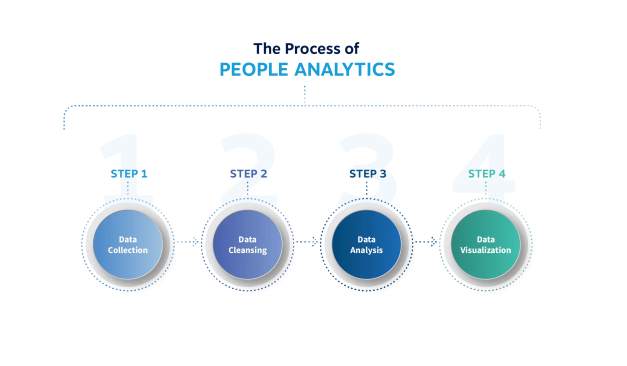
Real-Time Data Analysis: The Role of AI in Agile Decision-Making
In an era where agile decision-making is paramount, real-time data analysis powered by AI is transforming business operations. By swiftly processing vast datasets, AI enhances insights, enabling organizations to anticipate market trends and optimize strategies across sectors like finance, healthcare, and retail, ensuring they remain competitive and responsive.

The Future of Data Analysis: How AI Is Redefining Scientific Research
Artificial Intelligence is revolutionizing data analysis in scientific research, enabling faster interpretation of complex datasets and uncovering new insights. Its applications in healthcare, climate science, and social research are transforming methodologies while ethical considerations like algorithmic bias and data privacy are crucial for responsible advancement.

The Evolution of Data Analysis Techniques with Artificial Intelligence
The integration of artificial intelligence in data analysis has revolutionized traditional techniques, enhancing efficiency and accuracy. Key advancements include machine learning, natural language processing, and predictive analytics, enabling organizations to derive actionable insights from vast datasets while addressing ethical considerations for responsible use in various industries.
Leveraging AI for Predictive Maintenance in Automation Systems
The integration of AI in predictive maintenance transforms automation systems by anticipating equipment failures, enhancing operational efficiency, and significantly reducing downtime costs. This shift not only extends machinery lifespan but also fosters a proactive maintenance culture, ultimately driving productivity and sustainability across various industries.

Human-Machine Interaction: The Role of Natural Language in Virtual Assistants
The article explores the transformative impact of Natural Language Processing on human-machine interaction through virtual assistants. It highlights the benefits of increased efficiency, enhanced user experience, and accessibility while addressing challenges like privacy and inclusivity. Future advancements promise deeper, more personalized connections between users and technology.

Ethical Challenges in Data Analysis with AI: Privacy and Transparency
The integration of AI in data analysis raises critical ethical challenges, particularly concerning privacy rights and transparency. Organizations must balance data utilization with consumer trust, ensuring informed consent and addressing algorithmic biases. A collaborative approach among technologists, ethicists, and policymakers is essential for fostering accountability and navigating these complexities effectively.

The Impact of Predictive Analysis on Business: How AI Is Transforming Decisions
Predictive analytics, enhanced by AI, is reshaping business decision-making by enabling organizations to extract actionable insights from vast data. This transformation improves customer engagement, operational efficiency, and risk management, giving companies a competitive edge in today’s dynamic market. Embracing these technologies is essential for long-term success.

The Importance of Data Visualization in the Age of Artificial Intelligence
In today’s AI-driven world, effective data visualization is crucial for transforming complex datasets into clear insights. It enhances decision-making, fosters engagement, and enables organizations to leverage AI capabilities for rapid, informed choices. Embracing data visualization empowers businesses to navigate complexities and drive innovation across various sectors.

The Challenges of Machine Translation: How Natural Language is Changing the Global Landscape
Machine translation significantly enhances global communication, yet it faces challenges like contextual understanding, cultural sensitivity, and ensuring translation quality. These obstacles impact cross-cultural interactions and vital sectors like business and healthcare, highlighting the need for a balance between automated systems and human expertise to preserve the nuances of language.