
Harnessing the Power of Innovation
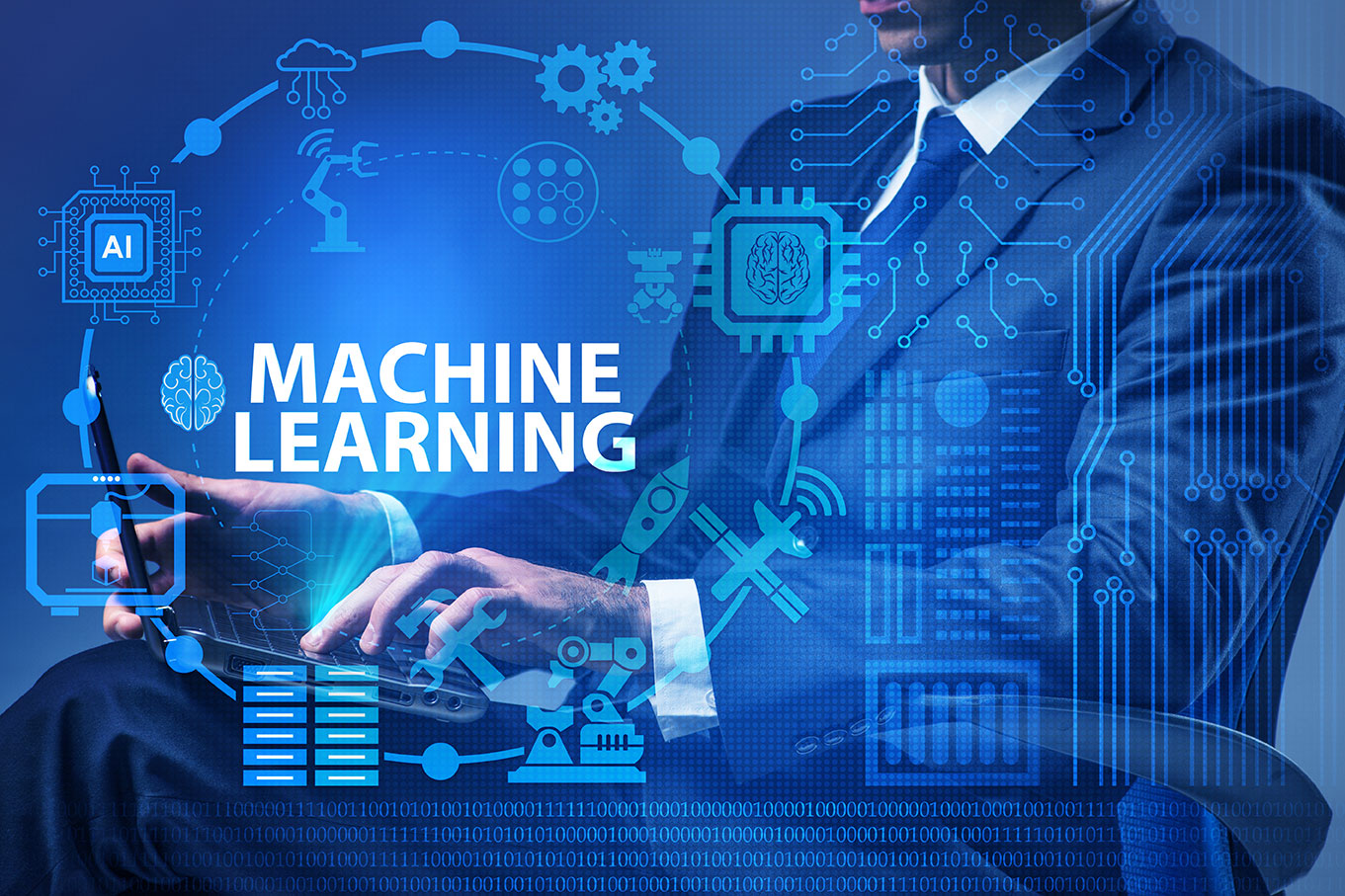
Machine Learning (ML) and Process Automation have rapidly moved from niche technologies to pivotal elements in the operational frameworks of businesses today. As organizations navigate an increasingly competitive landscape, they are increasingly turning to these cutting-edge innovations to enhance productivity and streamline operations. The integration of ML and automation is fundamentally altering the way industries function, paving the way for unprecedented improvements and efficiencies.
One of the standout benefits of implementing these technologies is Enhanced Efficiency. Automation allows businesses to eliminate monotonous tasks, enabling employees to devote more time to strategic initiatives that foster growth and innovation. For instance, in customer service, chatbots powered by ML can handle routine inquiries, freeing human agents to manage more complex issues. This shift not only boosts employee morale but also enhances customer satisfaction by reducing response times.
Another crucial advantage is the generation of Data-Driven Insights. Machine learning algorithms excel at analyzing extensive datasets, uncovering patterns, and providing actionable insights that inform key business decisions. Take, for example, the retail sector, where companies utilize ML to predict consumer behavior, optimize inventory, and tailor marketing strategies, leading to increased sales and improved customer loyalty.
Moreover, Cost Reduction is a significant impact of integrating ML and automation. Companies can achieve substantial savings through optimized processes and improved resource management. In the logistics industry, for instance, predictive analytics can forecast demand and automate fleet management, reducing operational costs while improving service levels.
Industries Experiencing Transformation
The transformational effects of ML and automation are particularly profound across several key sectors:
- Manufacturing: Facilities are increasingly employing automated quality checks and predictive maintenance powered by ML algorithms. Companies can reduce downtime and enhance product quality, ensuring they remain competitive in a global market.
- Healthcare: The integration of AI-driven diagnostics is revolutionizing patient care. Machine learning algorithms can assess medical images or predict patient risks more accurately, leading to better treatment outcomes and optimized operational workflows.
- Finance: In the finance sector, technologies such as algorithmic trading and advanced fraud detection systems are transforming traditional practices. By leveraging vast amounts of data, these ML applications enable quicker, more accurate transactions and significantly mitigate risk.
The ramifications of embracing ML and process automation extend beyond operational efficiency. As these technologies become embedded in various industries, they are also reshaping workforce dynamics and redefining industry standards. The potential for job displacement exists, but equally important are the new opportunities that arise with a more skilled workforce adept at leveraging technology.
As businesses across the United States and around the world continue to embrace these innovations, it raises important questions about the future of work. How will organizations adapt to these changes, and what skills will tomorrow’s workforce need to thrive? The answers to these questions will be crucial in defining the next era of work and economic resilience.
DIVE DEEPER: Click here to learn more about the ethics of AI text generation
Driving Change through Technology
As businesses across various sectors increasingly adopt Machine Learning (ML) and Process Automation, the interplay between these technologies is becoming clearer, with each propelling the other forward. The essence of this transformation lies in the ability to process data and automate tasks at speeds and accuracies that far surpass human capabilities. This not only enhances operational efficiency but also redefines the strategic landscape in which organizations operate.
To understand the profound impact of these advancements, it is essential to consider how they influence core operational mechanisms. For instance, in the realm of manufacturing, sophisticated ML algorithms are now deployed to predict equipment failures before they occur, allowing for timely maintenance that minimizes downtime. According to a report from McKinsey, companies that have implemented predictive maintenance techniques can reduce downtime by up to 30%. This level of foresight not only fosters better production schedules but also leads to considerable cost savings.
In addition to manufacturing, the healthcare industry is also undergoing a seismic shift due to the incorporation of AI and process automation. Machine learning tools are now capable of analyzing medical records and imaging data to identify anomalies that may escape the human eye. As a result, healthcare providers can offer more accurate diagnoses and personalized treatment plans. A study from the Journal of the American Medical Association revealed that AI algorithms could outperform human radiologists in specific image diagnostic tasks, underscoring the potential for improved patient outcomes.
The financial services sector is not immune to the transformative wave ushered in by these technologies. Financial institutions are leveraging machine learning for fraud detection, utilizing algorithms that continuously learn from transaction histories to identify suspicious behavior. With fraud losses in the U.S. amounting to approximately $16 billion in 2022, the deployment of automated systems can dramatically reduce these figures, enhancing not only security but also customer trust.
Moreover, the retail sector is reaping considerable rewards from these innovations as well. By harnessing machine learning to analyze customer behavior and preferences, retailers can offer personalized shopping experiences. They optimize inventory levels and streamline the supply chain to ensure that products are available when and where customers want them. According to a report from the National Retail Federation, this targeted approach can lead to sales increases of up to 25% in identifiably enhanced customer experiences.
These examples illustrate just a fraction of the potential ramifications of integrating machine learning and process automation across industries. The common thread binding these advancements is a keen focus on enhancing productivity and rendering processes smarter. As we continue to witness these shifts, it becomes imperative for businesses not only to adapt to technological changes but also to anticipate them, positioning themselves strategically for the future.
Machine Learning and Process Automation: Transforming Industries with Efficiency
The intersection of machine learning and process automation is increasingly vital for organizations looking to enhance productivity and streamline operations. As industries continue to evolve, these technologies are unlocking efficiencies that were previously unattainable. The application of machine learning algorithms enables businesses to analyze vast datasets quickly, uncovering insights that inform decision-making and operational improvements.
For example, in the manufacturing sector, machine learning algorithms are employed to predict equipment failures before they occur, thus reducing downtime and maintenance costs. Predictive maintenance powered by AI not only optimizes the use of resources but also ensures that production lines operate smoothly. Industries such as healthcare are witnessing transformational changes as machine learning aids in diagnostics and personalized treatment plans, enhancing patient outcomes while reducing resource wastage.
Moreover, customer service automation via chatbots, powered by machine learning, is revolutionizing how organizations interact with consumers. By learning from past interactions, these chatbots improve their responsiveness and handle queries more efficiently, leading to enhanced customer satisfaction.
Integration of machine learning with existing processes fosters a culture of continuous improvement. Organizations that strategically implement these technologies are not just automating tasks; they are driving innovation, enhancing competitiveness, and creating a more agile operational footprint.
| Category | Key Features |
|---|---|
| Efficiency Gains | Automation reduces manual intervention, speeding up processes and minimizing errors. |
| Data-Driven Insights | Machine learning analyzes trends, helping businesses make informed decisions based on real-time data. |
These advancements underscore the critical role of machine learning and process automation in future-proofing businesses across diverse sectors. As organizations increasingly adopt these technologies, the potential for transformation grows, paving the way for a more efficient and interconnected industrial landscape.
DON’T MISS: Click here to discover more
Unlocking New Opportunities with Intelligent Automation
The convergence of Machine Learning and Process Automation is not only about enhancing existing operations but also about unlocking new opportunities that were previously unimaginable. As organizations navigate this digital transformation, a significant shift occurs in the structure of workforce dynamics, where automation assumes a pivotal role in elevating productivity while allowing human talent to focus on higher-level functions.
One area poised for remarkable growth thanks to these technologies is customer service. Businesses are increasingly deploying chatbots and virtual assistants powered by machine learning to handle customer inquiries round the clock. These AI-driven interfaces can learn from customer interactions, providing tailored responses with increasing accuracy over time. According to Gartner, by 2025, 75% of all customer service interactions will be powered by AI technologies, reducing operational costs and improving customer satisfaction. Such tools not only relieve human agents from repetitive tasks but also offer them insights into customer preferences, enabling a more personalized and effective service approach.
In the realm of logistics and supply chain management, machine learning algorithms are transforming how goods are moved from suppliers to consumers. Through demand forecasting, these systems can analyze various factors such as seasonal trends, economic indicators, and buyer behaviors to optimize inventory levels. This predictive capability ensures that businesses can meet customer demand without overstocking, which can lead to waste and increased holding costs. A study by Capgemini estimates that AI could lead to a 20% increase in supply chain efficiency, significantly enhancing profitability while concurrently reducing environmental impact.
The influence of machine learning also extends to the energy sector. Utility companies are harnessing these technologies to optimize energy consumption and enhance grid operations. By analyzing consumption patterns and integrating predictive analytics, they can automate energy distribution and manage demand more effectively. For instance, ML models can predict peak usage times and allocate resources accordingly, leading to improved sustainability. According to a report from the International Energy Agency, embracing AI in energy management could reduce operational costs by up to 50% and significantly lower carbon emissions.
Furthermore, the construction industry is utilizing machine learning in combination with automation to increase safety and efficiency. Predictive analytics can forecast project risks, allowing for proactive measures to ensure worker safety. Drones equipped with ML algorithms can survey job sites, providing real-time data that aids in decision-making and further streamlining operations. A McKinsey study revealed that embracing these technologies could enhance productivity in construction by 15% to 20%, positively impacting project timelines and budgets.
As these examples illustrate, the integration of machine learning and process automation not only strengthens existing processes but also spearheads innovative approaches that can redefine entire industries. Businesses that adopt these cutting-edge technologies are likely to emerge as leaders, equipped with the agility and insight needed to adapt to rapidly changing market conditions. The narrative of efficiency is no longer simply about working harder; it’s about working smarter through intelligent automation, offering both immediate gains and long-term strategic advantages.
DISCOVER MORE: Click here to learn about the synergy of machine learning and cybersecurity
Reaping the Benefits of Machine Learning and Process Automation
As we have explored, the synergy between Machine Learning and Process Automation is more than a technological trend; it represents a profound shift in how industries operate. By harnessing the power of intelligent automation, organizations are not just streamlining processes but are redefining the essence of productivity. The integration of these advanced systems is leading to improved customer experiences, optimized supply chains, and innovative safety measures across varied sectors, from customer service to energy management.
The remarkable capabilities of machine learning—such as predictive analytics and autonomous decision-making—allow businesses to leverage data in ways that were unimaginable just a decade ago. This data-driven approach transforms traditional industries, enabling them to react swiftly to market demands while minimizing waste and enhancing efficiency. According to industry experts, organizations embracing these technologies are poised for significant competitive advantage, as they can adapt to ever-evolving consumer needs and economic landscapes.
However, as industries continue to adopt AI and automation, it is crucial for leaders to ensure responsible implementation. Ethical considerations, workforce reskilling, and embracing a culture of innovation will be essential in navigating this transformation effectively. Ultimately, the journey towards a more automated future is not merely about technology; it’s about harnessing intelligent solutions to empower the human workforce. Those willing to invest in and adapt to these advancements will set the stage for a new era of efficiency that resonates far beyond the confines of traditional business models.


 Linda Carter