
Understanding the Ethical Challenges of NLP
As Natural Language Processing (NLP) tools become more prevalent in everyday technologies—such as voice-activated assistants, customer service chatbots, and even advanced algorithms analyzing social media content—we must also confront the ethical challenges that accompany this innovation. These challenges can have profound implications not only for individual users but for society as a whole. It is imperative that we delve into these issues to safeguard against unintended consequences.
One of the most discussed ethical dilemmas in the realm of NLP is bias and fairness. Algorithms are trained on extensive datasets that may inadvertently reflect societal prejudices. For example, research has indicated that NLP models may respond differently based on the demographics of the user—such as race or gender—highlighting significant discrepancies in how information is processed. This type of bias can lead to discriminatory outcomes, particularly in critical areas like hiring practices or law enforcement, where biases in AI could affect job opportunities or even the legal system.
Another pressing issue is data privacy. The effectiveness of NLP depends heavily on access to data, which often includes sensitive personal information. Companies and developers may inadvertently collect more data than necessary, leading to breaches of privacy that can be exploited by nefarious actors. For instance, the Cambridge Analytica scandal in 2016 illustrates the potential risks of personal data misuse in political contexts. With increasing reliance on NLP technologies, the dialogue surrounding user consent and data rights becomes paramount in the United States.
The concept of transparency is equally crucial in conversations about NLP ethics. Many NLP systems operate as black boxes, obscuring the processes involved in decision-making. When users interact with these systems, they may not understand why certain responses or actions are taken. This lack of clarity can erode trust and hinder the ability to hold organizations accountable for algorithmic outcomes. For example, if an NLP-driven credit scoring system denies a loan application, the applicant may be left in the dark about its reasoning, raising fundamental questions about fairness and accountability.
In America, where technology evolves at breakneck speed, regulatory frameworks often lag behind, resulting in a pressing need for ethical guidelines that can adapt alongside technological advancements. Stakeholders ranging from policymakers to technologists must collaborate to construct a robust ethical infrastructure that can address these emerging challenges.
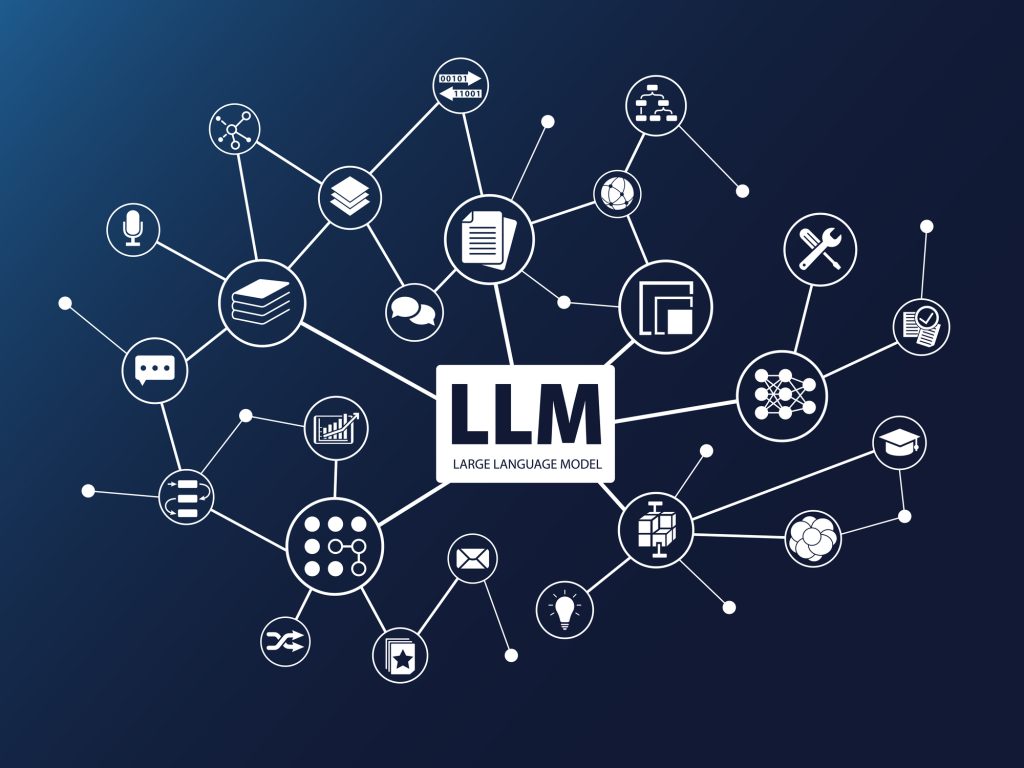

By exploring and addressing ethical concerns in NLP, we not only mitigate potential risks but also foster an environment conducive to innovation and trust. As you engage with NLP technologies in your daily life, consider the ethical implications at play. Your awareness and involvement in discussions surrounding these topics can contribute to shaping a more equitable technological future.
DISCOVER MORE: Click here to learn how machine learning is transforming patient care
Bias and Fairness in NLP: A Double-Edged Sword
The issue of bias and fairness in Natural Language Processing cannot be overstated. At its core, NLP is built on vast datasets that reflect human language as it exists in the real world. Unfortunately, these datasets may embody existing societal biases, leading to the unintended perpetuation of stereotypes within NLP systems. When training models on biased data, the outcomes can mirror and even exacerbate these inequalities, which becomes a significant ethical concern.
Take, for example, the way that sentiment analysis tools assess text based on cultural context and language nuances. Research indicates that certain words may carry different weight depending on the demographic background of the user. An NLP application programmed to detect hate speech could misinterpret benign language in communities where certain terms do not hold negative connotations. Consequently, such oversight can result in false positives that unfairly target specific groups, ultimately raising deep questions about equity and representation.
Moreover, biases are not confined to language understanding but extend to the generation of text as well. For instance, AI systems like GPT-3 have been shown to produce text that can be unintentionally biased against certain genders or ethnicities. Such outcomes prompt deep ethical quandaries, especially in sectors where NLP plays a pivotal role, such as healthcare, finance, and recruitment. In these areas, biased models can negatively influence decisions affecting people’s lives, potentially limiting access to opportunities and services based on flawed algorithmic assessments.
Data Privacy Concerns: The Unseen Dangers
Another critical ethical challenge lies in data privacy. As NLP technologies become more sophisticated, they often require access to large amounts of text data, which can include sensitive personal information. The ethics of data collection practices must be carefully scrutinized to avoid privacy violations. For example, in the United States, concerns have arisen surrounding how companies collect and use personal data without sufficient user consent. The line separating acceptable data practices from exploitative ones can often blur, leading to serious risks for individuals whose data is used.
- Informed Consent: Users may not fully understand what they are consenting to when providing data.
- Data Minimization: Collecting only the data necessary for specific tasks is often overlooked, resulting in excessive data gathering.
- Misuse of Personal Data: Data can be repurposed in ways users did not anticipate, leading to actions that could harm their reputation or integrity.
The complexity of data privacy extends beyond just technological concerns; it encompasses legal, regulatory, and ethical dimensions. This reinforces the necessity for transparent policies that spell out how data is collected, used, and shared. Without these frameworks, users may find themselves navigating a treacherous landscape laden with potential breaches of their privacy rights.
In the landscape of NLP, addressing these ethical challenges is not merely a technological or scientific endeavor but a societal one. By embracing ethical considerations around bias, fairness, and data privacy, stakeholders can work towards a future where NLP technologies contribute positively to society, ensuring equitable outcomes and protecting individual rights.
Understanding the Ethical Landscape of NLP
The rapid development of Natural Language Processing (NLP) technologies has ushered in innovative applications that significantly impact various sectors such as healthcare, education, and customer service. However, along with its remarkable capabilities, NLP also raises ethical challenges that must be navigated thoughtfully. One primary concern revolves around bias in language models. These models often reflect the biases present in their training data, leading to outcomes that can reinforce stereotypes or discriminate against certain groups. Addressing this bias involves not only technical adjustments but also a re-evaluation of the datasets used to train these models.
Furthermore, another significant ethical challenge lies in the area of privacy. NLP systems frequently require vast amounts of data to function effectively, raising concerns about how this data is collected, stored, and used. Ensuring that user data is handled responsibly while balancing performance and privacy is a crucial task for developers and companies. This is compounded by regulations like GDPR, which demand transparency and accountability in data handling, making it imperative for NLP practitioners to adhere to ethical guidelines.
| Ethical Challenge | Impact |
|---|---|
| Bias in Language Models | Can perpetuate stereotypes and discriminatory outcomes. |
| Data Privacy Issues | Raises concerns over how user data is collected and used. |
Educating developers about ethical implications and implementing fairness checks can pave the way for more responsible AI. Organizations must adopt a holistic approach, prioritizing ethical considerations alongside technological advancement. As NLP continues to evolve, fostering open dialogues around these issues is essential to harness its power responsibly.
DIVE DEEPER: Click here to discover the future of data analysis
Accountability and Transparency: The Call for Ethical Frameworks
As the deployment of Natural Language Processing (NLP)</strong) technologies becomes ubiquitous across industries, an equally pressing ethical challenge arises: accountability and transparency. As organizations increasingly rely on NLP models to inform critical decisions—from judicial sentencing algorithms to hiring assessments—the question of who holds responsibility when these systems fail becomes paramount. The opacity of many NLP models, particularly those utilizing deep learning techniques, raises significant concerns. How do stakeholders understand the decisions made by algorithms they do not fully understand?
The lack of transparency can lead to situations where biases within NLP systems go unchecked, compounding the issues of fairness and representation. When developers are unable or unwilling to disclose the inner workings of their models, it fosters a culture of distrust. Users may hesitate to rely on systems for decision-making when they cannot ascertain how outcomes are derived. Furthermore, this opacity can be exploited by malicious entities seeking to leverage unethical practices, such as the deployment of misleading chatbot responses that can manipulate public sentiment.
In addressing these challenges, some advocates propose ethical frameworks that mandate transparency in NLP. These frameworks would require companies and developers to maintain clear documentation outlining the datasets used, the methodologies employed, and any biases inherent in their systems. Such transparency not only enhances accountability but also fosters user confidence, ensuring that NLP technologies are leveraged responsibly. For example, in fields such as healthcare, it is critical that patients and caregivers understand how AI tools arrive at their recommendations or diagnoses.
Regulatory Oversight: Navigating the Legal Maze
The regulatory landscape surrounding NLP technologies is still in its infancy, presenting both opportunities and challenges. In the absence of well-defined laws governing the development and deployment of NLP systems, companies often operate in a gray area when it comes to ethics. Current legislation, such as the General Data Protection Regulation (GDPR) in Europe, lays groundwork for data protection and privacy rights, but similar comprehensive legal frameworks are lacking in the United States.
The push for regulatory oversight has never been more relevant. As NLP applications widen their reach, the potential for misuse magnifies. For instance, large-scale surveillance facilitated by NLP-driven systems raises alarms regarding civil liberties and human rights. Recent examples of facial recognition software being utilized in tandem with NLP technologies highlight the necessity for clear regulations that can safeguard individual privacy while enabling innovation.
- Adaptive Regulation: Regulators must adopt an adaptable approach that evolves in tandem with rapid technological advancements.
- Stakeholder Engagement: Dialogue between developers, ethicists, regulators, and the public is essential to create regulations that are meaningful and effective.
- Accountability Mechanisms: Establishing clear accountability frameworks to address violations is critical in upholding ethical standards.
As NLP technology continues to advance, the call for ethical governance has grown louder. Ensuring that systems are transparent and accountable is essential not only for fostering trust but also for safeguarding against burgeoning threats in data privacy and biased decision-making. By implementing solid regulatory frameworks, stakeholders have a unique opportunity to shape the future of NLP technologies that benefits society as a whole.
DISCOVER MORE: Click here to dive deeper
Final Thoughts: Navigating the Ethical Landscape of NLP
The rapid evolution of Natural Language Processing (NLP) technologies presents a myriad of ethical challenges that require urgent attention. As we integrate these systems into critical decision-making processes across diverse sectors, the implications of bias, transparency, and accountability take center stage. The opacity of advanced NLP models, particularly those powered by deep learning, necessitates a robust framework that promotes understanding and oversight. Stakeholders, including developers, users, and regulatory bodies, must work collectively to establish standards that not only safeguard against ethical breaches but also promote equitable outcomes.
Moreover, the absence of comprehensive regulations in the United States highlights the urgency for policy makers to embrace adaptable, stakeholder-engaged strategies that prioritize human rights and civil liberties. The potential risks of NLP technologies, such as misuse in surveillance and manipulation of public opinion, underscore the need for a proactive approach in governance. Properly constructed frameworks that prioritize ethical considerations can empower innovation while minimizing risks, ultimately leading to systems that are trustworthy and effective.
As the landscape of NLP continues to shift, fostering a culture of transparency and responsibility will be crucial. By doing so, we can harness the power of NLP not only to enhance communication and efficiency but to uplift the values of equity and justice. As we move forward, the conversation surrounding ethical challenges in NLP must remain dynamic, reflecting our evolving understanding of technology and its impact on society. Only through conscientious collaboration can we pave the way for NLP applications that genuinely reflect the diverse world they serve.


 Linda Carter