

Human-Machine Interaction: The Role of Natural Language in Virtual Assistants
The article explores the transformative impact of Natural Language Processing on human-machine interaction through virtual assistants. It highlights the benefits of increased efficiency, enhanced user experience, and accessibility while addressing challenges like privacy and inclusivity. Future advancements promise deeper, more personalized connections between users and technology.

The Challenges of Machine Translation: How Natural Language is Changing the Global Landscape
Machine translation significantly enhances global communication, yet it faces challenges like contextual understanding, cultural sensitivity, and ensuring translation quality. These obstacles impact cross-cultural interactions and vital sectors like business and healthcare, highlighting the need for a balance between automated systems and human expertise to preserve the nuances of language.
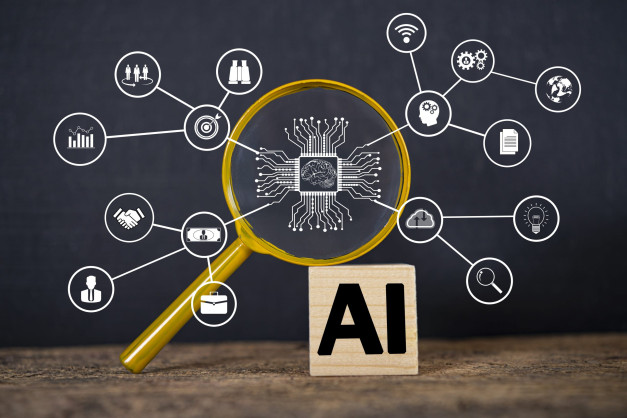
The Impact of Natural Language on Human Communication: Transformations and Future
Natural language has evolved dramatically, transforming human communication through technology. Platforms enhance personal and professional interactions while AI tools like NLP and sentiment analysis improve understanding and inclusivity. As we embrace these changes, ethical considerations and cultural nuances remain vital for preserving authentic connections in a digital era.
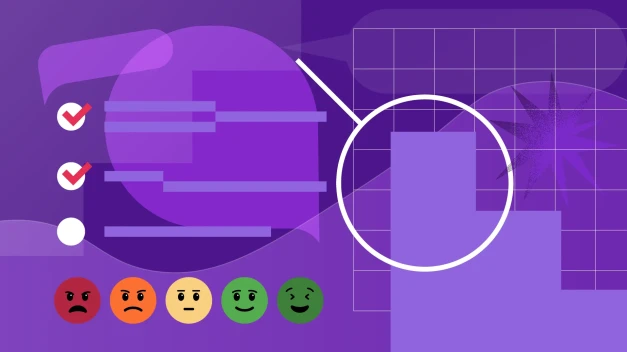
Sentiment Analysis in Social Networks: The Use of Natural Language to Understand Opinions and Emotions
In today’s digital world, sentiment analysis leverages Natural Language Processing to decode emotions shared on social networks. This powerful tool enables businesses and organizations to gain valuable insights into public opinion, enhance marketing strategies, and foster deeper connections with their audiences by understanding the complexities of human interactions.
The Evolution of Natural Language Processing Techniques: From Rule-Based to Machine Learning
This article explores the evolution of natural language processing techniques, highlighting the shift from rule-based systems to advanced machine learning methods. It emphasizes how machine learning enhances language understanding, adaptability, and context awareness, while also addressing challenges such as data bias and the future potential for even more sophisticated NLP applications.
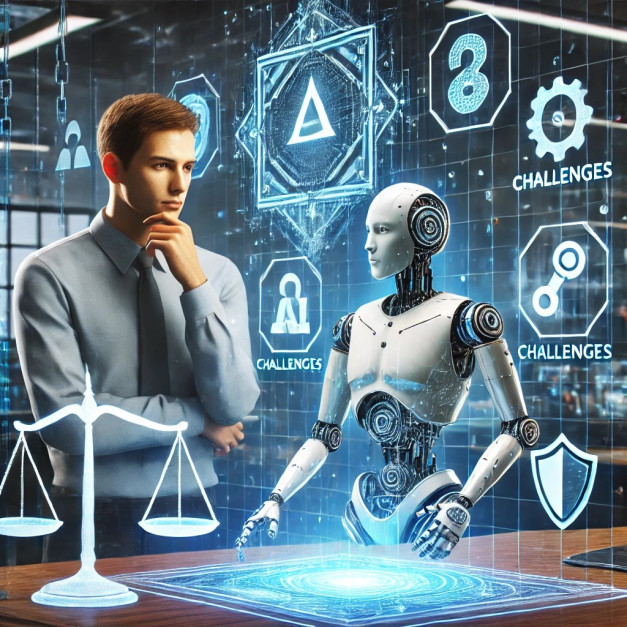
The Ethics of Text Generation by Artificial Intelligence: Challenges and Possibilities
The rise of AI text generation presents both exciting opportunities and significant ethical challenges. Key concerns include authorship, misinformation, bias, and the need for responsible governance. Addressing these issues is vital for ensuring that AI-generated content enhances creativity while maintaining integrity and societal trust.