
Understanding the Role of Automation and Sustainability
The convergence of automation and sustainability is emerging as a pivotal theme across numerous industries. As companies face growing pressure to tackle climate change and reduce their environmental impacts, artificial intelligence (AI) has become an invaluable ally. This technology provides sophisticated tools for efficient resource management, allowing businesses to align their operations with sustainable practices while enhancing their bottom line.
Modern AI technologies empower companies to utilize data in ways that were previously unimaginable. One standout application is predictive analytics. By analyzing historical trends and patterns, businesses can accurately forecast demand, helping to prevent overproduction and minimizing waste. For example, a fashion retailer might use predictive models to determine which styles and sizes will be most popular, reducing excess inventory and avoiding unsold goods that contribute to landfill waste.
Another impressive example lies in smart supply chain management, where AI optimizes logistics and transportation routes. Efficient routing not only saves time and reduces costs but also lowers carbon emissions. A prominent company utilizing such technology is Amazon, which leverages AI algorithms to ensure that products are delivered via the most fuel-efficient paths possible, significantly reducing their carbon footprint in the process.
In addition to these areas, automated energy management systems play a vital role in promoting sustainability. These systems monitor and control energy consumption in real-time, identifying patterns and opportunities for conservation. For instance, large-scale corporations can implement AI-driven energy management to automatically adjust heating, cooling, and lighting based on occupancy, thus slashing unnecessary energy use and costs.
Sector-Specific Innovations: Agriculture and Beyond
The integration of AI into various sectors is illuminating pathways to enhanced sustainability practices. In agriculture, for example, precision farming utilizes AI to offer data-driven insights that minimize resource inputs like water and fertilizers. Farmers can now apply these essential resources only where and when they are needed, substantially optimizing their use while ensuring the health of crops. A case in point is the introduction of AI-powered drones that analyze crop health and soil conditions, allowing for targeted interventions that maximize yields and minimize waste.
Furthermore, AI is enabling crop disease prediction, which assists farmers in proactively managing plant health. By analyzing weather patterns, historical data, and other variables, AI systems can forecast potential outbreaks of diseases, allowing farmers to act swiftly. For instance, a farmer could receive alerts about a predicted powdery mildew outbreak, enabling them to apply treatments just in time to save crops without unnecessary pesticide application.
As we explore the realms of automation and sustainability, it becomes evident that the integration of these technologies fosters not only economic growth but also contributes significantly to creating a greener planet. By leveraging the transformative potential of AI, companies can reshape their operations to be more resource-efficient and sustainable. As you delve deeper into this subject, consider exploring real-world case studies and research that highlight these advancements and their impact on various industries.
DISCOVER MORE: Click here to dive deeper
Transforming Industries with AI-Driven Solutions
As organizations proactively seek to enhance their sustainability efforts, the proliferation of automation technologies integrated with artificial intelligence (AI) has emerged as a beacon of hope. These intelligent systems provide businesses with the capability to optimize resource use, lower environmental impact, and drive economic efficiency. The growing trend underscores the necessity of revising operational frameworks to accommodate innovative AI solutions, ensuring that resource management becomes more effective, predictable, and sustainable.
One major advantage of implementing AI in automation is the significant reduction of resource waste. By utilizing AI algorithms, companies can gather and analyze vast amounts of data, which supports informed decision-making and operational refinement. For instance, in the manufacturing sector, AI can enhance production techniques by identifying inefficiencies in real time. By employing machine learning algorithms, manufacturers can fine-tune production schedules, leading to a decrease in material waste and a reduction in energy consumption.
The advancements don’t stop there. The implementation of smart sensors within factories enables the timely collection of performance data, which can be processed using AI models to predict maintenance needs. This predictive maintenance approach ensures that machinery operates at optimal levels, preventing overuse and minimizing energy waste. According to a report from McKinsey, predictive maintenance can lead to a reduction in maintenance costs by up to 30% and improve equipment life by 20% to 40%, showcasing the powerful relationship between automation, AI, and sustainability.
Key Areas Where AI Drives Sustainable Practices
The following key areas exemplify the transformative potential of integrating AI with automation systems to foster sustainability:
- Energy Optimization: AI-driven platforms can continuously analyze energy consumption patterns across facilities, allowing organizations to adjust energy use dynamically. For example, companies like Google employ AI to manage their data center energy efficiency, achieving substantial reductions in energy usage.
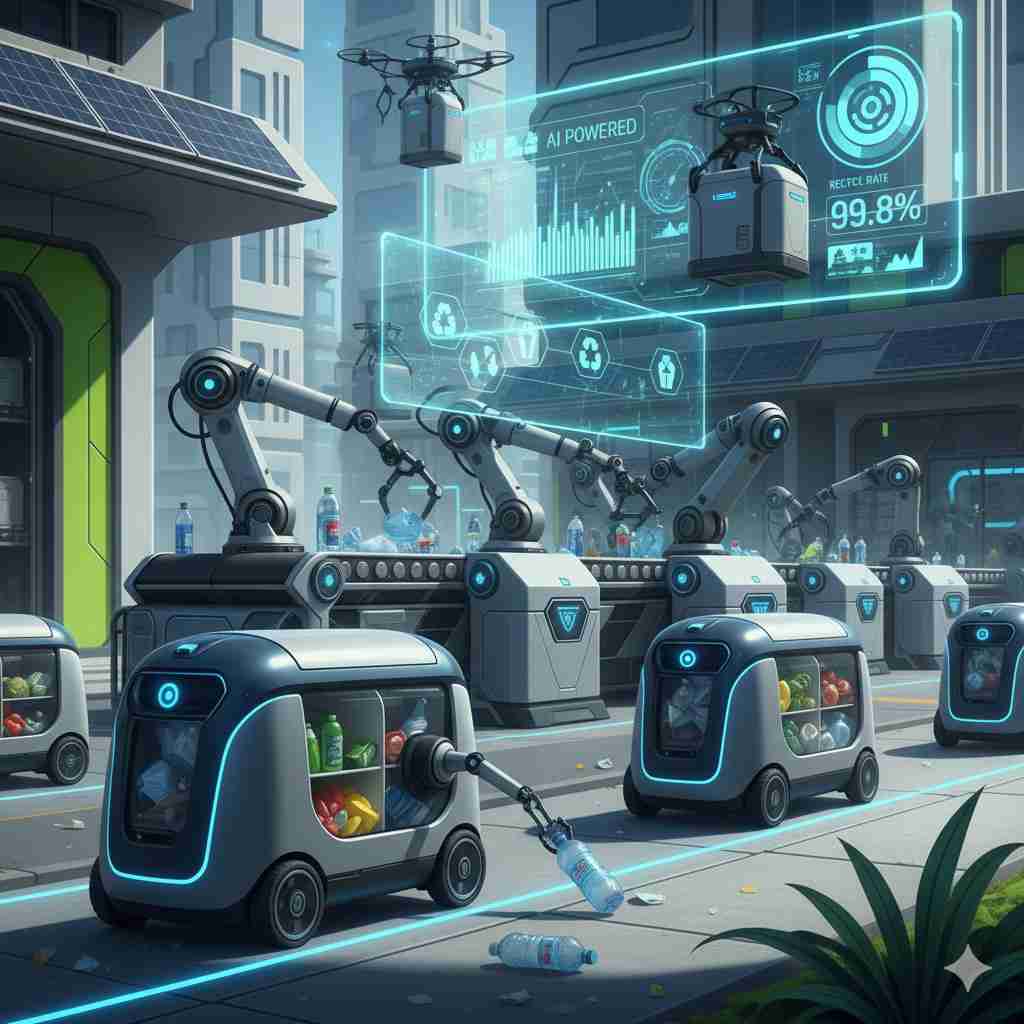
- Waste Management: By leveraging AI in recycling operations, businesses can automate sorting processes, which increases the efficiency of material recovery and significantly reduces landfill contributions. Technologies like AI-enabled cameras can precisely identify recyclable materials, optimizing the recycling workflow.
- Water Conservation: In sectors like agriculture and manufacturing, AI can help monitor water usage and analyze consumption patterns to identify areas of overuse. Through intelligent scheduling and real-time adjustment, organizations can drastically reduce water waste while maintaining optimal output.
Embracing AI-driven sustainability systems not only helps reduce resource waste but fosters a culture of responsibility and accountability within organizations. As industries evolve, the continued integration of these technologies will be critical in creating an environmentally-friendly landscape where efficiency and sustainability coexist. The journey towards a greener future is not merely about adopting new technologies; it entails reimagining how businesses operate within the ecosystems they inhabit. As we delve deeper into the application and implications of automation and sustainability systems, numerous case studies reveal the tangible benefits and innovations emerging from this intersection.
| Category | Advantages |
|---|---|
| Resource Optimization | AI algorithms analyze consumption patterns to minimize waste and optimize resource allocation, leading to significant reductions in energy and material use. |
| Predictive Analysis | By leveraging machine learning, systems can predict future resource needs, ensuring supply meets demand without excessive overproduction. |
| Waste Management | AI-powered solutions can enhance recycling processes, sorting materials more efficiently and thereby increasing the recovery rates of valuable resources. |
| Sustainable Supply Chains | Automation facilitates real-time monitoring and management of supply chains, allowing businesses to adapt quickly and maintain sustainability standards while reducing carbon footprints. |
DIVE DEEPER: Click here to learn more about the ethical challenges
The Real-World Benefits of AI Integration in Sustainability
As the conversation around sustainability intensifies, the role of automation coupled with artificial intelligence (AI) emerges as an invaluable asset for businesses striving to minimize their ecological footprint. The integration of AI in sustainability systems is not just theoretical; numerous case studies illustrate how organizations can reap practical benefits while contributing to a healthier planet.
One prominent example is found in the agricultural sector, where AI-powered technologies are revolutionizing farming practices. Farms equipped with precision agriculture tools utilize AI to analyze various data inputs such as soil conditions, weather patterns, and crop health. This data-driven approach empowers farmers to make informed decisions about resource allocation, such as efficiently deploying fertilizers or optimizing irrigation schedules. Consequently, studies have shown that AI can lead to a reduction of up to 30% in water and fertilizer usage, promoting sustainable agricultural practices without sacrificing crop yield.
Moreover, in the realm of transportation, AI’s impact on sustainability is profound. Transportation companies are leveraging AI to develop smart logistics systems that maximize delivery efficiency while minimizing resource expenditure. For instance, AI algorithms can evaluate traffic patterns and predict optimal routing for delivery vehicles. This not only reduces fuel consumption but also minimizes emissions. According to the Environmental Protection Agency (EPA), advanced route optimization techniques can lower greenhouse gas emissions by as much as 15% within urban freight systems, representing a significant step toward cleaner air and more sustainable cities.
The Circular Economy and AI-Driven Innovation
The concepts of circular economy align seamlessly with advancements in AI. Organizations are embracing the idea of designing products for longevity and recyclability, creating a closed-loop system where waste is minimized. AI technologies play a crucial role in this paradigm shift. For example, companies like Patagonia have adopted AI to analyze product lifecycles and understand customer usage trends. This allows them to provide tailored services that encourage repairs, recycling, and sustainable consumption practices among their customers.
Additionally, the construction sector is tapping into AI to enhance sustainability through smart building designs. Intelligent systems can monitor energy consumption and adjust conditions in real time, ensuring minimal waste. Innovative platforms can also assess building materials for their environmental impact, allowing construction firms to select sustainable alternatives. By integrating AI into the design and operation of buildings, organizations can reduce energy waste by up to 25% over a structure’s lifecycle.
- Data-Driven Forecasting: AI enhances supply chain forecasting accuracy by analyzing historical trends and market conditions. This minimizes overproduction and subsequent waste, ensuring that resources are allocated effectively.
- Smart Waste Management: Through AI algorithms, waste collection routes can be optimized, reducing fuel consumption and ensuring that recycling and waste disposal efforts are both efficient and environmentally friendly.
- Material Efficiency: AI can assist manufacturers in determining the optimal mix of materials for production processes, reducing waste during fabrication while also improving product durability.
As numerous industries adopt these transformative practices, it becomes evident that the integration of AI in automation systems fosters a comprehensive approach to sustainability. These innovations not only enhance operational efficiency but also create a ripple effect, encouraging broader societal shifts towards responsible resource usage. The potential to revolutionize our interaction with the environment lies in the hands of organizations willing to invest in AI-powered sustainability systems, paving the way for a future where resource waste is minimized and environmental stewardship is prioritized.
DIVE DEEPER: Click here to uncover the significance
Conclusion: A Sustainable Future Powered by AI
As we stand at a crossroads in addressing global challenges such as climate change and resource scarcity, automation and artificial intelligence (AI) emerge as crucial allies in the quest for sustainability. The real-world applications of AI across various sectors demonstrate its capacity to significantly reduce resource waste while improving operational efficiency. From precision agriculture cutting water usage by up to 30% to smart logistics optimizing fuel consumption and decreasing emissions by 15%, the evidence is compelling and irrefutable.
Furthermore, the ongoing shift toward a circular economy highlights how AI can redefine traditional production and consumption models. Companies are increasingly leveraging AI to promote product longevity and responsible consumption, optimizing material usage and waste management processes. The construction sector, with its potential to reduce energy waste by 25%, adds another dimension to this narrative, showcasing that innovative design and intelligent systems can lead to substantial environmental benefits.
As AI technologies continue to evolve, businesses and governments must prioritize investments in AI-driven sustainability systems. Such initiatives not only promise to mitigate resource waste and minimize ecological footprints but also pave the way for a more resilient and sustainable future. By embracing the potential of AI, we can transform our approach to resource management, ensuring that we preserve the planet for future generations. The journey toward sustainability is not merely a choice but a necessity—one that requires collective commitment and action now more than ever.


 Linda Carter