

The role of hypoallergenic diets in the feeding of animals with food allergies
Food allergies in pets are increasingly common, prompting the rise of hypoallergenic diets. These tailored nutritional solutions reduce allergens and improve overall health by targeting specific sensitivities. With veterinary guidance, pet owners can effectively alleviate symptoms and enhance their pets’ quality of life, showcasing the importance of understanding hypoallergenic options.

Interactive Feeding: How to Make Mealtime More Fun for Your Pet
Transform your pet’s mealtime with interactive feeding techniques that enhance engagement and health. Utilize puzzle feeders, scavenger hunts, and slow feed bowls to promote mental stimulation while catering to natural instincts. These fun methods reduce boredom, encourage exploration, and strengthen the bond between you and your furry companion.

The role of probiotics in the intestinal health of dogs and cats
Probiotics play a vital role in enhancing the intestinal health of dogs and cats, supporting digestion, boosting immunity, and managing gastrointestinal issues. By maintaining a balanced gut microbiome, these beneficial microorganisms can significantly improve overall well-being, making them essential for pet care and wellness.

The importance of diet in the skin and coat health of dogs and cats
A well-balanced diet is essential for the skin and coat health of dogs and cats. Key nutrients like fatty acids, proteins, vitamins, and zinc promote hydration, nourishment, and vitality. By prioritizing proper nutrition, pet owners can enhance their pets’ appearance and overall well-being, preventing skin issues and ensuring a healthy, shiny coat.

The influence of diet on the dental health of dogs and cats
Understanding the influence of diet on the dental health of dogs and cats is essential for pet owners. A balanced diet, rich in quality ingredients and specific nutrients, significantly enhances oral hygiene, preventing dental diseases. Combining proper nutrition, specialized treats, and regular veterinary check-ups fosters healthier teeth and gums for furry companions.

The importance of hydration in the diet of dogs and cats
Proper hydration is vital for the health and well-being of dogs and cats. It supports essential functions like digestion, kidney health, and skin condition. Pet owners should prioritize hydration by providing fresh water, incorporating wet foods, and recognizing dehydration signs to ensure their furry companions thrive.
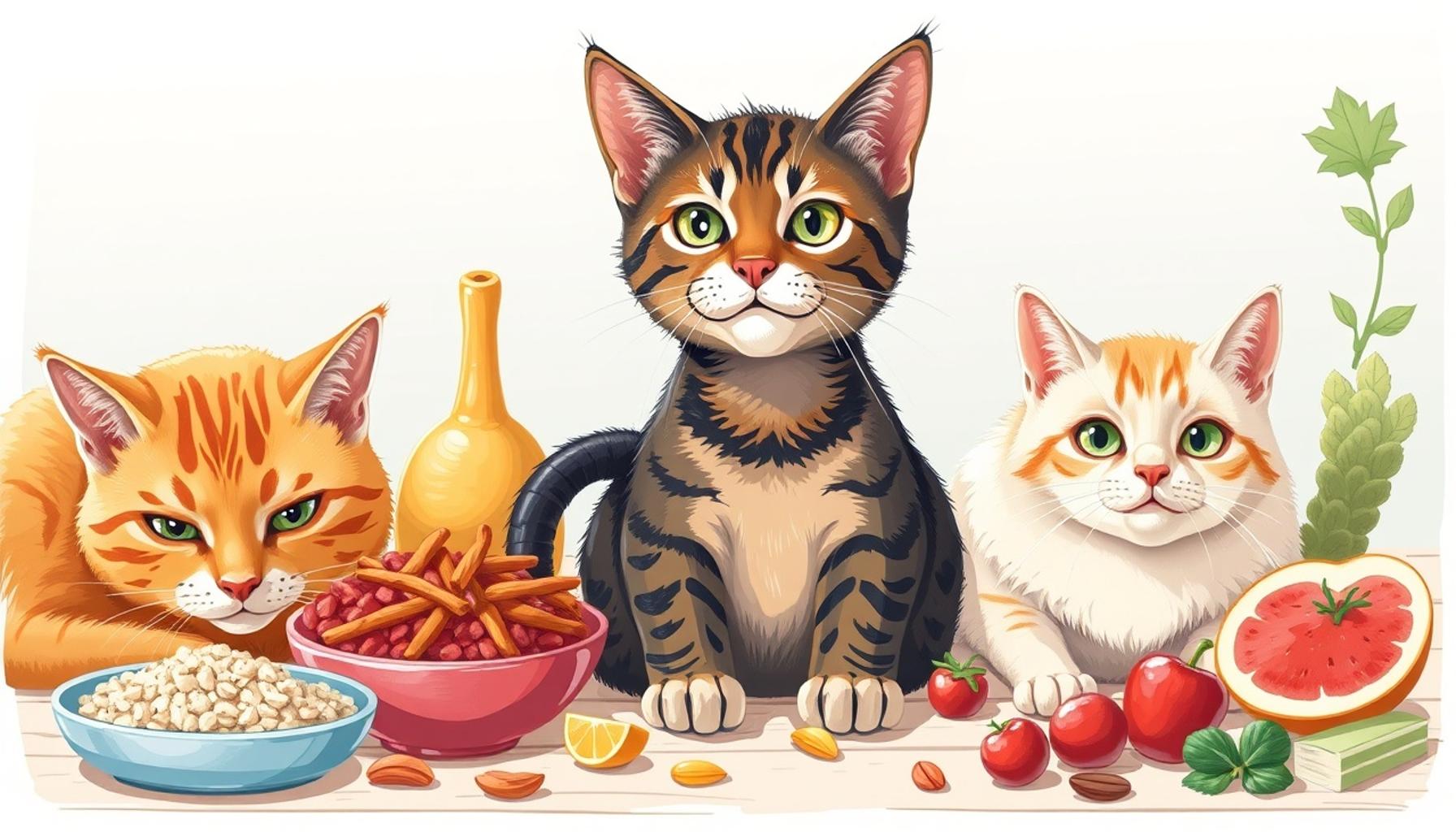
Specific diets for breeds: how nutrition varies among different types of dogs and cats
Pet nutrition varies significantly by breed, driven by genetic traits, activity levels, and health considerations. Understanding breed-specific dietary needs, including protein intake and ingredient sensitivities, is essential for promoting health and longevity in dogs and cats. Tailored diets enhance overall well-being and foster a rewarding bond between pets and owners.

Vegetarian and Vegan Diets for Pets: Benefits and Challenges
The trend towards vegetarian and vegan diets for pets is driven by ethical, environmental, and health considerations. While these plant-based diets can improve digestion and reduce carbon pawprints, ensuring complete nutrition is crucial, especially for obligate carnivores like cats. Consulting veterinarians is key to navigating the challenges of pet nutrition.
The influence of omega-3 rich diets on the cognitive health of dogs and cats
Omega-3 rich diets significantly enhance the cognitive health of dogs and cats, improving memory, learning, and reducing anxiety. These essential fatty acids, especially DHA and EPA, are crucial for brain function and can mitigate age-related cognitive decline. Incorporating omega-3s fosters better mental agility and overall well-being in pets.

How to Choose the Right Diet for Cats with Special Needs
Feeding cats with special needs requires careful consideration of their unique dietary requirements based on age, health conditions, and preferences. Collaborate with a veterinarian to select appropriate diets, monitor health, and make gradual adjustments. Prioritizing the right nutrition enhances your cat’s quality of life and overall well-being.