
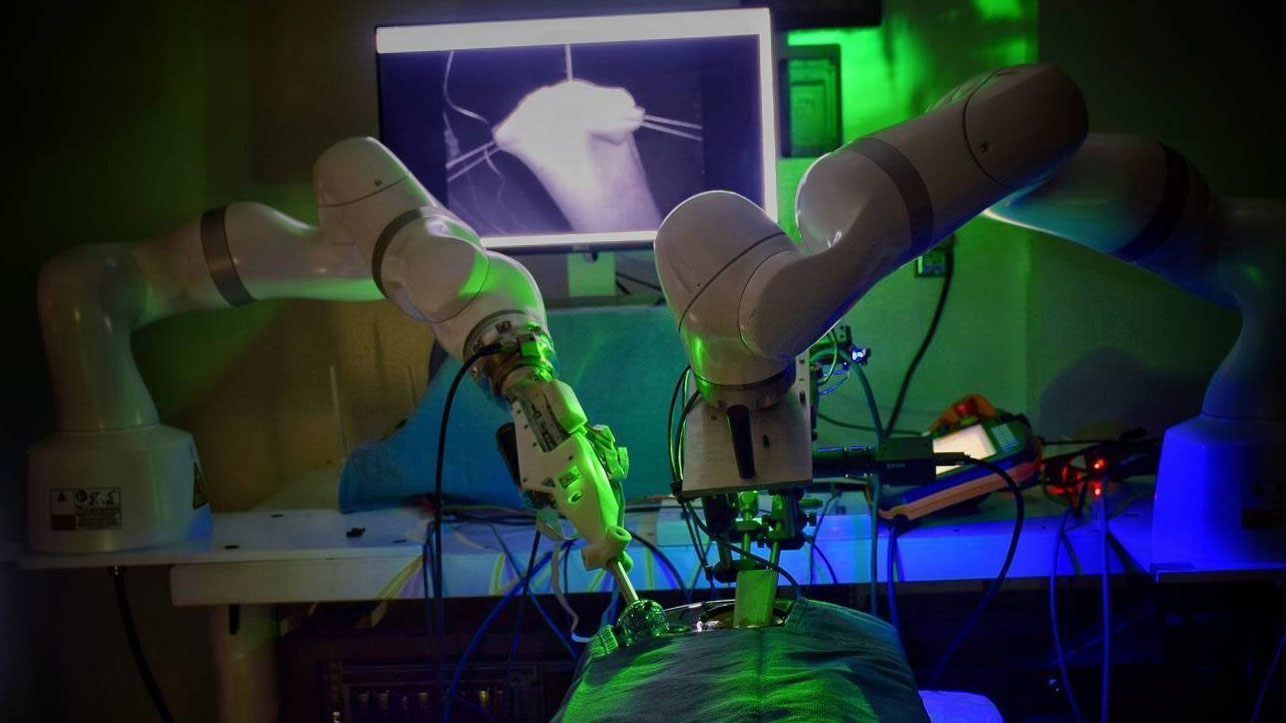
Exploring the Intersection of AI and Robotics
The integration of neural networks into robotics has ushered in a new era, profoundly altering how we understand and engage with autonomous machines. These advanced algorithms simulate human-like learning processes, empowering robots to analyze and make decisions based on extensive datasets. As the capabilities of these systems continue to improve, their potential applications in various sectors become increasingly compelling and transformative.
Key Features of Neural Networks in Robotics
Neural networks equip robots with several essential functionalities, enhancing their operational capabilities significantly:
- Learning from Experience: Through mechanisms akin to human learning, autonomous machines can adjust their behaviors and operating protocols by receiving feedback from their environments. For example, a warehouse robot may learn to optimize its route after encountering an unexpected obstacle, minimizing time and increasing efficiency.
- Obstacle Detection: Real-time obstacle identification is critical for safe navigation. Many contemporary robots, such as delivery drones and autonomous vehicles, leverage neural networks for swift detection and avoidance of obstacles, allowing them to operate seamlessly in cluttered environments.
- Complex Decision Making: The ability to make informed decisions in dynamic and unpredictable circumstances is crucial. Neural networks enable robots to assess multifaceted scenarios and modify their actions accordingly. For instance, a self-driving car can analyze sudden changes in traffic patterns and make split-second decisions to ensure passenger safety.
The ramifications of these advancements extend far beyond industrial applications. In everyday life, our interactions with neural networks are becoming more prevalent. From the technology behind voice-activated home assistants to smart appliances that learn user preferences, it is evident that these innovations are reshaping the very fabric of our daily routines.
Why This Matters
Gaining a deeper understanding of the role played by neural networks in robotics is crucial for our future development. As these technologies proliferate, they prompt important ethical and practical considerations, ranging from job displacement in traditional industries to concerns about surveillance and privacy in public spaces. The advent of intelligent systems raises questions about accountability and bias in decision-making processes.
This article aims to illuminate how neural networks are revolutionizing robotic learning and control systems, urging readers to consider the broader implications of this technology. As we venture further into an era dominated by AI and robotics, it is essential to remain informed and engaged with the evolving landscape of these exciting fields, inspiring curiosity and advocacy for responsible innovation.
DIVE DEEPER: Click here to discover the future of neural networks
Unpacking Neural Networks in Robotic Applications
The integration of neural networks into the robotics landscape has not only enhanced the capabilities of autonomous machines but has also paved the way for revolutionary applications across various fields. From manufacturing to healthcare, the functions of neural networks go far beyond mere automation; they embody intelligent systems that adapt, learn, and evolve in their respective environments.
Training Neural Networks for Robotic Applications
Central to the functionality of neural networks in robotics is the training process, where algorithms learn from large datasets. This process employs a variety of techniques, including:
- Supervised Learning: In this method, the neural network is trained on labeled examples, allowing the machine to learn the relationship between input data and output results. For instance, an autonomous vehicle utilizes images of road signs to recognize and interpret them during navigation.
- Unsupervised Learning: Here, the network identifies patterns without labeled inputs, useful for robots that need to discern anomalies or group similar objects based on sensor data. This is particularly beneficial in warehouse automation where robots must prioritize item locations without prior knowledge.
- Reinforcement Learning: This dynamic approach trains robots through trial and error, using feedback from their actions to improve future performance. As a notable example, a robotic arm can refine its movement patterns when picking up objects, gradually incrementing the accuracy of its grip through repeated attempts.
The ability of neural networks to train using diverse methods illustrates their adaptability across numerous tasks in robotics, positioning them as pivotal components in autonomous systems.
Applications in Real-World Scenarios
The real-world applications of neural networks in robotics span a wide array of industries, showcasing their ability to solve complex challenges:
- Manufacturing: Robots equipped with neural networks can manage intricate assembly tasks, analyze production flows, and even predict maintenance needs, ensuring increased uptime and efficiency.
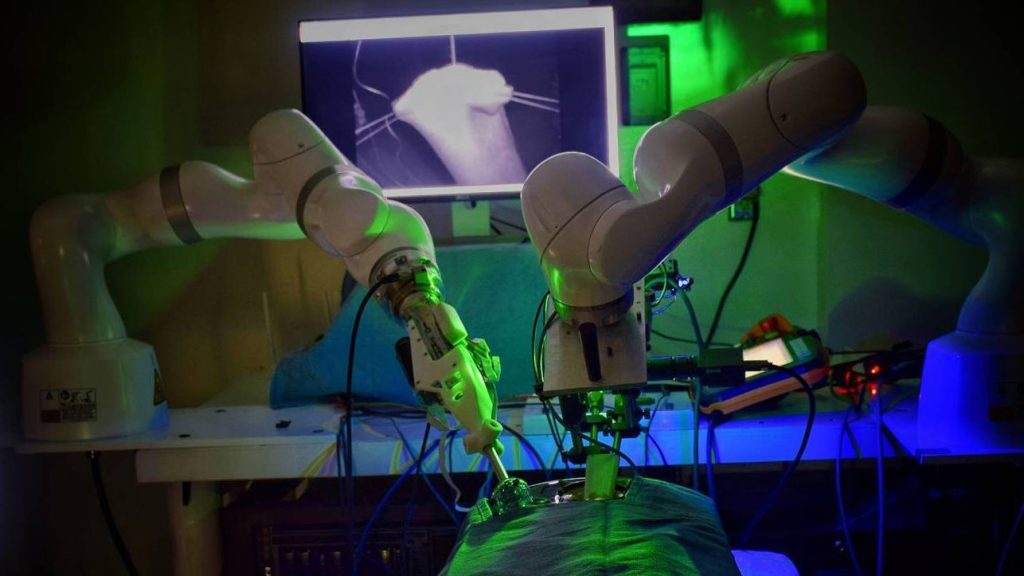
- Healthcare: In medicine, surgical robots use neural networks to enhance precision and performance, assist in complex surgeries, and analyze patient data to provide personalized treatment plans.
- Consumer Services: From chatbots that assist customers online to robotic cleaners that learn home layouts, neural networks are shaping personalized experiences in everyday life.
This broad array of applications emphasizes how vital neural networks are to modern robotics. As systems become more integrated into daily operations and services, understanding how these algorithms function is imperative for stakeholders across multiple sectors. The potential they hold for transforming industries can lead to increased productivity, improved decision-making, and heightened innovation.
As we explore the myriad ways neural networks contribute to the evolution of robotic learning and control systems, it becomes clear that these technologies are not simply tools but rather partners in an ever-advancing future. With each iteration, they redefine the boundaries of what autonomous machines can accomplish, urging society to adapt and consider the implications of such profound changes.
| Category | Advantages |
|---|---|
| Real-Time Processing | Neural networks enable rapid analysis of sensor data, facilitating instant decision-making, which is crucial for autonomous machines in dynamic environments. |
| Adaptive Learning | These systems can learn from experience, allowing robots to improve their performance over time by refining their algorithms based on environmental feedback. |
| Enhanced Perception | Utilizing neural networks allows robots to perceive complex patterns in their surroundings, enabling sophisticated tasks such as image recognition and obstacle detection. |
| Improved Control | Neural networks enhance the control of robotic movements, allowing for smoother and more accurate operations, important in both industrial and service applications. |
The integration of neural networks in robotics marks a significant advancement towards achieving fully autonomous machines, capable of high-level tasks. The real-time processing aspect allows for immediate responses to sensory inputs, making robots more efficient in rapidly changing environments. Furthermore, the adaptive learning properties foster continuous improvement and optimization, essential for applications requiring precision and reliability.With the capacity to discern complex patterns, robots can execute tasks that involve enhanced perception, crucial in fields like delivery systems and medical surgery. The increased control over movements leads to better outcomes, particularly in high-stakes scenarios where meticulous performance is paramount. As research continues, the promise of integrating neural networks in robotics presents an exciting frontier for autonomous machines.
DISCOVER MORE: Click here to learn about the evolution of NLP techniques
The Future of Neural Networks in Robotics
As the advancements in neural networks continue to unfold, their implications for the field of robotics look increasingly promising. With the ongoing research and development, emerging techniques are rapidly pushing the boundaries of robotic capabilities, particularly in the realms of robotic perception, decision-making, and collaborative operation.
Enhanced Perception through Deep Learning
One revolutionary aspect of neural networks is their ability to process and interpret vast amounts of sensory data through deep learning. This capability has significant ramifications for robotic perception:
- Visual Recognition: Modern robotics now utilize convolutional neural networks (CNNs), allowing machines to analyze and interpret visual inputs akin to human sight. These networks can detect objects, recognize faces, and even identify specific activities. For instance, self-driving cars rely on CNNs to interpret their surroundings, differentiating between vehicles, pedestrians, and obstacles on the road.
- Environmental Mapping: Using techniques like Simultaneous Localization and Mapping (SLAM), robots equipped with deep learning capabilities can understand and navigate complex environments. Robots used in explorations, such as planetary rovers or underwater drones, can construct accurate maps of unknown terrains while adapting to unexpected changes.
The continuous development of deep learning techniques promises ever-greater precision in perception, making autonomous machines more capable of understanding and interacting with the world around them.
Improving Decision-Making for Enhanced Autonomy
One of the paramount advancements in neural networks is their impact on decision-making processes within autonomous systems:
- Predictive Analytics: Leveraging data-driven insights, robotics can make informed predictions about their tasks and improve overall performance. For example, drones can forecast weather conditions or optimize flight paths based on past patterns, allowing for more strategic operations in logistics and delivery services.
- Real-time Adaptation: Neural networks enable robots to adapt dynamically to new situations. In warehouse environments, robotic systems can adjust their paths and operations based on shifting layouts or unexpected obstacles, enhancing operational efficiency without human intervention.
This nuanced decision-making driven by neural networks empowers robots to operate autonomously, thereby reducing reliance on human operators and minimizing errors.
Collaborative Robotics and Human-Robot Interaction
As we venture deeper into the interconnection of neural networks and robotics, the potential for collaborative robots (or cobots) has emerged as a transformative force:
- Safety in Collaboration: Advanced sensory processing through neural networks allows cobots to operate alongside human workers safely. By interpreting human actions and intentions, these robots can assertively predict and react to movements, reducing accidents and fostering an environment of seamless cooperation.
- Intuitive Interfaces: The incorporation of natural language processing enables more effective communication between humans and robots. By understanding voice commands or even interpreting gestures, robots can facilitate collaborative tasks in real-time, thereby enhancing productivity in various settings, from factories to healthcare environments.
The future of neural networks in robotics holds a wealth of possibilities, with the potential to not only enhance individual robots but also revolutionize entire industries. As independent machines grow increasingly capable of learning, adapting, and collaborating, the applications seem limitless, prompting fascination and anticipation regarding what lies ahead.
DISCOVER MORE: Click here for insights on ethical challenges
Conclusion
The integration of neural networks into robotics signifies a transformative shift in how autonomous machines interact with their environment. As we’ve explored, the capabilities powered by deep learning are pushing the limits of what robots can achieve, enhancing their perception and enabling sophisticated decision-making. From visual recognition systems that allow self-driving cars to navigate busy city streets to intelligent robotic systems that optimize logistics operations, the potential is vast and continually expanding.
The future of robotics intertwined with neural networks promises not only to improve the performance of individual machines but also to revolutionize entire industries. The realm of collaborative robotics is particularly noteworthy; as robots learn to work alongside humans seamlessly, they enhance productivity while prioritizing safety. The natural language processing advancements ensure that human-robot communication is intuitive and efficient, paving the way for widespread adoption in sectors ranging from manufacturing to healthcare.
As researchers delve deeper into this intersection of technology, the challenges that remain—such as ethical considerations, data privacy, and the need for robust safety protocols—will require ongoing discourse and collaboration. Nonetheless, the pace of innovation suggests we stand on the brink of a new era for robotics, where machines not only perform tasks but learn, adapt, and collaborate effectively with humans.
In conclusion, the field of neural networks in robotics is not just advancing; it’s redefining our understanding of autonomy, learning, and control. The journey ahead holds tremendous promise, inviting enthusiasts and professionals alike to explore the limitless possibilities that lie within.


 Linda Carter