
Transforming Industries with Automation and AI
In an era marked by rapid technological advancements, the automation of real-time control systems is fundamentally transforming various industries. These systems are crucial for managing operations that require immediate responses and precision. As organizations worldwide strive for greater efficiency, the seamless integration of artificial intelligence (AI) into these frameworks becomes indispensable.
Enhancing Manufacturing Processes
In the manufacturing sector, automation coupled with AI-driven systems dramatically enhances production lines. By leveraging machine learning algorithms, manufacturers can optimize workflows, reduce delays, and consistently improve product quality. For example, General Motors has implemented AI to predict equipment failures, allowing for proactive maintenance that minimizes downtime and maximizes efficiency. Such technological integration not only increases productivity but also leads to significant cost savings, enabling companies to remain competitive in a rapidly evolving market.
The Future of Transportation
Transportation is another area witnessing momentous change through automation. The advent of autonomous vehicles relies heavily on real-time decision-making capabilities to enhance safety and efficiency. Companies like Waymo and Tesla are investing significantly in these technologies, employing advanced AI systems to navigate complex driving environments. These autonomous systems analyze data from various sensors to make split-second decisions, fundamentally altering how we think about mobility and road safety.
Revolutionizing Energy Management
Energy management systems, particularly smart grids, are increasingly utilizing AI to make real-time adjustments, ensuring stability in energy distribution and considerably reducing waste. For example, Pacific Gas and Electric utilizes AI to predict energy consumption trends, adjusting supply to meet real-time demands. This kind of intelligent energy management not only optimizes resource use but also contributes to sustainability efforts, which is becoming a priority in the United States, where renewable energy sources are on the rise.
Impacts of AI in Healthcare
The healthcare sector stands to gain immensely from AI-driven technology. Consider AI-driven diagnostics that allow healthcare providers to facilitate immediate care for patients, thus improving outcomes significantly. With tools capable of rapidly analyzing patient data and lab results, healthcare professionals can make faster, more accurate decisions regarding treatment plans. Hospitals employing these systems report reduced patient wait times and improved overall care quality.
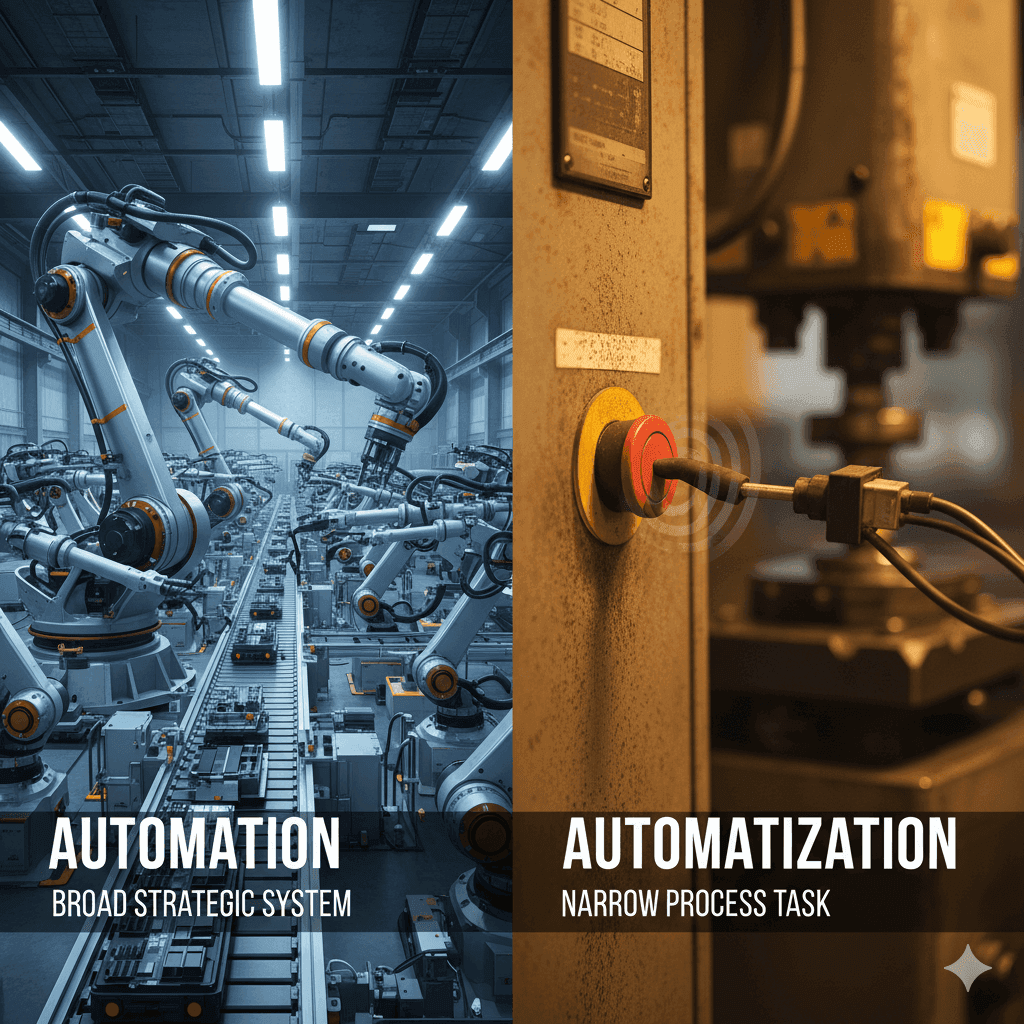
Decision-Making Advantages
The integration of AI into automated control systems introduces several significant advantages, which include:
- Enhanced efficiency and productivity: Automation allows for continuous improvement in workflows.
- Improved accuracy in data processing: AI can handle complex datasets with precision that far exceeds human capabilities.
- Real-time insights for timely interventions: Organizations can respond proactively to emerging challenges, thanks to comprehensive analytics.
As we continue to explore the depths of how AI reshapes the landscape of real-time control systems, it becomes increasingly clear that the implications for various sectors are profound. The journey of automation is just beginning, and understanding its dynamics is crucial for businesses aiming to stay ahead in this technology-driven age. The promises of automation and AI stretch far beyond efficiency; they pave the way for groundbreaking advancements that have the potential to revolutionize every facet of our industries and daily lives.
LEARN MORE: Click here to discover the influence of neural networks in the automotive realm</
Redefining Operational Excellence through AI Integration
The implementation of automation in real-time control systems has ushered in a new era of operational excellence across diverse sectors. With the incorporation of artificial intelligence (AI), organizations can now navigate complex environments with agility and precision, giving them a competitive edge. But what does this transformation really entail?
The Manufacturing Landscape
In manufacturing, where operations must often be optimized on-the-fly, AI-powered automation is proving indispensable. For instance, companies harnessing AI algorithms can analyze production metrics in real-time to detect bottlenecks. By employing predictive analytics, these systems can forecast demand fluctuations and optimize inventory, resulting in a significant reduction in waste and cost. A prime example can be seen in the automotive industry, where leaders like Ford utilize AI to streamline supply chain logistics, ensuring that resources align with production needs.
Smart Agriculture and Environmental Sustainability
The agriculture sector is also reaping the benefits of this technological evolution. The advent of smart farming technologies integrates real-time control systems that monitor soil conditions, weather patterns, and crop growth. Utilizing AI, farmers can make immediate and informed decisions on irrigation, fertilizer application, and pest control. This not only leads to greater crop yields but aligns with sustainability initiatives by minimizing the environmental impact of farming practices. For example, companies like John Deere are deploying AI-driven automated machinery that adjusts its performance based on real-time data inputs, enhancing both efficiency and sustainability.
Healthcare Innovations through Intelligent Systems
Moreover, the healthcare industry is experiencing a paradigm shift as AI-driven automation transforms patient care dynamics. With systems equipped to process extensive amounts of patient data instantaneously, healthcare providers can tailor treatment protocols that adapt to individual patient needs. Advanced diagnostic tools capable of real-time analysis help in identifying potential health issues early, enabling timely intervention. Facilities leveraging these systems witness improved patient outcomes and streamlined operations. A recent report indicated that hospitals utilizing AI diagnostics reduced misdiagnoses by over 30%, demonstrating the profound impact on decision-making.
Embracing the Future: Key Advantages
The implications of integrating AI into real-time control systems are multifold. Organizations adopting these innovations are likely to see:
- Greater operational efficiency: Continuous monitoring and automated adjustments lead to enhanced performance metrics.
- Data-driven decision-making: AI analyzes vast datasets instantaneously, providing insights that fuel proactive strategies.
- Elevated safety standards: Automated systems can respond to potential hazards more quickly than human operators, significantly reducing risks.
As organizations continue to embrace the potential of AI in automating real-time control systems, the resulting enhancements in productivity, accuracy, and safety will not only redefine operational capabilities but may also enable expansive growth in emerging industries. The future promises a seamless blend of human ingenuity and machine intelligence, igniting a revolution where decision-making is not just enhanced but fundamentally transformed.
Automation Enhancements in Real-Time Control Systems
The integration of AI technologies is revolutionizing the way we approach real-time control systems. By facilitating rapid decision-making processes, these technologies enable industries such as manufacturing, energy, and transportation to enhance efficiency and productivity. AI algorithms can analyze vast amounts of data in a fraction of the time it would take a human operator, allowing for immediate responses to dynamic conditions.
The Impact of Predictive Analytics
One of the most significant advantages of employing AI in automation is the use of predictive analytics. By leveraging machine learning algorithms, control systems can predict equipment failures before they occur, thereby minimizing downtime and reducing maintenance costs. For example, in the energy sector, AI-driven systems can forecast demand fluctuations, aiding in the optimal allocation of resources.
Improved Accuracy and Reduced Human Error
Human errors are an inherent risk in operational environments, but with the assistance of AI, the margin for error is significantly reduced. Automation enables more precise control over processes, which is essential in critical sectors like healthcare and aerospace. In these settings, AI-powered systems not only streamline operations but also adhere to stringent regulatory compliance, ensuring reliability and safety.
| Category 1 | Category 2 |
|---|---|
| Predictive Maintenance | Enables preemptive repairs and decreases operational costs. |
| Accuracy in Decision Making | Reduces the risk of human error, ensuring high operational safety. |
The full potential of AI in decision-making becomes increasingly clear as industries adopt these advanced technologies. As we delve deeper into the impacts of automation, focusing on the ethical considerations and future implications will be crucial for ensuring that the benefits of these innovations are realized responsibly and sustainably.
DISCOVER MORE: Click here to learn about the impact of natural language on virtual assistants
Transforming Industries with AI-Driven Automation
As industries continue their march towards greater efficiency, automation of real-time control systems becomes a cornerstone of transformative strategies. The omnipresence of AI in these systems has not only enhanced the velocity of operations but also improved the quality of decision-making across various sectors.
Energy Sector Revolutionized
The energy sector is a prime example where AI-enhanced real-time control systems are making an indelible impact. Advanced grid management systems utilize AI algorithms to predict energy consumption patterns and optimize the distribution of resources in real-time. For instance, companies like Pacific Gas and Electric (PG&E) implement AI-driven grids that can adapt dynamically to supply and demand fluctuations while integrating renewable energy sources. This allows for enhanced reliability and efficiency, crucial in reducing emissions and supporting a sustainable energy future.
Transportation and Logistics: A New Era of Efficiency
Transportation is also experiencing a seismic shift due to AI-powered real-time control systems. From autonomous vehicles to smart traffic management, AI’s role in decision-making is reshaping how logistics operates. For example, ride-sharing companies like Uber and Lyft deploy sophisticated AI systems that analyze traffic conditions, weather forecasts, and customer demand to optimize routes and reduce wait times. The Chicago Department of Transportation has also begun utilizing AI to enhance traffic light timings based on real-time traffic data, improving commuter flow and reducing congestion in one of the nation’s busiest cities.
The Impact on Financial Services
In the financial services industry, AI’s integration into real-time control frameworks is redefining risk assessment and fraud detection. Algorithms can process large volumes of transaction data instantaneously, identifying anomalous behaviors that human analysts may miss. Major banks, such as JPMorgan Chase, have invested heavily in AI technologies to automate trading and risk management decisions. Reports indicate that AI-enhanced trading platforms have led to a decrease in error rates by up to 50%, underscoring the significance of AI in timely decision-making processes in a fast-paced environment.
Education: Personalized Learning Experiences
The realm of education is not exempt from the benefits offered by AI automation. Intelligent learning platforms equipped with AI-driven analytics adapt in real-time to students’ learning progress, tailoring content to meet individual needs. For instance, systems like Smart Sparrow and DreamBox Learning leverage data to provide personalized feedback, enhancing engagement and comprehension. As a result, educators can make informed decisions on curriculum adjustments, ultimately enriching the overall learning experience.
Future Challenges and Opportunities
While the advantages of automating real-time control systems with AI are compelling, the transition does pose challenges. Issues concerning data privacy, ethical use of AI, and potential job displacement must be addressed by organizations striving for integrated technological solutions. However, the quest for innovation continues to drive sectors toward greater autonomy, particularly in areas such as development of regulations and fostering collaboration among technology developers, industries, and regulatory bodies.
The synergy between AI and automation reveals a particularly promising horizon. Companies that embrace these changes will not only be leading the charge in competitive landscapes but will also be pioneering paths towards a more responsive and intelligent future. The potential of AI in enhancing real-time control systems serves as a testament to the principles of precision and efficiency that can fundamentally alter the fabric of entire industries.
DISCOVER MORE: Click here to dive deeper into the evolution of NLP
Concluding Thoughts on AI and Real-Time Control Systems
The integration of AI technology into the automation of real-time control systems stands at the forefront of industry evolution. What was once a domain dominated by manual processes is now transformed into a realm of smart decision-making driven by data. From enhancing operational efficiency in the energy sector to revolutionizing transportation and logistics, AI has established itself as an invaluable asset in making timely and informed decisions.
In sectors like finance and education, the application of AI not only streamlines processes but also introduces personalized and adaptable solutions to meet specific needs. These advancements underscore a paradigm shift towards a more interconnected and intelligent operational environment. As organizations adopt these automated systems, they gain a competitive edge, but they must also remain vigilant regarding the ethical implications and potential challenges that accompany AI deployment.
The road ahead is filled with opportunities for further innovation in automation. To harness its full potential, stakeholders—including businesses, technology developers, and regulatory bodies—must collaborate to address pressing concerns such as data privacy and job displacement. Ultimately, the successful integration of AI into real-time control systems will define the future of industries, paving the way for a smarter and more adaptive landscape that continuously pushes boundaries. As we embrace this shift, it becomes vital for individuals and organizations to remain informed, adaptable, and prepared for the transformative changes that AI has to offer.


 Linda Carter