
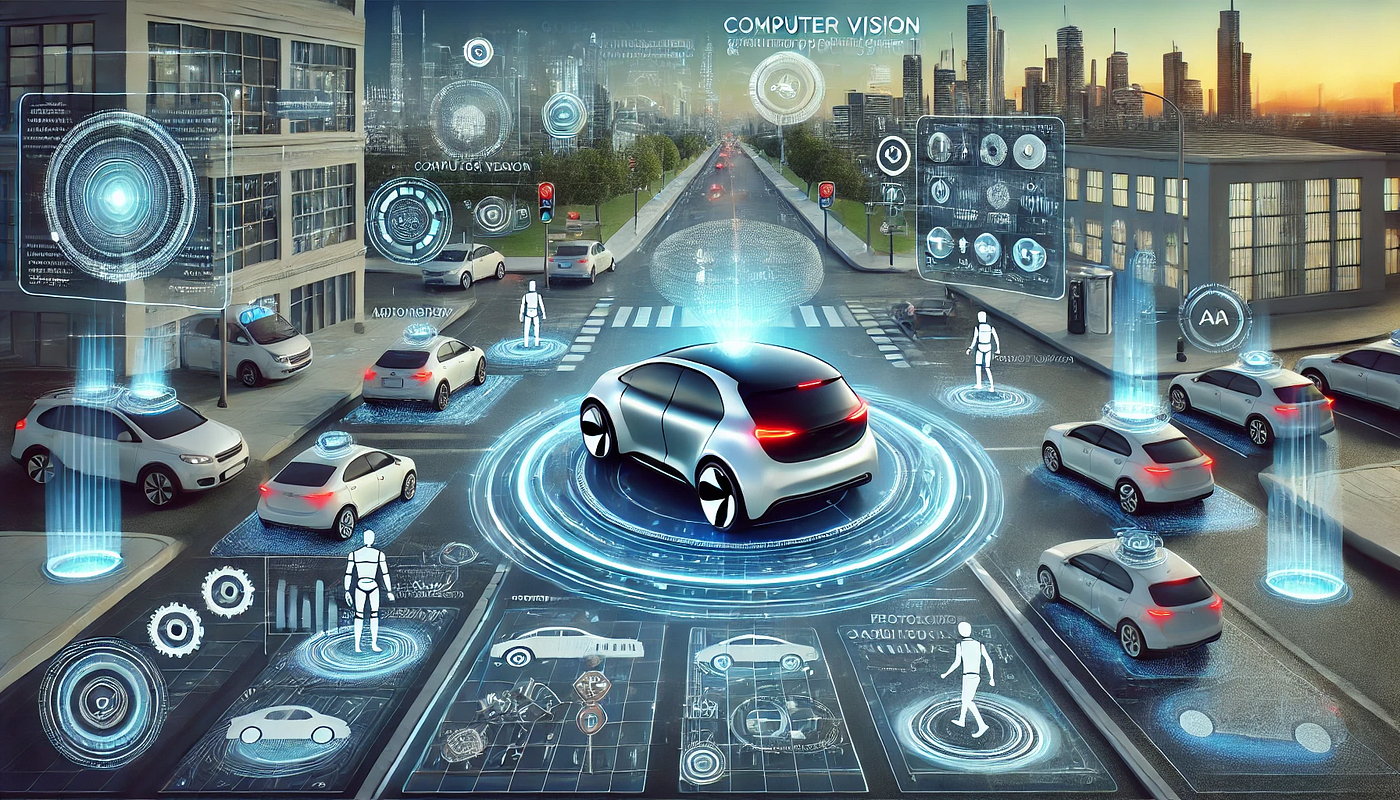
Neural Networks in the Automotive Sector
The automotive industry is experiencing a transformative wave powered by neural networks. As machines become capable of learning and evolving through experience, the implications for vehicle operation and manufacturing techniques are profound and far-reaching. This technological advancement simultaneously enhances vehicle performance and improves production processes, creating a new narrative in automotive history.
The application of neural networks in the automotive sector spans a variety of practical and innovative areas:
- Autonomous Driving: Modern vehicles are equipped with sophisticated sensors and cameras, allowing them to analyze real-time data on their environment. These systems use neural networks to make instantaneous decisions, such as adjusting speed or changing lanes, significantly enhancing safety and efficiency on the roads. For instance, companies like Waymo and Tesla have developed self-driving technology that includes algorithms capable of processing vast amounts of input data to navigate various driving conditions and scenarios. This promises not only increased safety but also the potential to reduce traffic congestion as autonomous vehicles communicate with one another.
- Predictive Maintenance: One groundbreaking application of neural networks involves predictive maintenance. By utilizing advanced sensors, vehicles gather crucial operational data—the kind of information that, when analyzed, can predict mechanical failures before they happen. This capability allows for timely interventions, thereby minimizing downtime and repair costs. An example of this can be seen in companies like General Motors that use onboard diagnostic systems to provide feedback to drivers about needed repairs or maintenance well before issues arise.
- Smart Manufacturing: In the realm of production, manufacturers are leveraging machine learning to streamline operations. Factories are increasingly adopting AI-powered systems that analyze workflows and optimize production schedules. This not only increases efficiency but also significantly reduces waste. For example, Toyota has implemented machine learning models to forecast material requirements more accurately, ultimately leading to a reduction in surplus inventory and better resource management.
As these technologies continue to develop, the competition among automotive manufacturers is intensifying. Giants like Tesla invest massively in research and development to enhance features in their vehicles, such as the sophisticated autopilot system that relies heavily on deep learning. Meanwhile, Ford integrates AI across its manufacturing lines to enhance precision and reduce errors, ensuring quality control in every vehicle produced.
Despite these advancements, challenges remain. Ethical considerations revolve around data usage and the implications of artificial intelligence in decision-making processes. Furthermore, the automotive sector must address cybersecurity concerns, as increased connectivity in vehicles exposes them to potential vulnerabilities. Stakeholders, from engineers crafting these technologies to consumers embracing them, must navigate this complex landscape carefully and thoughtfully.
This exploration of neural networks highlights not only their capabilities in enhancing driving experiences but also their transformative impact on manufacturing paradigms, marking a critical juncture in the evolution of the automotive industry.
DISCOVER MORE: Click here to delve deeper
Revolutionizing Autonomous Driving
At the forefront of the application of neural networks in the automotive industry is autonomous driving technology. Vehicles equipped with advanced neural network algorithms can analyze complex datasets from their environment, including traffic patterns, obstacles, and road conditions, in real-time. This capability allows them to navigate roads with levels of precision and safety that were previously unimaginable.
Leading companies such as Waymo and Tesla are spearheading this revolution. By harnessing the power of deep learning, these innovators have developed self-driving systems that do not merely react but instead predict and adapt to their surroundings. For instance, Tesla’s Autopilot relies on a sophisticated neural network that processes an array of inputs from sensors and cameras to make split-second decisions, optimizing the driving experience while enhancing safety. With continued advancements, these technologies promise to reduce not only accidents but also traffic congestion, as vehicles could soon communicate to coordinate movement seamlessly.
Enhancing Predictive Maintenance
Beyond autonomous driving, neural networks are effecting significant change in vehicle maintenance practices through the implementation of predictive maintenance. Traditional maintenance schedules often lead to unnecessary checks and potential downtime. However, with the deployment of machine learning algorithms, vehicles can analyze their operational data to anticipate mechanical issues before they lead to failure.
- Data Collection: Modern vehicles are outfitted with numerous sensors that continuously gather data regarding engine performance, fluid levels, and other essential parameters.
- Analysis and Insights: Neural networks analyze this data, identifying patterns that may indicate impending issues, enabling manufacturers to proactively address potential failures.
- Cost Efficiency: Companies like General Motors are utilizing these insights to deliver timely maintenance notifications, significantly lowering repair costs and minimizing the likelihood of unexpected breakdowns.
Such innovations not only assist drivers in avoiding costly repairs but also enhance the overall longevity of vehicles, making them more reliable and efficient. As the automotive industry grows increasingly competitive, brands that effectively implement predictive maintenance strategies are gaining a clear advantage.
Reshaping Smart Manufacturing
The influence of neural networks extends into smart manufacturing, where the automotive production process undergoes a substantial transformation. Traditional manufacturing methods prioritize efficiency based on fixed schedules and output rates. However, with the integration of neural network-driven systems, manufacturers are redefining their operational capabilities.
For instance, automotive giant Toyota leverages machine learning models to enhance production efficiency. By accurately forecasting material requirements, the company can reduce excess inventory and streamline resource management. This leads to optimized performance across various stages of production, resulting in lower costs and quicker turnaround times.
As the industry embraces these advanced technologies, it becomes evident that the impact of neural networks transcends mere enhancements to driving experiences. The profound implications for both autonomous driving and smart manufacturing mark a pivotal change in how cars are built and operated, setting the stage for a new era in the automotive world.
| Category 1 | Category 2 |
|---|---|
| Autonomous Driving Systems | Utilize advanced deep learning to enhance vehicle perception and decision-making. |
| Manufacturing Efficiency | Neural networks analyze data for optimizing production lines, reducing waste. |
| Predictive Maintenance | AI forecasts malfunctions and schedules maintenance proactively. |
| Enhanced Safety Features | Machine learning improves safety systems to mitigate accidents. |
As the automotive industry rapidly evolves, the role of neural networks is becoming increasingly critical. One of the most visible applications is in autonomous driving systems, where advanced deep learning algorithms process an immense amount of data from various sensors to enhance vehicle perception and ensure safe navigation in complex environments. This not only allows for better decision-making but also increases the efficiency of routing and obstacle avoidance.Manufacturing processes also benefit greatly from neural networks, as they enable significant improvements in manufacturing efficiency. By analyzing production line data, AI can optimize workflows, reduce waste, and predict supply chain disruptions, making operations smarter and more agile.Additionally, predictive maintenance is revolutionizing how vehicle maintenance is approached. AI systems can forecast potential malfunctions based on real-time data analysis, allowing for timely servicing that can save both time and money.Safety is another paramount consideration, and machine learning models are being designed to continually improve safety features, thereby reducing the likelihood of accidents. These applications exemplify the profound impact of neural networks on the automotive sector, prompting intrigued readers to explore further into how this technology shapes their daily drives.
DISCOVER MORE: Click here to delve into the ethical and security challenges
Driving Innovation in Vehicle Design
Neural networks are not only revolutionizing how vehicles operate but also how they are designed and manufactured. As automotive manufacturers strive to introduce enhanced models and innovative features, they are increasingly utilizing machine learning techniques to analyze consumer preferences and design trends. This data-driven approach enables companies to tailor their offerings to meet evolving market demands effectively.
Brands like Ford have begun implementing neural network algorithms to gather and process large datasets from customer feedback, social media, and market analysis. This wealth of information can inform decisions on everything from aesthetic choices to technological features. By anticipating consumer interests, Ford can develop vehicles that resonate with buyers, ultimately boosting sales and loyalty.
Optimizing Safety Features
Additionally, the automotive sector is leveraging neural networks to enhance safety features. Through sophisticated algorithms, manufacturers can simulate various crash scenarios during the design phase, ensuring that vehicles meet rigorous safety standards before they ever hit the road.
- Simulation and Testing: Companies such as Volvo are incorporating neural networks into their crash testing protocols, allowing engineers to create more accurate simulations of real-life crash scenarios. This not only saves time in the development process but also leads to improved safety designs that significantly reduce the risk of injury or fatalities.
- Driver Assistance Systems: Neural networks also empower the development of advanced driver assistance systems (ADAS). These systems, which include features like lane-keeping assistance and adaptive cruise control, are increasingly being integrated into new models to promote safer driving experiences. Data from neural networks can help these systems learn and improve from each driving instance, adapting to changing road conditions and driver behavior.
Fueling Sustainability Efforts
The impact of neural networks also extends to sustainability initiatives within the automotive industry. Electric vehicles (EVs) are becoming a focal point of innovation, and neural networks play a vital role in managing their energy efficiency and battery management systems. Manufacturers are using predictive analytics to optimize battery life and charging cycles, ensuring that EVs not only perform better but also contribute to environmental sustainability.
Tesla, known for its commitment to sustainable energy, employs neural networks for its battery technology and charging stations. By analyzing data from a vast network of vehicles, Tesla can predict energy needs and suggest optimal charging times, thereby enhancing the user experience while minimizing the carbon footprint associated with driving and charging.
Redefining Supply Chain Management
Finally, neural networks are reshaping supply chain management in the automotive industry. As production becomes increasingly globalized, companies are turning to advanced algorithms to mitigate risks associated with supply chain disruptions. These systems can forecast demand fluctuations, optimize inventory levels, and identify potential delays in real-time.
- Predictive Analytics: BMW is utilizing neural networks to improve its global supply chain logistics. By predicting potential bottlenecks in production, BMW can reorganize shipping routes and rethink resource allocation, saving time and costs while maintaining production continuity.
- Real-Time Monitoring: The incorporation of neural networks allows for constant monitoring of supplies, enabling manufacturers to react swiftly to changes in demand or supply while enhancing overall efficiency.
The integration of neural networks across various facets of the automotive industry marks not just a trend but a transformative evolution, heralding a future where vehicles are safer, smarter, and more aligned with consumer needs and environmental goals.
DISCOVER MORE: Click here to learn about the future of data analysis
Conclusion
As we stand on the cusp of a new era in the automotive industry, the impact of neural networks cannot be overstated. From the intricate algorithms powering autonomous driving systems to the sophisticated analytics revolutionizing smart manufacturing, neural networks are redefining what is possible in vehicle technology and production processes. The ability to harness vast datasets allows manufacturers to not only create vehicles that meet the diverse needs of consumers but also to innovate in ways that enhance safety and promote sustainability.
Moreover, the integration of these advanced technologies into supply chain management underscores a shift toward operational efficiency that resonates with manufacturers aiming for resilience in an increasingly unpredictable global landscape. Brands like Tesla and BMW are leading by example, showcasing how data-driven approaches can optimize everything from battery performance in electric vehicles to logistics in production lines.
This evolution brings exciting prospects for the future of transportation. However, the journey does not end here; the automotive industry must continue to leverage advancements in machine learning to address imminent challenges, including data security and ethical considerations surrounding automated systems. As neural networks continue to fuel innovations, stakeholders across the industry must collaborate to ensure a future that not only promotes technological advancement but also prioritizes safety, sustainability, and consumer trust.
In conclusion, the blend of neural networks with automotive technology marks a pivotal transition towards a smarter, more responsive industry. It beckons you to stay curious and engaged as this transformative wave unfolds, leading to vehicles that are not only efficient and safe but also aligned with a vision for a sustainable future.


 Linda Carter