
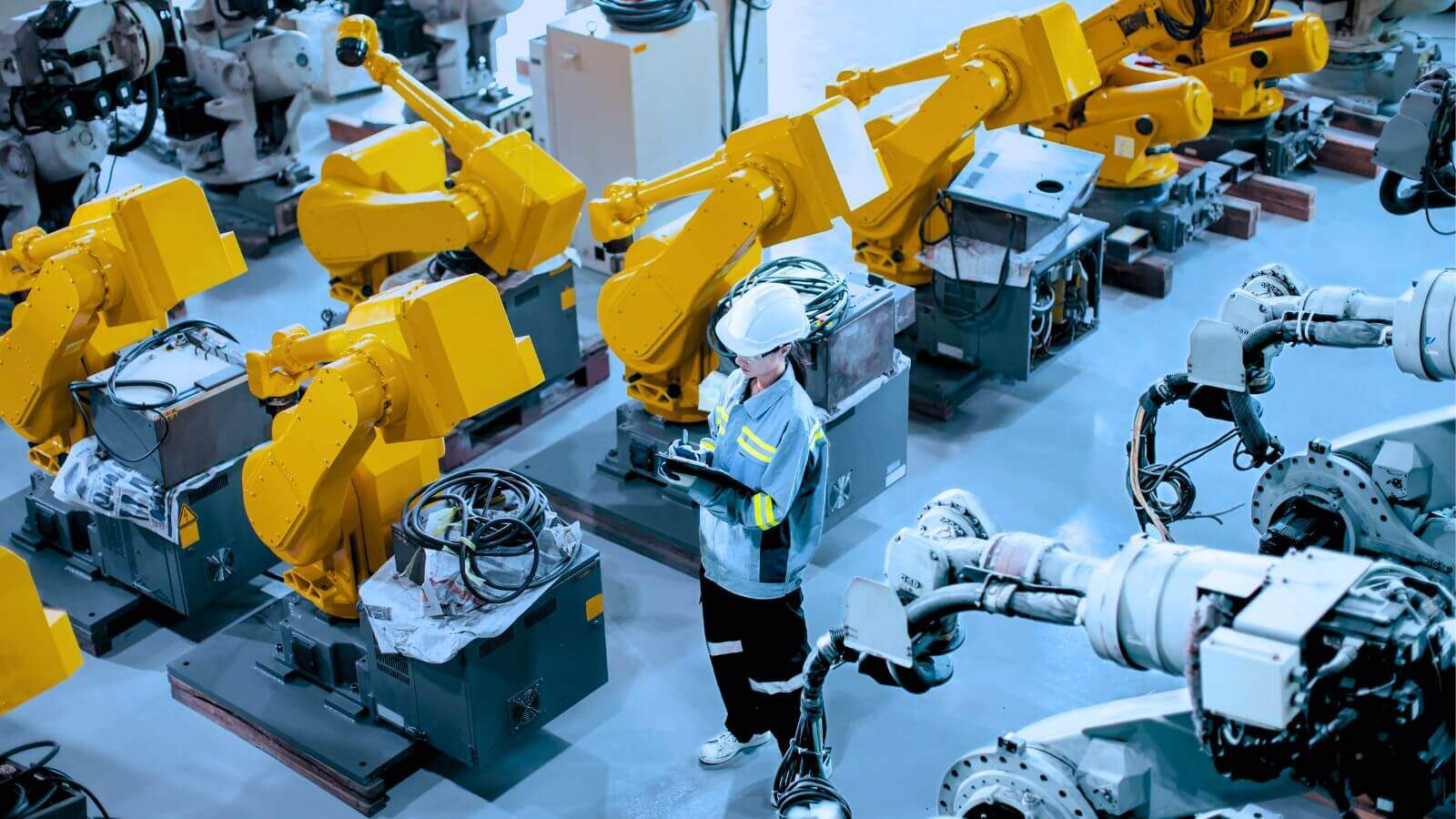
Revolutionizing Manufacturing Processes
The landscape of manufacturing is undergoing a monumental shift, driven by the convergence of artificial intelligence (AI) and automation systems. This dynamic integration is not merely a trend; it represents a fundamental transformation in how industries operate, leading to unprecedented levels of efficiency and productivity. The adoption of these technologies is essential for manufacturers aiming to maintain a competitive edge in an increasingly globalized market.
One of the standout applications of AI in manufacturing is predictive maintenance. This innovative approach relies on smart diagnostics to anticipate equipment failures before they happen. For instance, by using sensors that monitor machine performance in real-time, companies can gather data that might indicate potential breakdowns. A machine that typically operates at a certain temperature, for example, might signal a problem if it begins to exceed that threshold. By addressing issues proactively, manufacturers can significantly reduce costly downtimes that typically disrupt production schedules, ultimately resulting in significant cost savings.
Quality control is another critical area where AI is making significant strides. Traditional quality assurance processes often rely on manual inspection, which can be time-consuming and prone to human error. In contrast, AI-powered systems utilize machine learning algorithms to conduct real-time monitoring of production lines. For example, in the automotive industry, AI can detect minute defects in car parts that may go unnoticed by the human eye, ensuring a consistent and high-standard output. This capability not only enhances product quality but also builds consumer trust and brand reputation.
Furthermore, the optimization of supply chains through AI is revolutionizing logistics. By analyzing data from various sources, including suppliers, market demand, and transportation networks, AI can forecast inventory needs with incredible precision. This kind of intelligence allows manufacturers to optimize resource allocation, minimize waste, and significantly lower operational costs. Companies such as Amazon are already leading this charge, employing AI to ensure that products are sourced and delivered in the most efficient manner possible.
Data from a recent industry report reveals that U.S. manufacturers implementing AI-driven automation experience productivity increases averaging 30%. This adoption is not merely beneficial; it is becoming vital for those who wish to thrive amidst technological advancements and rising consumer expectations.
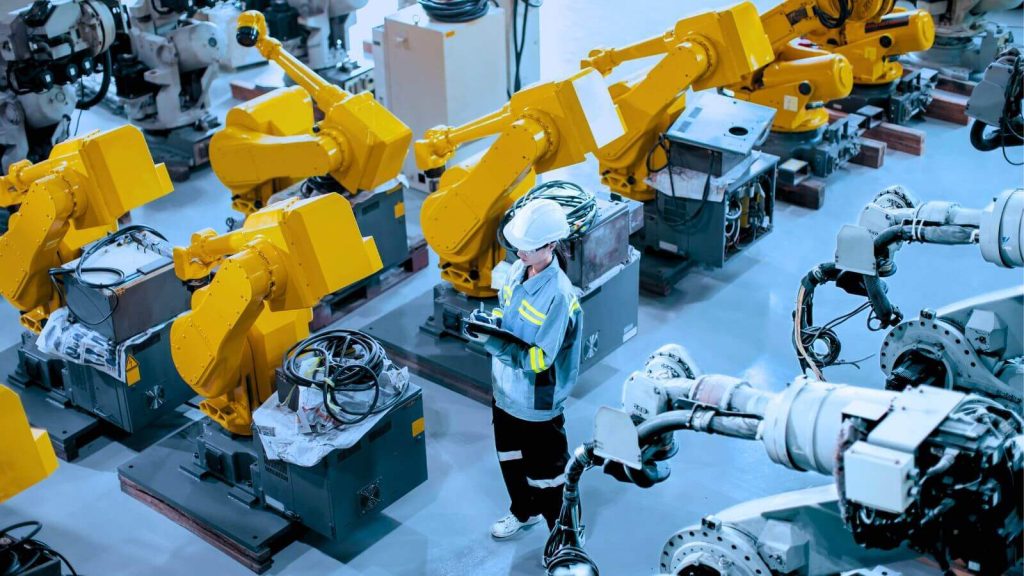
As we investigate further, it becomes clear that integrating AI with automation is not limited to improving operational efficiency; it also transforms workforce dynamics and decision-making processes. With machines handling repetitive tasks, human roles are evolving toward more analytical and strategic responsibilities. This shift is empowering employees to focus on innovation and creative problem-solving, positioning industries for a robust, competitive future.
The emergence of smarter factories, enabled by AI and automation, heralds a new era in manufacturing. As this evolution unfolds, it reshapes not only the production landscape but also the workforce itself, offering a glimpse into the potential of industrial development in the 21st century. The question is not if companies will adapt but rather how quickly they will embrace these transformative technologies.
DISCOVER MORE: Click here to delve deeper
Transforming Operational Efficiency
The integration of AI with automation systems is proving to be a game-changer in enhancing efficiency throughout the manufacturing sector. This convergence not only streamlines operations but also introduces new capabilities, allowing for smarter decision-making and responsiveness to market demands. As industries embrace these advancements, the ability to adapt to changing circumstances and improve overall productivity becomes paramount.
At the heart of this transformation is the concept of smart manufacturing. Smart manufacturing employs interconnected systems and data analytics to optimize production processes. By leveraging AI-driven automation systems, manufacturers can enhance the quality of their products while simultaneously reducing waste. For example, the implementation of robotic process automation (RPA) in assembly lines enables precision and speed, ensuring that tasks are executed flawlessly and at a rapid pace.
One of the most significant benefits of integrating AI into automation is the ability to process vast amounts of data. Modern manufacturing relies heavily on data from various sources, including equipment sensors, inventory levels, and customer feedback. AI algorithms can analyze this data swiftly, identifying patterns and suggesting actionable insights. This, in turn, empowers manufacturers to make informed decisions that can lead to improved efficiency. Here are a few ways AI contributes to operational enhancements:
- Dynamic Resource Allocation: AI systems can allocate resources intelligently, ensuring optimal use of machines and labor, thus avoiding bottlenecks.
- Enhanced Production Planning: By predicting demand fluctuations and adjusting production schedules, companies can better align their output with market needs.
- Energy Efficiency: AI can regulate machinery settings based on real-time energy consumption statistics, assisting manufacturers in minimizing energy costs.
The increasing complexity of modern supply chains necessitates robust solutions that AI can provide. With the emergence of technologies such as the Internet of Things (IoT), manufacturers now have access to real-time data that can significantly influence operational strategies. This data-driven approach allows businesses to respond promptly to disturbances or changes in their supply chain, such as unexpected delays or inventory shortages. As a result, manufacturers can mitigate risks and maintain sustainability.
In a survey conducted by the Institute for Supply Management, 70% of manufacturers indicated that AI and automation have fundamentally improved their ability to react to changes within the market. This statistic underscores the value of embracing these technologies—companies that hesitate to adapt may risk falling behind in a fast-paced industrial landscape.
Beyond enhancing efficiency and responsiveness, integrating AI with automation also drives innovation. The ability to simulate various production scenarios using AI models allows manufacturers to test new concepts without the associated risks of real-time implementation. As this technology continues to evolve, it opens up new avenues for product design and operational practices, fostering a culture of continuous improvement within the manufacturing industry.
| Advantage | Description |
|---|---|
| Predictive Maintenance | AI can analyze equipment data to predict failures before they occur, enhancing the reliability of manufacturing processes. |
| Enhanced Production Scheduling | Optimization algorithms powered by AI allow for smarter scheduling, reducing downtime and maximizing resource utilization. |
| Quality Control | AI systems can identify defects in real-time, ensuring products meet quality standards and minimizing waste. |
| Real-Time Data Analytics | AI enables processing vast amounts of data instantly, providing insights that can lead to immediate improvements in production efficiency. |
The integration of AI with automation systems is revolutionizing the manufacturing sector by enhancing efficiency, reducing costs, and ensuring better quality control. For instance, through predictive maintenance, companies can avoid unexpected breakdowns and production delays, saving substantial amounts in operational expenses. Furthermore, advanced production scheduling powered by AI enables manufacturers to optimize workflows and use their resources more effectively. As the manufacturing landscape continues to evolve, embracing AI technologies will become a crucial factor for staying competitive and meeting growing market demands. The application of real-time data analytics not only empowers manufacturers to make informed decisions but also positions them to respond swiftly to changing market dynamics. Such transformative approaches signal a new era where integrated AI systems not only enhance efficiency but also foster innovation across the industry.
DIVE DEEPER: Click here to learn more
Innovating with Predictive Analytics
As the manufacturing landscape evolves, the role of predictive analytics within AI-driven automation systems cannot be overstated. Predictive analytics focuses on forecasting future events based on historical data, enabling manufacturers to anticipate equipment failures, optimize maintenance schedules, and ensure that production processes run smoothly. By integrating predictive analytics into their systems, manufacturers can shift from a reactive maintenance approach to a proactive one, drastically reducing downtime and extending the life of their machinery.
For instance, an automotive parts manufacturer utilizing AI and predictive maintenance technology can leverage sensor data from assembly line equipment. This data, when analyzed, can reveal potential wear and tear patterns and suggest preemptive repairs before a breakdown occurs. A study conducted by Purdue University found that companies employing predictive maintenance saw a reduction in maintenance costs of up to 25%, alongside a significant decrease in equipment downtime by more than 70%. This demonstrates the tangible benefits predictive analytics can offer in streamlining operations and reducing financial losses through smarter, data-driven decisions.
Enhanced Quality Control through AI Integration
Another critical advantage of melding AI with automation in manufacturing is the advancement of quality control processes. Traditional quality control methods involve manual inspections, which are often subject to human error and inconsistencies. By implementing AI-powered computer vision systems, manufacturers can enhance their quality assurance models. These systems can inspect products with impeccable accuracy, identifying defects at speeds unattainable by human inspectors.
Consider the textile industry, where intricate patterns and fabric quality are paramount. AI can inspect this intricacy, flagging irregularities in real-time. Companies utilizing such advanced inspection technologies have reported a reduction in defect rates by as much as 50%, which translates into lower waste levels and enhanced customer satisfaction. Furthermore, the continuous feedback loop established by AI technology allows manufacturers to evolve their production processes based on real-time data from inspections, promoting an agile manufacturing environment.
Supply Chain Optimization with AI
The integration of AI does not stop at the production line; it extends deep into supply chain management. Modern supply chains are intricate ecosystems that require precise coordination and real-time visibility. AI’s ability to analyze data across various touchpoints – from procurement to logistics – ensures that every stage of the supply chain is optimized. Machine learning algorithms can analyze historical shipment data to predict lead times, allowing manufacturers to effectively plan inventory levels and meet customer demands without overstocking or encountering shortages.
- Real-time Inventory Management: AI platforms can monitor stock levels in real-time and trigger automatic reordering processes when thresholds are met.
- Transportation Optimization: AI can determine the most efficient routes for logistics, taking into account traffic patterns and weather conditions to minimize transit times and costs.
- Supplier Collaboration: AI enables better communication with suppliers by streamlining ordering processes and ensuring all stakeholders have visibility into inventory levels and lead times.
In the realm of manufacturing, where competition is fierce, firms that harness the power of AI to automate and optimize their supply chain processes stand to gain a significant competitive edge. According to a report from McKinsey, companies that effectively leverage AI in their supply chain operations can expect efficiency gains of around 20% to 30%, highlighting the profound impact of these technological integrations.
Ultimately, the confluence of AI and automation systems not only reshapes the operational framework of manufacturing but also sets the stage for a future where continuous improvement and innovation become the hallmarks of the industry. As more companies begin to embrace this integrated approach, the potential for enhanced productivity and sustainable practices grows exponentially.
DIVE DEEPER: Click here to uncover the evolution of data analysis techniques
Conclusion: The Future of Manufacturing through AI and Automation
As we have explored, the integration of AI with automation systems in manufacturing is not merely a trend; it is a transformative movement redefining the industry’s operational landscape. By leveraging technologies such as predictive analytics, manufacturers can forecast equipment issues and implement proactive strategies that significantly reduce downtime and maintenance costs. These advancements herald a new era where businesses transition from reactive to proactive management, enhancing overall productivity.
Moreover, the enhancement of quality control processes through AI enables firms to achieve unprecedented accuracy in product inspections, thereby minimizing defects and maximizing customer satisfaction. The ability of AI to analyze and adapt to real-time data unlocks a level of agility that traditional processes simply cannot match.
Furthermore, the unprecedented capabilities of AI in supply chain management streamline operations, optimize inventory, and ensure efficient logistics. As companies focus on these integrations, they stand to realize efficiency gains that can achieve upwards of 30%, transforming their competitive positioning in an ever-evolving market.
In summary, the synthesis of AI and automation not only promotes operational efficiency but also fosters a culture of continuous innovation. As manufacturers embrace this integrated approach, the doors are opened to sustainable practices and enhanced productivity, ensuring that they not only survive but thrive in the competitive global landscape. The future of manufacturing lies in this synergy, and the possibilities are as boundless as the technology itself. Companies that proactively invest in these advancements will undoubtedly lead the charge in the manufacturing revolution, setting new benchmarks for what is possible.


 Linda Carter