
The Evolution of Virtual Assistants
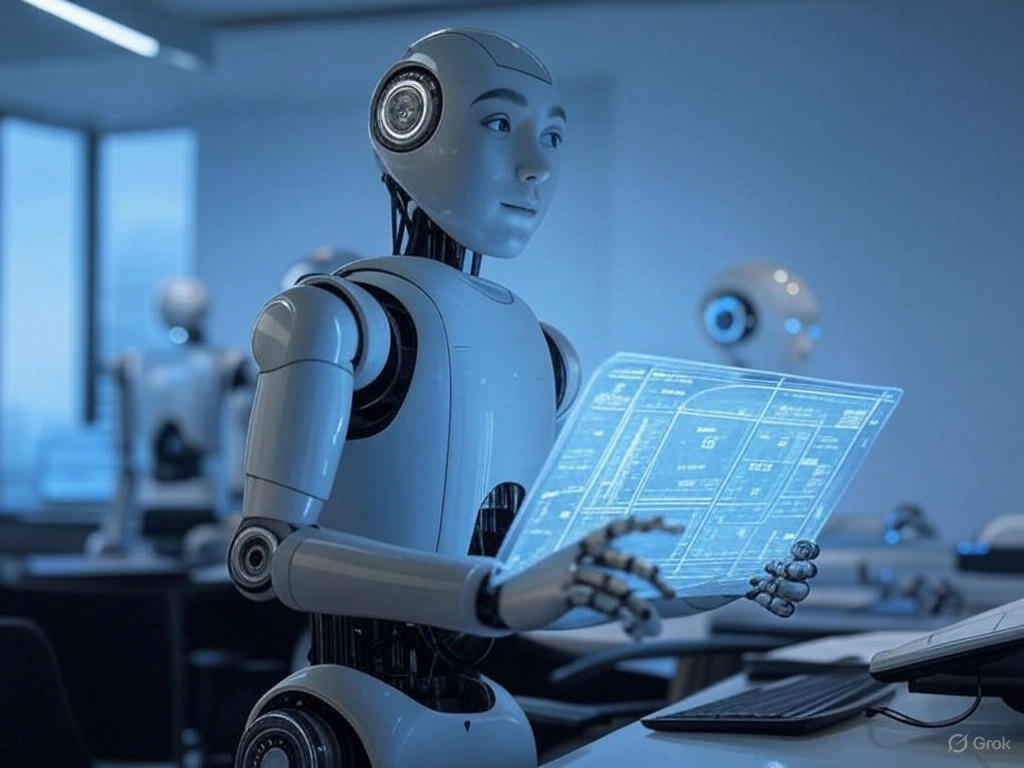
The introduction of virtual assistants has fundamentally reshaped how we engage with technology, making our interactions more intuitive and user-friendly. Whether it’s asking for weather updates, setting alarms, or managing schedules, these intelligent systems are woven into the fabric of our daily lives. Virtual assistants like Siri, Alexa, and Google Assistant have become household names, but their underlying mechanisms—the advancements in natural language processing (NLP)—merit a closer examination.
What is Natural Language Processing?
NLP encompasses a set of technologies designed to facilitate the interaction between humans and machines through natural language. By converting spoken or written input into a format that machines can understand, NLP enables virtual assistants to comprehend user commands, even when those commands feature slang, idioms, or complex phrasing. For instance, if a user asks, “What’s the weather like today?” the assistant’s NLP algorithms analyze the sentence structure, identify key phrases, and fetch the relevant information from a weather database.
Benefits of Virtual Assistants
- Increased Efficiency: Virtual assistants enhance user productivity by handling mundane tasks. They can schedule meetings, create to-do lists, send messages, and even manage smart home devices, providing users with more time to focus on what truly matters. Imagine being able to say, “Schedule a meeting with John tomorrow at 2 PM,” and having your assistant handle all the details seamlessly.
- Enhanced User Experience: By engaging users in a conversational manner, virtual assistants create a more natural interaction. Users can easily ask follow-up questions or give commands in a fluid way, making the experience feel more personalized. For example, if a user asks, “Play some jazz,” and later follows up with, “Turn it up,” the assistant understands the context and responds appropriately.
- Accessibility: For individuals with disabilities, virtual assistants provide vital support. Voice recognition technology can offer alternatives to physical interfaces, enabling a broader range of users to access technology independently. For instance, a person with mobility impairments may find it easier to control their environment through voice commands rather than manual adjustments.
Challenges and Considerations
Despite the many advantages, the rise of virtual assistants invites important questions about privacy and security. Given that these systems constantly listen for commands, concerns about unauthorized access and data misuse have arisen. Additionally, reliance on voice recognition raises issues concerning dialects and accents, as some users may find that their speech patterns are not adequately recognized.
As we dissect the mechanics behind virtual assistants, it becomes clear that balancing efficiency with user safety is a pressing concern. The conversation in tech circles is evolving, and the implications for human-machine interaction continue to be significant. Understanding these dynamics can lead to improved designs and development strategies that honor both innovation and user trust.
As we look to the future, the trajectory of virtual assistants promises to be dynamic. With advancements in machine learning and linguistic comprehension, the potential exists for even more sophisticated interactions. Users may find themselves asking not just for information or reminders, but for personalized insights based on their preferences and behaviors—an exciting frontier in technology that invites us all to stay informed and engaged.
DON’T MISS: Click here to discover more
The Impact of Natural Language Processing on User Interaction
As virtual assistants continue to permeate various aspects of our lives, the backbone of their functionality lies in Natural Language Processing (NLP). This technological marvel has not only made human-machine interaction seamless but also opened avenues for personalized and responsive user experiences. NLP identifies, interprets, and produces human language in a way that feels intuitively natural to the user, allowing for a smooth dialogue with machines.
Transformative Features of NLP in Virtual Assistants
The capabilities that NLP brings to virtual assistants are transformative. By leveraging algorithms that analyze syntax, semantics, and context, these systems can engage in complex conversations with users. Here are a few standout features:
- Contextual Understanding: Modern virtual assistants can hold context over multiple interactions, allowing them to provide relevant follow-up responses. For example, if a user says, “Set a timer for 10 minutes,” and subsequently requests, “What time is that?” the assistant can reference the previous command and calculate the accurate time.
- Sentiment Analysis: Some advanced NLP systems can gauge the sentiment behind user requests, identifying emotions such as frustration or enthusiasm. This capability allows virtual assistants to tailor responses based on the user’s emotional state, potentially improving user satisfaction. For instance, if a user expresses frustration with a repeated task, the assistant may offer alternative solutions or shortcuts.
- Language Localization: With the diversity of language and dialects across the United States, NLP systems are being fine-tuned to understand various accents and regional slang. This adaptability broadens accessibility, making it easier for a wider range of users to engage with technology without feeling alienated by language barriers.
- Personalization: Advanced NLP can track user preferences over time, allowing virtual assistants to offer tailored recommendations. For instance, if a user frequently requests local pizza places, the assistant can proactively suggest nearby pizzerias when the user indicates hunger.
The compelling integration of NLP into virtual assistants has shifted the paradigm of human-machine interaction, enabling a level of engagement that was previously unimaginable. As we continue to explore the capabilities of these systems, it becomes evident that the potential for more profound connections between humans and machines is expanding rapidly.
The Future of NLP in Virtual Assistants
Looking ahead, the ongoing refinement of NLP technologies is likely to yield even more sophisticated conversational abilities. As machine learning techniques evolve, virtual assistants may soon exhibit not just reactive capabilities but proactive behavior, anticipating user needs before they are explicitly stated. Imagine a digital assistant that tracks your schedule and suggests an optimal time for a break or even reminds you about an upcoming appointment based on contextual clues. This future of human-machine interaction promises to deepen the relationship between users and technology, paving the way for an era in which virtual assistants become indispensable allies in our daily lives.
| Advantages | Impact on Users |
|---|---|
| Enhanced Communication | Natural language processing allows users to interact with devices in a more intuitive and human-like manner. |
| Accessibility | Makes technology more accessible to individuals with disabilities, enhancing user experience significantly. |
| Increased Efficiency | Speeds up task completion by allowing users to use voice commands instead of manual input. |
| Personalization | Virtual assistants learn and adapt to user preferences, providing tailored experiences. |
Natural Language Processing (NLP) plays a critical role in enhancing human-machine interaction, fundamentally transforming how users engage with their devices. By enabling machines to comprehend and respond to natural language inputs, NLP creates an interface that feels more familiar to people. This accessibility is particularly beneficial for those with disabilities, helping them navigate technology with greater ease. The efficiency gained through voice commands further streamlines user tasks, replacing traditional typing with seamless verbal communication.Moreover, the ability of virtual assistants to learn from user interactions introduces a level of personalization that enhances user satisfaction. As these systems evolve, they become increasingly adept at predicting user needs and providing appropriate responses, enriching the overall experience. Virtual assistants thus not only improve task efficiency but also foster a more engaging and user-friendly environment in technology.
DIVE DEEPER: Click here to discover more
Enhancing User Experience through Intelligent Dialogue
The realm of virtual assistants is evolving at a breathtaking pace, with users beginning to expect more than just transactional interactions. Natural Language Processing (NLP) is fundamentally reshaping the way users communicate with these digital companions, fostering a more engaging and interactive experience. By mimicking the nuances of human conversation, NLP not only facilitates understanding but also enhances emotional connections between users and machines.
Dialog Management and Multi-Turn Conversations
One of the most intriguing aspects of NLP in virtual assistants is the development of advanced dialog management systems. These systems control the flow of conversation, keeping track of topics and the stakeholders involved. With the ability to manage multi-turn conversations, virtual assistants can engage in deeper dialogues similar to human exchanges. For instance, consider a user initiating a conversation with, “Find me a good Italian restaurant.” A sophisticated assistant will not only comprehend the request but may ask follow-up questions like, “Are you looking for somewhere that offers outdoor seating?” This back-and-forth allows for a rich dialogue that can fulfill user needs more effectively, capturing subtleties that a simple query-response format cannot.
Voice Recognition and Interaction
Another pivotal advancement in NLP technology is voice recognition. Virtual assistants such as Siri, Alexa, and Google Assistant employ cutting-edge speech recognition algorithms which convert spoken language into actionable data. Recent developments in speech-to-text technology have significantly improved accuracy, enabling the assistant to comprehend commands even in noisy environments or from users with strong accents. For example, an assistant’s ability to hear and decipher a request like, “Play today’s top hits on Spotify,” streamlines user interaction and encourages reliance on the technology for daily tasks. Furthermore, this vocal interface often feels more natural and user-friendly, promoting inclusivity for users who may struggle with typing or reading.
Ethical Considerations in Natural Language Processing
While NLP brings a wealth of advantages, it also raises important ethical considerations. The potential for bias in language models can limit effectiveness and create issues for users who may not fit the predetermined categories of speech. For instance, if a virtual assistant misinterprets Southern American English or Hispanic dialects, it can lead to frustration and alienation. Efforts are ongoing in the tech industry to create more inclusive language models that accurately reflect the nuances of diverse speech patterns. Promoting fairness and accessibility in virtual assistant interactions is crucial for ensuring that every user feels understood and valued.
Integration with Other Technologies
NLP’s integration with other technologies, such as machine learning and robotics, presents exciting opportunities for enhancing human-machine communication. Imagine a virtual assistant that not only understands your commands but can also control a range of devices—from smart home appliances to autonomous vehicles—based on conversational context. For example, with an intuitive command like, “Dim the living room lights and start the movie,” the assistant would interact with a variety of interconnected systems, showcasing seamless automation that relies on an intricate understanding of user intent.
As we continue to witness the progression of natural language in virtual assistants, it is clear that these technologies hold limitless potential for enriching our interactions with machines, making the impossible seem possible. The coming years will reveal how innovative applications can enable even more profound connections between humans and machines, enhancing user satisfaction and redefining convenience in daily life.
DON’T MISS: Click here to discover future trends
Rethinking Human-Machine Interaction
As we delve into the transformative journey of human-machine interaction, the impact of Natural Language Processing (NLP) in virtual assistants is becoming increasingly evident. This technology is no longer a mere facilitator of basic commands; it now plays a crucial role in creating intuitive, engaging dialogues that mirror human interaction. Enhanced dialog management systems are empowering virtual assistants to conduct multi-turn conversations that allow for personalized experiences, which in turn fosters stronger emotional connections with users.
Moreover, advancements in voice recognition have further stripped away barriers to interaction, making technology more accessible to a diverse range of users. The seamless interface between spoken commands and actionable responses has propelled the reliance on virtual assistants for daily tasks, suggesting that voice may soon become the primary mode of human-machine communication.
However, as we embrace the benefits of NLP, we must remain vigilant about the ethical implications surrounding bias and inclusivity. The future of virtual assistants hinges on our ability to develop systems that recognize and respect the rich tapestry of human speech. By prioritizing fairness and accessibility, we can ensure that these technologies serve every individual effectively.
Ultimately, the journey of integrating NLP into virtual assistants is just beginning. As these innovations unfold, they promise to enhance the way we connect with technology, paving the way for a future where human intuition and machine intelligence coexist harmoniously. Exploring these advancements can open avenues for even deeper engagement and satisfaction, fundamentally reshaping our daily interactions with the digital world.


 Linda Carter