
Understanding the Ethical Dimensions of AI Text Generation
The rapid advancement of artificial intelligence (AI) has introduced spectacular capabilities in text generation, crafting coherent and contextually relevant narratives that rival those of human writers. However, this evolution does not come without its share of ethical dilemmas. As these AI tools become more integrated into industries such as journalism, marketing, and content creation, it is crucial to examine the underlying concerns that shape our understanding of authenticity, attribution, bias, and disinformation.
Authenticity: Challenging the Notion of Originality
Authenticity is a pivotal issue at the heart of AI-generated content. When an AI program generates a piece of text, one must question whether this output can truly be classified as original work. For instance, consider a novel created by an AI—a collection of sentences that mimic human writing styles. Is this a new literary work, or merely a sophisticated rehashing of existing content? As the debate unfolds, experts are divided. Some argue that true originality can only arise from conscious thought and experience, concepts that AI lacks. However, others posit that if an AI effectively produces unique combinations of language, it can indeed create “original” text, thus challenging our pre-conceived notions of authorship.
Attribution: Ownership of AI-Generated Content
The question of attribution focuses on the ownership of text produced by AI. If a marketing agency uses AI to draft a blog post, should they claim full credit, or should the technology be recognized as a co-author? This issue gains further complexity when one considers copyright laws that were drafted long before AI became a significant player in content creation. In recent years, some U.S. courts have begun to explore these implications, suggesting that the traditional models of authorship need reevaluation in light of AI contributions.
Bias: Influences on AI Outputs
Another pressing concern is bias. AI models learn from vast datasets drawn from human writing, which may contain inherent prejudices reflecting societal inequalities. The risk here is substantial; an AI text generator could unknowingly perpetuate stereotypes or amplify misinformation, simply by mirroring the biases present in its training dataset. For instance, if an AI trained predominantly on white, middle-class perspectives generates content for a diverse audience, the result may not accurately represent or respect the experiences of marginalized communities.
Disinformation: The Dark Side of AI
The potential for disinformation is another critical concern. Sophisticated AI tools can generate convincing fake news articles, misleading social media posts, and deceptive narratives with minimal human oversight. The use of such technologies in political campaigns or social movements can create alarming repercussions, shaping public opinion based on distorted truths. Reports from various news outlets illustrate how deepfakes and manipulated texts have already begun to influence voter behavior, leading scholars and technologists to advocate for stringent regulations and awareness campaigns.
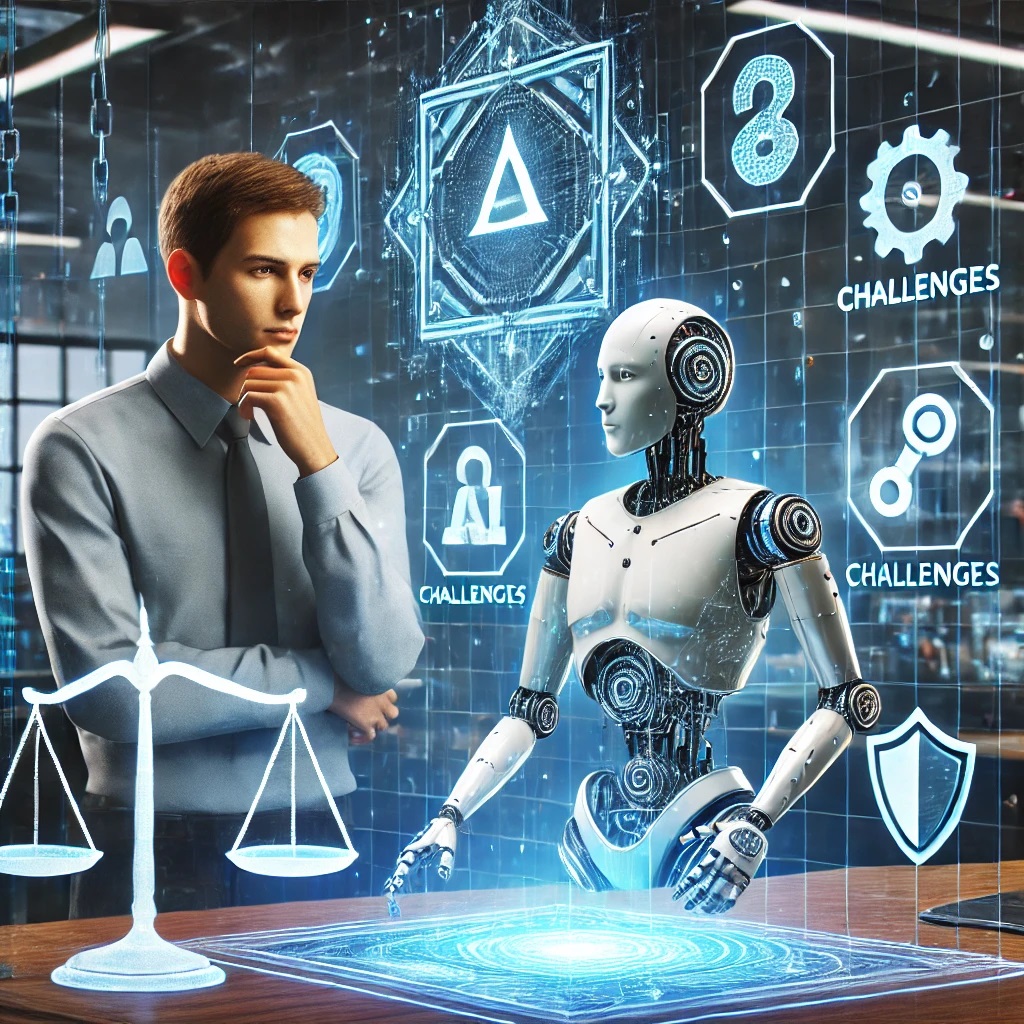
The Bright Side: Benefits of AI Text Generation
Despite these challenges, the potential benefits of AI-generated text cannot be overlooked. For example, many businesses have discovered that AI tools can significantly enhance productivity, allowing content creators to produce large volumes of material in a fraction of the time it would usually take. Tools like OpenAI’s ChatGPT have become invaluable for brainstorming, drafting, and editing documents, helping writers focus on more critical aspects of creativity.
Moreover, AI has the capacity to provide accessibility by tailoring content for diverse audiences. This means creating documents or narratives that can be easily understood by people with various educational backgrounds, languages, or abilities, ultimately bridging communication gaps.
Lastly, by inspiring new techniques and perspectives, AI can encourage creativity across disciplines. In fields ranging from marketing to literature, AI-generated suggestions can serve as springboards for human imagination, offering fresh insights that drive innovation in ways previously unimagined.
The interplay of these ethical dilemmas and benefits continues to shape the discourse surrounding AI text generation. As we navigate the complexities of technology, society must strike a delicate balance between leveraging the capabilities of AI and ensuring ethical standards that uphold our values and trust in communication.
DISCOVER MORE: Click here to learn about the impact of machine translation
Navigating the Ethical Landscape of AI in Text Generation
The surge in artificial intelligence capabilities unlocks new frontiers in text generation, yet it simultaneously raises significant ethical questions that challenge our understanding of creativity, integrity, and societal impact. Engaging deeply with these issues, we can begin to unravel the complexities surrounding AI-generated content and its implications for various stakeholders.
Maintaining Integrity: The Ethical Responsibility of Users
At the heart of the conversation about AI text generation lies the concept of integrity. As users of AI-generated content, individuals and organizations bear the ethical responsibility to ensure that these tools are used transparently and honestly. Failing to disclose that a piece of writing was generated by AI could mislead audiences, eroding trust in content—particularly in critical fields such as journalism or legal documentation. The stakes are high; misleading communication can distort public perception and undermine democratic processes.
Implications for Employment: The Human Factor
The rise of AI in text generation has ignited a heated debate regarding its impact on employment. On one hand, these technological advancements can lead to job displacement in professions reliant on writing, such as copywriting and journalism. Some industry experts project that automation could significantly reduce the demand for human writers. Conversely, there is an argument for the creation of new roles that could arise from a deeper integration of AI into the workplace. For instance, positions focused on overseeing AI output, ensuring quality control, and enhancing collaboration between humans and machines could emerge, thus preserving the human touch that is integral to effective communication.
Creating Responsible Guidelines: The Need for Governance
The rapid adoption of AI text generators underscores an urgent need for governance and regulatory frameworks. Policymakers and technology leaders must collaborate to establish ethical guidelines that govern the use of these increasingly powerful tools. Essential aspects for such governance include:
- Developing clear definitions of AI-generated content to enhance transparency.
- Establishing standards for citing AI contributions in various contexts.
- Implementing rigorous guidelines aimed at minimizing bias in AI training datasets.
- Pursuing accountability mechanisms for dissemination of AI-generated outputs that lead to misinformation.
In the absence of proper regulations, there is a risk that unprincipled actors could exploit the technology for unethical purposes, such as generating misleading content or engaging in the dissemination of propaganda.
Engaging the Public: Fostering Awareness and Critical Thinking
As AI text generation becomes ubiquitous, it becomes critical for the public to engage with the technology thoughtfully. Media literacy initiatives can empower individuals to scrutinize content critically, helping them discern between human-written and AI-generated materials. By fostering awareness of the limitations and capabilities of these technologies, society can mitigate the risks associated with misinformation and bias, promoting a more informed citizenry.
In conclusion, the ethical landscape of AI text generation is rich with challenges and possibilities that warrant careful examination. As technology evolves, striking a balance between leveraging its advantages and maintaining core ethical principles will be vital to nurturing a responsible and constructive digital environment. The responsibilities we assume today in navigating these ethical dimensions will ultimately shape the future of content creation in an AI-driven world.
The Ethics of Text Generation by Artificial Intelligence: Challenges and Possibilities
The emergence of text generation technologies powered by Artificial Intelligence (AI) calls for a critical examination of ethical implications that accompany their use. As we step deeper into an era defined by rapid advancements in AI, a multitude of challenges arise, particularly concerning misinformation, authorship, and societal impact.
One of the primary concerns is misinformation, as AI-generated text can often mimic reliable sources, leading to the potential spread of false narratives. This raises questions about the accountability of AI developers and users alike. How do we ensure that content created by AI does not contribute to the already overwhelming flood of misleading information? Ensuring accuracy and ethical standards in AI-generated content becomes paramount in addressing this challenge.
Furthermore, the issue of authorship remains contentious. AI-generated texts can obscure the boundaries of who owns the content, prompting discussions around copyright and intellectual property rights. As AI systems become increasingly adept at creating human-like text, we must consider if AI can be recognized as an author and, if so, what intellectual claims are applicable. This dilemma also brings into focus the role that humans play in reviewing and contextualizing the output produced by AI systems.
Additionally, the societal impact of using AI to generate text presents ethical questions regarding bias and discrimination. AI systems are trained on existing datasets, which may inadvertently perpetuate societal biases present in those datasets. This highlights the urgent need for diversity and inclusivity in the training data to ensure that the output reflects a broad spectrum of perspectives. The challenge, therefore, is to cultivate AI systems capable of producing equitable and non-discriminatory content.
Through these discussions, we embrace a pivotal opportunity to explore the possibilities that AI presents. The efficient generation of quality content can facilitate better communication, enhance creativity, and democratize information access. By embracing ethical frameworks and rigorously evaluating the implications of AI-generated text, we can harness its potential while mitigating the risks involved.
| Challenge | Implications |
|---|---|
| Misinformation | AI can create false narratives that may mislead users and propagate inaccuracies. |
| Authorship | Challenges surrounding copyright and intellectual property arise as AI mimics human authorship. |
| Bias and Discrimination | AI training datasets may perpetuate existing societal biases, thus affecting content quality. |
| Possibilities | Ethically guided AI can enhance creativity, improve communication, and democratize information sharing. |
As discussions continue, it is crucial to spotlight the ethical considerations as part of the broader narrative framing AI technologies. Engaging stakeholders from various sectors, including developers, ethicists, and users, is essential in shaping policies that steer AI development in a responsible direction.
DIVE DEEPER: Click here to learn how machine learning is transforming finance
Addressing Accountability and Copyright in AI-Generated Text
As we delve deeper into the ethical ramifications of AI-generated text, two pivotal issues emerge: accountability and copyright. These concerns raise critical questions regarding who should be held responsible for the content produced by artificial intelligence. In traditional publishing and content creation, a clear framework exists for accountability; however, this framework becomes murky when it involves AI.
The Question of Responsibility
In instances where AI-generated text perpetuates misinformation or harmful narratives, identifying the responsible party is increasingly complicated. Is it the developer of the AI software, the user who requested the content, or the AI itself? This is an unsolved dilemma that demands urgent attention. In the absence of explicit guidelines, users may inadvertently become complicit in the distribution of flawed or misleading information. To combat this issue, the establishment of a framework that assigns responsibility is crucial. This framework could involve a combination of liability for developers, users, and even the stakeholders who disseminate the content.
Copyright Complexities: Ownership of AI-Generated Content
The integration of AI into text generation also presents a significant challenge regarding copyright laws. Who owns the text produced by an AI? Current U.S. copyright law stipulates that works must have a human author to qualify for protection. This raises the question: do we need to revise existing legal structures to accommodate the unique properties of AI-generated content? As AI continues to evolve, clarity in copyright ownership will be essential to protect the interests of human creators while encouraging innovation in the field.
Facilitating Ethical Design in AI Development
The design of AI systems plays a critical role in shaping ethical outcomes. Developers must consider ethical design principles from the outset. This includes prioritizing transparency in how AI models are trained and the datasets they utilize. Ethical AI design also demands attention to potential biases that may emerge during the training process, which can inadvertently result in discriminatory or unfair outputs. Techniques such as diverse data sourcing and rigorous testing can generate more balanced AI-generated text, minimizing harmful implications for marginalized groups.
User Education: equipping Stakeholders with Knowledge
User education serves as a vital tool for promoting ethical use of AI text generation technologies. By providing guidance on the implications of using AI models, educational initiatives can empower users to make informed decisions about content generation. Training programs aimed at professionals in media, business, and academia should include components focused on understanding AI capabilities, ethical considerations, and the potential influence of textual outputs. By fostering an environment of collective responsibility, we encourage stakeholders to be vigilant in their interactions with AI-driven tools.
Exploring New Ethical Paradigms
As we advance into an era where AI-generated content becomes the norm, we may need to rethink existing ethical paradigms. Concepts such as co-creation, wherein human creators collaborate with AI, could transform how we perceive authorship and creativity. Understanding these dynamics may pave the way for innovative content forms and redefine the human-AI relationship in creative processes.
Thus, addressing accountability and copyright concerns in AI text generation is essential to ensure the technology can be harnessed ethically and responsibly. By investing in ethical design, fostering user education, and potentially revising legal frameworks, we can work toward a future where AI serves to enhance human creativity rather than undermine it. As such, the journey into the ethical dimensions of AI-generated text is just beginning, with the path holding both challenges to navigate and possibilities to explore.
DIVE DEEPER: Click here to discover more insights
Conclusion: Navigating the Ethical Landscape of AI-Generated Text
The landscape of AI-generated text brings a wealth of possibilities yet poses profound ethical challenges that demand our attention. As we reflect on the complex interplay of accountability, copyright, and ethical design, it becomes clear that a collaborative approach among developers, users, and policymakers is essential. By establishing clear guidelines for responsibility, we can address the potential pitfalls of misinformation and ensure that AI tools enhance rather than compromise the integrity of content creation.
Furthermore, the rapid advancements in technology necessitate the reevaluation of existing laws surrounding copyright. With the prospect of AI becoming a co-creator in the writing process, we must explore new legal frameworks that balance the protection of human authors and their intellectual property with the innovative contributions of AI. This evolution in legislation is crucial in fostering a creative ecosystem that recognizes and incentivizes all contributors.
Equipping users with the knowledge to engage ethically with AI tools is equally important. Educational initiatives can empower stakeholders to approach AI text generation with discernment, understanding the potential for bias and misuse. A well-informed community will be better positioned to leverage AI’s capabilities effectively and ethically.
As we move forward, embracing concepts of co-creation will challenge our traditional notions of authorship, inviting a dialogue on what it means to be creative in an era defined by technological advancements. The journey into the ethics of AI-generated text is not merely one of navigating challenges but also a unique opportunity to reimagine the future of storytelling and communication. By fostering an ethical and innovative approach, we can harness the power of AI to enrich our knowledge and creativity.


 Linda Carter