
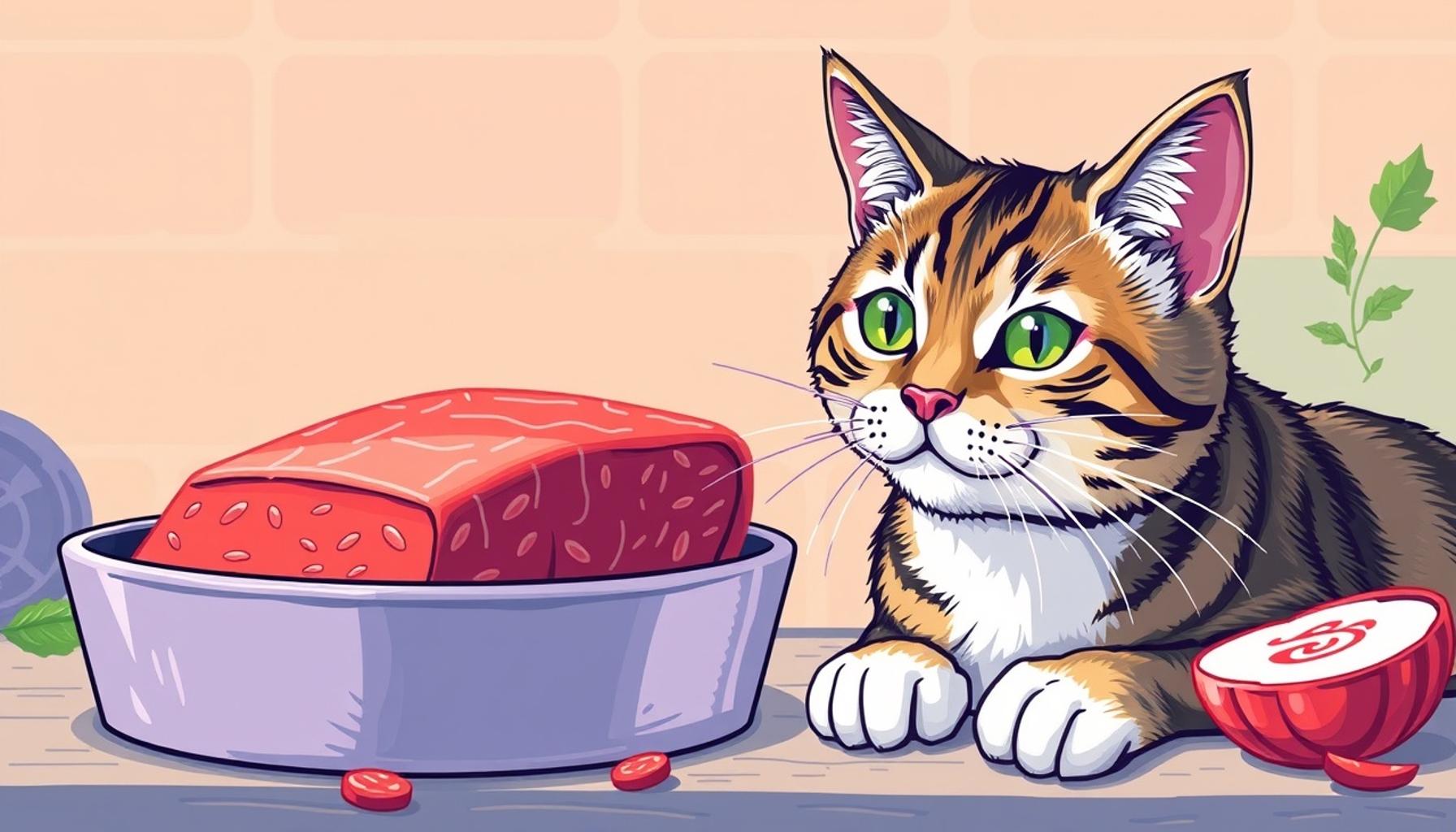
Understanding Your Cat’s Nutrition Needs
As a devoted cat owner, ensuring that your pet receives the best possible nutrition is a high priority. With discussions increasingly focusing on the merits of raw diets versus commercial cat food, it’s critical to delve into the advantages and drawbacks of both options. These choices directly influence your cat’s overall health, longevity, and quality of life.
When weighing your options, consider several essential factors that can significantly affect your feline friend’s wellbeing:
- Raw Diets: Proponents of raw feeding assert that it aligns closely with a cat’s natural instinct and evolutionary history, mimicking the diet of their wild ancestors. Raw diets typically include uncooked meat, organs, and bones, offering a rich source of protein and essential nutrients. For instance, many owners report improved coat health, increased energy levels, and better dental health for their cats on raw diets. However, there are potential pitfalls, such as the risk of bacterial contamination or imbalanced nutrient ratios if not properly formulated. It’s crucial to conduct thorough research or consult with a veterinarian before transitioning your pet to a raw food regimen.
- Commercial Food: The convenience of commercial cat food cannot be understated. These products are meticulously formulated to meet the nutritional guidelines set by the Association of American Feed Control Officials (AAFCO), which ensures a balanced diet for cats. Available in various flavors and formulations—wet, dry, grain-free, and even prescription diets—commercial food caters to cats with specific health needs. One example is the variety of specialized diets for weight management, feline urinary health, and more. For many owners, the ease of simply pouring into a bowl, knowing it meets dietary needs, is an appealing factor. However, it’s vital to scrutinize ingredient lists, as some brands incorporate fillers and artificial additives that may not benefit your cat.
- Health Implications: The choice of diet is linked to various health outcomes, including allergies, obesity, and conditions such as diabetes or kidney disease. For example, a high-carbohydrate commercial diet may contribute to obesity in certain cats, while a raw diet may help manage weight better due to higher protein content. Assessing your cat’s unique needs, age, activity level, and health status is crucial. Additionally, consider monitoring their body condition regularly and consulting with a veterinarian to ensure that their dietary needs are being met efficiently.
The decision between raw and commercial food should not be taken lightly. Each option presents distinct advantages that can profoundly impact your cat’s health. Are you pondering a shift to a raw diet based on the compelling benefits or finding comfort in the convenience of commercial products? As you navigate these choices, staying informed will empower you to make decisions that lead to a healthier, happier life for your feline companion.
In conclusion, taking the time to understand your cat’s unique nutritional requirements and the implications of your dietary choices is essential. Exploring the nuances of both raw and commercial diets can provide insights that ultimately guide you in providing the healthiest life possible for your beloved pet.
Exploring Raw Diets for Cats
As pet owners increasingly seek ways to enhance the health of their feline friends, raw diets have emerged as a popular alternative to traditional commercial cat food. A raw diet, often referred to as “barf” (biologically appropriate raw food), primarily consists of uncooked meat, organ meats, bones, and sometimes limited vegetables or supplements. The philosophy behind this approach is simple: it mimics the eating habits of a cat’s wild ancestors, who thrived on a diet of fresh prey.
Advocates of raw feeding argue that natural ingredients promote optimal health in cats. Raw diets are inherently high in protein, which aligns with a cat’s carnivorous nature. Many pet owners report seeing noticeable improvements in their cats’ coat condition, energy levels, and overall vitality. Additionally, the inclusion of raw bones may help maintain dental health by reducing plaque buildup through natural chewing.
However, transitioning a cat to a raw diet isn’t without its challenges. Owners must navigate several critical considerations:
- Risk of Pathogens: One of the most significant concerns when feeding a raw diet is the potential for bacterial contamination. Raw meat can harbor bacteria such as Salmonella or E. coli, which can cause serious illness in both cats and humans. It is crucial for pet owners to practice safe food handling and preparation to minimize these risks.
- Balanced Nutrition: An unbalanced raw diet can lead to nutritional deficiencies or excesses. Cats require a specific balance of nutrients, including taurine, an essential amino acid that is crucial for heart health. Failing to provide a complete and balanced diet can result in health issues over time.
- Consultation with Professionals: Given the complexities of formulating a balanced raw diet, it is often advisable for owners to seek guidance from veterinarians or pet nutritionists familiar with feline dietary needs. They can provide insights and recommendations to ensure that your cat is receiving appropriate nutrition.
The Case for Commercial Cat Food
On the other end of the spectrum lies commercial cat food, which offers a convenient and widely-accepted option for pet owners. Formulated to meet the nutritional guidelines set by organizations such as the Association of American Feed Control Officials (AAFCO), commercial foods are designed to provide a balanced diet for felines. These products are readily available and come in various forms, including dry kibble, wet canned food, and even specialty diets aimed at addressing specific health concerns.
One of the significant advantages of commercial food is the ease of use. Many owners appreciate the fact that these products are formulated by professionals and often include added vitamins and minerals that promote overall health. For instance, brands offer specialized formulas targeting weight management, urinary health, and joint support, catering to the diverse needs of cats at various life stages.
However, it’s essential to be discerning when selecting commercial cat food. The market is saturated with options, and not all brands prioritize high-quality ingredients. Some products contain fillers and artificial additives that may not provide meaningful benefits to your cat’s diet. Therefore, thoroughly reviewing ingredient lists and opting for brands that emphasize natural ingredients is vital.
Ultimately, the choice between a raw diet and commercial food should hinge on an understanding of your cat’s unique health needs. As you explore these two nutritional paths, focus on what will best support your feline companion’s overall well-being.
Feeding Your Cat: The Benefits of Raw Diets vs. Commercial Food
When it comes to the nutritional needs of our feline friends, understanding the differences between raw diets and commercial food is essential. Both options offer distinct advantages, which can play a crucial role in maintaining your cat’s overall health and wellbeing. Let’s delve into the benefits of each diet to help you make a more informed decision.
| Diet Type | Key Benefits |
|---|---|
| Raw Diet | Promotes healthy coat and skin due to high moisture and fat content. |
| Commercial Food | Offers convenience and nutritional balance with complete formulations. |
| Raw Diet | Supports dental health by reducing plaque and tartar build-up. |
| Commercial Food | Accessible in various formulations tailored for different life stages of cats. |
Understanding these advantages can guide you in determining the best diet for your cat, whether it be a raw food approach focusing on natural ingredients or the simplicity of commercial cat food designed for modern convenience. It’s essential to weigh the pros and cons and consider your cat’s specific health and lifestyle needs.
Weighing the Pros and Cons of Each Feeding Method
When deciding between a raw diet and commercial food for your cat, understanding the pros and cons of each option is essential. While the merits of raw diets have been widely discussed, commercial cat food also possesses strengths that should not be overlooked.
Advantages of a Raw Diet
Aside from the enhanced vitality and coat condition mentioned earlier, raw diets also possess various unique advantages:
- Freshness and Quality Control: Preparing a raw diet allows pet owners to directly control the source and quality of the ingredients. You can select human-grade meats and organic produce, ensuring that your cat receives the highest quality sustenance available.
- Optimal Digestion: Raw diets are often easier for cats to digest than processed foods. Many owners report improvements in litter box output and fewer gastrointestinal issues, likely due to the absence of fillers and artificial additives.
- Food Variety: A raw diet allows for extensive customization. Pet owners can mix and match proteins, providing their cats with a diverse array of flavors and textures that they might not experience in commercial options.
Challenges of Raw Diets
Despite the appealing aspects, raw diets carry some notable challenges:
- Time-Consuming Preparation: Preparing a balanced raw diet can be labor-intensive and time-consuming. It requires commitment from pet owners to source fresh ingredients, prepare meals, and ensure proper hygiene standards in the kitchen.
- Potential Allergens: Some cats may develop sensitivities to specific proteins. Transitioning to a raw diet may require careful monitoring for allergies, as certain common meats can provoke adverse reactions.
Considering Commercial Cat Food
Commercial cat food also offers significant advantages that should be factored into the feeding decision:
- Convenience and Cost-Effectiveness: One of the most significant benefits of commercial food is its convenience. It typically requires little to no preparation, making it a time-saving option. Additionally, it often comes at a lower cost than sourcing and preparing raw ingredients.
- Extensive Research and Development: Established brands invest heavily in research and development, ensuring their formulas meet the specific health requirements of cats. Many have tailored diets for various life stages and medical conditions, greatly simplifying the selection process for pet owners.
- Long Shelf Life: Unlike raw diets, commercial cat food tends to have a longer shelf life due to preservatives and packaging. This factor can contribute to less food waste, making it a practical choice for busy households.
Paw-sitive Aspects of Mixed Diets
Some pet owners have discovered that a mixed feeding approach may provide the best of both worlds. Incorporating both raw and commercial food can lead to a diverse diet, maximizing nutritional benefits while minimizing potential downsides. For example, after introducing raw food into their cats’ diets, some owners choose to still provide commercial wet food for hydration and taste variety. This approach allows cats to experience the best elements of each option without fully committing to any one style.
In summary, the decision to feed your cat a raw diet or commercial food encompasses multiple facets, including nutritional requirements, convenience, and individual preferences. Each option offers distinct advantages and drawbacks, making it imperative for pet owners to consider their cat’s unique needs when making an informed choice.
Final Thoughts on Your Cat’s Diet
As a responsible cat owner, choosing the right diet for your feline friend is a decision that goes beyond mere preference; it significantly impacts their overall health and well-being. Both raw diets and commercial food offer unique benefits and challenges, and understanding these can lead to a more informed choice that meets your cat’s specific needs.
The appealing advantages of a raw diet, such as freshness, optimal digestion, and variety, highlight its potential to enhance your cat’s vitality. However, the practical considerations, like time and preparation, cannot be ignored. On the other hand, commercial cat food offers convenience and accessibility, supported by extensive research to meet nutritional standards tailored to various life stages.
With the increasing interest in pet nutrition, a mixed feeding approach can be a promising compromise, allowing you to harness the benefits of both methods while minimizing their limitations. This approach not only adds diversity to your cat’s diet but also ensures balanced nutrition suited to their evolving needs.
Ultimately, it’s crucial to consult with your veterinarian when making dietary decisions. They can provide tailored advice based on your cat’s health, age, and lifestyle. By taking the time to evaluate your options and keeping your cat’s individual needs in mind, you can make a diet choice that keeps your furry companion healthy, happy, and thriving.


 Beatriz