
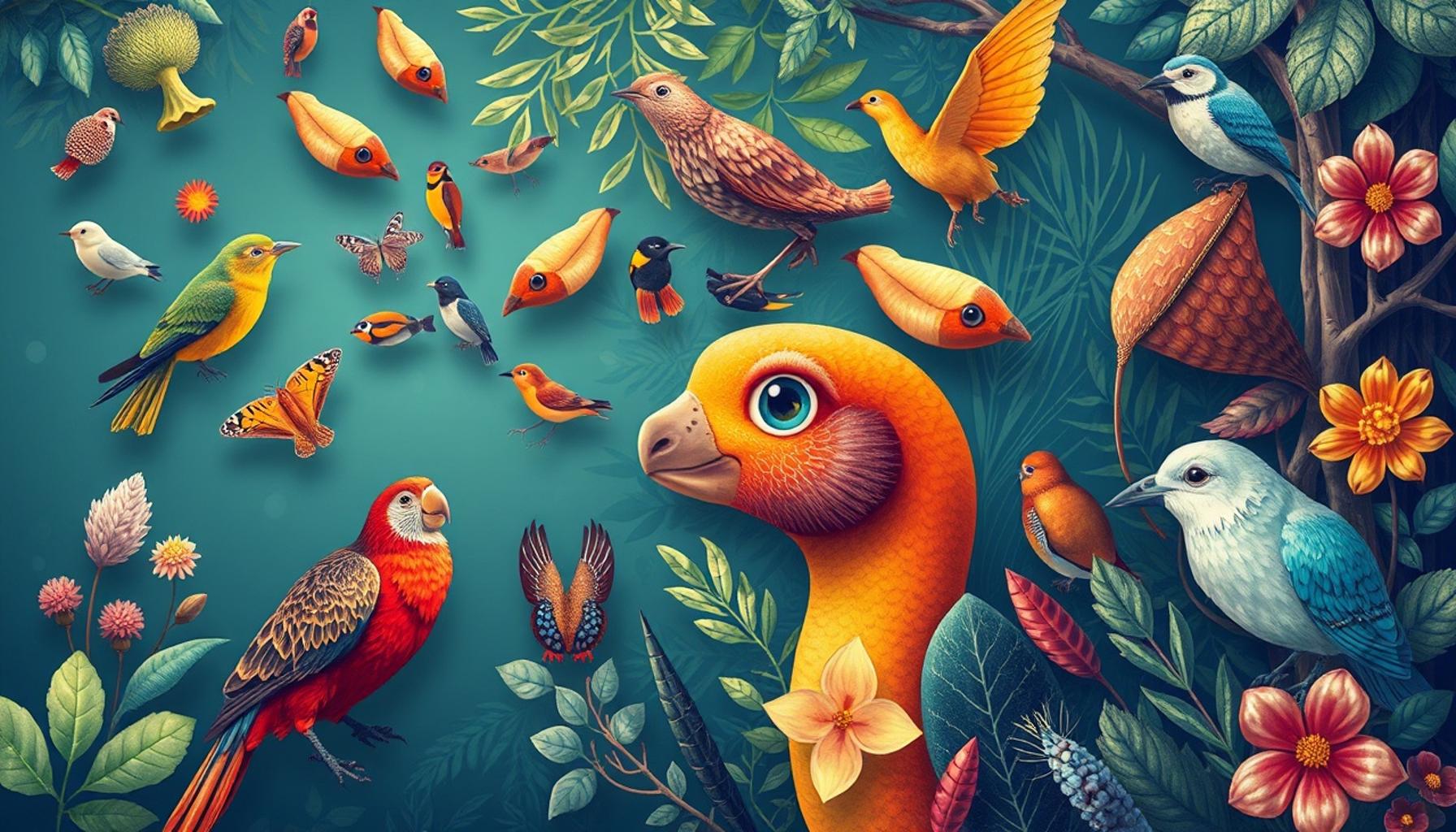
Understanding Pets and Their Ecological Roles
In the vibrant landscape of our homes, pets manifest a rich tapestry of species diversity. From the playful pup to the exotic parakeet, these creatures not only provide companionship but also serve larger ecological roles that intertwine with conservation efforts. Here are some intriguing stats and facts:
- Over 67% of U.S. households have at least one pet, making them significant players in our daily lives.
- More than 500 million pets are owned in the United States, showcasing an astonishing variety of species.
- Pets can help raise awareness about biodiversity and ecological balance.
The relationship between pets and conservation may seem indirect, yet it carries profound implications. By understanding the species diversity in pets, we can appreciate their roles in ecosystems, including how they support the preservation of endangered species. For instance, pet ownership often ignites a passion for wildlife and habitats, motivating people to become advocates for conservation.
Pets as Educators and Advocates
Pets, particularly exotic ones like reptiles, birds, and small mammals, play a crucial role in educating their owners about wildlife conservation. Programs such as the Association of Zoos and Aquariums (AZA)‘s Safe Program aim to connect pet owners with the importance of conserving wild species that share habitats with their pets. A simple parakeet or a rabbit can prompt discussions about their wild relatives, leading to greater understanding and respect for these creatures’ natural habitats.
Moreover, certain pet species have become ambassadors for their wild counterparts, educating communities and fostering a deeper connection to nature. For instance, adopting a rescue dog or cat not only provides a loving home but also raises awareness about the overpopulation of pets, the importance of spaying/neutering, and the need to protect wild animal habitats from encroachment.
The Conservation Impact of Pet-Related Activities
Pet ownership encourages outdoor activities such as hiking or walking, which can nurture an appreciation for nature’s beauty and diversity. Many pet owners engage in activities that also support local ecosystems, such as participating in park clean-ups or wildlife habitat restoration projects. These activities, often family-oriented, instill a sense of responsibility toward protecting our environment in the next generation.
In the realm of marine conservation, pet fish enthusiasts often become advocates for sustainable practices in the aquarium trade, promoting responsible sourcing and care for aquatic species. The United States has an extensive marine ecosystem, and awareness raised by fish hobbyists can significantly influence policies around ocean conservation.
As we journey to explore how our furry, feathered, and scaly friends contribute to conservation efforts, it becomes increasingly evident that pets play a vital role in fostering goodwill toward nature. By understanding their importance, we can harness this connection to make informed decisions that advocate for a healthier planet. Through our bonds with these remarkable animals, we not only enrich our lives but also contribute positively to global conservation efforts and biodiversity preservation.
The Spectrum of Species in Domestic Settings
The array of species that inhabit our homes goes beyond the conventional idea of pets. While dogs and cats dominate pet ownership in the United States, with dogs making up approximately 69 million households and cats approximating 45 million, there exists a thriving community of less conventional pets. From amphibians like frogs to the colorful fins of tropical fish, the species diversity in pets is robust and often underscores the need for conservation awareness.
This diversity can be categorized broadly into several groups, each offering unique insights into the ecological balance of their wild counterparts. Some key categories include:
- Birds: From canaries to macaws, avian pets offer glimpses into the complexities of their ecosystems. They are often kept not only for their beauty but also for their intelligent behaviors, reminding us of the threats faced by their wild relatives due to habitat destruction.
- Reptiles: Snakes, lizards, and turtles are becoming increasingly popular as pets. Their appeal often drives owners to learn about conservation challenges impacting their wild populations.
- Small Mammals: Guinea pigs, hamsters, and rabbits are favorites for families. Understanding their natural behaviors in the wild can inform us about the necessity of conserving their habitats.
- Aquatic life: Freshwater and saltwater fish not only beautify aquariums but also bring attention to important ecological issues surrounding marine sanctuaries and the impact of overfishing.
Each of these groups serves as a vital reminder of the intricate web of life that supports biodiversity. Owners of exotic pets often take on roles as informal conservationists, advocating for the protection of species and the ecosystems that are crucial for their survival.
Challenging the Perception of Pet Ownership
The shift in perception regarding pet ownership can also help highlight the delicate balance between domestic animals and wildlife conservation. Many pet owners become involved in local and national conservation efforts, driven by their connection to their pets. Programs such as the Pet Industry Joint Advisory Council focus on responsible pet ownership education, advocating for species that are at risk and promoting sustainable practices in the pet industry.
Moreover, fostering a connection with pets provides an opportunity for environmental education. Families who adopt pets often become more aware of environmental concerns, from habitat conservation to the need for responsible sourcing in the pet trade. For instance, individuals passionate about their pet reptiles may delve into the impacts of illegal wildlife trade, igniting a passion for conservation that stretches beyond their backyard.
As we delve deeper into the role of pet species diversity in conservation, we begin to understand how pet ownership can bridge human experiences with wildlife advocacy. It is a journey that transforms mere companionship into a powerful tool for fostering environmental stewardship and ensuring the protection of vulnerable species globally.
| Category | Advantages |
|---|---|
| Diversity of Species | Understanding the variety of pet species enhances conservation efforts. |
| Educational Opportunities | Pet owners become advocates for conservation through engagement and awareness. |
| Support for Biodiversity | Promoting rare and endangered pets helps protect various ecosystems. |
| Community Involvement | Pet events and programs unite residents, bolstering local conservation efforts. |
Exploring species diversity in pets and how they contribute to conservation paints a vivid picture of the interconnectedness of ecosystems. Beyond common domesticated animals, the inclusion of exotic pets has become increasingly popular, demonstrating that informed ownership can lead to greater environmental awareness. For example, reptiles, birds, and amphibians often challenge traditional notions of pet ownership, requiring owners to be more knowledgeable about their habitats and conservation statuses. In turn, this can spark passionate conversations about endangered species and local wildlife preservation. As pet owners share their journeys, they inspire others to reflect on their footprint on biodiversity and how they can make a positive impact.Moreover, local pet communities often engage deeply with conservation initiatives, organizing events that emphasize protecting wildlife or raising funds for conservation organizations. Through these communal efforts, they help foster a sense of responsibility toward the environment, showcasing how pets can serve as catalysts for change in conservation practices. Additionally, pet owners play unique roles when they become advocates for less common species, thereby driving efforts to maintain genetic diversity and protect at-risk populations. This holistic understanding underscores the potential of pets not just as companions but as significant players in the broader narrative of biodiversity and conservation.
The Educational Impact of Pet Ownership on Conservation Awareness
Pet ownership increasingly serves as a catalyst for enhancing public awareness about biodiversity and conservation. As families embrace a broader spectrum of species, pet enthusiasts often develop deeper ecological insights that extend beyond their living rooms. This evolving narrative highlights the link between domestic pets and wildlife conservation, illustrating how the presence of diverse pets can invigorate discussions around environmental issues.
For instance, bird owners frequently engage in activities that promote knowledge about avian species. Organizations such as the American Bird Conservancy support programs that empower pet bird owners to become advocates for preserving their wild relatives’ habitats. Through initiatives like educational workshops, birdwatching events, and community science projects, pet owners gain a nuanced understanding of the ecosystems that support avian life, in turn sparking conversations about habitat destruction and climate change.
Additionally, programs such as “Adopt, Don’t Shop” have resonated with pet owners who understand the implications of their choices on species conservation. The movement encourages individuals to adopt pets from shelters rather than purchasing them from breeders, thereby reducing the demand for specific breeds that may contribute to overpopulation issues. Such platforms raise awareness about the plight of various species, including those at risk of extinction, creating an intersection between pet ownership and conservation initiatives.
The Role of Exotic Pets in Conservation Research
While traditional pets contribute significantly to the welfare of their wild counterparts, exotic pets offer unique opportunities for conservation research. Species like tortoises, iguanas, and tarantulas help scientists study population dynamics, behavioral adaptations, and the effects of climate change on their habitats. Such research enhances our understanding of these species’ ecological roles, fostering greater urgency in conservation efforts.
Moreover, the presence of exotic pets in households piques public interest in lesser-known species, often driving individuals to dive into the intricacies of their care and conservation. For example, keeping axolotls has surged in popularity, prompting discussions on their dwindling population in the wild due to pollution and habitat loss. This newfound fascination encourages pet owners to advocate for conservation measures that ensure the survival of not only their axolotls but also the larger ecosystems they inhabit.
Collaboration Between Pet Industry and Conservation Organizations
The pet industry is increasingly recognizing its responsibility in promoting species conservation. Companies that produce pet supplies often partner with wildlife organizations to support conservation efforts through financial contributions and educational campaigns. The World Wildlife Fund (WWF) and various pet food brands have initiated joint campaigns aimed at raising awareness about the impact of pet consumption on wildlife and habitat preservation. These partnerships not only cultivate a sense of corporate responsibility but also encourage pet owners to make informed choices that resonate with conservation values.
Many pet owners are finding ways to contribute to conservation simply by choosing products derived from sustainable practices. Initiatives focused on responsible sourcing highlight the importance of fish, small mammals, and other pets being bred in environmentally sound ways, thus mitigating the pressures of wild capture and ensuring species sustainability.
Ultimately, as pet ownership continues to evolve, the interplay between human companionship and wildlife conservation becomes more pronounced. The diversity of species within domestic environments not only enriches our lives but also propels a movement toward accountability, urging pet owners to take part in critical conversations surrounding biodiversity preservation and ecological integrity.
Conclusion: The Interconnectedness of Pets and Conservation
As we delve into the exploring species diversity in pets and their role in conservation, it becomes evident that the bond between humans and animals encompasses far more than companionship. The myriad of pet species enriches our lives while shaping a powerful narrative around conservation. From educating pet owners about habitat preservation and the ecological impact of their choices to sparking interest in lesser-known species, pets serve as vital conduits for fostering a deeper understanding of biodiversity.
Moreover, the collaboration between the pet industry and conservation organizations amplifies this impact, highlighting the importance of responsible sourcing and ethical treatment of animals. By making informed decisions in pet ownership, advocates can contribute significantly to conservation efforts, ensuring that biodiversity is not only appreciated but actively preserved. Additionally, the rising popularity of exotic pets offers opportunities for crucial research, shedding light on the ecological roles these creatures play and prompting discussions on their conservation status.
Ultimately, the intersection of pet ownership and conservation beckons us to embrace a more conscious lifestyle, where every choice matters. As pet enthusiasts, we have the unique opportunity to become environmental stewards, cultivating awareness and advocating for the protection of diverse species both at home and in the wild. By continuing to explore the connections between our beloved pets and broader ecological health, we can ensure a sustainable future for countless species that share our planet.

 Beatriz