
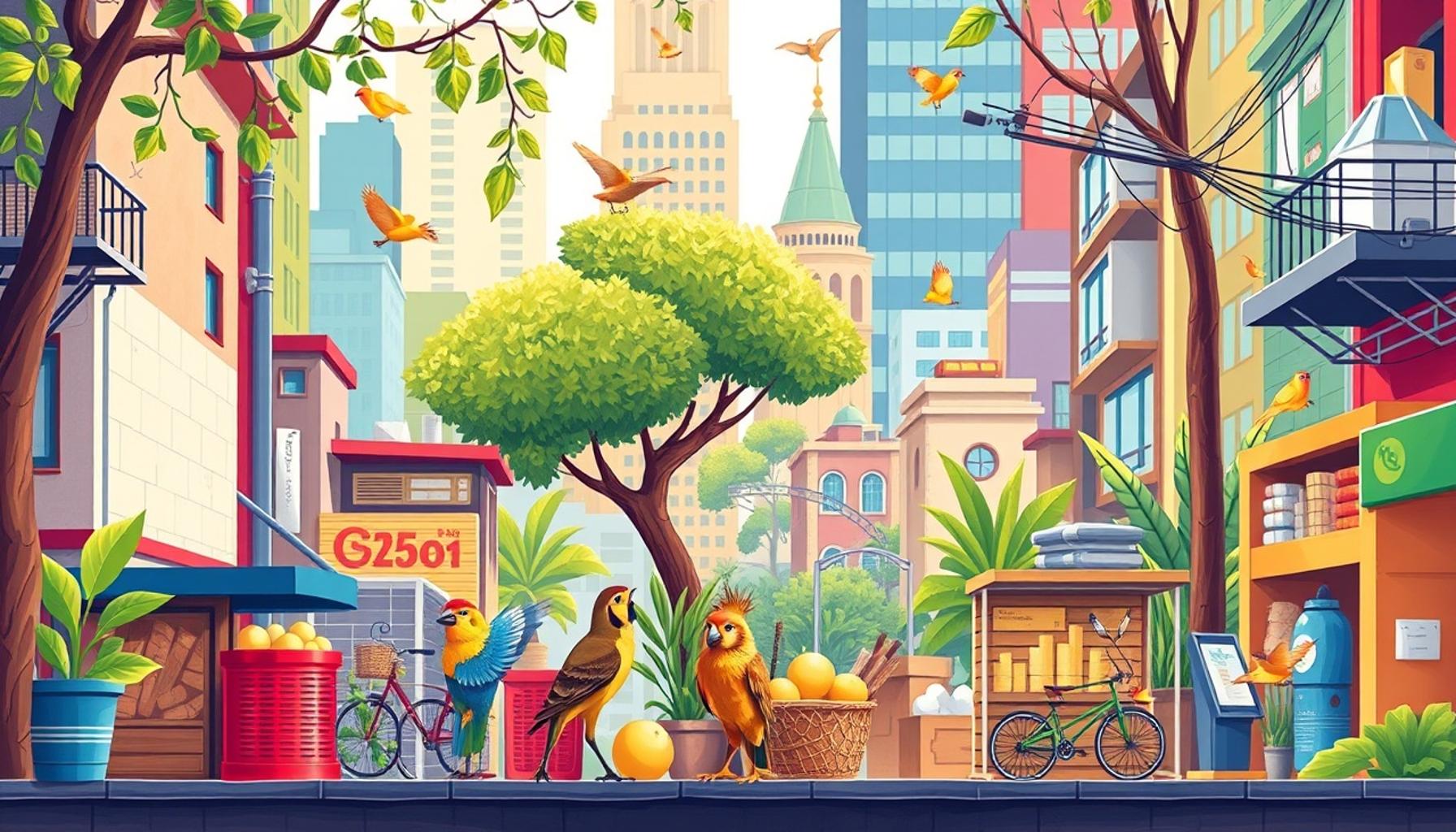
Urban Adaptation of Pets
In cities across the United States, pets are not just companions; they are remarkable survivors adapting to urban life. Their ability to thrive in bustling metropolitan environments raises intriguing questions about their resilience and adaptability. As more people flock to urban centers, understanding how pets adjust to these changes becomes increasingly important. This adaptation manifests in various forms, from their behavior and interaction with humans to their physical capabilities in an ever-evolving landscape.
Species Thriving in Urban Areas
Many species of pets have successfully made urban areas their homes. Consider the following:
- Dogs: Known for their loyalty, dogs have adapted to city life by becoming more social and receptive to diverse environments. Breeds that once preferred vast open spaces, like Golden Retrievers and Labrador Retrievers, are now often seen happily trotting alongside their owners in crowded parks and city streets. Their social nature has even led to the rise of dog parks, where these animals can interact not only with their peers but also with a variety of humans, enriching their social skills.
- Cats: Often roaming freely, cats exhibit behaviors that help them navigate urban landscapes with agility and cunning. Urban explorers like community cats have developed skills in hunting small critters that thrive in city environments, such as mice and birds. Interestingly, the presence of tall buildings gives them ample opportunities to climb and survey their domain from above, showcasing their innate problem-solving skills.
- Small mammals: Species like hamsters and rabbits are popular choices, as they can thrive in smaller living spaces. Unlike dogs and cats, these pets require less outdoor time, making them perfect for residents of apartments or smaller homes. Their adaptability includes a need for stimulating environments, leading owners to create intricate habitats with tunnels and climbing features.
Challenges and Fascinating Adaptations
Urban environments present unique challenges, such as noise, limited space, and the presence of unfamiliar sights and sounds. Yet, these challenges are met with fascinating adaptations. For instance:
- Increased socialization among pets is common, enabling them to engage with both people and other animals. This includes attending doggy daycare facilities and pet-friendly cafes, allowing pets to interact in safe environments that mimic social structures.
- Enhanced senses allow pets to detect and respond better to their urban surroundings. Dogs, in particular, have shown remarkable improvements in their ability to adapt to the hustle and bustle, often needing only short walks to satisfy their exercise requirements, as city dwellers keep a more structured schedule.
- Selective breeding has resulted in traits that suit confinement and limited outdoor access. For example, smaller dog breeds, such as the French Bulldog or Dachshund, are frequently chosen for apartment living due to their lower exercise requirements and adaptability to smaller spaces, making them companions that fit urban lifestyles beautifully.
Exploring how these pets navigate and flourish in their cities reveals not just their adaptability but also the deep bond they share with humans in modern urban settings. As we delve deeper into this phenomenon, we uncover the fascinating resilience of animals in an ever-changing environment. The urban pet experience is continually evolving, providing insight into the ways animals and humans coexist in increasingly dense urban populations, potentially paving the way for further exploration into animal behavioral science and urban planning.
Understanding Urban Adaptation Mechanisms
The adaptation of pets in urban environments is not merely a natural occurrence; it reflects their resilience and intelligence in responding to the complexities of city life. As the urban landscape has evolved, so too have the behaviors and needs of our animal companions. While dogs, cats, and small mammals are the primary pets in urban settings, their survival and thriving mechanisms are diverse and fascinating, revealing the intricate bonds they forge with their human counterparts.
Behavioral Changes in Urban Pets
Pets living in cities showcase a variety of behavioral adaptations that help them navigate their surroundings effectively. For example:
- Increased alertness: Urban animals must be more vigilant than their rural counterparts. The myriad of stimuli, from honking cars to bustling crowds, necessitates heightened awareness. Dogs, in particular, exhibit increased alertness, which can enhance their training and responsiveness to commands amidst urban distractions.
- Reduced territorial behavior: In spacious rural areas, pets often defend larger territories. However, in crowded city environments, animals adapt by reducing territorial instincts. This allows for peaceful coexistence with other pets and humans, facilitating interactions that enrich their social lives.
- Enhanced adaptability: Adaptations extend beyond behavior. For instance, many pets have become more flexible in their daily routines, adjusting to their owners’ lifestyles, which are often dictated by work and social commitments. Dogs may find joy in shorter but more frequent walks, while cats may adopt a more indoor-centered activity routine, playing with various toys that stimulate their natural instincts.
Health Impacts of Urban Living
The health of pets residing in urban environments also reflects their adaptability. The unique challenges posed by city life can have both positive and negative impacts on their well-being. Here are some factors to consider:
- Access to veterinary care: Urban areas typically offer myriad veterinary services, from clinics to specialized pet hospitals. This increased access allows pet owners to prioritize their animals’ health and wellness, fostering better preventive care practices.
- Physical exercise: While urban settings may limit space, they can encourage pet owners to engage in activities focused on physical exercise. Activities like structured walks in parks or attendance at agility courses are gaining popularity, promoting fitness among both pets and their owners.
- Mental stimulation: Urban pets benefit from exposure to diverse environments, including cafes, markets, and events, which provide opportunities for mental stimulation. The variety of sights, sounds, and smells keeps their senses engaged, which is essential for their overall health.
Understanding how pets adapt to urban environments is more than an academic interest; it highlights a bond that is evolving in tandem with our modern way of living. As we continue to explore these adaptations, we uncover vital insights into how our four-legged friends contribute to and enrich urban life, paving the way for improved animal welfare practices in densely populated areas.
Adaptation of Pets in Urban Environments: Species That Thrive in Cities
As urbanization continues to expand, certain pet species are demonstrating remarkable adaptability to city life. Understanding how these animals manage to thrive in such densely populated, fast-paced environments reveals much about their unique characteristics and needs. Let’s delve deeper into some of the species that flourish in urban landscapes.
One of the most notable species is the domestic cat. Cats exhibit extraordinary independent behavior, which aligns perfectly with the urban setting where they roam freely and find food sources. Urban environments provide ample hiding spots and high vantage points, allowing them to display their natural instincts while living closely with humans. Their relatively low space requirements and ability to hunt pests make them ideal companions in cities.
Another animal that has adeptly adjusted to urban life is the dog. Various breeds have been specifically bred for urban settings, showcasing characteristics such as smaller size and higher energy levels. Breeds like the French Bulldog and Pug have gained popularity among city dwellers due to their adaptability to small living spaces and moderate exercise requirements. Regular socialization in parks enhances their well-being, fostering a bond between pets and their owners.
The urban bird species such as pigeons and sparrows have also thrived, benefiting from human environments. These birds are not only versatile in finding food but can also adapt to the changes in their habitat. Cities resemble vast food webs, with open dumpsters and feeding stations providing abundant resources.
Certain small mammals, like rabbits and guinea pigs, have also found urban homes, often within apartments. Their gentle demeanor and ease of care make them appealing to city residents looking for companionship without the commitment of larger pets.
These examples illustrate a fascinating aspect of urban life: the ability of certain pets to adapt and thrive amid challenges like noise, restricted spaces, and human interactions. Understanding the behaviors and needs of these species is crucial for enhancing their quality of life in urban settings.
| Category | Benefits |
|---|---|
| Domestic Cats | Independence in finding food and shelter; pest control abilities. |
| Urban Dogs | Companionship and adaptability to small living spaces; social enrichment. |
| Urban Birds | Resilience in finding food sources; integration into human environments. |
| Small Mammals | Easy care and companionship; suitable for apartment living. |
By examining these species and their adaptations, we glean insights into how urban environments can cater to the needs of pets, promoting a harmonious cohabitation of humans and animals alike.
The Impact of Urban Design on Pet Adaptations
The design of urban environments plays a critical role in shaping the adaptations of pets. From green spaces to pet-friendly infrastructure, these elements greatly influence how pets and their human companions navigate city life. Understanding these impacts can help pet owners create a more enriching environment for their furry friends.
Urban Green Spaces
Access to green spaces is essential for urban pets, providing them with opportunities for exercise, socialization, and exploration. Parks, dog runs, and even pet-friendly areas of public gardens serve as vital sanctuaries for pets in bustling cities. For instance:
- Increased social interactions: Urban parks become gathering spots for pet owners, naturally facilitating socialization among pets. Dogs, particularly, benefit from off-leash play in dog parks, where they can develop crucial social skills and engage in healthy interactions.
- Physical and mental enrichment: Green spaces offer varied terrain and experiences, challenging pets to adapt their physical abilities. Cats can enjoy outdoor enclosures, while dogs relish the chance to run and explore new environments, positively stimulating their minds and bodies.
- Health benefits and safety: Regular visits to parks can contribute to cardiovascular health and obesity prevention in pets. Urban planners are increasingly recognizing the importance of safe, accessible green spaces for pets and are integrating pet-friendly designs into new developments. This can include safe routes for walks or dog parks equipped with agility equipment.
Pet-Friendly Infrastructure
The increased presence of pet-friendly infrastructure within cities directly affects the quality of life for urban pets. As more businesses adopt pet-friendly policies, the likelihood of pets accompanying their owners increases substantially. For example:
- Cafes and stores: Many urban cafes and retail spaces are now accommodating pets, allowing owners to include their furry friends in outings. This adaptation not only promotes socialization but also allows pets to experience the hustle and bustle of urban life under controlled circumstances.
- Pet services: Cities often provide a wide array of pet services, such as grooming, daycare, and training. The availability of these services influences pet owners to engage more positively with their animals, ensuring pets receive appropriate care and stimulation.
- Transportation accommodations: Public transportation systems in many urban areas are increasingly becoming pet-friendly. Designated pet areas or policies that allow leashed pets on public transport enhance mobility for pet owners, making city access easier and promoting outdoor activities.
Considering Local Wildlife Interactions
Urban pets are also adapting to coexist with local wildlife, which presents both benefits and challenges. The presence of raccoons, squirrels, and birds encourages an instinctual response in pets:
- Natural behavior stimulation: Observing local wildlife can stimulate predatory instincts in pets, especially in smaller species like cats. Urban cats often adapt by honing their stalking and pouncing skills, which contributes to their innate behaviors in a confined space.
- Environmental hazards: However, pets must also learn to navigate the risks associated with urban wildlife, such as traffic or potential diseases. Ensuring pets are vaccinated and trained to respond to potential dangers becomes increasingly vital.
The dynamic interplay between urban design, pet infrastructure, and wildlife interactions creates a multifaceted landscape for pets to adapt and thrive. By understanding these relationships, pet owners can take proactive steps to enhance their pets’ experiences and well-being in the urban environment.
Final Thoughts on Urban Pet Adaptation
The modern urban landscape shapes the way our pets adapt and thrive. With thoughtful consideration of urban green spaces, pet-friendly infrastructure, and the challenges posed by local wildlife interactions, we uncover a complex tapestry in which pets can flourish. By providing access to parks, pet services, and community spaces, cities not only enhance the quality of life for pets but also foster a sense of belonging for pet owners while cultivating social connections.
Urban dwellers, especially dog owners, can contribute to their pets’ well-being by actively engaging in community activities that promote healthy lifestyles. Encouraging outdoor adventures ensures physical fitness, mental stimulation, and socialization, vital for a pet’s happiness. Creating safe routes and supporting the growing trend of pet-friendly establishments also empower owners to include their companions in daily life, enhancing the bond between species.
The coexistence with local wildlife adds another intricate dimension, offering urban pets the chance to reconnect with their natural instincts. However, this also poses challenges that require pet owners to remain vigilant and knowledgeable about their pets’ needs. Vaccinations and training are essential tools that can mitigate potential risks while allowing pets to be part of the vibrant urban ecosystem.
As cities continue to evolve, the call for more inclusive and engaging environments for pets grows louder. By recognizing the imperative role of urban design in facilitating healthy adaptation for pets, we can foster not only thriving animal communities but also harmonious living spaces for all residents. Embracing this holistic perspective on urban pet life invites further exploration into sustainable practices and innovations aimed at enriching the experiences of our beloved companions in increasingly complex urban settings.


 Beatriz