
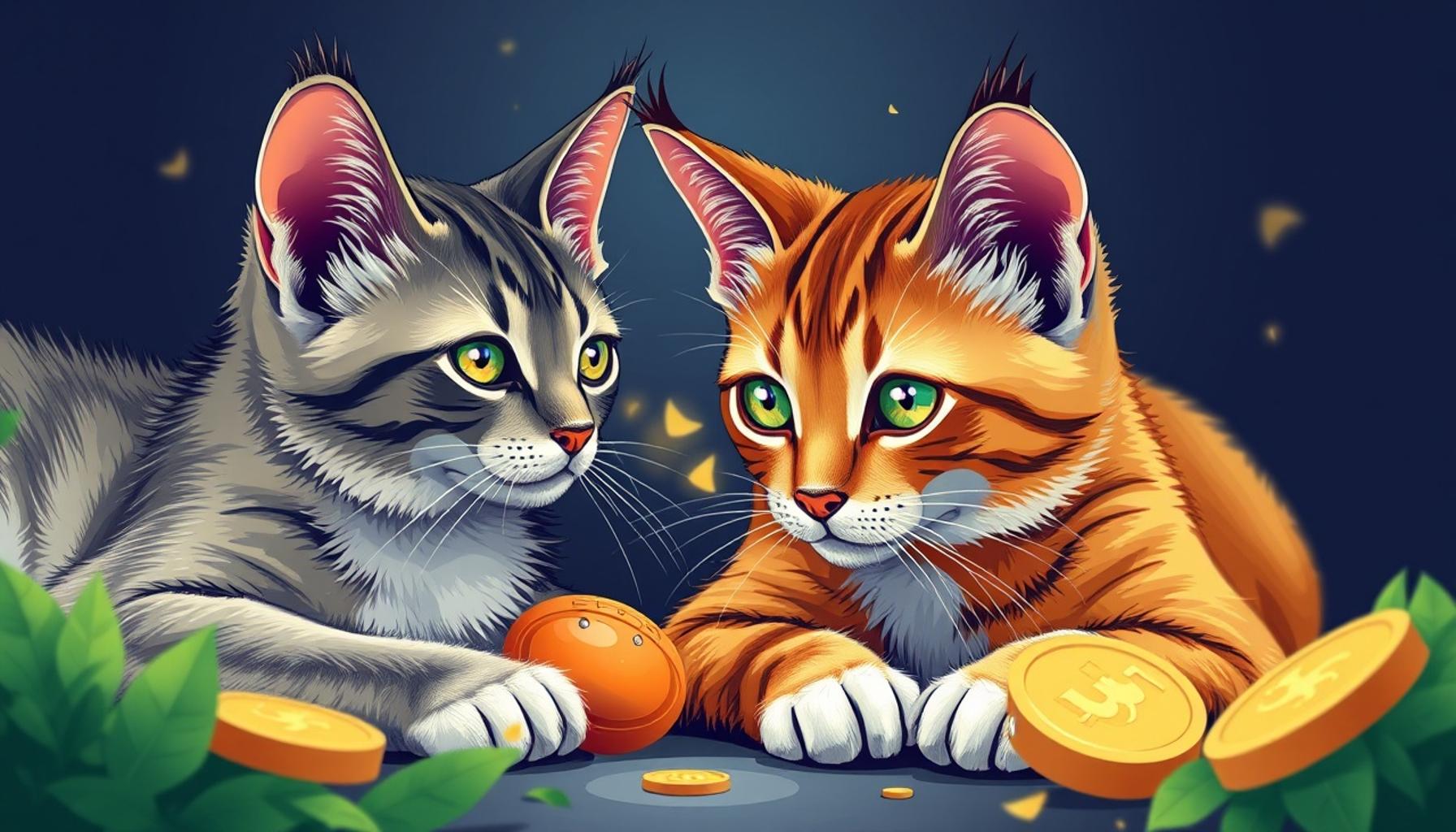
The Intriguing Behavior of Domestic Cats and Their Hunting Instincts
The domestic cat, an animal that has coexisted with humans for thousands of years, still carries the hunting instinct deeply embedded in its behavior. This instinct plays a pivotal role in shaping how these feline companions interact with their surroundings, including toys and humans. Despite their domestication, cats remain adept hunters, often showcasing behaviors that reveal their innate drive.
Some fascinating features of a cat’s hunting instinct include:
- Stalking and Pouncing: Cats exhibit remarkable agility and stealth as they mimic stalking behavior during play. They crouch low to the ground, slow their movements, and observe their “prey” keenly, whether it is a feather toy or a string. This behavior is not just entertaining; it hones their skills for real-life hunting situations, as they leap with incredible precision when attacking.
- Natural Curiosity: Cats are known for their inquisitive nature, exploring their environment with a keen sense of observation that mirrors that of wild cats. They often investigate new objects or changes in their surroundings by pawing, sniffing, or simply watching intensely. This curiosity drives their playful antics and is essential for their mental stimulation.
- Playful Attacks: The toys we provide serve as stand-ins for prey and provoke instincts that enhance their agility and reflexes. Critters such as small mice or fluttering birds are particularly captivating. Some cat owners have noted that laser pointers or interactive toys that mimic the movements of real prey can keep their felines entertained for hours, thereby engaging their hunting instincts.
These behaviors not only showcase their predatory skills but also influence how cats connect with their human companions. Recognizing this interplay can enrich the human-feline bond, leading to more engaging interactions. For instance, a simple game of hide-and-seek can appeal to their natural instincts and provide not only exercise but also a chance for bonding.
Understanding the impact of a cat’s hunting instinct invites us to reevaluate our approach to play. Tailoring our interaction to align with their instincts can foster a joyful and enriching environment. For instance, incorporating an array of toys that mimic real prey, such as small rodents made from faux fur or birds with motion sensors, can capture their attention far more effectively than standard toys. Additionally, engaging them in environments where they can climb, leap, and hide can recreate the adventurous spirit of the outdoors, allowing them to express their natural behavior in a safe setting.
The insights gained from understanding these instinctual behaviors can lead to a more fulfilled and enriched life for our feline friends. Offering environments that cater to their natural tendencies not only keeps them physically active but also helps in reducing potential anxiety and boredom. Such thoughtful engagement encourages a deeper connection, reinforcing the idea that we share our homes with incredibly complex creatures whose instincts drive much of their behavior.
Understanding the Depth of Hunting Instincts in Domestic Cats
The hunting instinct in domestic cats is more than a mere remnant of their wild ancestry; it profoundly shapes their daily interactions, especially regarding toys and their human companions. This instinct serves not only as a survival mechanism but also as a framework through which cats perceive and engage with their environment. Recognizing the nuances of these instincts allows pet owners to better cater to their feline friends’ needs, enhancing their well-being and strengthening the bond shared between cat and owner.
Central to the hunting instinct are several key behaviors that manifest when cats interact with toys and people:
- Predatory Play: When domestic cats chase and capture toys, they are essentially reenacting the hunt. This predatory play is critical for maintaining their physical health and mental acuity. The act of swatting, pouncing, and carrying toys in their mouths simulates the behaviors they would use to catch prey in the wild.
- Variable Energy Outbursts: Unlike some pets that may have steady energy levels, cats exhibit bursts of energy characteristic of hunting. These fluctuating energy levels can be seen when they spontaneously engage in play—often referred to as the “cat crazies” or “zoomies.” Understanding these cycles helps owners to provide effective play sessions that match their cats’ natural rhythms.
- Tactile Exploration: Cats use their paws as tools in both hunting and play. They often investigate toys by pawing, batting, or tossing them around. This action mimics the way they would handle real prey, and it’s essential for both stimulating their hunting instinct and keeping their claws healthy.
Moreover, the impact of the hunting instinct on interactions with humans is equally significant. Cats often approach their human companions with a mix of affection and predatory behavior. This unique blend can lead to playful biting or ambushes, especially during bonding moments. While some might interpret these behaviors as aggression, they often arise from a playful inclination rooted in instinct. Understanding this helps pet owners respond to their cats’ affection in ways that respect their hunting nature.
To foster a more engaging environment for our felines, owners can take proactive steps by incorporating toys that provoke natural hunting behaviors. Interactive toys, such as feather wands or laser pointers, not only provide physical exercise but also mentally stimulate cats as they mimic stalking and capturing their “prey.” By creating an environment filled with opportunities for play and exploration, pet owners can connect with their cats on a deeper level while simultaneously satisfying their inherent instincts.
This understanding of the hunting instinct opens the door to designing a nurturing and fulfilling lifestyle for domestic cats. Ultimately, by observing and respecting the interplay between their predatory nature and their interactions with humans, owners can facilitate a rich experience for their beloved companions. This dynamic encourages enriched relationships and fosters a harmonious coexistence that benefits both the feline and their human friend.
The hunting instinct deeply intertwined with the evolutionary history of domestic cats influences their daily behaviors and interactions with toys and humans significantly. Understanding this instinct can shed light on why cats exhibit certain behaviors, especially when they are engaging in play or interacting with their human companions.Firstly, the act of stalking and pouncing is rooted in a cat’s natural hunting behavior. When cats see toys that mimic prey, such as dangling feathers or moving balls, they often exhibit a range of behaviors like crouching, stalking, and swift pouncing. This play not only serves as an outlet for their predator instincts but also fosters mental stimulation and physical exercise, which are crucial for their well-being. Interactive toys that engage these instincts can keep indoor cats from becoming bored or anxious, addressing issues like obesity and behavioral problems stemming from insufficient stimulation.Moreover, the way domestic cats interact with humans can heavily reflect this hunting instinct. Many cats will engage in behaviors like bringing “gifts,” whether it be a toy or, in some cases, an unfortunate critter, as a way to express affection and a sense of accomplishment. This behavior can be traced back to their ancestors, where sharing prey with their kin was part of survival. By bringing items to their human companions, they may seek validation or share a bond similar to that expressed amongst their hunting successes.Interestingly, the hunting instinct also shapes how cats perceive their human relationships. Cats may initiate play predicated on their instinctual drive to hunt and catch, engaging deeply with their owners. This interactive relationship often enhances emotional bonding and can improve the overall mood and mental health of both the cat and the owner. Understanding this nuanced interaction can enhance the human-feline bond significantly, making it beneficial for both parties.In conclusion, acknowledging the influence of hunting instinct on domestic cats not only provides insights into their behavioral patterns but also offers valuable strategies for creating enriching environments that respect and stimulate their natural instincts. By leveraging this understanding, cat owners can ensure their pets lead fulfilling lives that incorporate play, mental challenge, and dynamic interaction, thereby fostering a happier and healthier household.
Exploring the Impact of Hunting Instincts on Interactions with Toys and Humans
The interconnectedness of a domestic cat’s hunting instinct with their interactions offers a fascinating glimpse into their psyche. This instinct not only influences the way cats play but also shapes how they communicate and bond with their human companions. As natural hunters, cats exhibit behaviors that alert us to their needs, and understanding these signals is crucial for nurturing a fulfilling relationship.
One of the most significant aspects of feline behavior linked to hunting is the element of stalk and strike. When a cat crouches low, moving stealthily toward a toy or even a human hand, they are engaging in a classic hunting strategy. This behavior harks back to their wild ancestors, where careful stalking and sudden pouncing were essential for capturing prey. Owners can stimulate this part of the hunting instinct by utilizing toys that mimic the movement of animals in the wild. For instance, toys that twitch or move erratically can invoke a cat’s natural stalking behavior, encouraging a fruitful play session that mirrors their ancestral instincts. Studies have shown that playtime mimicking hunting not only elevates a cat’s mood but also enriches their cognitive functions.
Additionally, cats often exhibit a strong preference for interactive play. Unlike passive toys, interactive ones—such as those that require the cat to engage actively, like puzzle feeders or laser pointers—tap into their predatory nature. These types of play challenge a cat both mentally and physically, allowing for the release of pent-up energy while satisfying their hunting urges. In homes where owners observe their cat’s behavior, it’s clear that the engagement level rises significantly with toys designed to foster active participation.
Beyond toys, the hunting instinct also alters the dynamics of how cats interact with their humans. For instance, during moments of affection, a cat may display playful biting or paw swatting that appears aggressive on the surface. These actions are often remnants of a playful predatory instinct. Understanding this perspective allows owners to engage with their cats in a way that respects their natural behaviors—encouraging play without the misinterpretation of aggression. According to veterinarians and animal behaviorists, providing outlets for these instincts through enriched playtime can decrease unwanted behaviors in cats, enhancing their overall well-being.
Moreover, many cat owners notice a compelling phenomenon where their feline friends bring them “gifts”—like caught mice or birds—despite being well-fed. This behavior can be understood through the lens of community within a hunting context. In the wild, adult cats often share their catch with kittens or fellow felines. When a domestic cat brings a “gift” to its owner, it is a testament of trust and a desire to include their human in their hunting world. Acknowledging this behavior helps foster deeper connections, as owners can respond positively, praising the cat to reinforce this social interaction.
Incorporating elements that engage the hunting instinct can transform a cat’s emotional landscape. Establishing a regular play schedule and rotating toys to keep them fresh can tap into their natural curiosity and exploration instincts, leading to more sustained engagement. Owners can also consider creating an environment that allows for vertical exploration with cat trees or shelves, providing a perfect stage for their cats to enact their hunting fascination. By appreciating the influence of the hunting instinct on a cat’s behavior, owners can create a stimulating environment that keeps their cats healthy, happy, and connected, forging unbreakable bonds that reflect the complexities of one of nature’s most intriguing domesticated predators.
Conclusion: Understanding Your Feline’s Hunting Instinct
The profound influence of a domestic cat’s hunting instinct on their behaviors and interactions highlights the intricate bond shared between felines and their human companions. This primal drive not only dictates how they engage with toys—from the thrill of the stalk and strike technique to the allure of interactive play—but also shapes their social behaviors towards humans. Recognizing these patterns allows cat owners to provide enriching environments that cater to their pets’ natural instincts, leading to both mental and emotional stimulation.
Through this lens, we can appreciate why a playful nibble or a well-intentioned ‘gift’ might arise during a moment of affection, as these behaviors echo the complexities of their ancestors hunting in the wild. To nurture this instinct, it’s essential for owners to facilitate regular, interactive, and dynamic play sessions that mimic natural hunting scenarios. Habitats that encourage climbing and exploring also cater to their inherent needs, allowing them to thrive as natural hunters.
Overall, the intricate dance between play, social interaction, and the primal instincts of domestic cats opens up new avenues for understanding feline behavior. By embracing these hunting instincts, owners can cultivate an enriching relationship that celebrates a cat’s unique personality while contributing to their overall health and happiness. As the bond between human and feline deepens, both parties enjoy the positive reinforcement of play and affection, culminating in a harmonious coexistence.


 Beatriz